How do I choose a water damage restoration company?
Choose a firm that is IICRC-certified, answers its own phone 24/7 with real dispatch, documents drying with daily moisture logs, writes itemized insurance-compliant estimates, and has verifiable local reviews and a physical presence. Avoid door-knockers, cash-only operators, and anyone who can't show you documentation from past jobs.
The five credentials that actually matter
First, IICRC certification. The Institute of Inspection, Cleaning and Restoration Certification sets the standards the entire industry — and insurance carriers — work from, principally the S500 for water damage and S520 for mold. A certified firm has technicians trained to those standards; a firm without it is asking you to take drying science on faith.
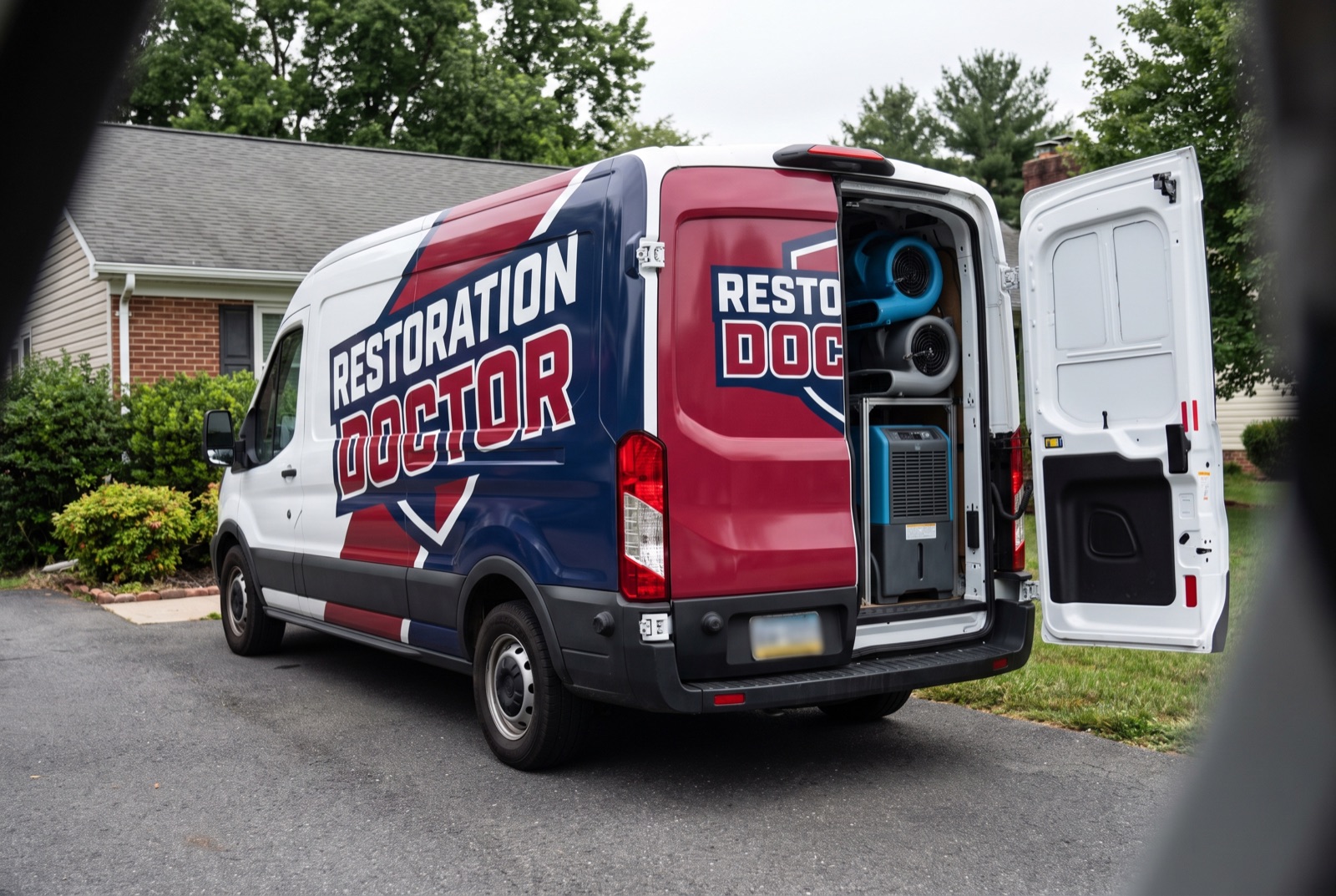
Second, genuine 24/7 dispatch: a company that answers its own emergency line and can put a crew on site in hours, not a call center that books you for later in the week. Water damage compounds hourly, so response capability is a core competency, not a convenience.
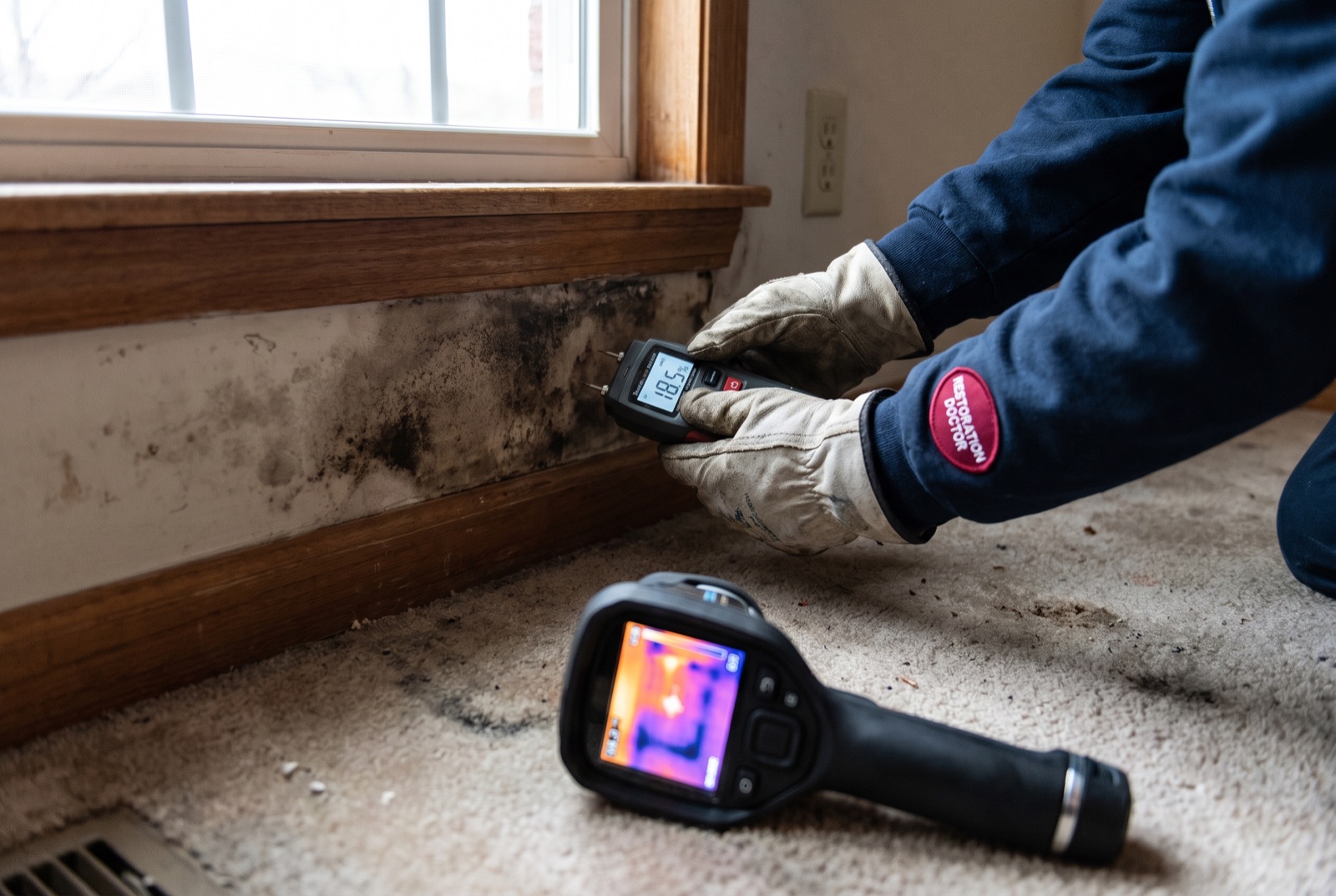
Third, documentation practice. Ask directly: will I get daily moisture readings, a moisture map, and photos of every stage? Firms that document well can show you an example file on the spot. Fourth, insurance fluency — itemized estimates in Xactimate, the format adjusters can actually review line by line, rather than lump-sum quotes. Fifth, verifiable local substance: a physical address, an established review history across platforms, and proper business licensing and insurance you can confirm.
Red flags that should end the conversation
Some warning signs are reliable enough to act on immediately. Door-knockers who appear after a storm — legitimate restoration firms are busy working during disaster surges, not canvassing neighborhoods. High-pressure tactics: demanding you sign on the spot, claiming a price is only good today, or discouraging you from getting other opinions. Cash-only or large-upfront-deposit demands. Lump-sum pricing with no itemization. No physical address, out-of-state plates after a storm event, or a company name you can't find a track record for.
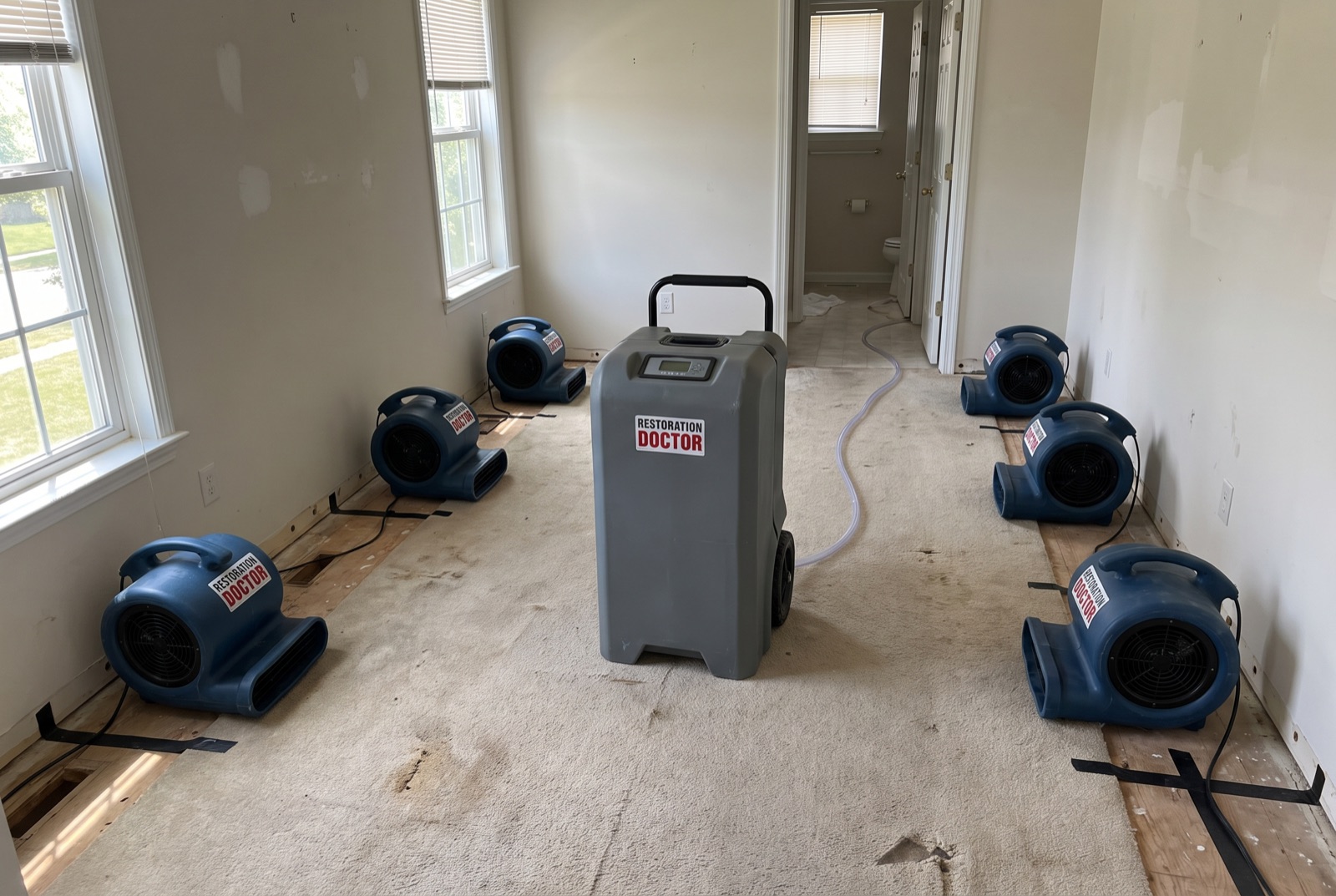
Two more subtle ones: a firm that promises your insurance will "cover everything" before anyone has assessed the loss (no contractor can promise coverage — that's your policy and carrier's determination), and a firm that can't explain its drying process beyond "we set fans." How a company talks about moisture measurement tells you almost everything about how it works.
Questions that separate the professionals
In a five-minute call you can learn a lot. Ask: What's your response time tonight? Are your technicians IICRC-certified? Will I receive daily moisture logs and photo documentation? Do you write itemized Xactimate estimates? Who performs the work — your own crews or subcontractors? Do you handle the rebuild too, or just mitigation? What does your work authorization say about payment if insurance disputes part of the scope?
The pattern in the answers matters more than any single one. Professionals answer specifically and put things in writing without being pushed. Evasion on documentation, pricing structure, or who actually shows up at your house is a signal to keep dialing.
Remember: the choice is yours
Your insurance carrier may suggest a preferred vendor, but the choice of contractor is yours — you have the right to hire any qualified firm you trust, and mitigation of the damage is your policy duty regardless of who performs it. Choose the company that can prove its work, not just the first name offered.
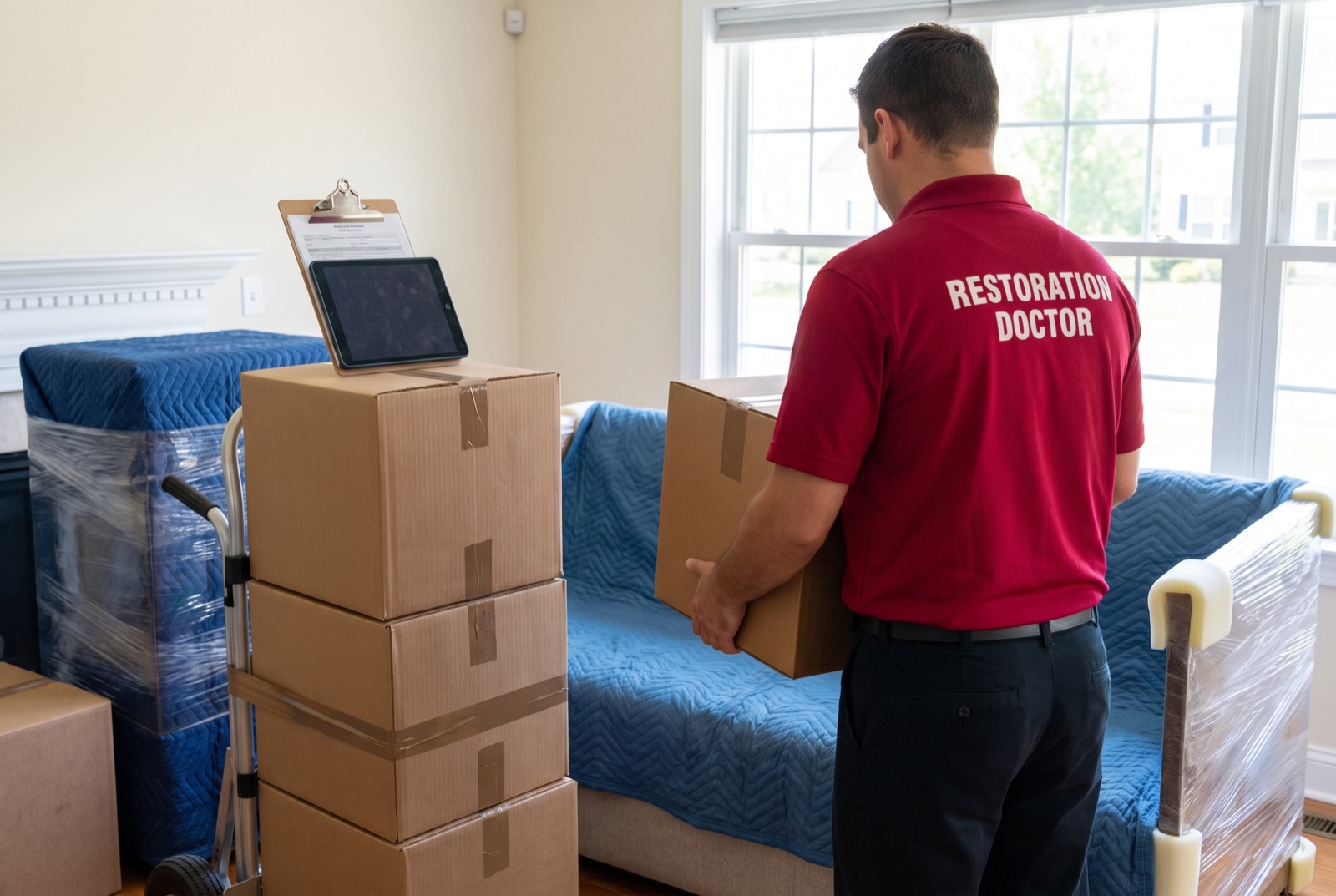
Restoration Doctor operates 24/7 across Northern Virginia, Maryland, and D.C. with IICRC-certified technicians, in-house crews for both mitigation and rebuild, daily drying logs, and a CompanyCam photo trail on every loss — the documentation standard this page just told you to demand. Call 1-888-29-FLOOD and judge the answers for yourself.
Water Damage Restoration
Extraction, structural drying, and moisture verification for burst pipes, appliance leaks, and basement flooding.
Frequently asked
Related questions
What is IICRC certification and why does it matter?
What questions should I ask a restoration contractor?
Do I have to use the restoration company my insurance recommends?
How fast can a restoration company get to my house?
Active water, mold, fire, or sewage event?
Connect directly with the Restoration Doctor team for your region. Crews are on standby 24/7 with documented response protocols.