What is IICRC certification and why does it matter?
The IICRC — Institute of Inspection, Cleaning and Restoration Certification — is the standards and certification body for the restoration industry. It publishes the S500 water damage and S520 mold remediation standards that define professional practice, and certifies firms and technicians in them. Insurers recognize these standards, and hiring a non-certified firm is a genuine red flag.
What the IICRC actually is
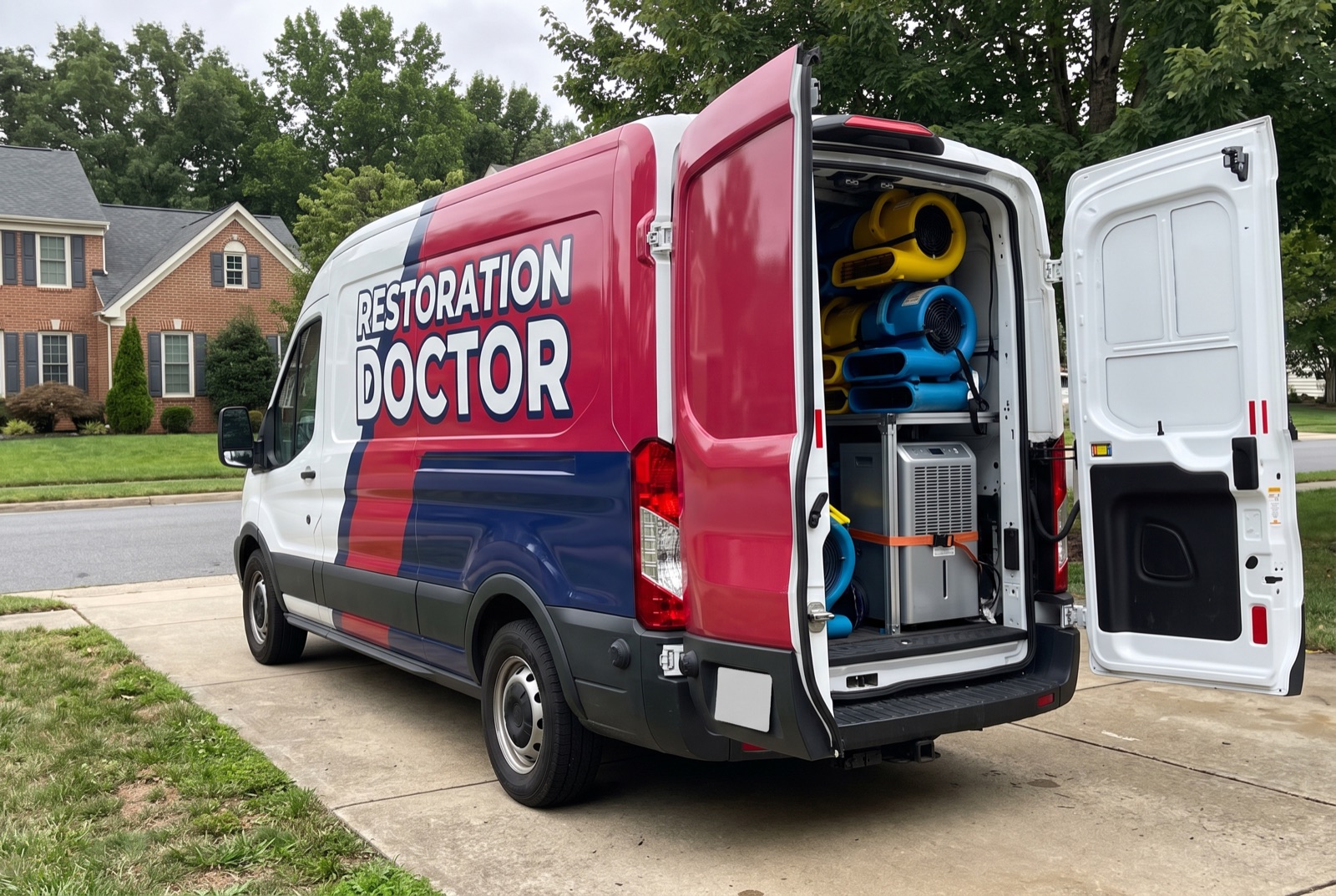
The IICRC is a non-profit standards-development organization for the inspection, cleaning, and restoration industries. It does two things that matter to a homeowner: it develops the consensus standards that define what proper restoration work is, and it certifies technicians and firms that train to those standards. The standards are developed as ANSI-accredited documents — meaning they go through a formal consensus process — and they're the reference points the entire industry, including insurance carriers, works from.
The two standards you'll hear cited most are the S500 (Standard for Professional Water Damage Restoration) and the S520 (Standard for Professional Mold Remediation). The S500 covers everything from water category and class definitions to psychrometry — the science of how air, temperature, and humidity interact to dry materials — to how drying should be measured and verified. The S520 governs containment, removal, and clearance for mold work.
Why it matters for the work in your house
Water damage restoration looks simple — remove water, add fans — and is anything but. Whether a wall can be dried in place or must be cut, how contaminated water changes the protocol, how to dry a hardwood floor without ruining it, when antimicrobial application is appropriate, and how to prove a structure is actually dry are all technical judgments the S500 addresses specifically. A certified technician has been trained and tested on that body of knowledge; an uncertified one is improvising on your house.
Certification comes in relevant flavors: WRT (Water Damage Restoration Technician) is the core water credential, ASD (Applied Structural Drying) covers advanced in-place drying, and AMRT (Applied Microbial Remediation Technician) covers mold. Firms themselves can also hold IICRC Certified Firm status, which requires certified technicians on staff and adherence to a code of conduct.
The insurance dimension
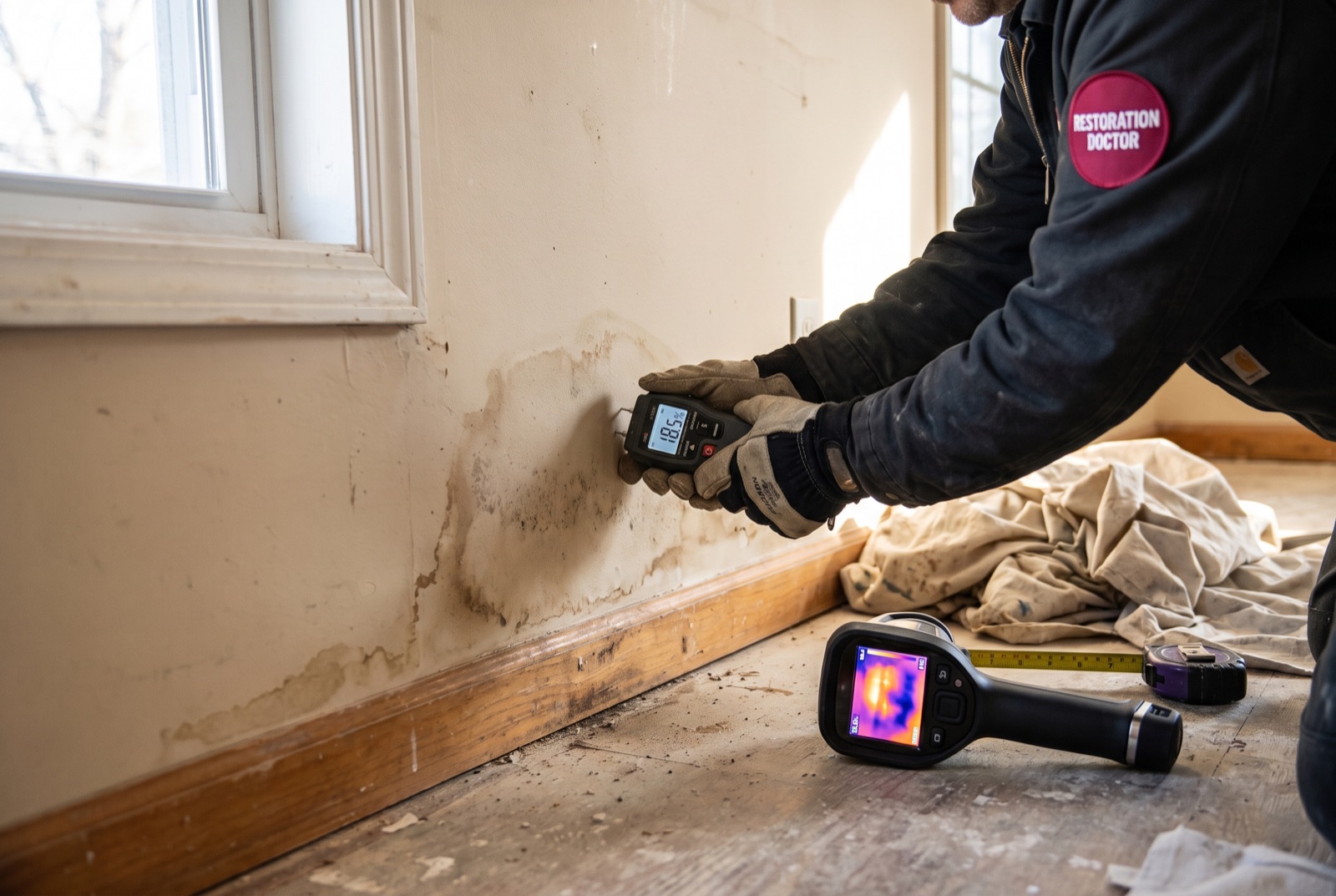
Insurance carriers evaluate restoration work against industry-standard practice, and industry-standard practice means the IICRC standards. When a firm's drying logs, moisture maps, and scope decisions follow the S500, an adjuster can verify the work against a shared reference — which is exactly what makes claims move smoothly. Work performed outside the standard is harder to justify line by line, and gaps in documentation invite questions that slow everything down.
This doesn't mean certification guarantees a smooth claim — coverage is determined by your policy and the cause of loss, and no contractor controls that. It means the mitigation half of the equation, the part you and your contractor do control, is performed and papered in the language everyone involved recognizes.
How to use this when hiring
Ask two questions: "Are your technicians IICRC-certified?" and "Does your drying documentation follow the S500?" Legitimate firms answer immediately and specifically — certifications are verifiable, and a firm proud of its process will tell you exactly what its documentation includes. Hesitation, vagueness, or "we've been doing this for years, we don't need certificates" tells you the firm considers the industry standard optional. For work that determines whether your house grows mold, that's not a philosophy to gamble on.
Restoration Doctor's technicians are IICRC-certified and every loss is worked to S500 practice: moisture mapping, engineered drying, daily verified readings, and full photo documentation. Call 1-888-29-FLOOD — and ask us those two questions first.
Water Damage Restoration
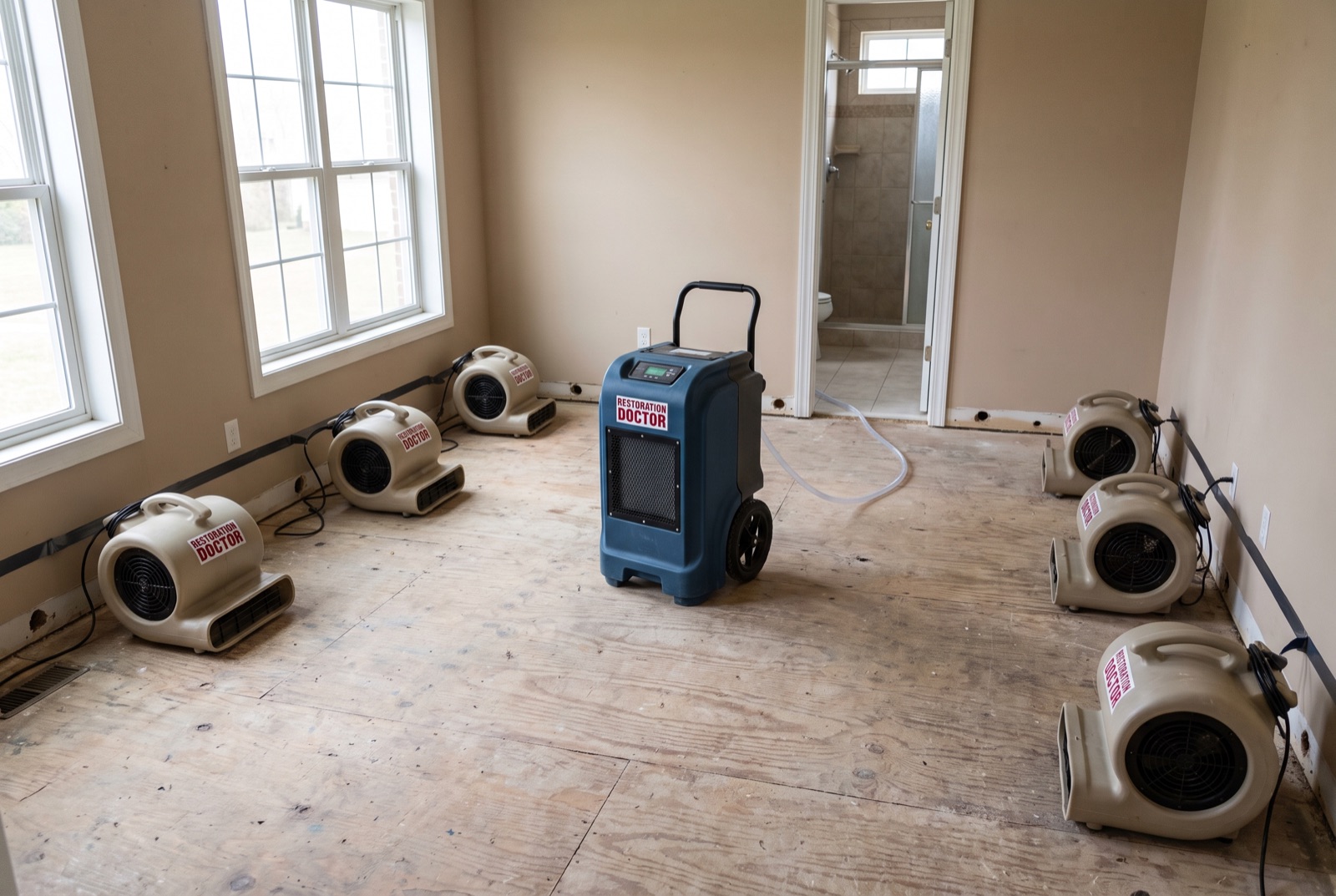
Extraction, structural drying, and moisture verification for burst pipes, appliance leaks, and basement flooding.
Frequently asked
Related questions
How do I choose a water damage restoration company?
What questions should I ask a restoration contractor?
How do professionals dry out a house after water damage?
What is structural drying?
Active water, mold, fire, or sewage event?
Connect directly with the Restoration Doctor team for your region. Crews are on standby 24/7 with documented response protocols.