What questions should I ask a restoration contractor?
Ask six things: How fast can you be here? Are your technicians IICRC-certified? Will I get daily moisture logs and photo documentation? Do you write itemized insurance-compliant estimates? Do your own crews perform the work? And do you handle the rebuild too? Specific, confident answers to all six are the hiring signal.
Questions about capability and speed
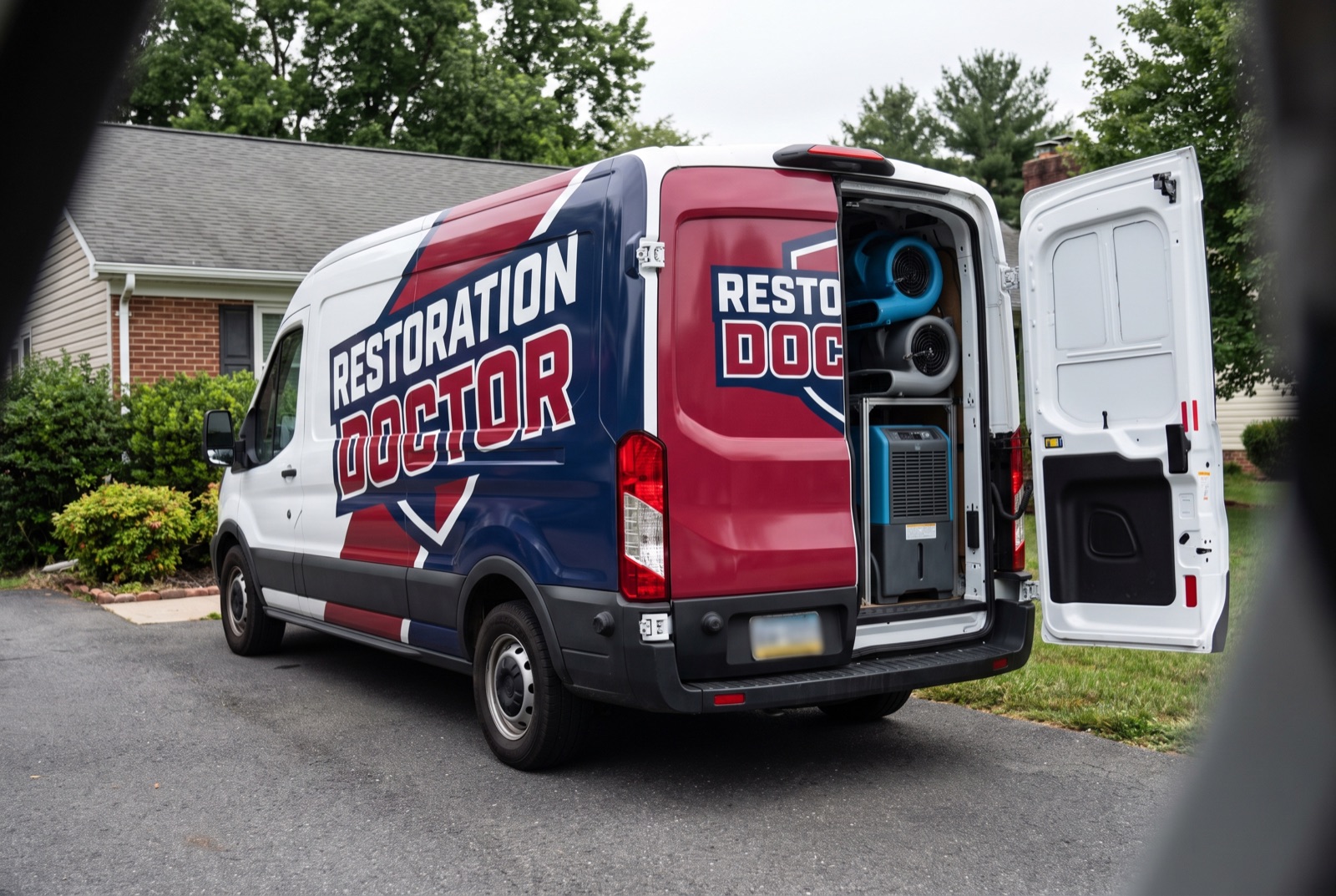
"What's your response time, and will the first crew start work or just look?" A real emergency firm commits to an arrival window and begins extraction on arrival. A firm whose first visit is an estimate appointment is a repair contractor, not an emergency responder — fine for the rebuild phase, wrong for a live loss.
"Are your technicians IICRC-certified, and do you work to the S500 standard?" This is the industry's baseline credential for water damage work. The right answer is a simple yes with specifics — certified technicians, standard-based drying practice. Hedging here is disqualifying, because the S500 is what your insurance carrier will measure the work against anyway.
"Who actually performs the work — your employees or subcontractors?" Neither answer is automatically wrong, but you're entitled to know who will be in your house and whether the firm you vetted is the firm doing the work. In-house crews mean one accountability chain; if subs are involved, ask how they're supervised and insured.
Questions about documentation and money
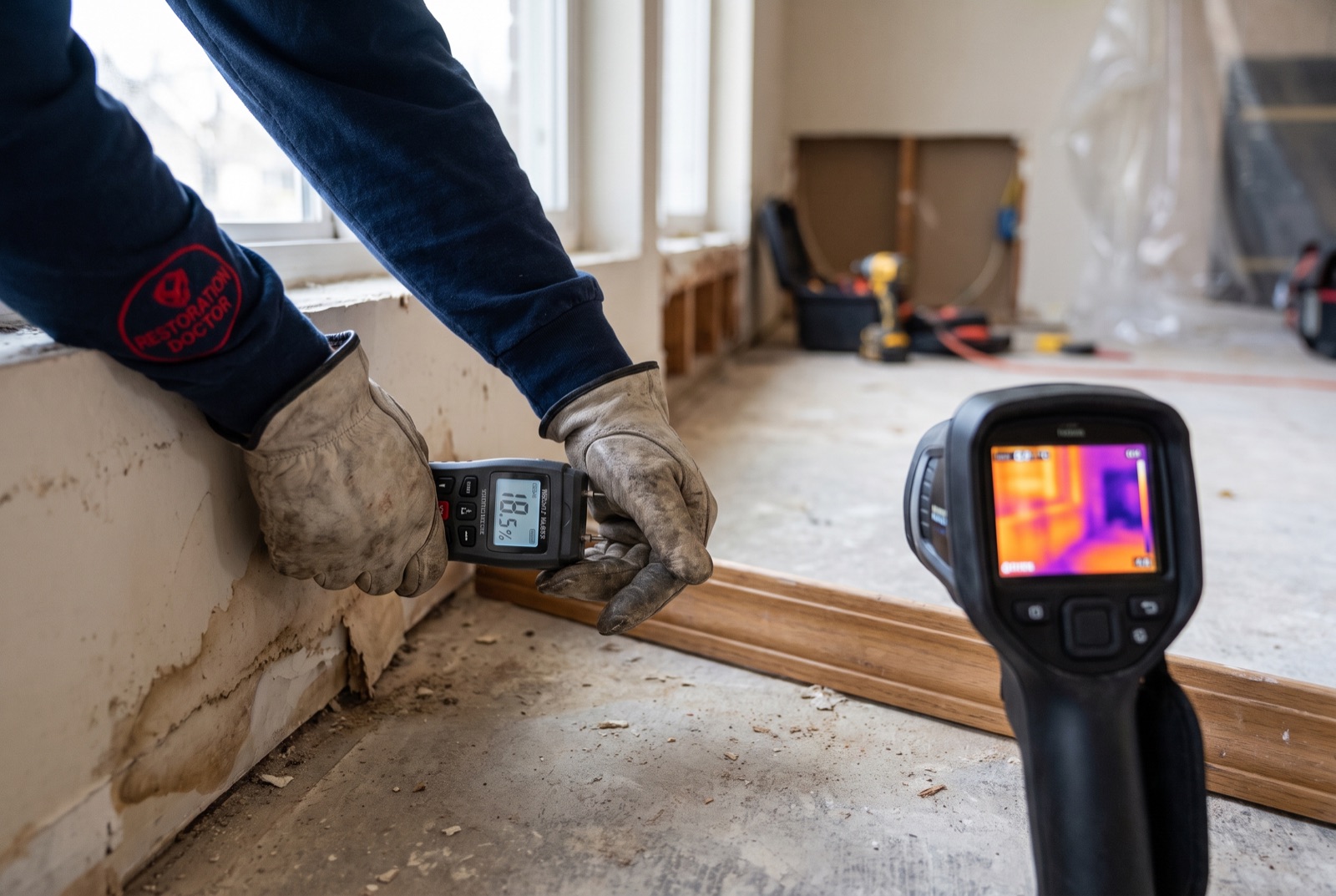
"What documentation will I receive?" The professional answer: arrival photos, a moisture map, daily meter readings until dry standard, equipment logs, and photos at every stage. This record is what your adjuster verifies the claim against — a firm that can't describe its documentation practice can't support your claim.
"Is your estimate itemized, and in what format?" You want line-item scopes in Xactimate — the estimating platform insurance carriers use — not lump sums. Itemization lets everyone see exactly what's being done and priced; lump sums are where disputes live.
"What does your work authorization say about payment?" Read it before signing. Understand what you're authorizing (emergency mitigation now, or the whole job), what happens if the carrier disputes a line, and what your out-of-pocket exposure is. A reputable firm walks you through the document rather than sliding it across for a fast signature. Be wary of any contract that assigns your insurance benefits to the contractor or demands large cash deposits.
Questions about scope and the rebuild
"Do you handle reconstruction, or only mitigation?" Mitigation-only firms dry the house and leave; you then find a general contractor to rebuild, with a coordination seam — and often a documentation gap — between the two. Full-service firms carry the loss from extraction through paint, which keeps one party accountable for the finished result.
"How will you decide what's saved versus replaced?" The right answer references measurement: moisture readings against dry standards, material condition, and water category — not eyeballing. And "Can I see an example job file?" is a fair request that strong firms can satisfy on the spot with a redacted example of their photo and drying documentation.
Reading the answers
The pattern matters more than any single response. Professionals answer specifically, volunteer documents, and never pressure a signature. Evasion on certification, documentation, or pricing structure — or urgency tactics like "this price is only good today" — are the signals to keep looking, even mid-emergency. It costs one more phone call.
Restoration Doctor welcomes every question on this list: IICRC-certified technicians, in-house crews for mitigation and rebuild across Northern Virginia, Maryland, and D.C., daily drying logs, CompanyCam photo documentation on every loss, and itemized Xactimate scopes. Call 1-888-29-FLOOD and run the checklist on us.
Water Damage Restoration
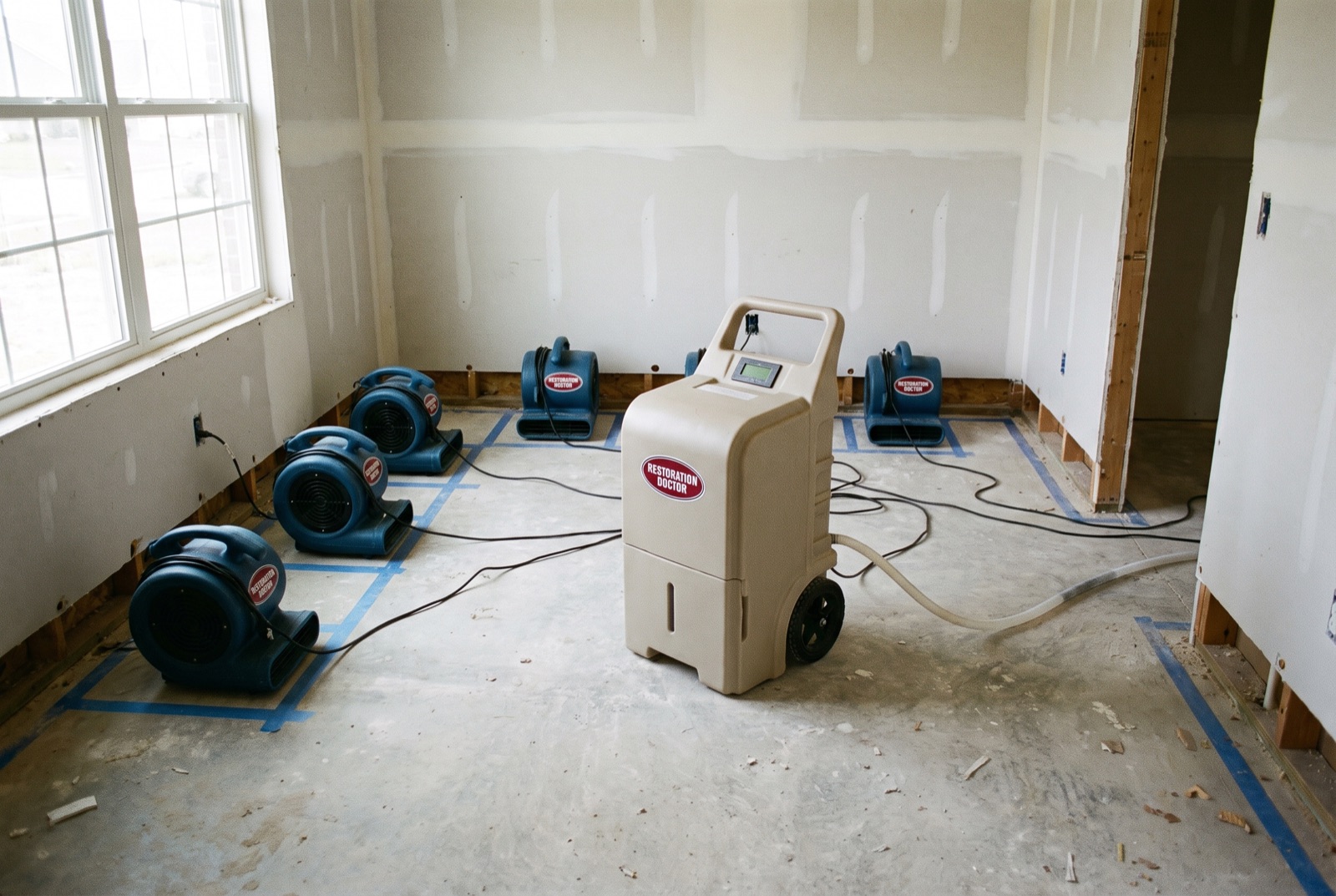
Extraction, structural drying, and moisture verification for burst pipes, appliance leaks, and basement flooding.
Frequently asked
Related questions
How do I choose a water damage restoration company?
What is IICRC certification and why does it matter?
Should I sign a work authorization before insurance approves the claim?
Do restoration companies do the repairs too?
Active water, mold, fire, or sewage event?
Connect directly with the Restoration Doctor team for your region. Crews are on standby 24/7 with documented response protocols.