
Should I sign a work authorization before insurance approves the claim?
For emergency mitigation, yes — your policy requires you to prevent further damage promptly, and drying cannot wait for claim approval without the loss growing. But read before signing: understand the scope you're authorizing, the payment terms, and your out-of-pocket exposure, and be cautious with assignment-of-benefits language or full-rebuild contracts signed under pressure.
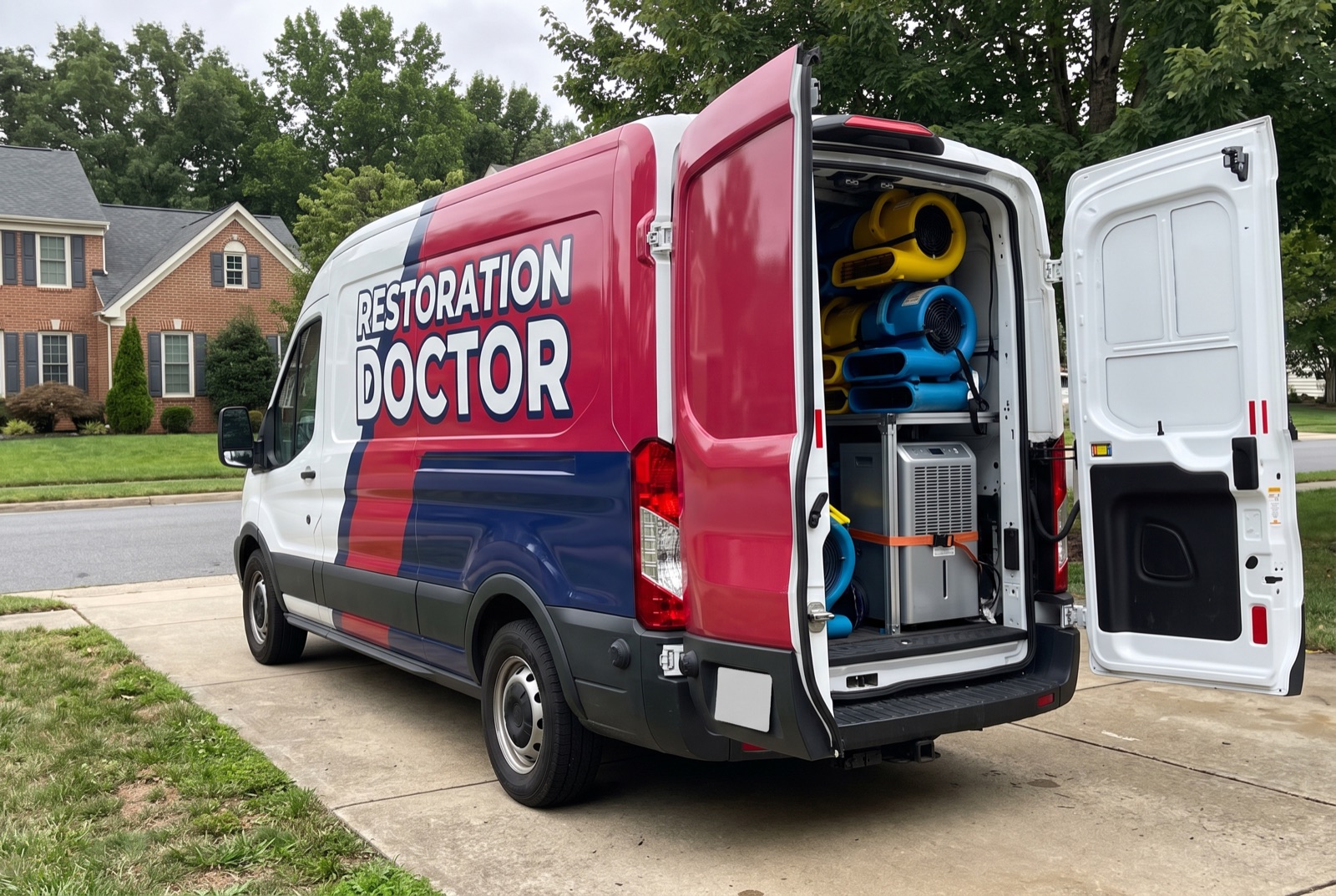
Why emergency work legitimately precedes approval
The timing feels backwards — committing to work before the carrier has approved paying for it — but it's how the system is designed. Homeowner policies impose a duty on the insured to take reasonable steps to protect the property from further damage after a loss. Mitigation is that duty in action. Meanwhile, the physical clock doesn't pause for claims processing: EPA guidance is to dry water-damaged materials within 24 to 48 hours to prevent mold growth, and drywall, flooring, and framing degrade with every day of saturation.
Waiting for an adjuster before starting mitigation is therefore the worst of both worlds: the damage grows, and the growth itself can raise coverage questions, since carriers can reduce payment for damage that reasonable promptness would have prevented. Emergency mitigation now, claim processing in parallel, is the sequence both the policy and the physics expect.
What a work authorization actually is
A work authorization is your written permission for the contractor to perform services on your property, and it establishes the payment relationship. Legitimate ones for emergency mitigation state the scope in plain terms (emergency water mitigation — extraction, drying, monitoring), how pricing is determined (typically industry-standard rates in Xactimate, the estimating platform carriers use), who is expected to pay, and what happens if insurance pays only part.
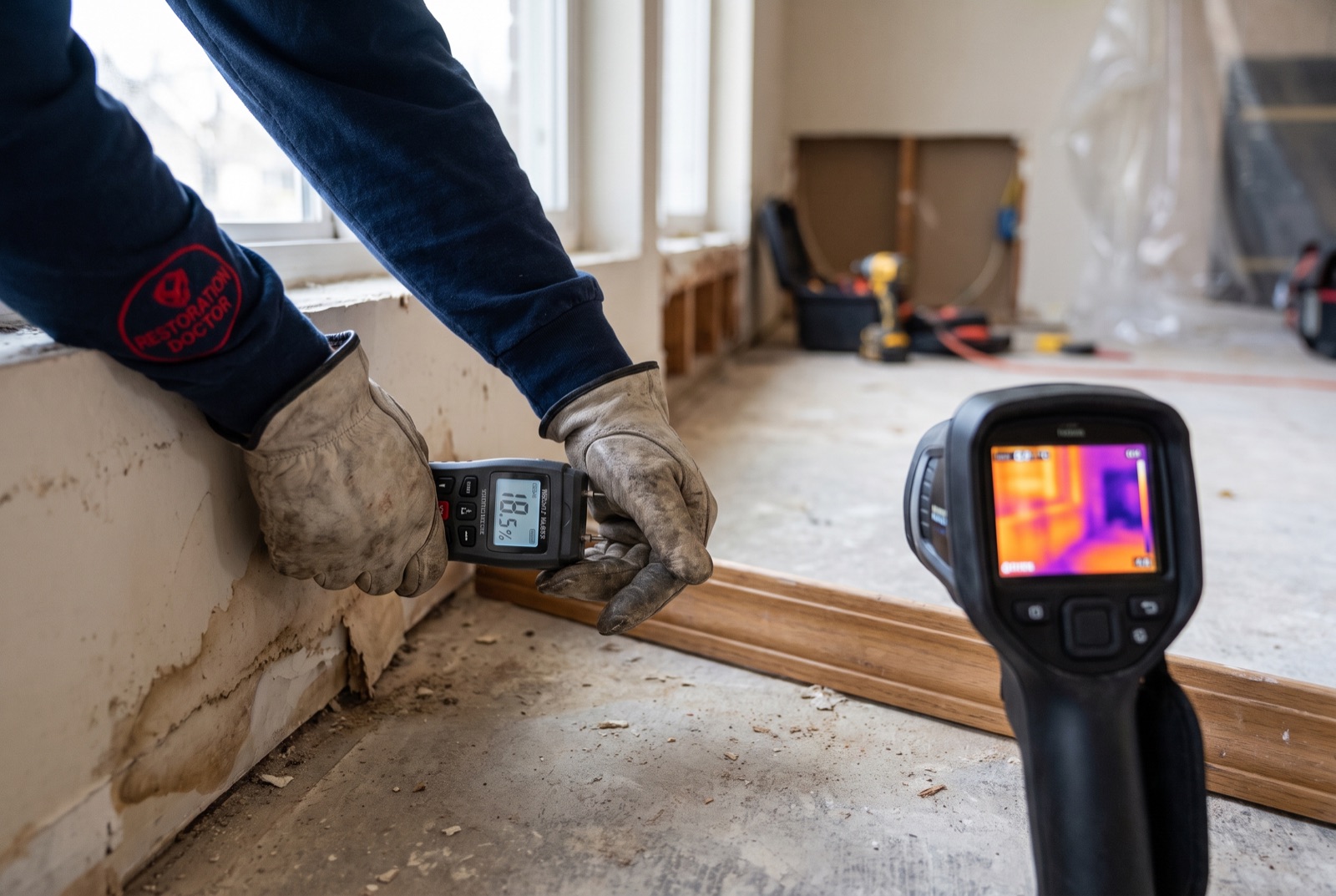
That last term deserves your attention: in nearly all authorizations, the homeowner remains ultimately responsible for the bill — insurance proceeds are the expected source of payment, not a condition of it. That's standard and reasonable; the carrier insures you, not the contractor. What makes it safe is documentation: work performed and papered to IICRC S500 standards, at itemized industry rates, is precisely the work carriers routinely pay on covered losses.
What to read for — and what to be wary of
Before signing, confirm four things. Scope: are you authorizing emergency mitigation only, or the entire rebuild? Signing the full project at 2 a.m. under pressure is unnecessary — mitigation-only authorization is normal, and the rebuild can be contracted deliberately later. Pricing basis: itemized industry-standard rates, not a blank check. Cancellation and dispute terms: what happens if you part ways after drying. And any assignment-of-benefits clause: language transferring your claim rights to the contractor. You don't need to assign your claim to get emergency service, and keeping the claim in your name keeps you in control.
The wariness list is short but firm: pressure to sign a whole-job contract immediately, demands for large cash deposits, promises that insurance "will cover everything" (no contractor controls coverage — that's your policy and your carrier's determination), and reluctance to leave you a copy of what you signed.
How the well-run version goes
In a well-run loss, the sequence is calm even when the water isn't: the crew walks you through a mitigation-scope authorization, explains pricing basis and your responsibilities, leaves you the copy, and starts extraction. Documentation accumulates from the first arrival photo — moisture maps, daily drying logs, itemized scope — so that when the adjuster engages, the file answers the questions before they're asked. You report the claim promptly in parallel; mitigation and claim processing run side by side.
That's how Restoration Doctor runs authorizations: mitigation-scope signing with plain-language terms, itemized Xactimate pricing, no assignment of benefits required, and a CompanyCam-documented file your adjuster can verify line by line. If you're standing in water deciding what to sign, call 1-888-29-FLOOD — we'll tell you exactly what the document says before you sign it.
Water Damage Restoration
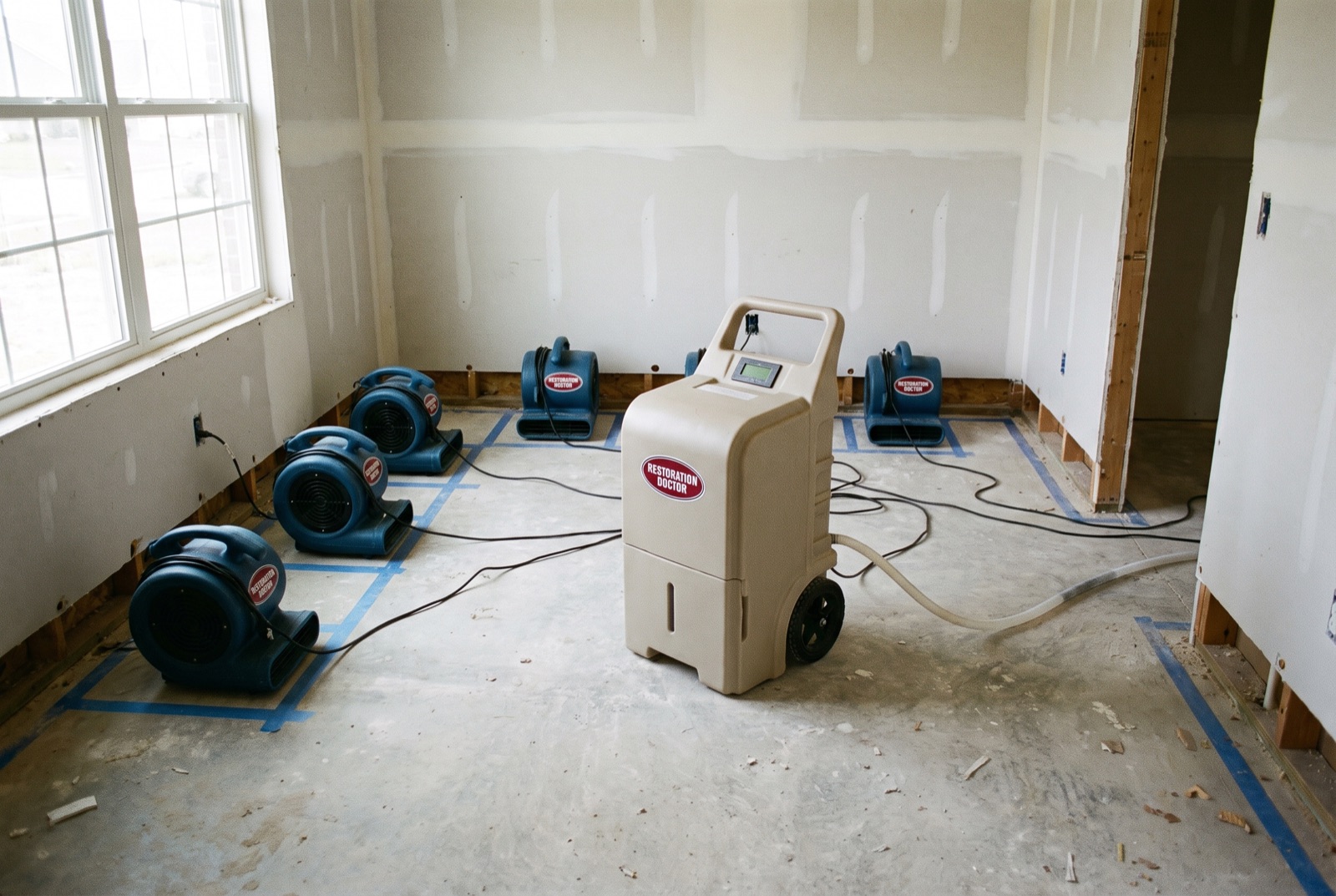
Extraction, structural drying, and moisture verification for burst pipes, appliance leaks, and basement flooding.
Frequently asked
Related questions
Do I have to use the restoration company my insurance recommends?
What questions should I ask a restoration contractor?
What is the difference between water mitigation and restoration?
Should I call a restoration company or my insurance company first?
Active water, mold, fire, or sewage event?
Connect directly with the Restoration Doctor team for your region. Crews are on standby 24/7 with documented response protocols.