
What is the difference between water mitigation and restoration?
Mitigation is the emergency phase: extraction, removing unsalvageable materials, and drying the structure to stop damage from spreading. Restoration is the repair phase: rebuilding and refinishing what the loss took. Insurers commonly handle them as separate scopes — mitigation proceeds immediately as a policy duty, while restoration is scoped and approved afterward.
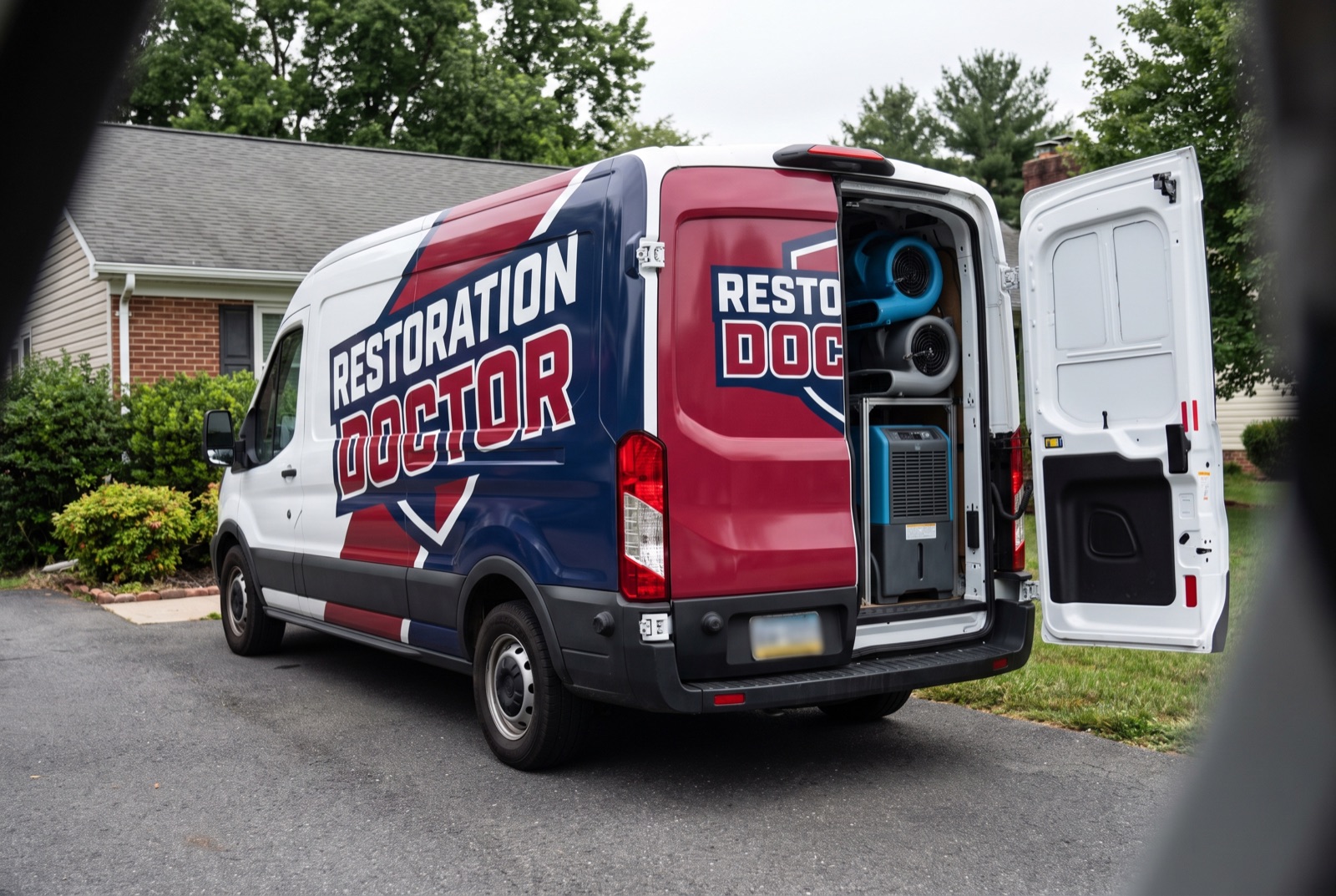
Mitigation: stop the bleeding
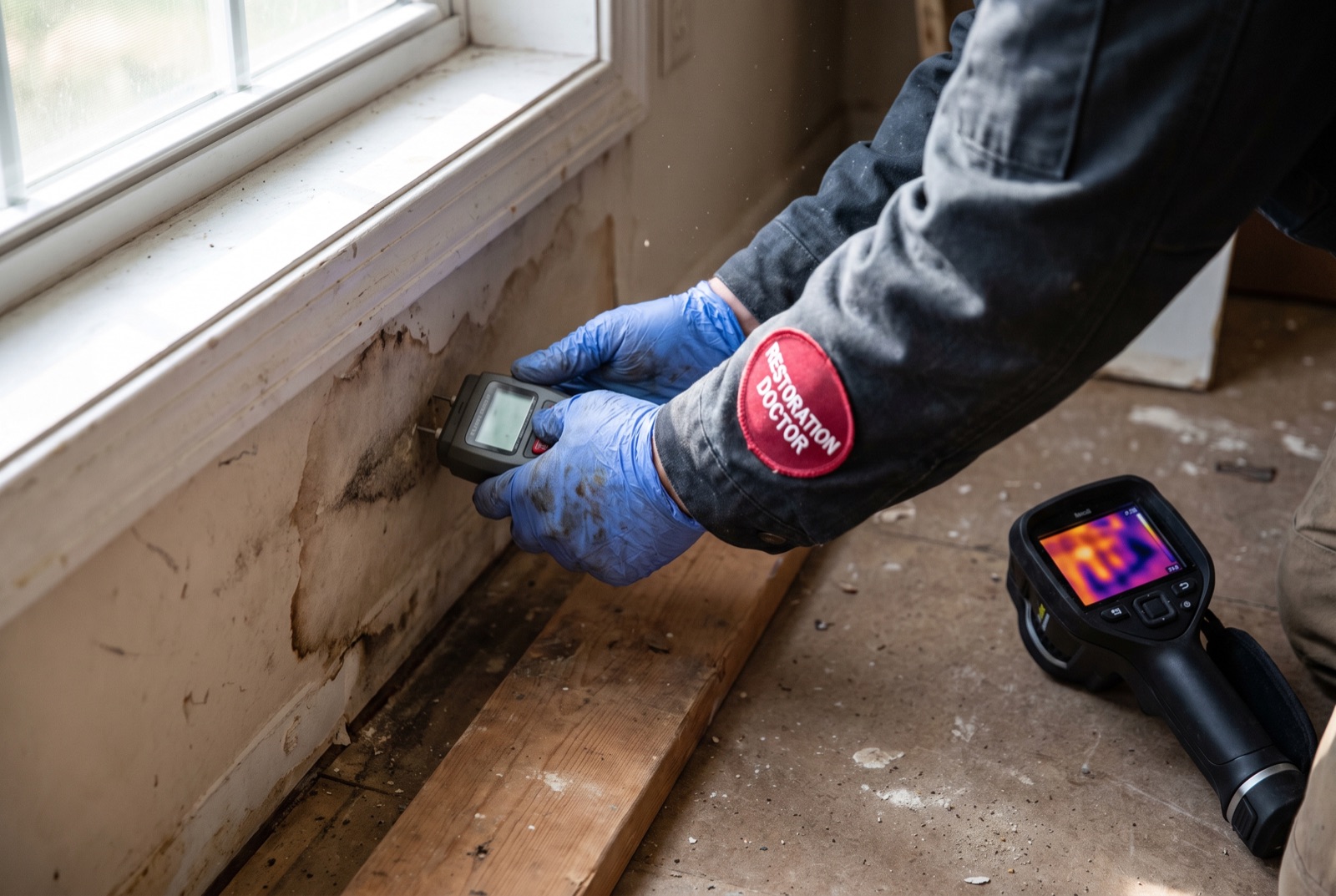
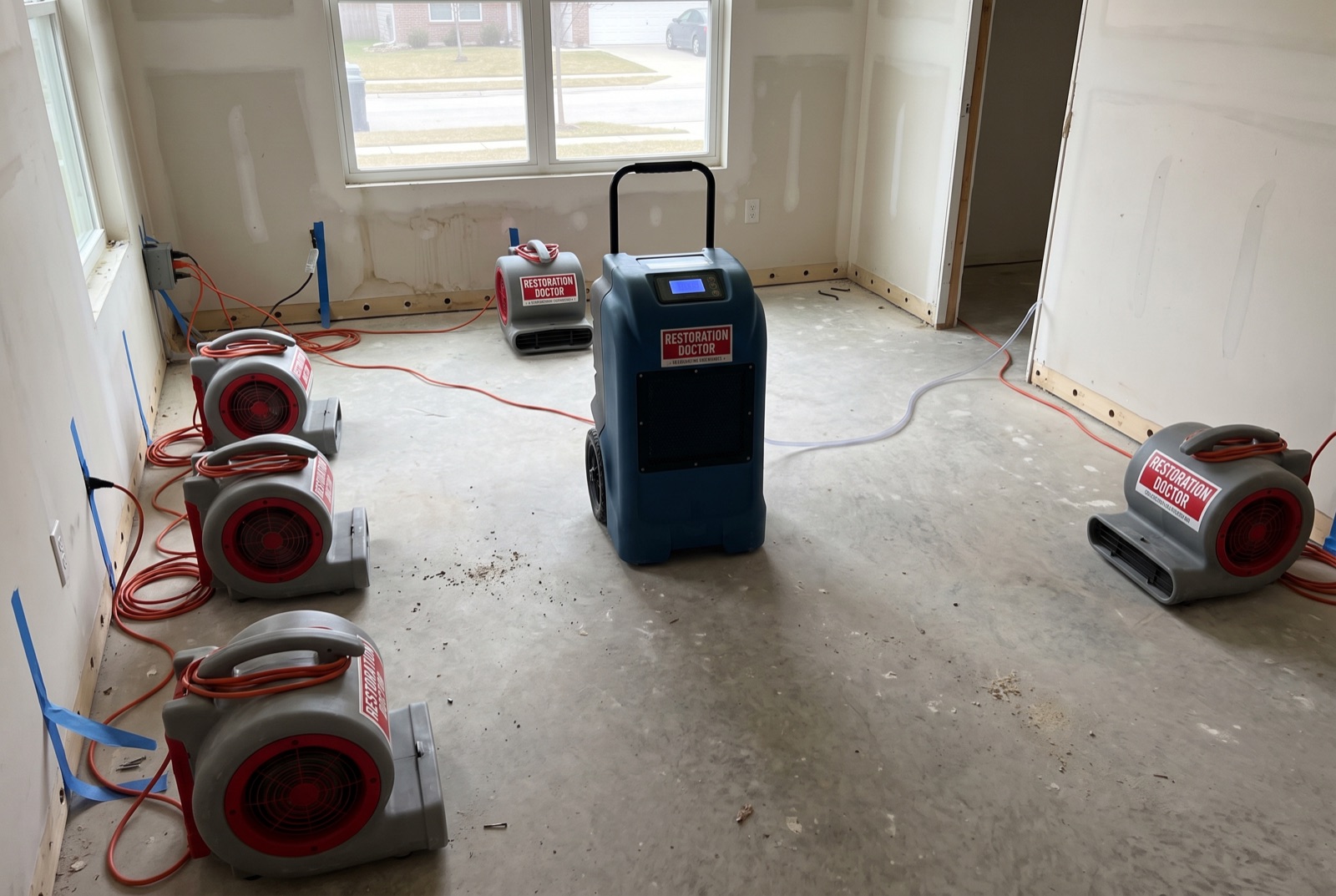
Mitigation is everything done urgently to prevent a loss from getting worse. It includes stopping the source, extracting standing water, removing materials that can't be saved (soaked pad, saturated drywall, contaminated porous items), setting drying equipment, applying antimicrobial treatment where warranted, and monitoring daily until the structure reaches dry standard. Its defining feature is the clock: mitigation exists because water damage compounds hourly, and materials that stay wet past 24 to 48 hours are at risk for mold.
Mitigation is also a policy obligation. Homeowner policies require the insured to take reasonable steps to protect the property from further damage after a loss — which is why mitigation properly starts immediately, before an adjuster visits and before the claim is fully processed. Waiting for approval to begin drying is the classic mistake; the policy expects the opposite.
Restoration: rebuild what was lost
Restoration (in the narrow sense adjusters use — you'll also hear "repairs" or "reconstruction") begins once the structure is verified dry. It's construction work: hanging and finishing drywall at the flood-cut lines, replacing insulation and flooring, running trim, painting, and refinishing — everything needed to return the home to pre-loss condition.
Unlike mitigation, restoration is not an emergency, and it follows a different rhythm: the scope is written, priced line by line, agreed with the carrier, and then scheduled. This is where material selections happen, where matching questions get settled (replacing flooring to a logical break so the finish reads uniform, for example), and where a few days of patience buys a better result rather than more damage.
Why insurers split them — and why it matters to you
Carriers commonly process the two phases as separate scopes with separate approvals, sometimes even separate checks. Mitigation is evaluated on documented necessity — the moisture map, drying logs, and equipment records justify what was done urgently. Restoration is evaluated as a construction estimate — line-item pricing for the rebuild, agreed before work proceeds.
For you, the practical implications: don't wait for claim approval to mitigate (the policy requires promptness, and delay grows the loss and invites coverage questions about the growth); do expect the rebuild scope to take some back-and-forth before work starts; and understand that a work authorization for emergency mitigation is not necessarily a contract for the entire rebuild — read what you're signing at each phase. Note also that many mitigation-only companies stop at "dry," leaving you to source a rebuild contractor mid-claim.
One contractor or two?
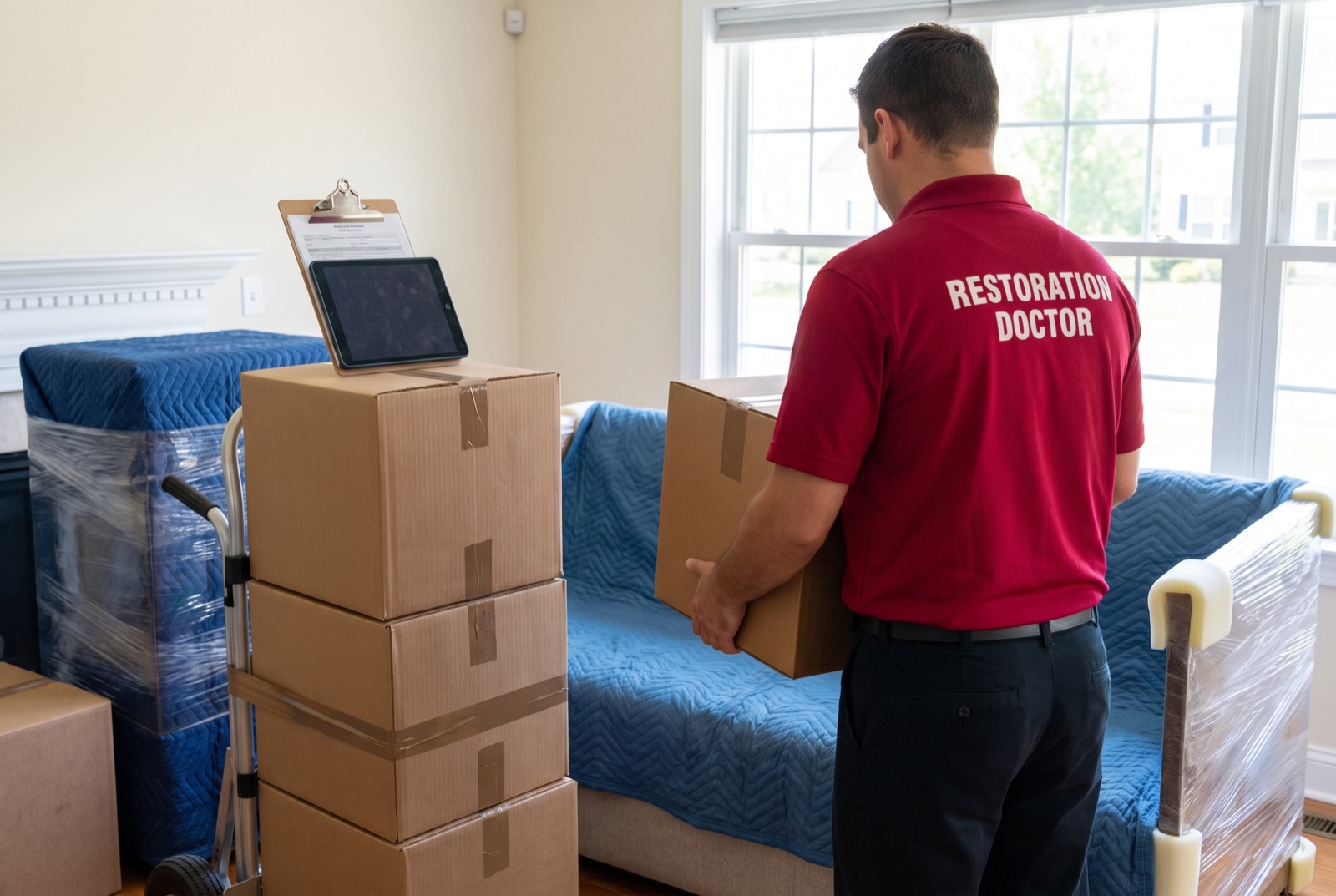
Because the phases are distinct, some homeowners end up with a mitigation firm and a separate rebuild contractor. It works, but it creates a seam: two mobilizations, two documentation styles, and a handoff where details — exact flood-cut heights, what was removed and why — can get lost between parties.
A full-service firm closes the seam. Restoration Doctor performs both phases with in-house crews, so the moisture map that justified the demolition is the same file the rebuild is scoped from, and one party is accountable for the finished room. The CompanyCam photo trail runs unbroken from first extraction to final paint. Whether your loss is at hour one or already dried and waiting on a rebuild, call 1-888-29-FLOOD.
Water Damage Restoration
Extraction, structural drying, and moisture verification for burst pipes, appliance leaks, and basement flooding.
Frequently asked
Related questions
What is the water damage restoration process step by step?
Should I sign a work authorization before insurance approves the claim?
Do restoration companies do the repairs too?
What does a water damage restoration company do?
Active water, mold, fire, or sewage event?
Connect directly with the Restoration Doctor team for your region. Crews are on standby 24/7 with documented response protocols.