
Water Damage, Mold & Insurance Guides
Straight answers for homeowners across Northern Virginia, Maryland, and D.C. — what to do first, what insurance covers, and how the restoration process actually works.
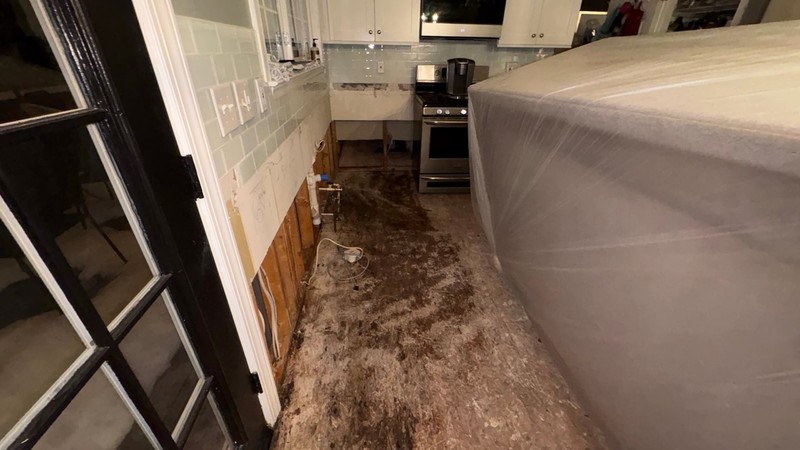
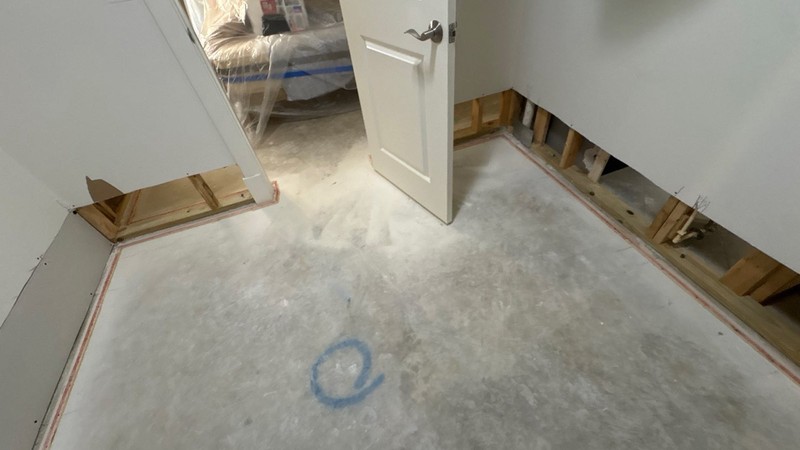
Mold vs Mildew: Which Do You Need to Worry About?
Mildew is a surface problem you can usually wipe away; mold has roots and a water source feeding it. Here's a 30-second visual test to tell the difference and know when to call a pro.
READ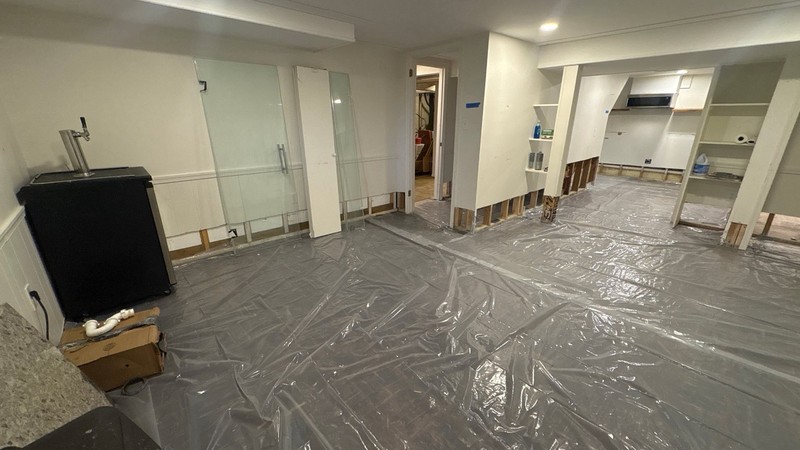
How to Prevent Mold in Your Basement: The DMV Checklist
Mold in a basement is a water problem in disguise. Here is the DMV-specific checklist—grading, downspouts, sump pumps, dehumidifiers, and encapsulation—to keep moisture (and mold) out for good.
READ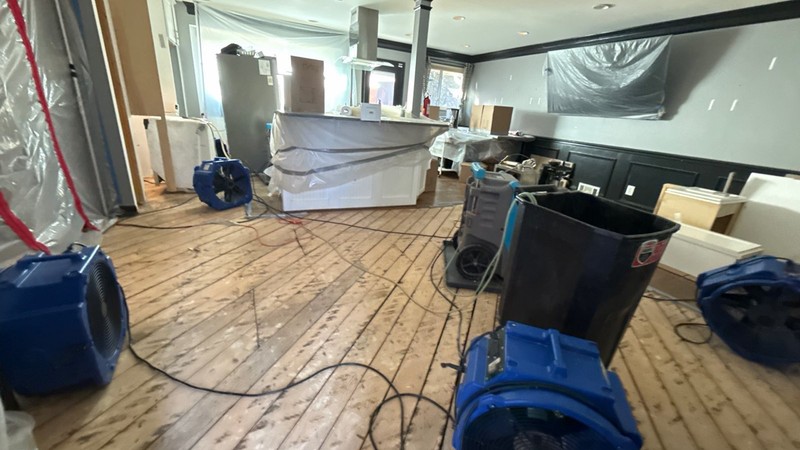
Can Mold Make You Sick? A Symptom-to-Source Guide for Homeowners
Mold really can make you sick, from allergy flares to asthma attacks and, in rare cases, serious infections. Here's how to map your symptoms to the source and what to do next.
READ
Appraisal Clause: Insurance Claim Amount Disputes in Virginia
Virginia requires homeowners policies to carry an appraisal condition. It settles the amount of a loss, not whether the loss is covered, and that distinction is the whole question.
READ
Who Actually Cut Your Estimate? Desk Reviews Explained
The person who struck a line from your estimate is often not the person who walked your building. Here is who reads the file, and what Virginia requires an insurer to disclose about its own reductions.
READ
Flood Claims Are Different: Overhead and Profit on an NFIP Claim
The federal flood manual both allows a general contractor markup for coordination and lists building dry-out among the trades not counted when estimating it. Here is what each rule says.
READ
Why Your Restoration Deposit Equals Your Insurance Deductible
You hold the contract, not your carrier. Here is why the deposit is set at your deductible, what it confirms, and when the balance is due.
READ
Can Your Insurer Deny Overhead and Profit in Virginia?
The overhead-and-profit line is a general contractor coordination charge, not a markup on every task. Here is what it covers and what a written denial has to say.
READ
The Three-Trade Rule Is Not in Your Insurance Policy
Told your job “does not involve three trades”? That count is a rule of thumb with no home in any statute, regulation or reported decision we could locate.
READ
Does Xactimate Pricing Include Overhead and Profit?
The publisher of the price list says its unit prices are not designed to include general or job-related overhead and profit. Here is what they do include.
READ
How to Dispute an Adjuster's Estimate in Virginia
Virginia's claims rules govern the carrier's estimate, its written explanation and its claim file. Here is what they say, and what to ask for.
READ
How Long Should Drying Equipment Run, and Who Decides?
The machines come out when the wet materials reach a goal measured in your own building, not after a set number of days. Here is what that record has to show.
READ
Who Pays for Water Mitigation, and Who Owes the Difference?
The contract sets what you owe the contractor and the policy sets what your carrier owes you. Here is what Virginia's rules require in writing when those two numbers do not match, and the order to ask in.
READ
Filing a Virginia Bureau of Insurance Complaint: What to Attach
A regulator complaint is a paperwork exercise. Here is what the Bureau of Insurance says it can and cannot do, what its own form asks for, and what to attach.
READ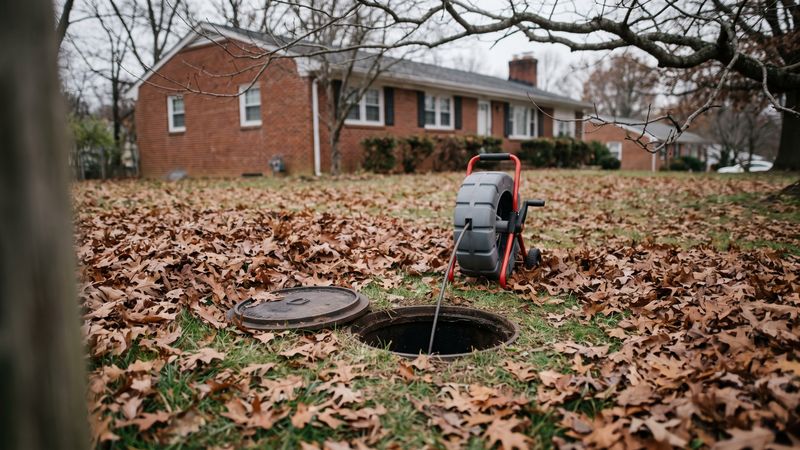
Why Your Sewer Lateral Backs Up Every Autumn: Tree Roots and Orangeburg Pipe
Two Northern Virginia causes explain most repeat basement backups: roots finding a joint, and 1940s-to-1970s fiber pipe going oval. Here is how to tell.
READ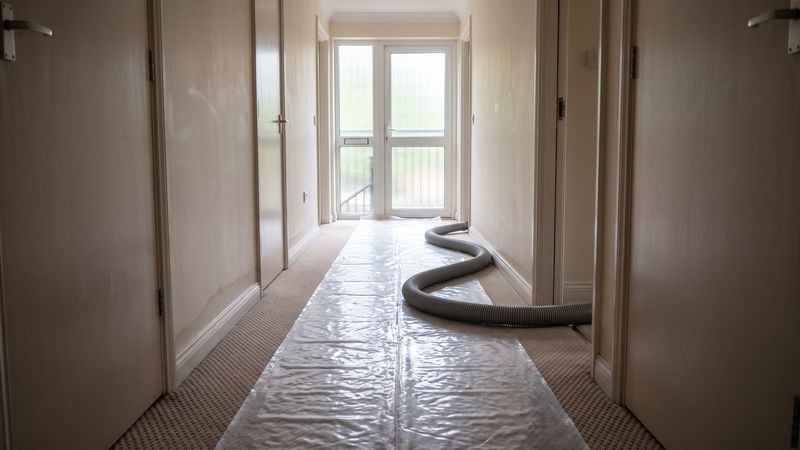
Multi-Unit Water Loss: A Property Manager's First 24 Hours
The first-24-hours runbook for a stacked water loss: scope the wet units, notify residents and the board, control access, and sequence drying building-wide.
READ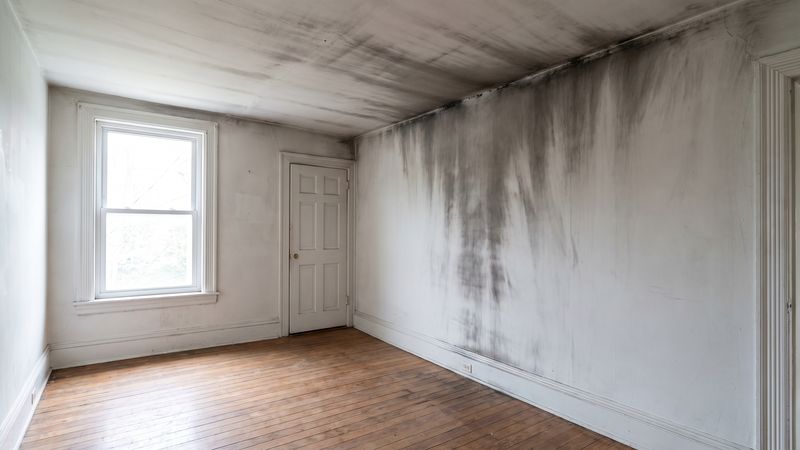
Smoke Damage From a Neighbor's Fire: Who Pays for the Cleanup?
Your neighbor's unit caught fire and yours filled with smoke. Three policies can respond, and the one that moves first is rarely the one at fault.
READ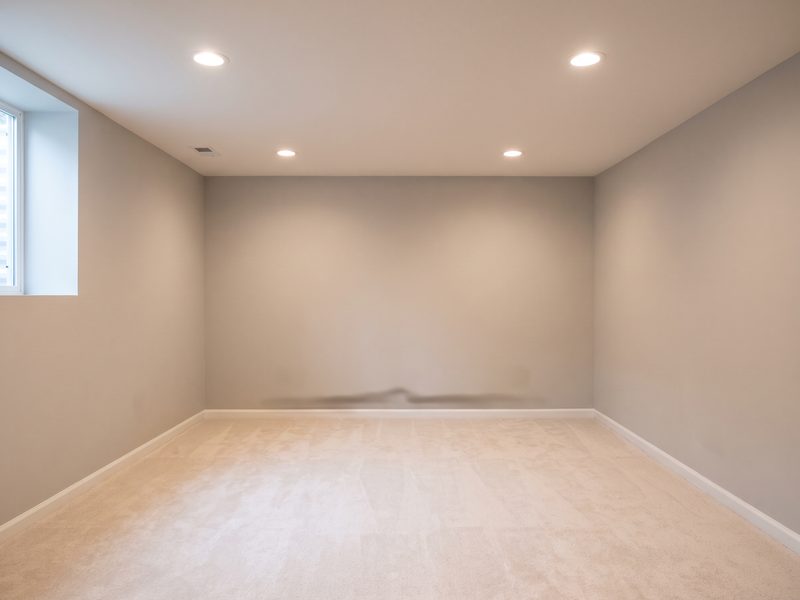
Selling a Virginia House With Past Water Damage: Disclosure and CLUE
Virginia uses a buyer-beware disclosure statement, not a condition questionnaire. Here is what a past water loss still reveals, and what paperwork protects your sale.
READ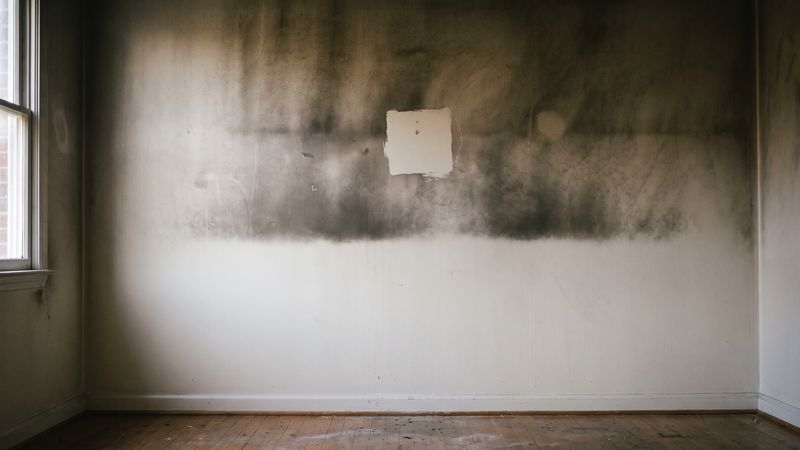
Wet Smoke vs Dry Smoke Damage and Protein Residue: How We Tell Them Apart
Wet smoke, dry smoke, protein residue and puffback soot clean differently. Here is how a restorer identifies the residue before touching a wall.
READ
Insurance Claim Response Deadlines in Virginia, DC and Maryland
Virginia gives your insurer 15 calendar days to acknowledge a claim and 15 more to decide it after proof of loss. Here is how DC and Maryland differ.
READ
Is Your Mold Remediation Contractor Licensed in Virginia, DC or Maryland?
Three jurisdictions, three different answers. Here is what a Virginia contractor license actually covers, what DOEE requires in the District, and how to check.
READ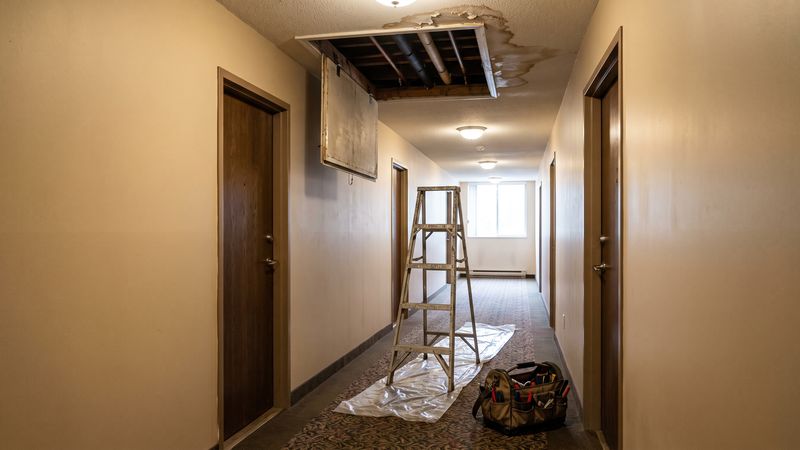
Condo Master Policy Deductible in Virginia: Who Pays After a Leak
All-in or bare-walls decides where the master policy stops and your HO-6 starts. How a Virginia condo water loss splits, and who pays the deductible.
READ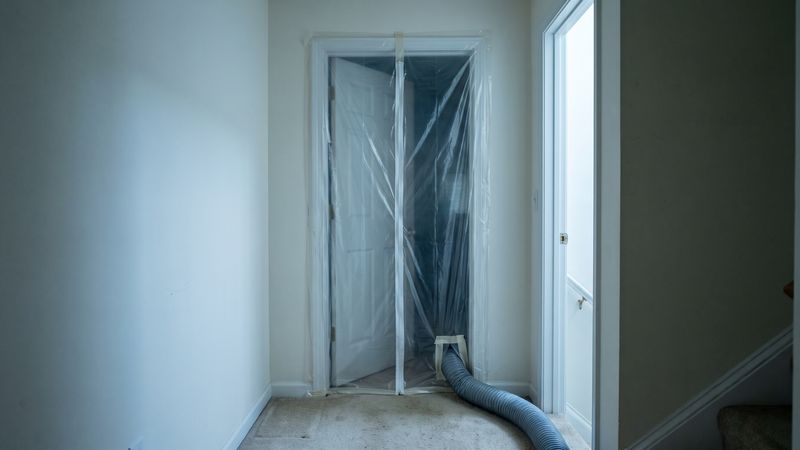
Plastic, Negative Air and HEPA: When a Mold Job Needs Containment
The plastic sheeting is not theater. Here is what mold containment and negative air are built to do, and how a correct chamber looks from outside.
READ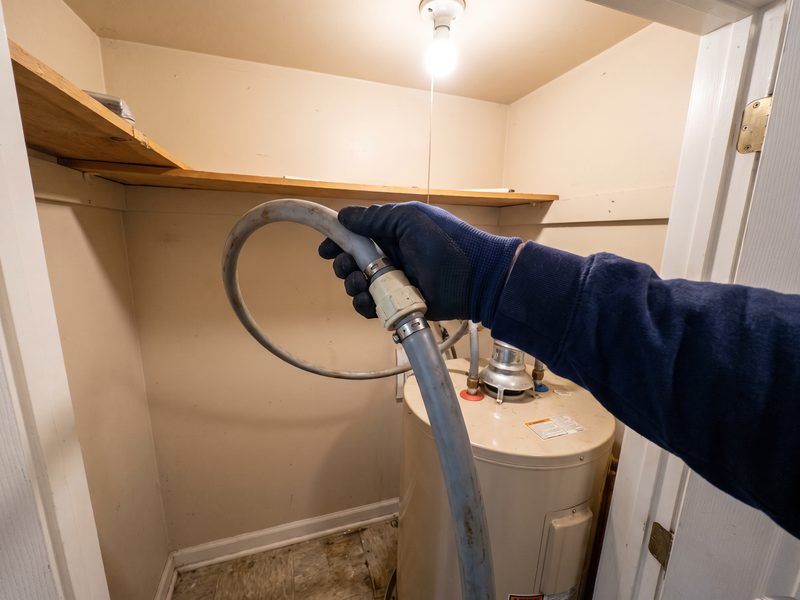
Polybutylene Pipe in Northern Virginia: Build Years and What Fails
Gray polybutylene supply pipe went into Northern Virginia houses from about 1978 to 1995. Here is how to identify it and why it fails at the fittings.
READ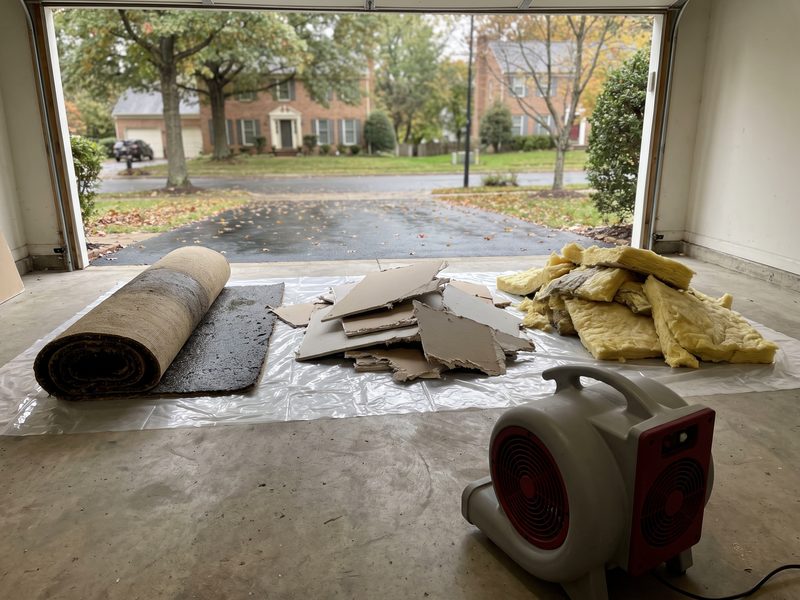
Dries, Gets Cut, or Gets Thrown Away: What Water Damaged Materials Can Be Saved
What water damaged materials can be saved, material by material: what dries in place, what gets cut back to a clean line, what leaves the building.
READ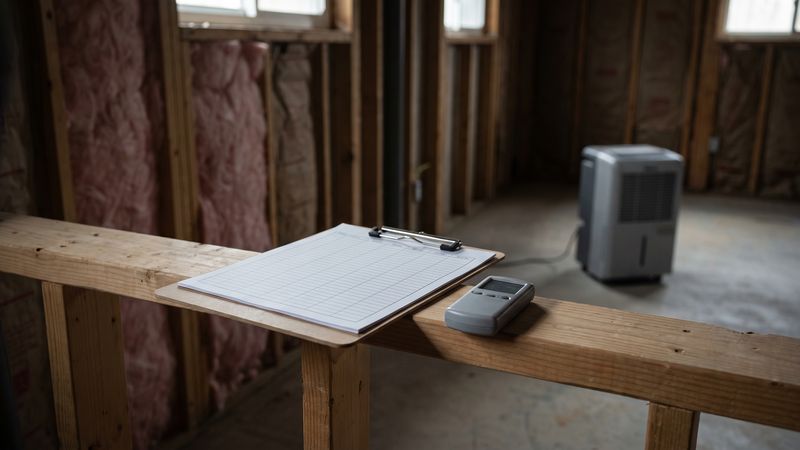
How to Read a Drying Log: GPP, Grain Depression and What Counts as Dry
Grains per pound, grain depression, dew point and material moisture content are the four numbers on a drying log. Here is how to read each one.
READ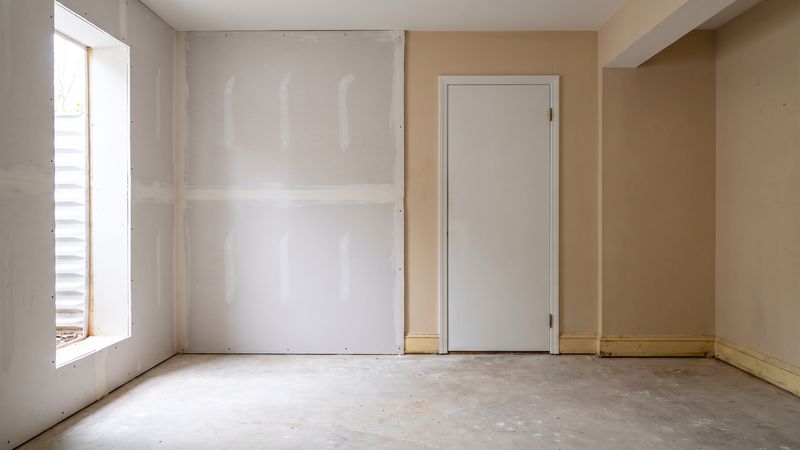
RCV vs ACV and Recoverable Depreciation on a Virginia Water Damage Claim
The first check on a water loss is usually the actual cash value, not the whole claim. Here is how the depreciation holdback works and what releases it.
READ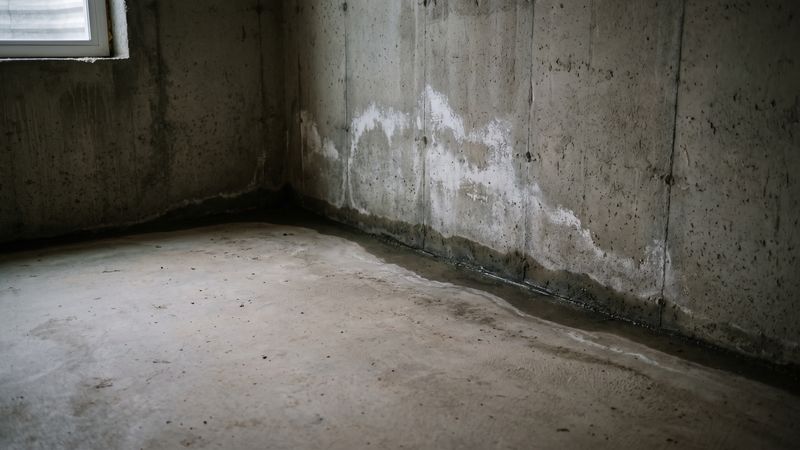
Marine Clay Basement Water in Fairfax County: Wet Basement, No Leak
Why basements east of I-95 take water hours after the rain with no burst pipe and no visible crack, and which repairs actually relieve the pressure.
READ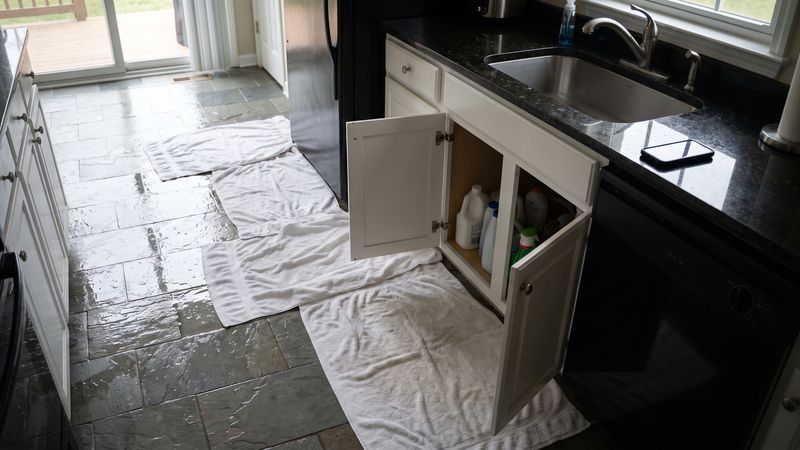
Who to Call First After a Water Leak: Plumber, Mitigation or Adjuster?
Four trades touch a water loss and only one should get the first call. Here is the order, what each call must accomplish, and when nobody is needed.
READ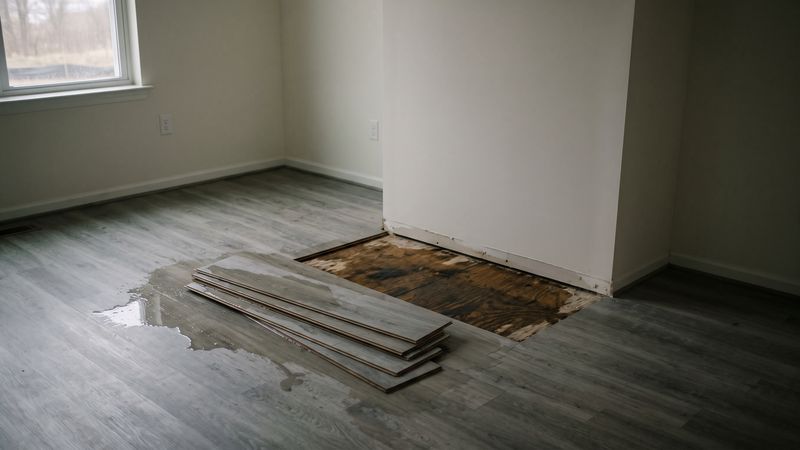
Is Vinyl Plank Really Waterproof? What Happens When Water Gets Under LVP
The plank survives. The plywood and the underlayment under it often do not. Here is how to find out which, before mold decides for you, and what waiting costs.
READ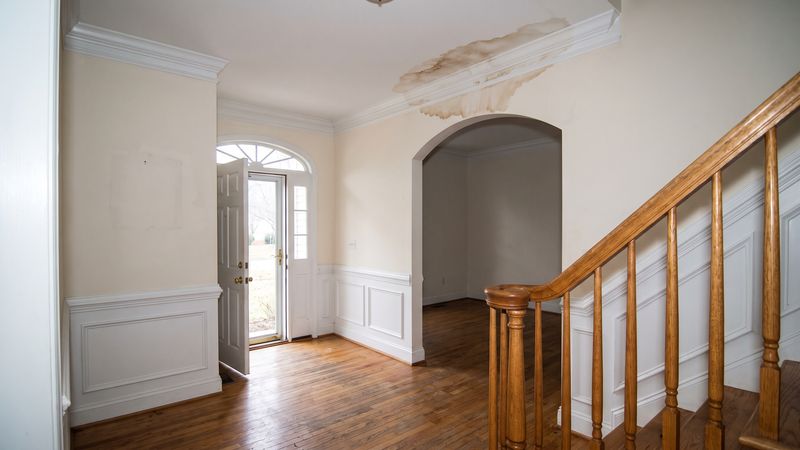
Insurance Preferred Vendor Restoration Program: What It Cannot Change
Your adjuster offered a contractor. Here is what a preferred vendor program is, who the warranty runs to, and how to decline it cleanly.
READ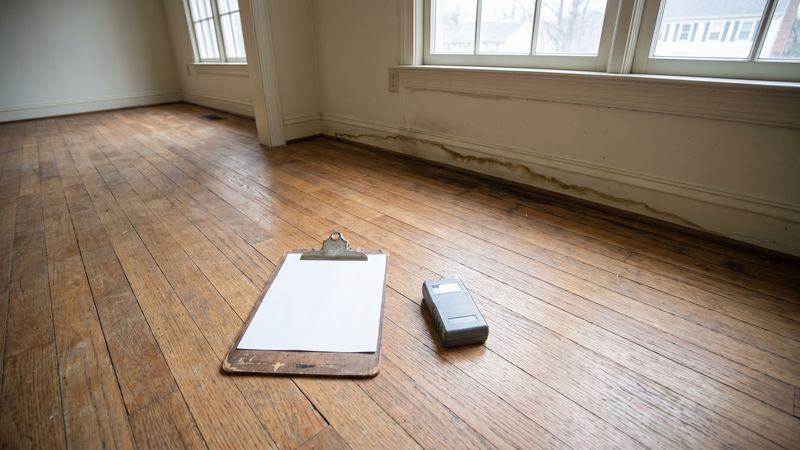
What a Carrier-Ready Drying File Contains: Water Damage Claim Documentation
The drying file is the evidence chain an adjuster reads before paying a water damage claim. Here is what belongs in it, and what most often gets left out.
READ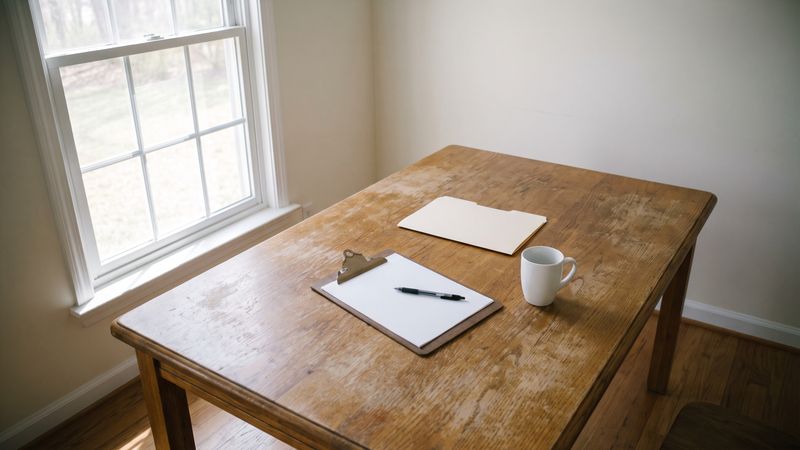
How to Read a Water Mitigation Invoice: Unit-Days and What to Question
A mitigation invoice is a list of measured units, not a lump sum. Here is what unit-days, labor hours and antimicrobial lines pay for, and what to question.
READ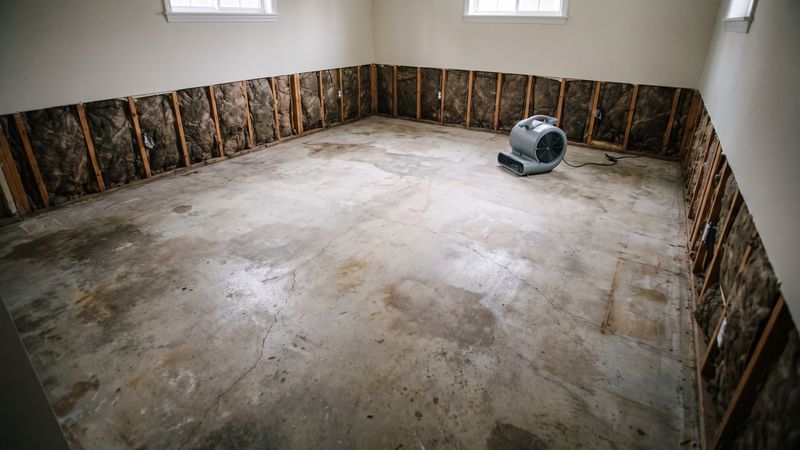
Water Damage Class 1, 2, 3 and 4: How Restorers Size the Drying Job
Category tells you how dirty the water is. Class tells you how much wet material there is, and it is class that sets the machine count and the days.
READ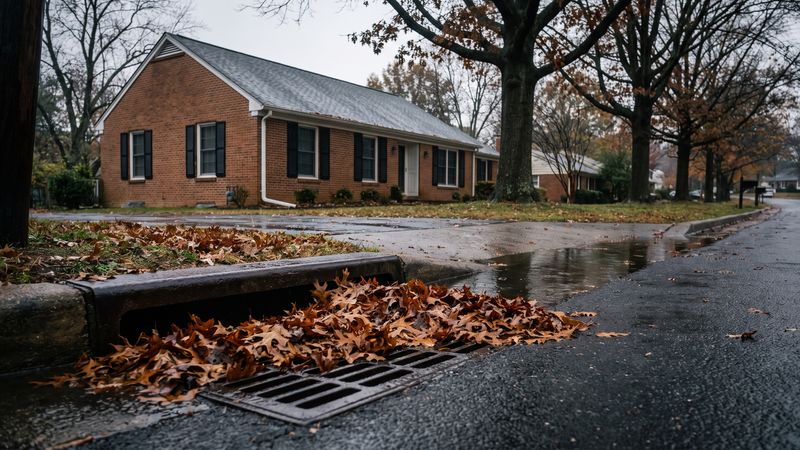
The Northern Virginia Water-Loss Calendar: Which Emergency Peaks in Which Month
A month-by-month map of Northern Virginia water losses: remnant rain, freeze splits, a late-winter water table, and a summer dew point that grows mold.
READ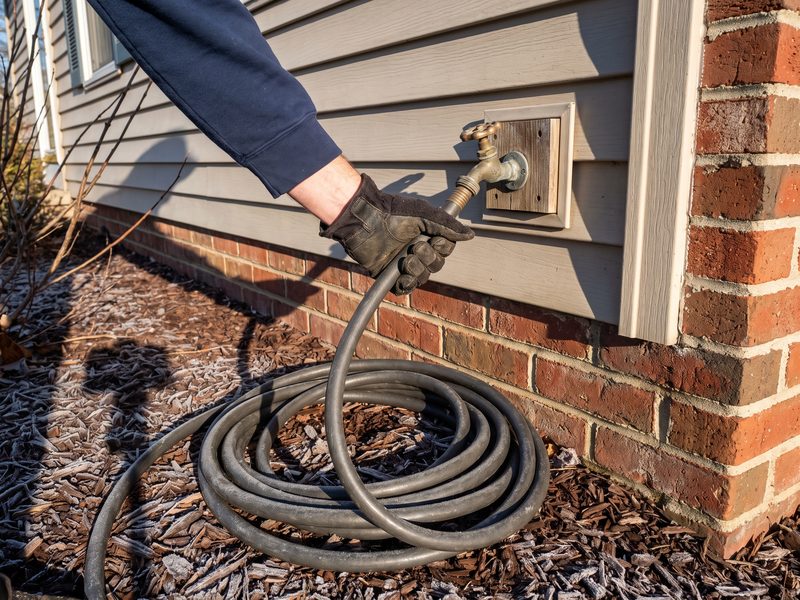
The Outdoor Spigot Froze and Burst: The Leak That Shows Up Inside the Wall
A hose left attached through the first hard freeze splits the line inside your wall in December, and the ceiling gets wet in April. Here is how to stop it.
READ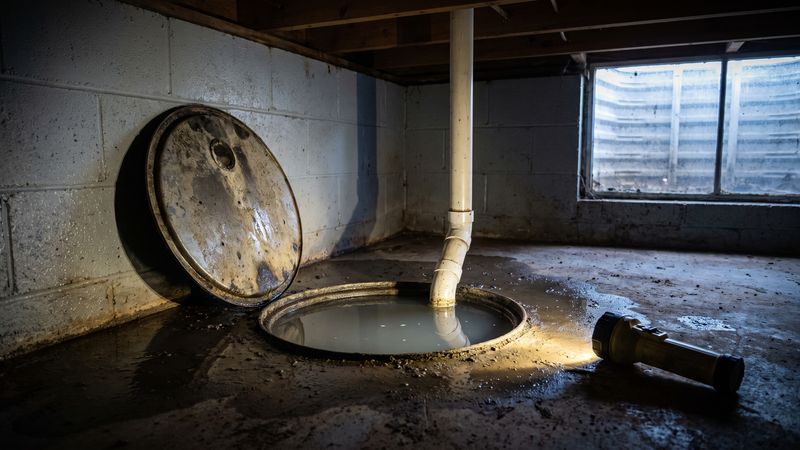
Your Sump Pump Quit Mid-Storm: The Fifteen-Minute Decision When the Power Is Out
The pump is fine, the power is not, and the pit is still filling. Here is the fifteen-minute sequence for a Northern Virginia basement in a storm.
READ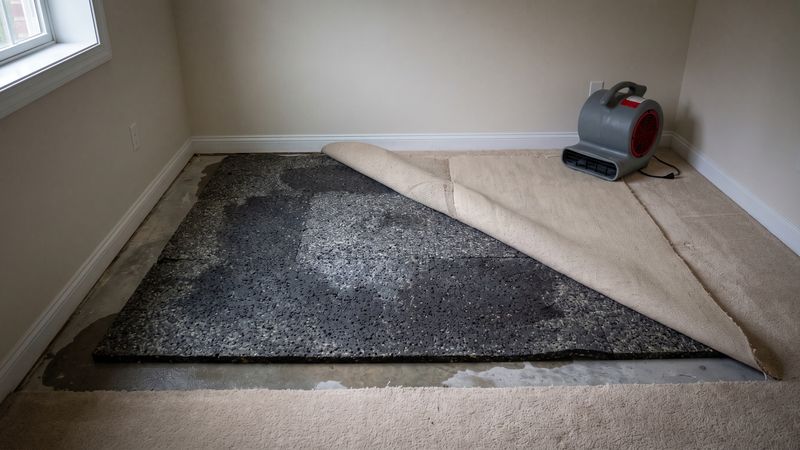
Can Wet Carpet Padding Be Saved? The 24-Hour Rule and What Replacement Costs
Wet carpet padding holds far more water than the carpet above it. Here is the 24-hour decision window, what a restorer floats, and what the pad costs.
READ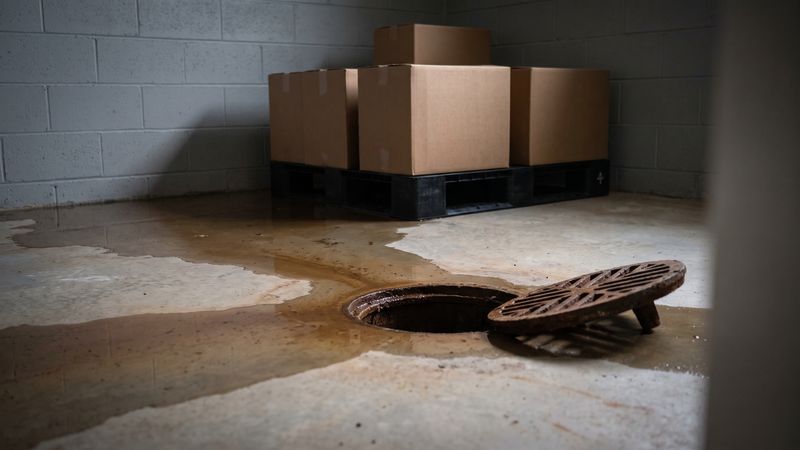
Sewer Backup Endorsement and Septic Claims on a Virginia Policy
Most homeowners policies exclude water that backs up a drain. Here is what the sewer backup endorsement covers, how limits work, and how septic differs.
READ
Humidity Level to Prevent Mold: A Homeowner's Guide
Keep indoor humidity below 50% and mold can't take hold. Here's the simple hygrometer-plus-dehumidifier system that protects DMV basements through the humid summer months.
READ
Musty Smell but No Visible Mold: A Homeowner's Guide
A musty smell with no visible mold almost always means mold is growing somewhere you can't see. Here's how to follow your nose, trace it room by room, and know when it justifies opening a wall.
READ
Is It Safe to Live in a House with Mold? A Stay-or-Go Guide by Risk Group and Location
Whether it's safe to stay in a moldy house depends on who lives there and where the mold is. Here's a straight stay-or-go call by household risk group and by mold's location relative to your bedrooms and HVAC.
READ
Black Mold in Bathroom: A Homeowner's Guide
Most black mold in a bathroom is harmless surface mildew on grout and shower silicone — not a structural emergency. Here's how to tell the difference and spot the one sign it's inside the wall.
READ
How to Remove Mold from Drywall? The 10-Second Press Test
The fastest way to know whether to clean or replace moldy drywall is a 10-second press test. Here's how to do it safely and when to call a pro.
READ
Is Mold Testing Worth It? When to Skip It and When to Insist
Mold testing is sometimes essential and sometimes a waste of money. Here's exactly when to skip it, when to insist on it, and how to avoid getting upsold.
READ
DIY Mold Removal vs Professional: Which Do You Need?
An honest contractor's take on DIY mold removal vs professional remediation — the small jobs we'd tell our own family to handle, and the ones that need containment, testing, and IICRC-trained crews.
READ
What Are the Signs of Mold Behind Walls? The $20 Detective Kit
The most reliable signs of mold behind walls are a persistent musty odor, staining or bubbling paint, and elevated moisture readings. Here's how a $20 detective kit confirms it before you cut into anything.
READ
When to Call a Mold Professional: The 10-Sq-Ft Rule (and 5 Overrides)
A one-page decision tree for homeowners: the EPA 10-square-foot line, plus five override conditions that mean you should call a mold professional no matter how small the patch looks.
READ
Mold Remediation vs Removal: Which Do You Need?
"Mold removal" sounds decisive, but total removal is a marketing promise, not a science. Here's how to decode a quote and get real remediation that fixes the source.
READ
Basement Waterproofing vs Restoration: Which Do You Need?
Restoration dries out water that's already inside; waterproofing keeps future water out. Here's how to tell which you need right now — and why the cheapest fix often comes first.
READ
Water Damage Popcorn Ceiling Asbestos: A Homeowner's Guide
If water has stained or sagged a popcorn ceiling in a pre-1980 home, you may be dealing with asbestos. Here's why you test before demo — and how to handle it safely.
READ
Pipe Leak Behind Shower Wall Signs: A Homeowner's Guide
Loose tiles, cracked grout, and a musty smell can all point to a hidden leak. Here's how to spot the signs of a pipe leak behind your shower wall and confirm it before mold sets in.
READ
Water Damage Smell in Car vs House: Which Do You Need?
A musty smell that follows you room to room can trick you. Here's how to tell whether the water damage smell is coming from your car or your house — and how to fix each source.
READ
Hardwood Floor Cupping: Will It Flatten? A Homeowner's Guide
Cupped hardwood often flattens on its own once the moisture source is gone and the wood dries back to its normal equilibrium — but only if you dry it correctly and wait before sanding.
READ
Crawl Space Water Standing Water Removal: A Homeowner's Guide
Standing water in your crawl space quietly raises humidity throughout your entire home. Here's how to remove it, dry the space to a verified standard, and stop it from coming back.
READ
Bathtub Overflow Downstairs Ceiling: A Homeowner's Guide
When a bathtub overflows upstairs, the water rarely stops there — it travels through joists and drywall to stain the ceiling below. Here's exactly how it happens and what restoration involves.
READ
Refrigerator Water Line Leak Floor Damage: A Homeowner's Guide
A slow ice-maker line can soak your subfloor for weeks before you ever see a warped plank. Here's how to catch refrigerator water line leak floor damage early, dry it correctly, and file a clean insurance claim.
READ
Washing Machine Overflow Water Damage: A Homeowner's Guide
A practical homeowner's guide to washing machine overflow water damage — what causes it, how to stop it fast, and the inexpensive braided-hose upgrade that prevents the most common laundry-room flood.
READ
Basement Flooding During a Storm: What To Do (Safety-First Steps)
A calm, safety-first sequence for a flooded basement during a summer storm — cut the power before you step in the water, document everything for your claim, and get professional dry-out started fast.
READ
Wet Insulation Replace After Water Damage: A Homeowner's Guide
Wet fiberglass and cellulose insulation trap moisture behind your walls long after the drywall feels dry. Here's when to replace it, how the process works, and what drives the cost.
READ
How Much Does It Cost To Fix a Water Damaged Ceiling?
A clear breakdown of what it really costs to repair a water damaged ceiling — from a simple stain paint-over to full cut-and-replace with mold remediation — and how insurance factors in.
READ
Burst Supply Line Water Damage Away: A Homeowner's Guide
A braided supply line that costs a few dollars can flood your entire home while you're on vacation. Here's why water damage while away is the worst-case scenario, what to do the moment you return, and how to prevent it.
READ
How to Tell if Water Damage Is Old or New?
Water rings, soft spots, and mold each tell a story about a stain's age. Here's how to read the signs and know whether you're facing a fresh leak or an old, hidden problem.
READ
Water Damage Restoration in Vienna, VA: What Should You Do First?
A real Vienna, VA water damage project shows exactly what to do first, how professional drying works, and how a homeowner-direct claim file supports your insurance.
READ
Water Leak From Upstairs Neighbor's Ceiling: A NoVA Homeowner's Guide
A step-by-step guide for Northern Virginia condo and townhome owners dealing with a water leak from an upstairs neighbor's ceiling — document first, understand who pays, and protect your claim.
READ
Buckled Floor After Water Damage: A Homeowner's Guide
Before you rip up a warped, wavy floor, read this. Many buckled floors flatten with controlled drying, and sanding too early can lock the damage in permanently.
READ
How to Dry Out Walls After Water Damage: The Pro Cavity-Drying Method
Fans on the surface won't dry the inside of a wall. Here's the professional cavity-drying method that actually removes trapped moisture and prevents mold behind fresh paint.
READ
Musty Smell After Water Damage: A Homeowner's Guide
If you can still smell it, it's still wet. Here's what a musty smell after water damage really means, where hidden moisture hides, and how to eliminate the odor for good.
READ
Water Stain on Ceiling, No Leak Found: A Homeowner's Detective Guide
A step-by-step homeowner's guide to reading a ceiling water stain like a detective — roof vs plumbing vs condensation, plus the tissue test for whether it's still active.
READ
AC Leak Water Stain on Ceiling: A Homeowner's Summer Guide
A brown ring on the ceiling under your air handler is often the first sign of a clogged AC condensate line quietly soaking your drywall. Here's how to catch it, stop it, and dry it out before the ceiling gives way.
READ
Dishwasher Leak Water Damage: A Homeowner's Guide
A slow dishwasher leak can rot your subfloor and cabinets for months before you notice. Here's how to spot the hidden damage and stop it fast.
READ
Toilet Overflow Water Damage: A Homeowner's Guide
A clear, calm guide to toilet overflow water damage — why the flush determines how dangerous the water is, how it seeps into a neighbor's unit in townhomes and condos, and what to do first.
READ
Water Damaged Subfloor Signs: A Homeowner's Guide
Soft spots, squeaks, and nail pops often mean water damage went below your finished floor. Here's how to walk-and-listen test your subfloor and what to do next.
READ
Flood Cut Drywall How High: A Homeowner's Guide
A flood cut removes drywall 12 to 24 inches above the water line so wet insulation and hidden moisture can be pulled and dried. Here's exactly how high to cut and why it matters.
READ
Water Under Laminate Flooring: What It Does, and What Has to Come Up
Water under laminate flooring does not dry in place. Here is what it does to the planks, how to tell if mold is growing under them, and how a subfloor is dried and proven dry before a new floor goes down.
READ
How to Find a Hidden Water Leak: The Free 15-Minute Water-Meter Test
A hidden water leak can quietly rot your framing and grow mold for months. Here's the free 15-minute water-meter detective test that pinpoints a leak before you pay for thermal imaging.
READ
Standing Water Dangers in the Home: A Homeowner's Hour-by-Hour Guide
Standing water in your home is dangerous the moment it appears and gets worse by the hour. Here's the electrocution-to-bacteria-to-mold timeline every homeowner should know.
READ
Water Heater Leaking: What To Do? The Two-Clock Method
A leaking water heater runs two clocks at once — one to stop the leak safely, one to dry the flood before it destroys the floor and ceiling below. Here's the exact order to work in.
READ
Frozen Pipe Burst: What To Do When It Happens in Northern Virginia
A burst frozen pipe can dump hundreds of gallons into your home in minutes. Here's exactly what to do first, how to find your shutoff, and how NoVA homeowners stop the damage fast.
READ
What Are the Signs of Water Damage Behind Walls? A Five-Senses Guide
A room-by-room, five-senses walkthrough to spot hidden moisture behind your walls—before mold, rot, or a bigger repair bill sets in.
READ
Water Damaged Ceiling Collapse: Signs, Timeline and What to Do
A sagging, bubbling ceiling is a water balloon over your head. Here are the warning signs that mean get out now, how long a wet ceiling really holds, and how to drain it safely before it fails.
READ
Flooded Basement: What To Do? (Safety-First Steps)
A flooded basement is dangerous before it's inconvenient. Here's the exact electrocution-first safety sequence, what you can safely DIY, and the 24-hour cutoff where mold risk changes everything.
READ
Odor Removal and Deodorization After Water, Fire, or Sewage Damage
Persistent smells after water, fire, or sewage damage aren't just annoying — they signal that contamination is still present. Here's how true odor removal and deodorization actually works.
READ
Sump Pump Failure: What To Do When Your Basement Starts Filling
Why sump pumps fail, the first moves to make when water is rising, and the backup strategies that stop the next basement flood before it starts.
READ
Mold Exposure Symptoms: When Should You Worry?
A calm, practical guide to mold exposure symptoms — what they feel like, who's most vulnerable, and the moment musty smells and health complaints signal you need professional remediation.
READ
Hardwood Floor Water Damage: Can It Be Saved?
Cupped, buckled, or soaked hardwood isn't always a lost cause. Here's how specialty drying, refinishing, and replacement decisions really work — and how fast you have to move.
READ
What To Do After a House Fire: A Recovery Checklist
A calm, step-by-step recovery checklist for homeowners after a house fire — covering safety, contacting your carrier, securing the property, documentation, and what professional restoration handles.
READ
Smoke Odor Removal After a Fire: What Actually Works
Smoke odor lingers because smoke particles bond to porous materials and hide inside walls, ducts, and framing. Here's what real deodorization involves — and why air fresheners never work.
READ
Emergency Water Extraction: Why Speed Decides the Size of Your Loss
Emergency water extraction is a race against the saturation clock. Here's how professional equipment, water categories, and a 47-minute median arrival decide how big your loss becomes.
READ
How To Choose a Water Damage Restoration Company
A homeowner's checklist for choosing a water damage restoration company: what to verify on licensing, IICRC standards, response time, documentation, and billing.
READ
Crawl Space Moisture and Mold: Causes and Fixes
Crawl space moisture is the hidden driver of mold, wood rot, and poor indoor air in Mid-Atlantic homes. Here's why it happens and how encapsulation, drainage, and professional remediation solve it.
READ
Dishwasher, Washer, or Water Heater Leak: What To Do
A dishwasher, washing machine, or water heater leak can quietly ruin cabinets and subfloors before you ever see a drop. Here are the fast steps to take, the warning signs of hidden damage, and how to know when a spill needs professional drying.
READ
Wet Carpet After a Flood: Can It Be Saved?
Whether wet carpet can be saved comes down to how clean the water was and how fast it dries. Here's the save-vs-replace decision by water category, why the pad almost always goes, and how quick action changes everything.
READ
Does Insurance Cover Mold Remediation? What's Covered vs. Excluded
Whether your homeowners policy pays for mold cleanup almost always comes down to one question: what caused the mold? Here's when it's covered, when it's excluded, and the documentation that decides your claim.
READ
The Water Damage Restoration Timeline: What To Expect Day by Day
A calm, day-by-day walkthrough of the water damage restoration timeline — from the first 60 minutes of emergency response through structural dry-out and rebuild.
READ
How To Dry Out a Flooded Basement the Right Way
A step-by-step guide to drying a flooded basement correctly — from safety and extraction to controlled drying and verified moisture readings — and why a fan alone leaves damaging moisture behind.
READ
Mold Inspection vs. Mold Testing: Which Do You Actually Need?
A clear, answer-first guide to mold inspection vs mold testing — what each one does, when lab testing is worth the money, and why visible mold usually means it's time to remediate, not test.
READ
What Does a Water Mitigation Company Actually Do?
A clear, answer-first breakdown of what a water mitigation company actually does — from the first emergency call and water extraction to structural drying, moisture verification, and the final walk-through.
READ
Storm Damage Restoration: What Happens After the Water Comes In
Wind, roof, and flood-driven storm losses move fast. Here's exactly what happens during storm damage restoration — from emergency tarping to verified dry — and how the claim path works.
READ
Water-Damaged Drywall: Repair or Replace?
How to tell whether water-damaged drywall can be dried in place or must be cut out and replaced—based on water category, saturation, and verified moisture readings.
READ
Do I Need Professional Water Damage Restoration, or Can I DIY?
An honest decision framework for homeowners: what water damage is DIY-safe, and when hidden moisture, contaminated water, or an insurance claim means you need a licensed restoration pro.
READ
How To Prevent Frozen Pipes (and Thaw Them Safely)
A practical winter checklist for preventing frozen pipes in Virginia, Maryland, and D.C. homes — plus safe thawing steps and exactly what to do if a pipe bursts.
READ
Ceiling Water Damage: What To Do Before It Collapses
A sagging, stained, or dripping ceiling is a warning sign you can't ignore. Here's exactly what to do first, how to find the leak above, and when the damage means collapse is close.
READ
Air Movers vs. Dehumidifiers: How Structural Drying Actually Works
Air movers and dehumidifiers do two different jobs in structural drying — one evaporates trapped moisture, the other removes it from the air. Here's how the two-part system actually works.
READ
How To File a Water Damage Insurance Claim (and Get It Approved)
A step-by-step guide to filing a water damage insurance claim in Virginia, Maryland, and Washington, D.C. — including the documentation that earns first-pass approval and how a carrier-ready claim file speeds your payout.
READ
What Is the IICRC S500 Standard, and Why Should You Care?
The IICRC S500 standard is the professional playbook for drying out water damage the right way. Here's what it means for your home, your health, and your insurance claim.
READ
Water Leak Damage in Delaplane, VA: What Should You Do First?
A hidden water leak can saturate walls, subfloors, and ceilings before you ever see a drop. Here's exactly what to do first in Delaplane, VA — and how professional drying protects your home and your claim.
READ
Water Damage Restoration in Purcellville, VA: What Should You Do First?
A step-by-step guide to the first hour after water damage in Purcellville, VA — plus how professional extraction, structural drying, and a carrier-ready claim file protect your home and your wallet.
READ
Water Leak Damage in Washington, DC: What Should You Do First?
A documented upper-floor leak in Washington, DC shows exactly what a homeowner should do in the first hour — and how professional extraction, structural drying, and a carrier-ready claim file protect your home and your wallet.
READ
The Fire and Smoke Restoration Process, Step by Step
A plain walkthrough of professional fire and smoke damage restoration, from emergency board-up and acidic soot cleanup through odor removal and the repair work that follows.
READ
7 Signs of Hidden Water Damage in Your Home
Hidden water damage rarely announces itself. Here are the seven warning signs every homeowner should know — and the tools professionals use to find moisture the eye can't see.
READ
How Fast Does Mold Grow After Water Damage?
Materials that stay wet past 24 to 48 hours are at risk for mold. Here's why speed matters, what accelerates growth, and how professional drying stops a mold problem before it starts.
READ
Flood Insurance vs. Water Damage Coverage: Which Do You Need?
The difference between flood insurance and standard water damage coverage decides whether your loss is paid or denied. Here's exactly which type of water damage falls where — and how to document it.
READ
Why Basements Flood in Northern Virginia (and How to Prevent It)
Clay soil, bad grading, sump pump failure, and heavy storms make Northern Virginia basements especially flood-prone. Here's why it happens and how to stop it.
READ
Sewage Backup Cleanup: A Homeowner's Safety Guide
Sewage backup is a Category 3 biohazard, not an ordinary spill. Here's what to avoid, how professionals contain and disinfect it, and which porous materials can't be saved.
READ
Black Mold vs. Regular Mold: What's the Real Difference?
Color alone doesn't tell you whether mold is dangerous. Here's the truth about black mold vs. regular mold, and when to test versus simply remediate.
READ
Does Homeowners Insurance Cover Water Damage?
Most homeowners policies cover sudden and accidental water damage but exclude gradual leaks and neglect. Here's how to tell the difference — and how a carrier-ready claim file protects your payout.
READ
Burst Pipe? What to Do Right Now — The 60-Second Emergency Checklist for NoVA Homeowners
A pipe just burst and water is spreading fast. Here is the exact 5-step order to follow in the next 60 seconds — shut off, kill power, document, contain, call — and why skipping any step turns a manageable afternoon into a multi-week reconstruction.
READ
Water Damage Restoration Cost in Northern Virginia: A Real Xactimate Line-Item Breakdown (Not a Vague National Average)
National cost-calculator averages are useless for a real Northern Virginia loss. Here is what a water damage restoration invoice actually contains — line by line, at real NoVA unit pricing — so you can sanity-check any quote you're holding.
READ
Does Homeowners Insurance Cover Sewage Backup? The $50 Endorsement Most Virginia Homeowners Skip
Standard homeowners policies almost always exclude sewer and drain backup by default — the exact disaster most likely to fill your basement with contaminated water is the one your policy assumes you don't have, unless you added a specific endorsement before the loss.
READ
Is Black Mold Actually Dangerous? The Science vs. the Hype — and Exactly Who Is at Real Risk
Black mold is not the instant toxic poison of 1990s headlines, but it isn't harmless either. Here is what the science actually says about risk, who is genuinely vulnerable, and when a mold patch stops being a cleaning project and becomes a call to a professional.
READ
Does Bleach Kill Mold on Drywall? Why It Often Makes It Worse — and What Actually Works
Household bleach is mostly water — and on porous drywall, that water reaches the mold's roots while the chlorine stays on the surface. Here is the surface-by-surface truth about what bleach can and can't clean, and the press-test that tells you whether a patch needs a wipe-down or a demolition.
READ
How Long Does Water Damage Take to Dry?
A clear, answer-first guide to water damage drying timelines: why most structural dry-outs take about 4.5 days, and the factors that make yours faster or slower.
READ
What To Do in the First 24 Hours After Water Damage
The first day decides how big your loss gets. Here is exactly what to do in the first 24 hours after water damage — in order, from the moment you find water to the moment drying begins.
READ
Category 1 vs 2 vs 3 Water: What It Means for Your Claim
Clean, gray, or black? The three categories of water damage decide how the project is handled, what can be saved, and how your claim is written. Here is what each category means — and how fast one becomes the next.
READ
Mold After Water Damage: The 24–48 Hour Timeline
EPA's guidance is to dry water-damaged materials within 24–48 hours to prevent mold growth — past that window, wet materials are at risk. Here is the hour-by-hour timeline, why Northern Virginia's climate shortens it, and how to stop mold before it becomes a remediation project.
READ
Does Homeowners Insurance Cover Water Damage in Virginia?
Most Virginia homeowners policies cover sudden, accidental water damage — but not gradual leaks or flooding. Here is exactly what is covered, what is excluded, and how to document a claim before you file.
READ
How Long Does Water Damage Restoration Take?
Drying a water-damaged home usually takes a few days; full restoration with repairs can take weeks. Here is a realistic, phase-by-phase timeline and the factors that speed it up or slow it down.
READActive water, mold, fire, or sewage event?
Connect directly with the Restoration Doctor team for your region. Crews are on standby 24/7 with documented response protocols.