Smoke Odor Removal After a Fire: What Actually Works
BY RESTORATION DOCTOR · NORTHERN VIRGINIA, MARYLAND & D.C.
Effective smoke odor removal means eliminating the source particles, not covering them up. Real deodorization follows a strict order: remove or clean odor-holding materials, treat porous surfaces, seal structural wood and drywall, and neutralize airborne and embedded smoke molecules with methods like thermal fogging, hydroxyl or ozone treatment, and HEPA air scrubbing. Masking sprays and candles never work because the smoke residue is still physically present in your home's materials — and heat or humidity will reactivate it. Smoke residue also grows more acidic over time, so fast action after a fire protects both your home and your restoration budget.
Call 1-888-29-FLOODWhy does smoke odor linger long after the fire is out?
Smoke odor lingers because fire produces microscopic particles and volatile organic compounds that physically bond to and embed inside the porous materials in your home. Even after the flames are out and visible soot is wiped away, those particles remain lodged in drywall, insulation, wood framing, fabrics, and HVAC systems — continuously off-gassing odor into the air.
Successful smoke odor removal starts with understanding that the smell is not a vapor floating on its own. It is produced by residue that is still there. As long as that residue exists on surfaces or inside materials, the odor keeps regenerating — which is why a room can smell fine one day and strongly of smoke the next after humidity or temperature rises.
Smoke behaves like a heated gas during a fire, expanding to fill every available space and penetrating cavities, cracks, and hidden voids. It settles preferentially on cooler surfaces and works its way behind baseboards, inside wall cavities, into subfloors, and through return-air ductwork. This is exactly why surface cleaning alone rarely solves a smoke problem — the source is often somewhere you cannot see.
What's the difference between masking odor and real deodorization?
Masking covers odor temporarily with a competing fragrance, while real deodorization removes or chemically neutralizes the odor-causing particles themselves. Masking always fails against fire smoke because the residue is still physically present in the home and keeps producing smell long after the fragrance fades.
Air fresheners, scented candles, plug-ins, and store-bought sprays only add a second smell on top of the first. Within hours or days the smoke odor returns, often seeming stronger because your nose had briefly adjusted to the fragrance. Real deodorization follows a defined sequence: identify and remove the source, clean every affected surface, treat porous materials, and only then neutralize any remaining airborne and embedded molecules.
At Restoration Doctor, we treat deodorization as the final step of a full fire and smoke cleanup, never a shortcut. If the soot and char that fuel the odor are still in the structure, no amount of fogging or ozone will hold. Source removal always comes first.
- Masking: adds fragrance, hides odor for hours, residue remains, smell returns.
- Neutralizing: chemically alters odor molecules so they no longer produce smell.
- Source removal: physically eliminates the soot, char, and saturated materials generating the odor.
- True deodorization uses all of the above in the correct order — source removal first, neutralization last.
Which materials trap smoke odor the most?
Porous and fibrous materials trap smoke odor the most because their large surface area and open structure let smoke particles penetrate deep and cling tightly. Soft, absorbent items like carpet padding, upholstered furniture, mattresses, and insulation are the worst offenders and often cannot be fully deodorized at any reasonable cost.
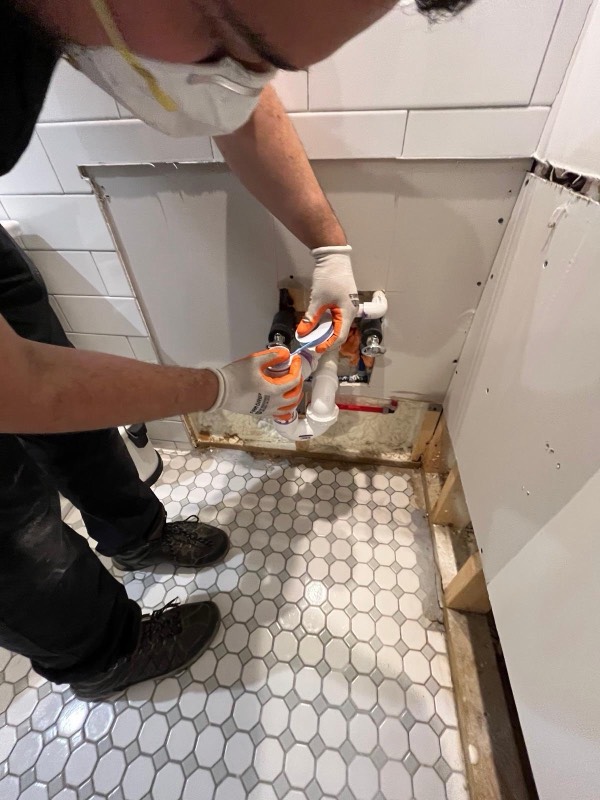
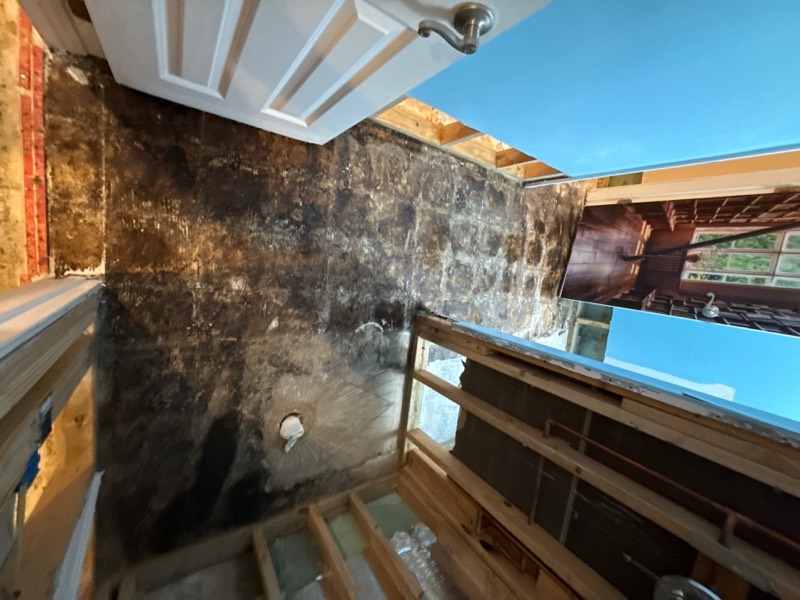
Smoke residue also settles into building materials that seem solid but are porous at a microscopic level, including drywall, unsealed wood framing, concrete, and grout. When these materials absorb odor, cleaning the surface is not enough — the odor comes from within, so the material must either be sealed with an odor-blocking primer or removed entirely.
The type of fire matters, too. Protein fires (burned food) leave a nearly invisible, greasy film with a pungent, persistent smell. Burning synthetics and plastics produce oily, acidic soot that bonds aggressively to surfaces. Wood and paper fires leave a drier, powdery residue that is comparatively easier to clean. Each residue type requires a different cleaning chemistry and approach, which is why a professional assessment drives the restoration plan rather than a one-size-fits-all product.
| Material | Odor Retention | Typical Treatment |
|---|---|---|
| Carpet padding | Very high | Usually removed and replaced |
| Upholstery & mattresses | Very high | Deep cleaning or disposal |
| Insulation | Very high | Removed and replaced |
| Drywall | High | Cleaned, sealed, or replaced |
| Wood framing | Moderate to high | Cleaned and sealed with odor-blocking primer |
| Hard sealed surfaces | Low | Wiped and neutralized |
What does professional smoke odor removal actually involve?
Professional smoke odor removal is a multi-stage process that removes the source, cleans every affected surface, treats hidden and porous materials, and neutralizes remaining odor at the molecular level. It combines physical cleaning with specialized deodorization technology rather than relying on any single product or machine.
The process begins with a full assessment to map how far smoke and soot traveled, because smoke migrates far beyond the burn area — often into rooms that look untouched. Technicians then remove unsalvageable materials, clean salvageable surfaces with the correct chemistry for the soot type, and address the HVAC system, which will recirculate odor throughout the home if it is ignored.
Only after the source is controlled do deodorization technologies come into play. Different methods reach different places — some treat surfaces, some penetrate materials, and some neutralize airborne molecules — so professionals typically layer several methods together for a complete, lasting result.
- Inspection and soot-type identification to build the cleaning plan.
- Removal of saturated, unsalvageable porous materials.
- HEPA vacuuming and surface cleaning with soot-appropriate agents.
- HVAC and ductwork cleaning to stop odor recirculation.
- Sealing of porous structural surfaces with odor-blocking primer.
- Final deodorization with thermal fogging, hydroxyl, ozone, or HEPA air scrubbing.
How do thermal fogging, ozone, and hydroxyl treatments work?
These are the core professional deodorization technologies, and each neutralizes smoke odor in a different way. Thermal fogging recreates the behavior of smoke to reach the same hidden spaces the smoke reached, while ozone and hydroxyl generators produce reactive molecules that chemically break down odor compounds in the air and on surfaces.
Thermal fogging heats a deodorizing solution into a dense fog of very fine droplets that penetrate the same cracks, cavities, and porous materials that smoke penetrated during the fire. Because the fog mimics smoke's path, it is especially effective at reaching embedded odor that surface cleaning misses. The home must be unoccupied during treatment and ventilated afterward before re-entry.
Ozone treatment generates O3, a highly reactive gas that oxidizes and breaks down odor molecules. It is powerful but requires an unoccupied, sealed space, because ozone is unsafe to breathe and can degrade rubber, some plastics, and certain fabrics with prolonged exposure. Hydroxyl generators are gentler: they produce hydroxyl radicals that neutralize odors and airborne compounds more slowly, and in many cases they can run safely in occupied areas. HEPA air scrubbers run alongside these methods throughout the project to capture fine airborne particulate and steadily improve indoor air quality.
| Method | How It Works | Best For | Occupancy |
|---|---|---|---|
| Thermal fogging | Penetrating deodorizing fog follows smoke's path | Embedded odor in cavities and porous materials | Vacated during treatment |
| Ozone | Reactive O3 oxidizes odor molecules | Heavy, stubborn whole-structure odor | Vacated and sealed |
| Hydroxyl | Hydroxyl radicals neutralize odor and airborne compounds | Ongoing treatment, sensitive settings | Often safe while occupied |
| HEPA air scrubbing | Captures fine airborne particulate | Improving air quality throughout cleanup | Occupied |
Can I remove smoke odor myself, or do I need a professional?
You can address light, localized smoke odor from a very small incident yourself, but odor from any significant fire almost always requires professional restoration. The difference comes down to access and equipment: DIY methods cannot reach smoke embedded inside walls, ducts, subfloors, and structural cavities, and they lack the deodorization technology that neutralizes odor at the source.
For minor situations — a small stovetop flare-up or a single scorched item — ventilate thoroughly, wash hard surfaces with a degreasing cleaner, launder washable fabrics, and run an air purifier with a HEPA and activated carbon filter. If the smell persists after a few days, or is present in more than one room, the residue has spread further than surface cleaning can reach.
Professionals bring HEPA extraction, soot-specific cleaning chemistry, odor-sealing primers, and the fogging, ozone, hydroxyl, and air-scrubbing equipment that DIY methods cannot replicate. Just as important, they know which materials to save and which to remove — the single biggest factor in whether the odor truly disappears. Restoration Doctor responds 24/7 across the Virginia, Maryland, and Washington, D.C. tri-state area, with a median on-site arrival of 47 minutes. Call 1-888-293-5663 any time.
How long does smoke odor removal take and what does it cost?
Smoke odor removal typically takes a few days to a couple of weeks depending on the size of the fire, the materials affected, and how far the smoke traveled. Costs vary widely based on the scope of source removal, cleaning, and deodorization required, so any responsible estimate is given as a range after an on-site inspection — never a single flat figure quoted sight-unseen.
A small, contained smoke event with limited spread may be resolved in a few days of cleaning and deodorization. A larger fire that saturated soft goods, penetrated wall cavities, and contaminated the HVAC system requires selective demolition, reconstruction, and repeated deodorization cycles, which extends the timeline. And when firefighting water is involved, structural drying — which averages about 4.5 days on our projects — runs alongside the smoke work, so water-affected fire jobs take longer overall.
Roughly 83% of our customers file an insurance claim after a fire, and fire and smoke damage — including deodorization — is commonly covered under standard homeowners policies. We bill you, the homeowner, directly and hand you a carrier-ready claim file: an Xactimate scope, CompanyCam photo documentation, and daily logs, so you have everything your insurer needs to process the claim. We work for you, not your insurance company. You can learn more on our insurance claims page.
How do you keep smoke odor from coming back?
Smoke odor stays gone only when every source of residue is eliminated and porous surfaces are properly sealed. If any soot-laden material, contaminated duct run, or unsealed absorbent surface remains, the odor will eventually return — especially when heat and humidity rise and reactivate the embedded particles.
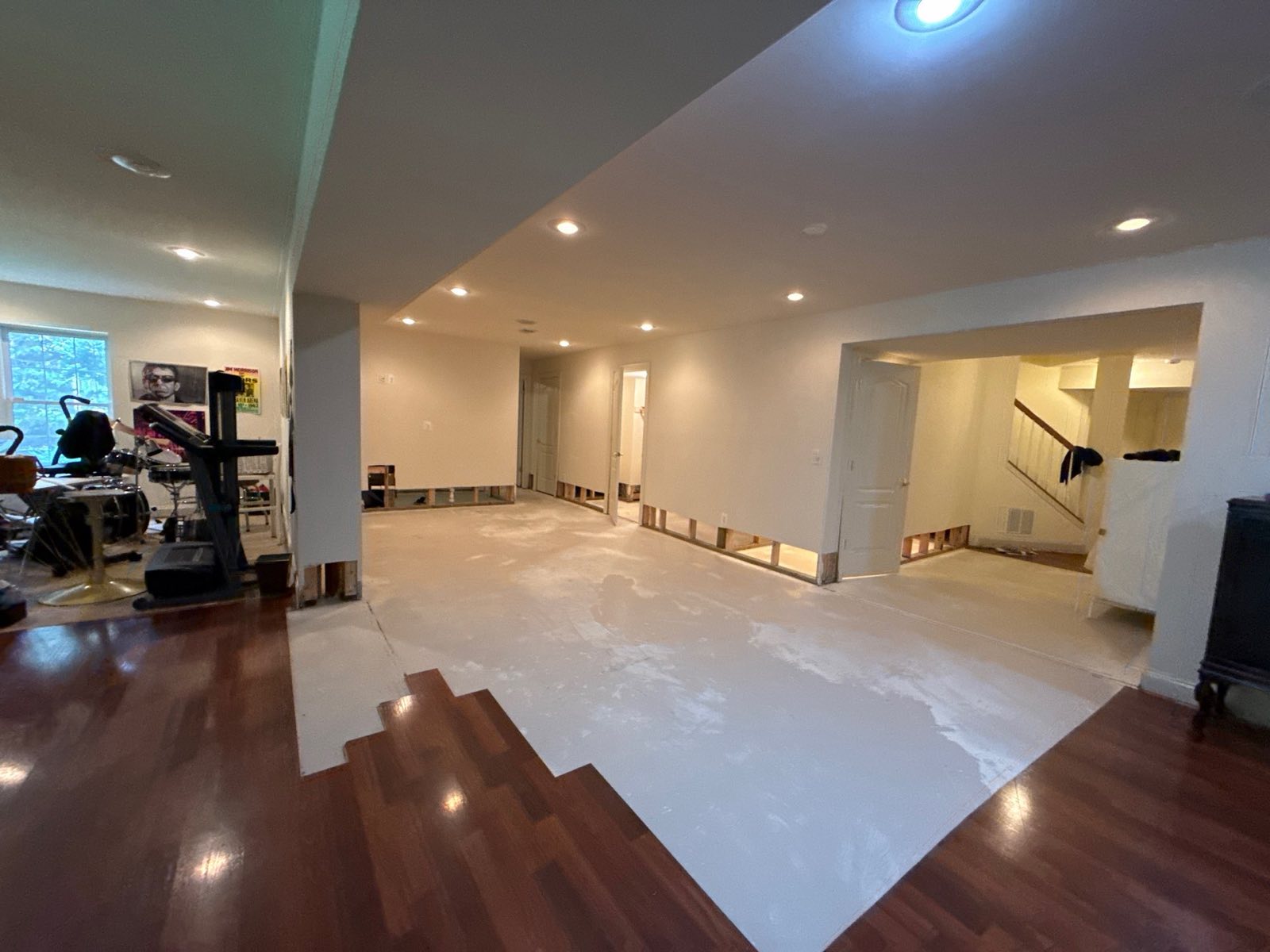
The permanent fix is thoroughness during the initial restoration: remove unsalvageable porous materials, clean all salvageable surfaces down to the substrate, seal structural wood and drywall with odor-blocking primer, clean the entire HVAC system, and verify the air is clear before reconstruction closes up any cavities. Skipping any one of these steps is the most common reason smoke smell reappears weeks later.
Homeowners can help protect the result by replacing HVAC filters on schedule, keeping the home well ventilated during the first weeks after restoration, and reporting any recurring odor immediately so it can be traced to a missed source rather than masked. If you smell smoke after a completed cleanup, that is a signal that residue was left behind somewhere — not a reason to reach for an air freshener.
- Remove — don't just clean — heavily saturated porous materials.
- Seal structural wood and drywall with odor-blocking primer.
- Clean the full HVAC system and replace filters.
- Verify air quality before reconstruction closes up cavities.
- Report any returning odor so the true source can be found and treated.