Odor Removal and Deodorization After Water, Fire, or Sewage Damage

BYSteve Jafari, General ManagerNORTHERN VIRGINIA, MARYLAND & D.C.

Real odor removal and deodorization destroys odor molecules at their source rather than masking them with fragrance. Professionals combine source removal, HEPA air scrubbing, hydroxyl or ozone treatment, thermal fogging, and sealing to permanently neutralize smoke, musty, and sewage smells. If an odor keeps returning after cleaning, the contaminated material — not just the air — still needs treatment. Sequence matters: remove and clean the source first, then treat the air, then seal what can't be removed.
Call 1-888-29-FLOODWhy do odors persist at the source after water, fire, or sewage damage?
Odors persist because the smell is coming from actual particles and residues embedded in porous materials — not from the air itself. Until those source materials are removed, cleaned, or chemically neutralized, the odor will keep releasing molecules into the room no matter how many times you clean the surface or spray air freshener.
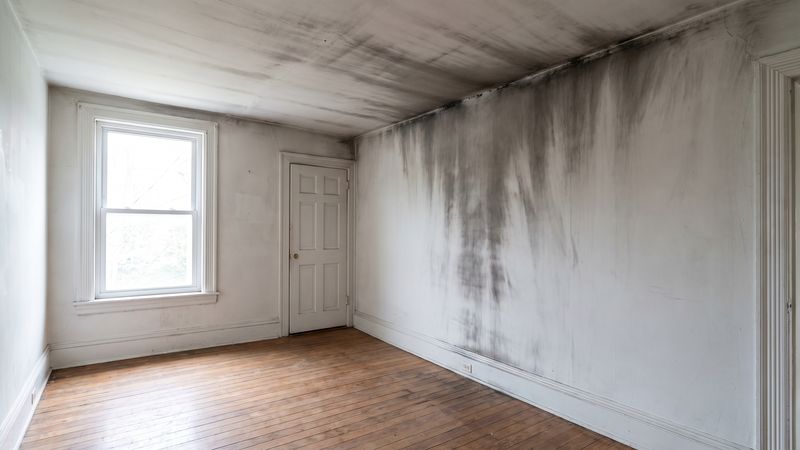
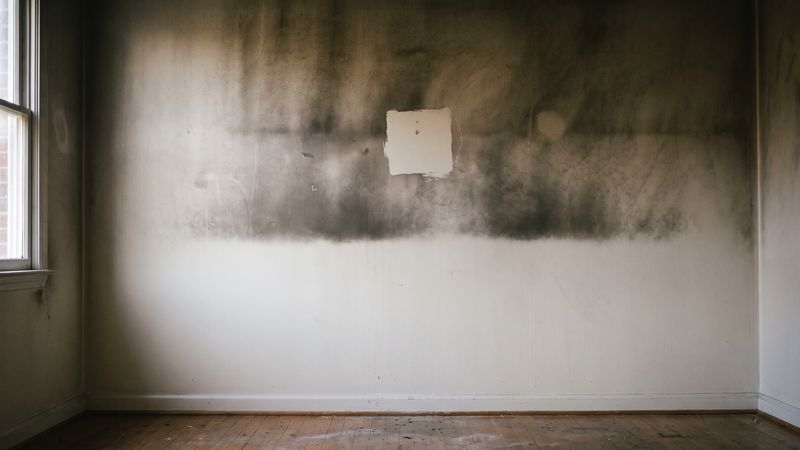
After a fire, microscopic smoke particles and oily soot penetrate drywall, insulation, wood framing, carpet padding, and HVAC ducts. After water damage, trapped moisture feeds bacteria and mold that off-gas musty, earthy compounds. After a sewage backup, organic waste and bacteria saturate flooring, subfloor, and baseboards, producing the sharp sulfur and ammonia smells that signal Category 3 contamination.
The key principle in professional deodorization is simple: an odor is a physical thing. It is a stream of volatile molecules leaving a contaminated material. You cannot permanently eliminate an odor without addressing the material producing it. That is why our technicians follow the ANSI/IICRC S500 Standard for Professional Water Damage Restoration and the S520 Standard for Professional Mold Remediation to locate and treat the source first, before ever running a single air treatment.
We apply this source-first approach on restoration projects across the Virginia, Maryland, and Washington, D.C. tri-state area, and the pattern is remarkably consistent: rooms that smell 'clean' after surface wiping almost always relapse if the hidden source — wet insulation, soot inside a wall cavity, contaminated subfloor — was left in place. Finding that hidden source, not spraying the air, is the real work of deodorization.

What is the difference between masking odors and true deodorization?
Masking covers an odor with a stronger, more pleasant scent, while true deodorization chemically destroys or removes the odor-causing molecules so there is nothing left to smell. Masking is temporary and cosmetic; true deodorization is lasting because the source is gone.
Air fresheners, scented candles, and fragrance sprays are masking agents. They add a competing smell but do nothing to the smoke residue, bacteria, or mold producing the underlying odor. Once the fragrance fades — often within hours — the original smell returns, sometimes seemingly stronger, because your nose is no longer distracted by the fragrance.
True deodorization works at the molecular level. Oxidizers like hydroxyl radicals and ozone break the chemical bonds of odor molecules and convert them into simpler, non-odorous compounds. HEPA filtration physically captures the particulate that carries smell, while activated carbon adsorbs odor-causing gases. Sealing encapsulates any residue that cannot be removed. Each method attacks the odor itself, not your perception of it.
- Masking: adds fragrance, lasts hours, source remains, odor returns.
- Neutralizing/pairing agents: chemically bind to specific odor molecules to reduce them.
- Oxidation (hydroxyl/ozone): destroys odor molecules by breaking their chemical bonds.
- Filtration (HEPA/activated carbon): physically removes airborne particles and adsorbs gases.
- Encapsulation (sealing): locks in residue on surfaces that cannot be fully cleaned.
What causes smoke, musty, and sewage odors specifically?
Each disaster produces a chemically distinct odor that requires a matched treatment. Smoke odor comes from combustion byproducts, musty odor comes from microbial growth in moisture, and sewage odor comes from bacterial breakdown of organic waste. Knowing the source dictates the method.
Fire and smoke odors are caused by tiny soot particles and volatile organic compounds that lodge deep in porous surfaces and coat everything with an oily film. Protein fires (burned kitchen grease and food) and synthetic-material fires each leave different, stubborn residues that continue off-gassing for weeks if untreated. Our fire and smoke damage restoration work covers how these residues are identified and cleaned before deodorization begins.
Musty odors are produced by mold and bacteria releasing microbial volatile organic compounds (MVOCs) as they consume damp building materials. This is the classic 'wet basement' smell, and it is a reliable warning sign that active moisture — and possibly mold growth — is present behind walls or under floors. That is why we pair deodorization with moisture mapping and, where needed, mold remediation performed to the IICRC S520 standard.
Sewage odors are the most hazardous. They come from gases such as hydrogen sulfide, ammonia, and methane released by bacteria in Category 3 'black water.' These smells indicate genuine biohazard contamination, and the treatment requires full Category 3 protocols under the IICRC S500 — containment, removal of saturated porous materials, cleaning, and disinfection — not just deodorizing the air.

What methods do professionals use for odor removal and deodorization?
Professionals use a layered sequence: remove the source, clean salvageable surfaces, filter the air with HEPA and activated carbon, oxidize residual odor with hydroxyl or ozone generators, apply thermal or ULV fogging to reach porous surfaces, and seal anything that cannot be fully decontaminated. No single machine does it all — durable results come from combining methods in the correct order.
The reason order matters is that oxidation and fogging only work on what's left after the bulk contamination is gone. Running an ozone machine in a room that still has wet, moldy insulation is wasted effort; the source regenerates odor faster than the machine can neutralize it. That's why our S500-aligned workflow always confirms the structure is dry — verified with moisture meters and daily moisture logs — and the contamination removed before final deodorization.
Thermal fogging is particularly effective for fire odor because it heats a deodorizing agent into a fine vapor that follows the same pathways the original smoke traveled, penetrating cracks, wall cavities, and fabrics. ULV (ultra-low-volume) fogging accomplishes a similar effect with a cold mist for materials that shouldn't be exposed to heat. Sealing with specialized stain- and odor-blocking primers is the final step when framing or subfloor retains residue that cannot be sanded or washed away.
| Method | How it works | Best for | Notes |
|---|---|---|---|
| Source removal | Physically discard contaminated porous materials | All odor types | Always the first and most important step |
| HEPA air scrubbing | Captures 99.97% of airborne particles at 0.3 microns | Smoke particulate, mold spores, dust | Runs throughout the project |
| Activated carbon filtration | Adsorbs gaseous odor molecules | Smoke, chemical, sewage gases | Often paired with HEPA units |
| Hydroxyl generators | UV-generated radicals oxidize odor molecules | Smoke, musty, light residual odors | Safe for occupied spaces |
| Ozone treatment | Strong oxidation destroys odor molecules quickly | Heavy smoke, severe odors | Unoccupied spaces only |
| Thermal/ULV fogging | Vaporized deodorizer penetrates porous surfaces | Fire, smoke, fabrics | Follows original smoke paths |
| Sealing/encapsulation | Primer locks in unremovable residue | Framing, subfloor, ducts | Final step before rebuild |
Is ozone or hydroxyl treatment better for odor removal?
Hydroxyl generators are safer and can run in occupied spaces, while ozone is more powerful but requires the area to be completely vacated by people, pets, and plants. The right choice depends on odor severity and whether the home can be emptied. Both destroy odor by oxidation rather than masking it.
Hydroxyl radicals are produced using UV light and are gentle enough that technicians and residents can typically remain in the home while units run, making them well suited to lighter smoke and musty odors or homes that cannot be vacated. They work more slowly — often over several days — but they won't damage sensitive materials like rubber, leather, or electronics the way high ozone concentrations can.
Ozone is a stronger oxidizer that neutralizes even severe fire and smoke odors quickly, but ozone is a respiratory irritant. Occupants, pets, and houseplants must leave during treatment, and the space must be aired out and allowed to return to safe levels before re-entry — ozone naturally reverts to oxygen, but only after adequate ventilation time. Because of this, ozone is reserved for controlled, unoccupied treatment cycles.
In practice, we select the method based on the odor's severity, the materials involved, and whether the home is occupied. Sometimes we stage both — ozone during an unoccupied phase, then hydroxyl to maintain results as the family moves back in.
- Choose hydroxyl when: the home is occupied, odors are light to moderate, or materials are sensitive to strong oxidation.
- Choose ozone when: the space can be fully vacated and odors are severe (heavy smoke, residual sewage odor after full cleanup).
- Never run ozone with people, pets, or plants present.
- Always ventilate and confirm the space is safe before re-occupancy after ozone treatment.

Can you remove smoke, mold, or sewage odor yourself, or do you need a professional?
You can handle light, surface-level odors yourself — a small stovetop smoke event or a minor spill caught within hours — but odors that persist after cleaning, spread through the HVAC system, or come from sewage require professional deodorization. The dividing line is whether the source is accessible and safe for you to remove.
For minor situations, ventilate the space, wash hard surfaces with an appropriate cleaner, launder washable fabrics, and replace HVAC filters. If the smell is gone within a day or two and does not return, the source was surface-level and you're done.
Professional help is warranted when the odor returns after cleaning, penetrates walls or subfloor, involves suspected mold, or comes from any sewage or Category 3 water. Consumer air fresheners and rental ozone machines cannot address contamination hidden inside wall cavities, and improper ozone use is a genuine safety hazard. Sewage odors specifically indicate a biohazard that requires proper containment, PPE, and disposal — never a DIY project.
When an odor won't quit, it's almost always telling you the source is still there. Our technicians use moisture meters, thermal imaging cameras, and physical inspection to find hidden contamination, and we document everything with CompanyCam photos and daily moisture logs. If you're unsure, call Restoration Doctor at 1-888-293-5663 and we'll assess the source before recommending any treatment.
How long does professional deodorization take and what does it cost?
Professional deodorization typically runs alongside the structural dry-out — commonly three to five days for a typical water loss — though heavy fire or sewage odors can require additional treatment cycles afterward. Cost varies with the odor source, the square footage affected, and how deeply materials are contaminated, so a reputable company quotes a range after inspection rather than a single flat number. Be wary of anyone who prices odor removal sight unseen.
Deodorization is rarely a standalone service — it's the final phase of a larger restoration. Water and mold projects fold deodorization into the drying and remediation timeline. Fire projects often need dedicated fogging and sealing after cleaning, which can add several days. Sewage projects require full decontamination before any deodorizing begins, because treating the air over a contaminated subfloor accomplishes nothing.
On cost and billing: because every loss is different, we provide a written scope after assessing the source. Many of these losses are covered by homeowners insurance. Our model is straightforward — we bill you, the homeowner, directly and hand you a carrier-ready claim file containing a full Xactimate scope, CompanyCam photo documentation, and daily moisture logs, so you have everything your carrier needs to process the claim. We work for you, not your insurance company. Learn more on our insurance claims page.
| Damage type | Deodorization approach | Typical added time |
|---|---|---|
| Minor water/musty | HEPA + drying + light neutralizer | Within the typical 3–5 day dry-out |
| Mold-related musty | Remediation + HEPA + sealing | Aligned with remediation scope |
| Fire and smoke | Cleaning + fogging + sealing | 2–5+ days after cleaning |
| Sewage (Category 3) | Full decontamination + fogging | After biohazard cleanup is complete |

What are the key takeaways for eliminating persistent odors?
The single most important principle is that odor is a symptom of a source, and lasting deodorization means removing or neutralizing that source — never just covering it. If a smell keeps coming back after cleaning, contamination is still present somewhere you can't see.
Match the method to the odor: HEPA and activated carbon for particulate and gases, hydroxyl for occupied spaces, ozone for severe odors in unoccupied spaces, fogging for deep penetration into porous materials, and sealing for residue that can't be removed. Sequence matters — always remove and clean the source before final air treatment, or the odor will simply regenerate.
Treat sewage and heavy smoke odors as jobs for trained, certified professionals. These involve biohazards and health risks that consumer products cannot safely address. When in doubt, get the source assessed before spending money on machines or sprays that only treat the air.
- Odor = a source. Remove the source or the smell returns.
- Masking is temporary; source removal, oxidation, filtration, and sealing deliver lasting results.
- Persistent, HVAC-spread, or sewage odors need professional treatment.
- Deodorization is the final phase of proper restoration, not a shortcut around it.
- Restoration Doctor responds 24/7 across the Virginia, Maryland, and Washington, D.C. tri-state area — call 1-888-293-5663.