The Fire and Smoke Restoration Process, Step by Step

BYSteve Jafari, General ManagerNORTHERN VIRGINIA, MARYLAND & D.C.

Fire and smoke restoration runs in a fixed order: secure the structure, assess and document, dry any firefighting water, clean soot from surfaces and contents, treat the odor and the HVAC system, then rebuild. Soot is acidic and keeps staining and corroding what it sits on, so cleanup should start as soon as the building is safe to enter. Restoration Doctor answers fire calls 24/7 across Virginia, Maryland and Washington, D.C., with a median on-site arrival of 47 minutes in Northern Virginia.
Call 1-888-29-FLOODWhat are the steps in the fire and smoke damage restoration process?
Fire and smoke restoration is the process of returning a smoke or fire damaged building to pre-loss condition in a fixed order. Secure the structure, assess and document, dry any firefighting water, clean soot from surfaces and contents, treat the remaining odor and the HVAC system, then rebuild what could not be cleaned.
The order is not optional. ANSI/IICRC S700, the consensus standard for fire and smoke damage restoration, sets out how the residue and the odor are assessed, and it covers the building, the building systems such as HVAC and the contents inside. Cleaning before the structure is dry, or rebuilding before the odor is gone, forces the same work to be paid for twice.
A fire loss is really three problems at once: what burned, what the smoke reached, and the water the fire department put in. A house that burned for ten minutes can absorb hundreds of gallons of water from hoses and sprinklers, so drying runs alongside soot cleanup rather than after it. EPA guidance on mold and moisture says water-damaged areas and items should be dried within 24 to 48 hours to prevent mold growth, and saturated framing behind a fire scene is no exception.
The goal is a home that is clean and odor-free, not one that only looks better. Everything documented along the way becomes a carrier-ready claim file you can hand to your insurer, including an Xactimate scope, photo documentation from CompanyCam, contents inventories and daily moisture logs for any drying work.
- Step 1, same day: emergency response and structural securing (board-up, roof tarping, safety check)
- Step 2, first visit: inspection and documentation of the fire damage, the smoke spread and the water left behind
- Step 3, about 4.5 days: water extraction and structural drying wherever firefighting water reached
- Step 4, before cleaning begins: debris removal and demolition of material that cannot be cleaned
- Step 5, one to two weeks: soot and smoke residue cleaning across surfaces and contents
- Step 6, alongside cleaning: odor treatment, air scrubbing and HVAC decontamination
- Step 7, days to months: repair and reconstruction back to pre-loss condition

Why is acidic soot so time-sensitive after a fire?
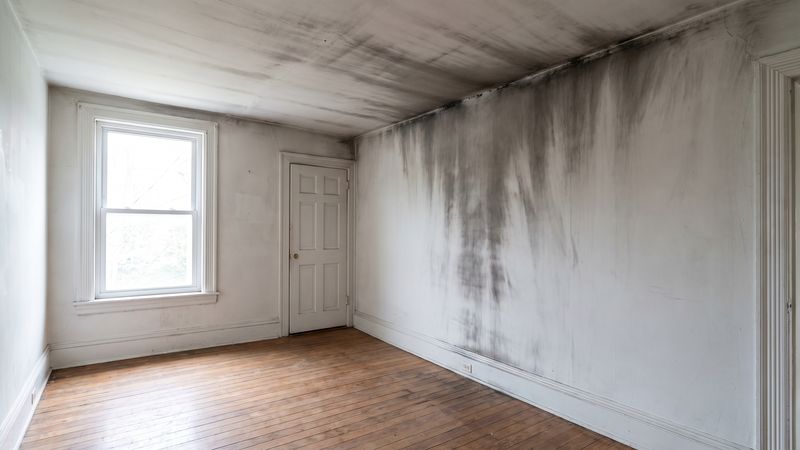
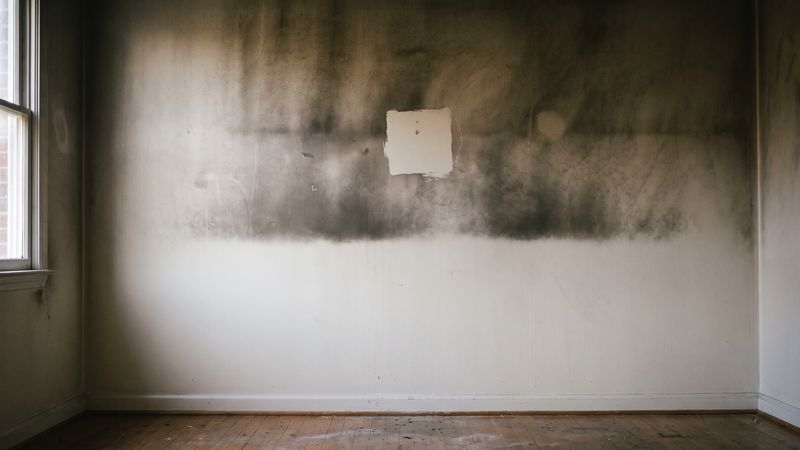
Soot is acidic, and that acidity keeps attacking your home's surfaces every hour it sits. That is why fire and smoke restoration is urgent even after the flames are out. Fresh soot reacts with moisture in the air to form corrosive compounds that etch glass, pit metal and stain painted walls permanently.
The damage escalates on a predictable timeline. Within minutes, appliances and finishes begin to discolor. Within hours, acidic residue stains counters and walls, and chrome and aluminum start to corrode. Within days, that staining can become permanent, wood may need refinishing, and porous materials like upholstery and carpet may be beyond saving. Within weeks, restoration costs climb sharply as salvageable items cross into unsalvageable territory.
This is the core reason our teams prioritize speed. The faster controlled cleaning begins, the more of your home and belongings can be saved rather than replaced. It also affects your claim, because insurers separate damage caused by the fire itself from secondary damage that followed a delay.
| Time after fire | What acidic soot does | Restoration impact |
|---|---|---|
| Minutes | Finishes and appliances begin to yellow and discolor | Cleanable if addressed immediately |
| Hours | Walls, counters, and metal fixtures stain; chrome and aluminum start corroding | Some staining becomes difficult to reverse |
| Days | Wood needs refinishing; grout, plastics, and fiberglass permanently discolor | Many porous contents become unsalvageable |
| Weeks | Widespread etching, corrosion, and set-in odor | Costs rise sharply; more full replacement required |
What should you do, and not do, before the crew arrives?
The hours between the fire department leaving and the restoration crew arriving are the hours most homeowners get wrong. The instinct is to start wiping things down. Wiping dry soot with a damp cloth pushes it into the paint and sets the stain, so the most useful thing you can do is document the damage and leave the cleaning alone.
Federal guidance is blunt about utilities. Ready.gov tells homeowners not to attempt to reconnect utilities themselves, and says the fire department should make sure utilities are safe to use or disconnected before it leaves the site. Federal ash-cleanup guidance, which is written for wildfire ash rather than structure fires, is just as blunt about method: avoid dry sweeping or dusting, never use a leaf blower, and use a HEPA vacuum on dusty surfaces where one is available.
The same guidance is the reason we ask homeowners not to bag up soft goods before the inventory is written. Once a smoke-exposed rug or coat leaves the house in a trash bag, it is far harder to keep on your claim.
- Do: photograph every room from a safe distance before anything is moved
- Do: write an inventory of damaged belongings and keep it with your claim file
- Do: change the HVAC filter and leave the system switched off
- Do: cover clean traffic areas so soot is not tracked through the house
- Do: leave the utilities to the fire department
- Do not: dry sweep, dust or run a leaf blower over ash and soot
- Do not: touch soot with bare hands or wipe dry soot with a damp cloth
- Do not: run the HVAC system until the ducts have been inspected
- Do not: send smoke-exposed clothing to an ordinary dry cleaner
- Do not: throw anything away before it has been inventoried

How is smoke damage assessed, and how do you choose who does the work?
A smoke damage assessment is a walk of the whole building envelope, not a look at the room that burned. Smoke travels on air, so the assessment follows the air: the attic, the crawl space, the wall cavities, the closets, every duct run. The first question a technician asks is which direction the smoke moved and whether the HVAC system was running when the fire started, because a running system spreads residue into rooms the fire never touched.
Measurement comes next. The structure is measured and diagrammed room by room, and the scope is written as line items rather than a square-foot lump sum, so you can see what is being cleaned and what is being replaced. Where the answer matters for a claim, surface sampling by swab or tape-lift can confirm whether residue is present on a surface that looks clean.
Ask who is choosing the contractor, and say plainly that you want to make that choice. Ask for the line-item estimate in writing before work starts. Ask whether the company and the lead technician on your job hold IICRC fire and smoke certification. A contractor who will not answer those questions in writing is not the one to hand your house to.
- Walk the full envelope: attic, crawl space, wall cavities, closets, duct runs
- Establish which way the smoke moved and whether the HVAC was running
- Measure and diagram each room instead of pricing by the square foot
- Write a room-by-room line-item scope the homeowner can actually read
- Confirm IICRC fire and smoke certification for the company and the lead technician
- Use swab or tape-lift sampling where a claim turns on whether residue is present
How is the structure secured after a fire?
The first step after a fire is securing the structure so no new damage develops. That means board-up, roof tarping and a safety check before any cleanup begins. A home weakened by fire and soaked by firefighting water can have compromised floors, weakened ceilings and damaged wiring, so hazards are isolated before anyone works inside.
Emergency securing does two things. It protects the building envelope, because broken windows, burned-through roofs and forced-entry doors leave the house open to weather and theft. Most policies require you to take reasonable steps to prevent further damage, so leaving the building open can jeopardize part of your claim. It also establishes a safe work zone so technicians can enter in protective equipment and begin the assessment.
During this phase our crews also identify utilities that need to be shut off, look for standing water, and set containment so soot and odor do not migrate into the clean parts of the home. Because we respond 24/7 with a median Northern Virginia arrival of 47 minutes, stabilization can begin the same night in most cases. If you are facing an active fire loss, call us any time at 1-888-293-5663.
- Board-up of broken windows and forced doors
- Roof tarping to keep rain and debris out
- Shutting off compromised electrical, gas or water service
- Assessing structural integrity before anyone enters
- Setting containment to stop soot and odor migration

How do professionals clean soot and smoke residue?
Smoke damage cleanup is the physical removal of soot from every surface it reached, one method at a time, starting with the gentlest one that works. What that looks like depends on what burned. Fast hot fires leave dry powdery soot. Slow smoldering fires leave oily sticky soot. Kitchen fires leave a nearly invisible protein film, and burning plastics leave heavy synthetic residue that smears on contact.
Dry soot is taken off with chemical sponges and HEPA vacuuming before any wet cleaning, because moisture smears dry soot into the surface and sets it permanently. Federal ash-cleanup guidance points the same way, recommending dry methods such as vacuuming or soot sponges for thick deposits and for materials that absorb water, and a HEPA vacuum on dusty surfaces. Oily and protein residues are the opposite case and need degreasing agents with controlled wet cleaning.
Contents are often cleaned away from the house. Hard goods go through ultrasonic cleaning. Textiles and soft goods go to a specialist who can deodorize them properly, and anything too porous to clean is documented before it is discarded. Our contents cleaning and pack-out page explains how that side of the job is run.
Technicians record what was cleaned, what could not be saved, and why, with photographs and inventories. Insurers want a reason for every item marked for replacement rather than cleaning, and that record is what supplies it.
- Dry non-greasy soot: chemical sponges and HEPA vacuuming first
- Wet oily soot from a smoldering fire: degreasers and controlled wet cleaning
- Protein residue from a kitchen fire: enzymatic and degreasing agents
- Hard contents: on-site or off-site cleaning, including ultrasonic baths
- Porous material that cannot be cleaned: documented, removed, listed for the claim
How is smoke odor removed for good?
Smoke odor is removed by taking out the source of it. The soot and residue embedded in porous material is what smells, so odor work starts as cleaning and demolition rather than as fragrance. Masking agents only cover the smell. Source removal is what ends it.
Odor is stubborn because the particles are small enough to enter porous material: drywall, insulation, framing, subfloor, upholstery, carpet, duct lining. That is why a house can look clean and still smell like smoke weeks later. Where a material has absorbed too much to be cleaned, it comes out, and the surface underneath is sealed with an odor-blocking primer before anything is rebuilt over it.
Air treatment is the last layer, not the first. HEPA air scrubbing captures what is still airborne. Thermal fogging follows the pathways the smoke itself traveled. Hydroxyl and ozone generators are used by professionals in unoccupied sealed spaces, and only once the residue is gone. Federal guidance tells homeowners to avoid products that add chemicals to the air to remove or neutralize smoke odors, including ozone and hydroxyl generators, so this is not a machine to buy and run in an occupied house.
The HVAC system is handled separately. When the system is contaminated, the filter, the air handler and the duct runs are cleaned before the system is used again, because running it circulates residue into rooms the smoke never reached. EPA guidance notes that insulated duct whose insulation has got wet or moldy cannot be effectively cleaned and should be removed and replaced.
- Remove the source: clean or take out soot-saturated porous material
- HEPA air scrubbing to capture what is still airborne
- Thermal fogging to follow the pathways the smoke took
- Sealing of surfaces that cannot be fully cleaned
- Hydroxyl or ozone treatment, professionally applied, in unoccupied sealed spaces
- HVAC and duct cleaning where the system is contaminated

What does the repair and reconstruction phase involve?
Repair and reconstruction is the build-back phase, where everything removed during cleanup is replaced and the home returns to pre-loss condition. Fire damage repair can be as small as patching drywall and repainting one wall, or as large as rebuilding whole rooms, depending on how far the fire spread.
The decision that drives the cost of this phase is which materials get cleaned and which get replaced. Non-porous material such as glass, metal or sealed tile is almost always cleanable. Porous material is the opposite: insulation, carpet pad, particle board and ceiling tile hold residue and odor whatever you do to them, so they come out and get rebuilt. Semi-porous material such as framing and subfloor sits in between and is judged surface by surface.
Reconstruction only starts after the structure is verified clean and dry, with the odor gone. Building over lingering moisture invites mold. Building over uncleaned residue traps the smell inside the wall, and both mistakes force the same work to be paid for twice.
Typical repair work includes drywall and insulation replacement, flooring, cabinetry, repainting with odor-sealing primer, and restoring the electrical, plumbing or HVAC components the fire or the water damaged. Because the same team runs the job from the first night through the rebuild, there is no handoff gap where documentation goes missing, and the file that supported your mitigation supports your rebuild scope.
- Drywall and insulation repair or replacement
- Flooring refinished or replaced
- Cabinetry and finish carpentry
- Repainting with odor-blocking primer and sealer
- Repair of electrical, plumbing or HVAC components damaged by fire or water
How long does fire and smoke damage restoration take?
The timeline depends on how big the fire was and how far the smoke and the water went, but the phases keep a consistent rhythm. Emergency securing happens within hours. Structural drying of firefighting water typically takes about 4.5 days, monitored daily to verified dry standards. Soot cleaning and odor work usually run one to two weeks on a moderate loss.
Reconstruction is the variable phase. Minor repairs wrap up in days. Significant structural rebuilding can take weeks to months. A realistic full-project range for a moderate residential fire is several weeks to a few months. Every home is different, and only an on-site inspection produces an accurate number, which is why any cost figure you are quoted should be a range rather than a single fixed price.
What shortens everything is early mitigation. Because acidic soot damage worsens by the hour, the sooner cleaning starts, the less material has to be replaced and the shorter the rebuild becomes. Delays do not just stretch the timeline. They widen the scope.
| Phase | Typical duration | Notes |
|---|---|---|
| Emergency securing | Same day | Board-up, tarping, safety assessment |
| Water drying | About 4.5 days | Monitored daily to verified dry standards |
| Soot cleaning & odor removal | 1–2 weeks | Depends on smoke type and spread |
| Reconstruction | Days to months | Scales with structural damage |
Restoration, remediation, cleanup or repair: is there a difference?
Four words get used for the same job, and the difference matters mostly when you are reading an estimate. Mitigation and cleanup mean stopping the damage and taking the residue out. Remediation means returning the affected environment to a normal condition. Repair and reconstruction mean the build-back that follows. Restoration is the whole arc, from the board-up on the first night to the last coat of paint.
In practice, a company that advertises smoke damage remediation and a company that advertises fire and smoke restoration are describing the same scope in different words. What separates them is not the label. It is whether the estimate is written line by line, whether the technicians hold IICRC fire and smoke certification, and whether the company can carry the job through the rebuild instead of handing it off halfway.
- Mitigation or cleanup: stop the damage and remove the residue
- Remediation: return the affected environment to a normal condition
- Repair or reconstruction: rebuild what had to be removed
- Restoration: the whole job, from the first night through the final walkthrough
How does insurance work for fire and smoke damage?
Fire and smoke damage is one of the most commonly covered perils under standard homeowners policies, and most fire losses turn into a claim. About 83% of our customers file one, and we build the documentation that supports it from the first visit.
Here is how billing works with Restoration Doctor. We bill you, the homeowner, directly, and we hand you a carrier-ready claim file so you can pursue reimbursement from your insurer. That file holds an Xactimate scope in the format adjusters recognize, CompanyCam photo documentation of every affected area, contents inventories and daily moisture logs for any drying work. We work for you, not for your insurance company, so the documentation is built to protect your interests rather than a carrier's cost targets.
The most useful thing you can do for your claim is to act quickly and document everything before cleanup begins. Take photographs, keep a list of damaged belongings, and do not throw anything away until it has been inventoried. Federal guidance says the same: do not throw away any damaged goods until after you make the inventory of your items. Because acidic soot causes progressive secondary damage, an insurer may question damage that got worse during a delay, so fast professional mitigation strengthens your claim rather than weakening it.
You can read more about how we support the claims process on our insurance claims page. If you have questions about a fire loss anywhere in the Virginia, Maryland or Washington, D.C. area, reach Restoration Doctor at 1-888-293-5663.
Standards and public guidance behind the advice above:
- ANSI/IICRC, S700, the standard for fire and smoke damage restoration.
- US EPA, A Brief Guide to Mold, Moisture and Your Home, source of the 24 to 48 hour drying window.
- Ready.gov, Home Fires, on utilities and on inventorying before you discard.
- US EPA, Protect Yourself from Ash, on dry methods and HEPA vacuuming, written for wildfire ash.
- US EPA, Should You Have the Air Ducts in Your Home Cleaned?.