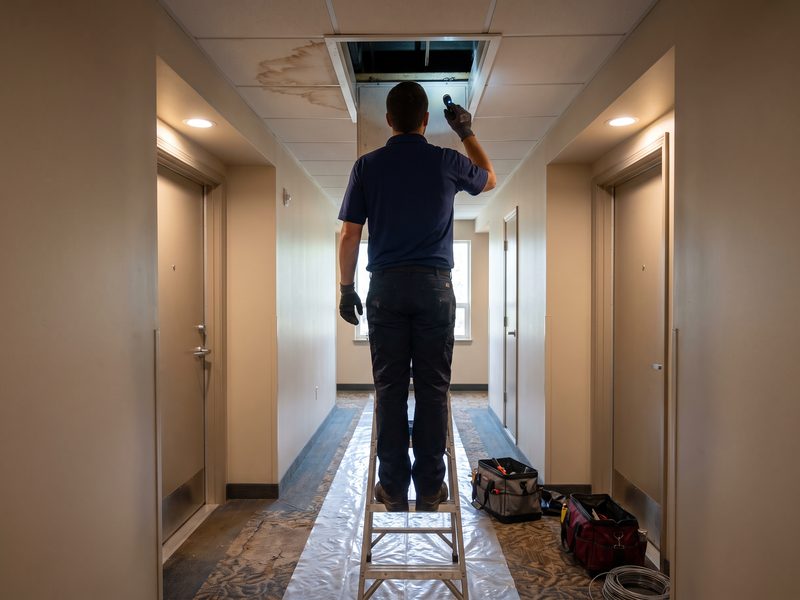
Selling a Virginia House With Past Water Damage: Disclosure and CLUE
BY RESTORATION DOCTOR · NORTHERN VIRGINIA, MARYLAND & D.C.
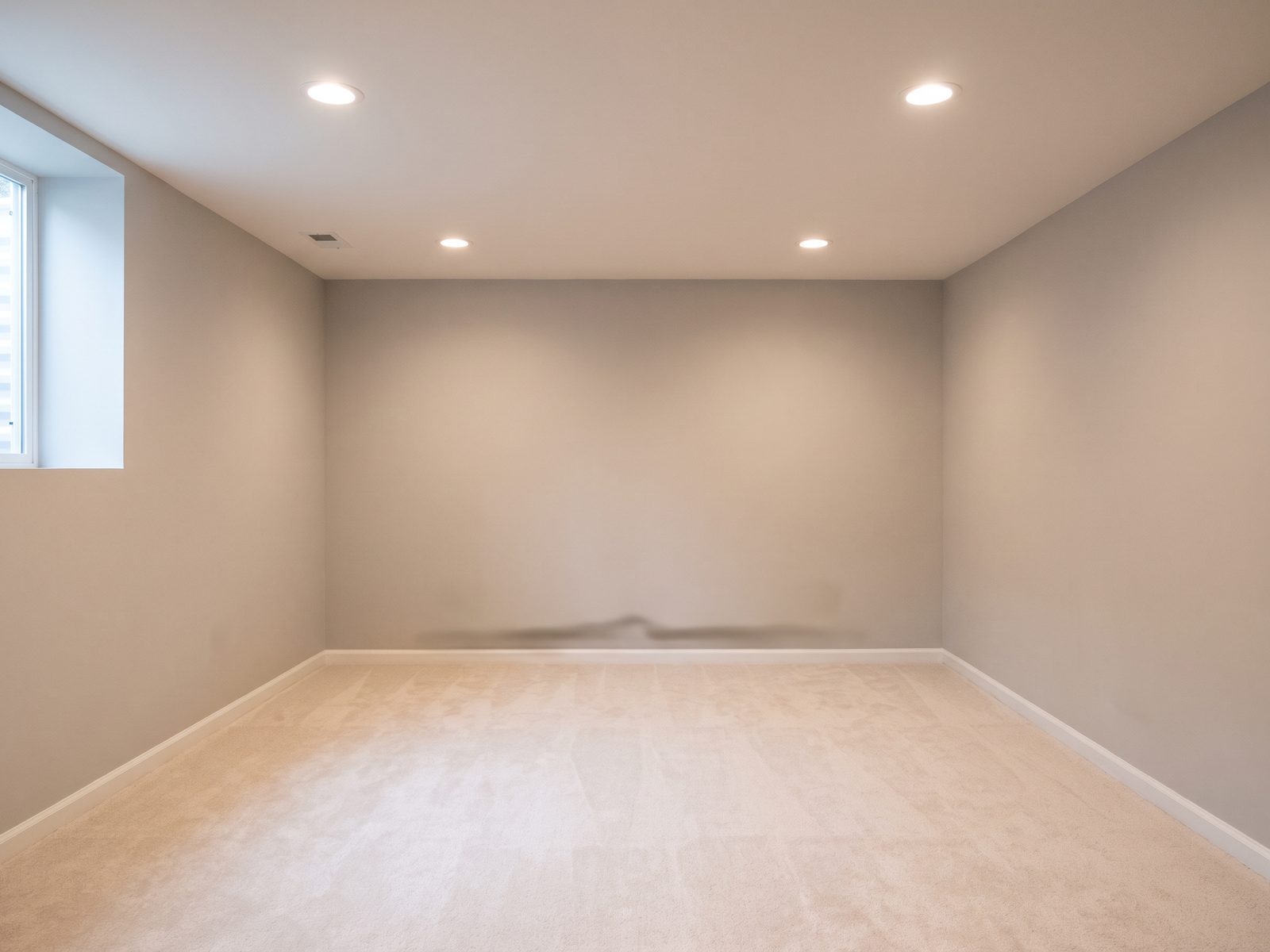
Water damage disclosure when selling a house in Virginia runs on a buyer-beware footing, so the Residential Property Disclosure Act gives you a short statutory statement rather than a condition questionnaire with a box for a burst pipe. The loss still leaves a trail on a claims-history report and under an inspector's moisture meter, which is why a complete drying file is the most useful thing a seller can hand over.
Call 1-888-29-FLOODDoes Virginia require a seller to disclose past water damage?
Water damage disclosure when selling a house in Virginia works differently from what most national articles describe. Virginia sells residential property on a buyer-beware footing. Under the Residential Property Disclosure Act the owner delivers a short statutory statement saying the owner makes no representations about the condition of the property. The buyer is advised to carry out whatever due diligence that buyer thinks is necessary. There is no line on that form where you write down the supply line that let go in the laundry room two winters ago.
That surprises sellers who moved here from a state with a twelve-page condition questionnaire, and it surprises buyers more. The burden sits on the buyer's inspection and the buyer's own research, not on a seller's memory of every past repair.
None of that makes the question go away, and none of it is legal advice. The Act sets the form of the statement. It does not turn an affirmative false answer into a safe one. If a buyer's agent asks you a direct question about a basement stain and you answer it, you have made a statement. Take the decision on a specific past loss to a Virginia real estate attorney. What we can tell you is what the evidence looks like and what the paperwork looks like.
What does the Residential Property Disclosure Act actually ask of a seller?
Section 55.1-703 of the Code of Virginia sets out required disclosures on a buyer-beware footing and tells the purchaser to exercise necessary due diligence. It requires the owner to furnish a residential property disclosure statement, and that statement is published by the Real Estate Board on its website. The seller does not draft it; the form comes from the Board.
The content of that statement is a list of things the owner is not representing. The first item covers the condition of the property and any improvements on it, and it tells purchasers to exercise whatever due diligence they consider necessary. The statute names examples, including a home inspection and a mold assessment performed by a business that follows guidelines published by the U.S. Environmental Protection Agency. Later items cover special flood hazard areas, defective drywall, wastewater systems and radon zones.
Two things follow for a seller with a past water loss. First, the form is not where your disclosure decision gets made, because the form does not ask. Second, the statute itself points your buyer toward an inspection and an EPA-aligned mold assessment, so plan on both happening. The statute is linked at the end of this guide, and a separate section of the Act, § 55.1-709, sets when the statement has to reach the purchaser and what the purchaser may do if it arrives late.
- The statement comes from the Real Estate Board website, so its wording is the Board's, not the seller's.
- Its core message is that the owner makes no representations about the condition of the property.
- It expressly points buyers toward a home inspection and an EPA-guideline mold assessment.
- It is a disclaimer statement, not a questionnaire, so nothing on it is a checkbox about past leaks.
What is a CLUE report, and what does it show a buyer's carrier?
A claims-history report, usually called a CLUE report, is a consumer report that records property insurance claims by address. When your buyer applies for a homeowners policy, the carrier quoting that policy commonly looks at claims history for the property as part of underwriting. So a water claim you filed can reach the buyer's insurance quote by a route that has nothing to do with the disclosure statement.
We are a restoration company, not your insurer, and we will not guess at what any reporting company holds on your address or for how long. Get the facts from the source. Ask your own agent or carrier what claims are recorded for the property, and request your own copy of the report directly from the reporting company. If something on it looks wrong, you can dispute it with the company that produced the report. The Consumer Financial Protection Bureau publishes a list of consumer reporting companies, including the ones that hold property claims history, along with how to request your own file.
Sellers who do this early are rarely ambushed. Sellers who skip it sometimes hear about an old claim first from a buyer whose lender is asking why the insurance quote came back high. With the Northern Virginia listing season gathering speed in February, that call lands inside your contingency period.
Does a past claim show up even if you paid out of pocket?
If you never opened a claim, there is no claim for a claims-history file to record. That is a real advantage of paying a small loss yourself, and plenty of Fairfax and Arlington homeowners do exactly that for a clean supply-line break caught the same day.
The house keeps its own record, though. Fresh joint compound over old drywall reads differently from the surrounding wall under raking light. Baseboard that was pulled and reset rarely goes back with the original caulk line. A single replaced run of hardwood shows a color and grain mismatch in daylight. Cupped boards near a doorway tell an inspector where standing water sat.
Permits are a second record. If the repair went beyond mitigation into reconstruction or plumbing work, your county's permit history may carry it, and a buyer's agent in Loudoun or Prince William can pull that in an afternoon. The point is not that you get caught out. It is that the conversation will happen, so bring the file rather than wait to be handed a meter reading.
What should you gather before you list?
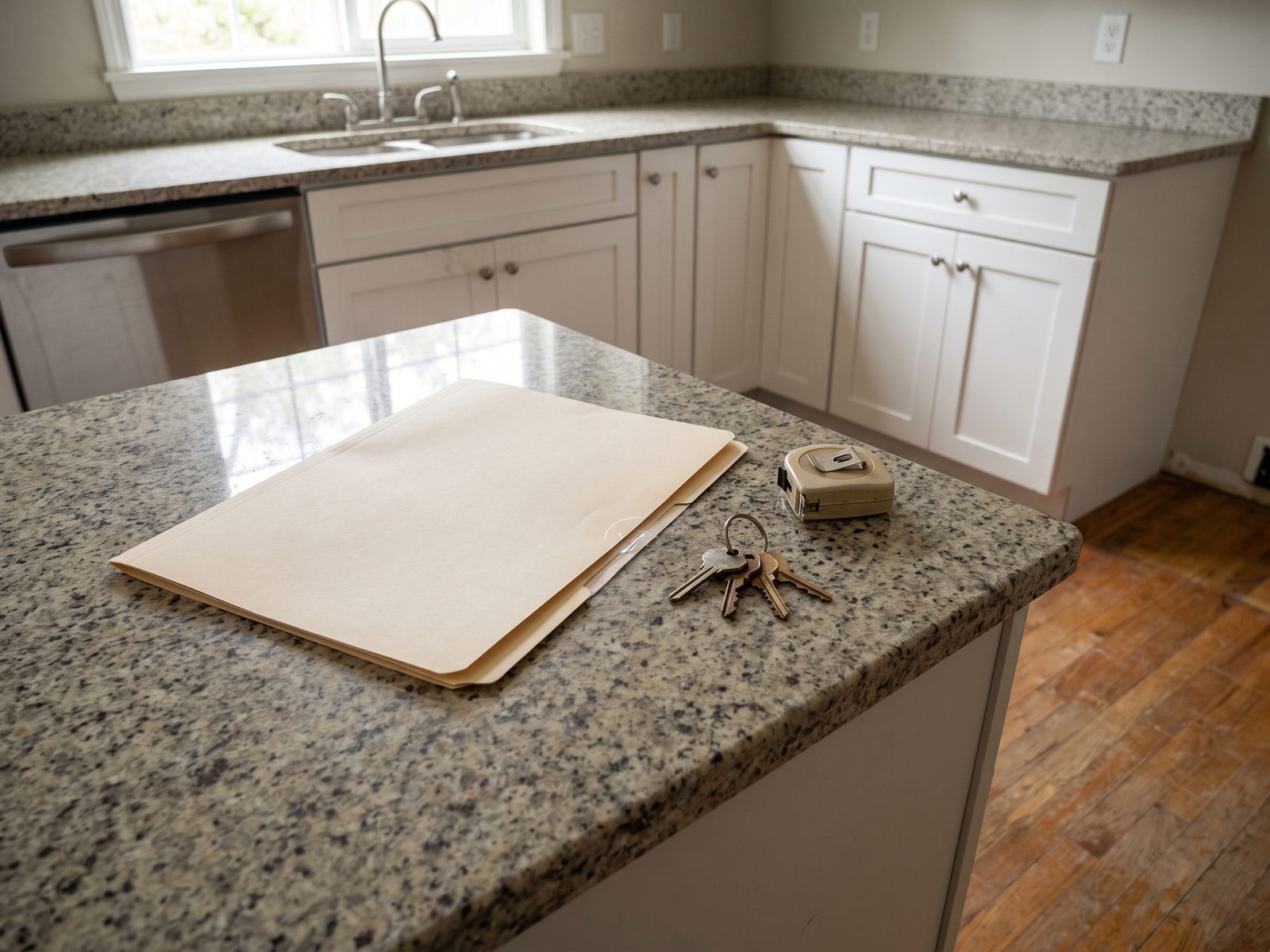
The best preparation is a complete file on the old job, assembled before the sign goes in the yard. An agent who asks about a stain and receives a folder stops asking. An agent who receives a shrug orders a specialist inspection.
Call the company that did the work and ask for the job file by address. Mitigation firms keep documentation because the standard they work to requires it, so the file often still exists years later. Work down this list in order, because the first four items carry the most weight with an inspector.
- 1. The final invoice and scope of work, showing which materials were dried in place and which were removed.
- 2. The daily drying log with moisture readings by material, including the final readings that closed the job.
- 3. Before, during and after photographs, ideally date-stamped by the technician's app.
- 4. The equipment record: how many air movers and dehumidifiers ran, in which rooms, and for how many days.
- 5. The plumber's or roofer's invoice for the source repair, proving the cause was fixed.
- 6. Any antimicrobial record, plus containment or air-scrubber documentation if mold work was involved.
- 7. A post-remediation verification or clearance report from an independent hygienist, if one was performed.
- 8. The insurance claim number and the adjuster's final estimate, if the loss was covered.
- 9. Permits and reconstruction invoices for anything rebuilt.
- 10. Warranty paperwork on new flooring, a sump pump, a backwater valve or exterior waterproofing.
How do you answer a buyer's agent asking about a basement stain?
Plainly, and with the file. The answer that works is short: here is what happened, here is when, here is who dried it, here are the closing moisture readings, and here is the invoice for the pipe repair. You are not arguing that nothing happened. You are showing that it was handled properly and that the cause was corrected.
The answer that fails is a vague reassurance. A phrase like "just a little water, years ago" invites a specialist inspection, and that inspection will report what it finds without context. An elevated reading in a wall cavity means one thing next to a drying log showing the same wall verified dry, and something else on its own.
Timing helps you here. Northern Virginia listings typically pick up through February, so the useful window is the winter before. Pull the file in November, walk the basement with a flashlight held flat against the wall, and deal with what you find while you have weeks rather than days. Under contract, every unknown becomes a negotiation.
Does a completed, documented mitigation help or hurt the sale?
In our experience it helps, provided two conditions hold: the source was repaired and the drying was verified. Buyers are not frightened by the fact that a house once had a leak. Almost every house in the region eventually does. Buyers are frightened by a leak whose cause nobody can name and whose ending nobody can prove.
A verified dry-out also puts a ceiling on the mold conversation. The ANSI/IICRC S500 standard for water damage restoration is built around drying to a documented dry standard rather than to a technician's opinion, and a job run that way produces the readings that show it. On our own jobs a residential dry-out averages about four and a half days of monitored drying, which is why a proper file has several days of readings in it rather than one visit.
| What the buyer encounters | No documentation | Complete drying file |
|---|---|---|
| Stain or patch on a basement wall | Unknown cause, unknown extent | Dated event, named cause, recorded repair |
| Elevated meter reading | Treated as an active leak | Compared against verified dry readings |
| Question about mold | Answered by an outside assessor | Answered by the containment and clearance record |
| Insurance quote flagged by claims history | Seller has no context to offer | Claim number, scope and final estimate on hand |
| Repair credit requested | Priced from worst-case assumptions | Priced from what the scope actually shows |
What happens when the inspector finds moisture you did not know about?
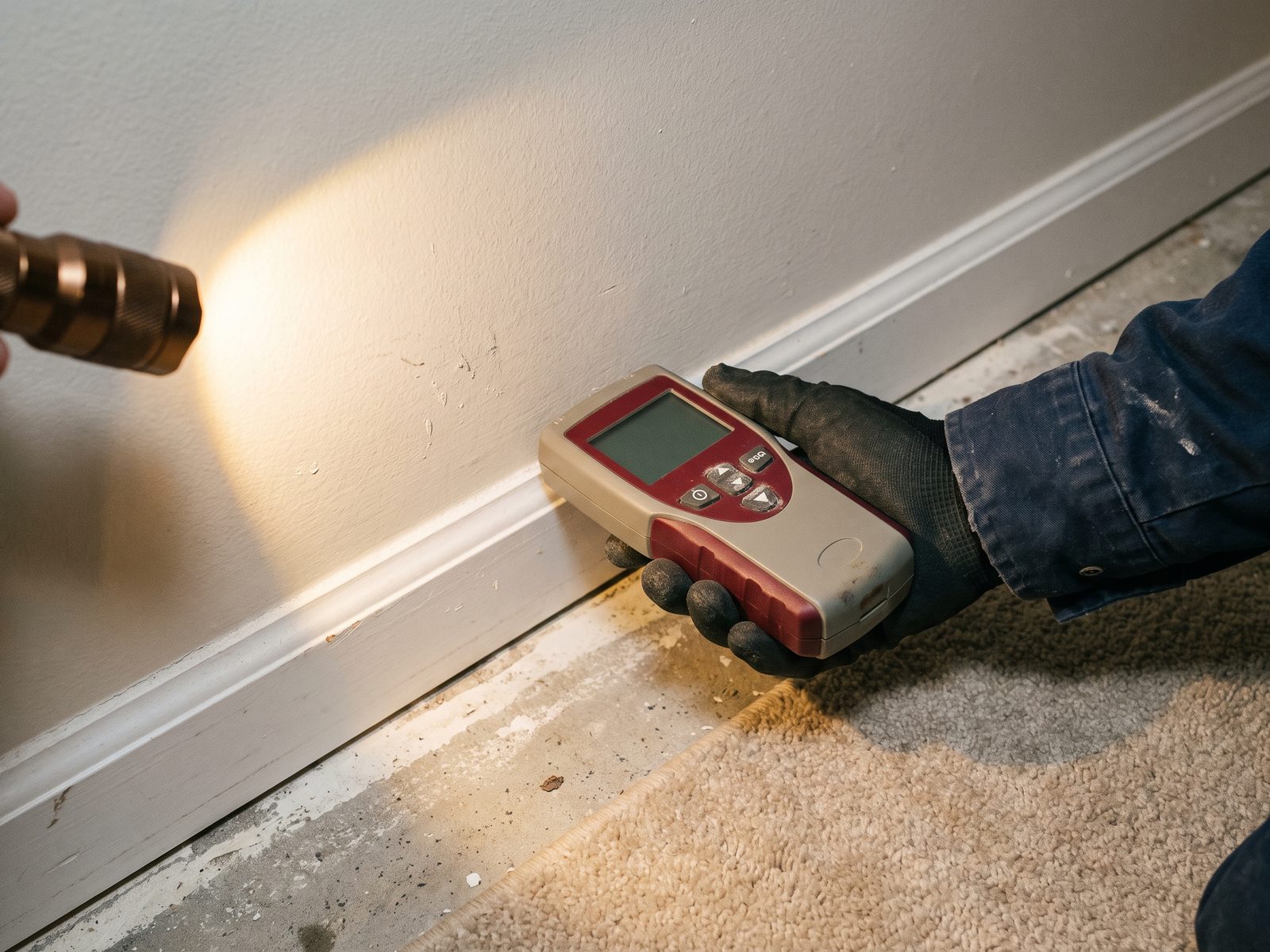
It happens often enough that it deserves planning. A home inspector runs a pinless meter along the base of finished walls and sweeps a thermal camera across ceilings and exterior corners. A pinless meter reads a comparative moisture value in the material a short way behind the surface, so a coat of fresh paint does not change what it finds. It is not infallible: metal, foil-faced insulation and wiring in the cavity can all skew a reading, which is why an inspector compares wet-looking areas against a known dry part of the same wall. Thermal cameras do not see water at all; they see temperature differences, and evaporating moisture reads cool.
An elevated reading is a finding, not a diagnosis. It can mean an active leak. It can also mean a cold foundation wall, a humid basement, a condensate line sweating in July or a slab that was never sealed. The professional next step is the same either way: find out what is behind it before anyone negotiates against it.
Sellers who want no surprises book a moisture inspection of their own before listing. It either confirms the house is dry or gives you a head start on a real problem. If a reading does turn out to be an active leak, you can fix it on your schedule and document the fix, rather than accept a credit sized by a buyer's worst-case estimate.
Can a buyer come back after closing over undisclosed damage?
This is the question sellers most want answered, and it is the one here that belongs to a lawyer rather than a restoration company. The buyer-beware structure of the Act is not a blanket shield, and Virginia treats an affirmative misstatement differently from silence. Where the line sits depends on what was said, what was asked and what the contract records.
What we can say from the job side is narrow and useful. Concealment work leaves its own evidence. Paint applied over a stain without sealing it often lets the stain bleed back through within a season. A patched section of drywall that was never dried behind reads high on a meter years later. Cosmetic cover-ups tend to fail on exactly the timeline that puts them in front of a new owner.
So the risk-reducing move is also the cheap one. Repair the cause, dry it to a documented standard, keep the file, and answer questions from the file. Then take the specific disclosure decision to a Virginia real estate attorney who can look at your contract and your facts.
What is worth fixing before you list, and what is not?
Fix anything still wet, anything still leaking and anything that will read as active moisture to a meter. That list is short and it is not optional. A wet wall cavity is the one finding that reliably costs more in renegotiation than it would have cost to correct. The same goes for a failed sump pump, a disconnected downspout dumping against the foundation and a crawl space with standing water.
Be more careful about cosmetic work. Repainting a basement wall the week before listing is fine as maintenance and useless as a fix, because the meter reads through it. Replacing flooring that is dry, sound and merely dated is usually a poor return. Skip the pre-emptive mold test unless there is a reason for one, since a test with no visible growth and no moisture source tends to generate questions rather than answers.
Spend the money instead on documentation and on the source. A plumber's invoice, a drying log and a photograph set cost a fraction of a flooring replacement and do far more work in a negotiation. If the old file has gone missing, a moisture inspection of the affected area gives you a current baseline to hand over, which is second best but still much better than nothing.
Everything above that rests on a published standard or a government page is listed below so you can check it yourself rather than take our word for it.
- Sources: Code of Virginia § 55.1-703, Residential Property Disclosure Act, required disclosures for buyer to beware, https://law.lis.virginia.gov/vacode/title55.1/chapter7/section55.1-703/
- Code of Virginia § 55.1-709, time for disclosure; termination of contract, https://law.lis.virginia.gov/vacode/title55.1/chapter7/section55.1-709/
- U.S. Environmental Protection Agency, A Brief Guide to Mold, Moisture and Your Home, https://www.epa.gov/mold/brief-guide-mold-moisture-and-your-home
- U.S. Environmental Protection Agency, Mold Cleanup in Your Home, https://www.epa.gov/mold/mold-cleanup-your-home
- IICRC, publisher of the ANSI/IICRC S500 water damage restoration standard, https://iicrc.org/s500/
- Consumer Financial Protection Bureau, list of consumer reporting companies and how to request your file, https://www.consumerfinance.gov/consumer-tools/credit-reports-and-scores/consumer-reporting-companies/