Mold Inspection vs. Mold Testing: Which Do You Actually Need?
BY RESTORATION DOCTOR · NORTHERN VIRGINIA, MARYLAND & D.C.
In the mold inspection vs mold testing debate, a mold inspection finds the source, extent, and moisture behind the problem, while mold testing only measures spore types and concentrations. If you can already see or smell mold, you almost always need an inspection and remediation — not testing — because visible mold already confirms you have a problem worth fixing. Testing earns its keep only in narrow cases: hidden musty odors, health documentation, legal disputes, or post-remediation clearance.
Call 1-888-29-FLOODWhat is the difference between mold inspection and mold testing?
A mold inspection is a visual and moisture-based assessment that locates where mold is growing, how far it has spread, and what water source is feeding it. Mold testing is a narrower lab process that collects air or surface samples to identify the types of mold spores present and their concentration. In the mold inspection vs mold testing decision, the inspection tells you what to do, while testing only tells you what is there.
Think of it this way: an inspection is diagnostic and actionable, while testing is analytical and descriptive. A qualified inspector uses moisture meters, thermal imaging, and hands-on investigation to trace hidden moisture and map affected materials. A lab test, by contrast, produces spore counts and species names on a report — useful data in specific situations, but it cannot tell you where the water is coming from or how to dry the structure.
Under the ANSI/IICRC S520 Standard for Professional Mold Remediation, the goal is always to identify and correct the moisture source and physically remove contamination — not simply to catalog spores. That is why most reputable restoration professionals lead with inspection and treat testing as an optional add-on rather than a default first step.
Do you need mold testing if you can already see mold?
No — if you can already see or smell mold, you generally do not need testing to confirm it exists. Visible mold growth is itself proof of a moisture problem and microbial contamination, so paying a lab to tell you "yes, that's mold" rarely changes what happens next. The IICRC S520 standard treats visible, confirmed mold growth as a condition to be remediated regardless of the exact species.
Species identification usually does not alter the remediation plan. Whether a sample comes back as Aspergillus, Penicillium, Stachybotrys, or Cladosporium, the professional response is the same: contain the area, correct the moisture source, remove contaminated porous materials, HEPA-clean, and verify the space is dry and clean. Spending money to name the mold before removing it typically just delays the fix.
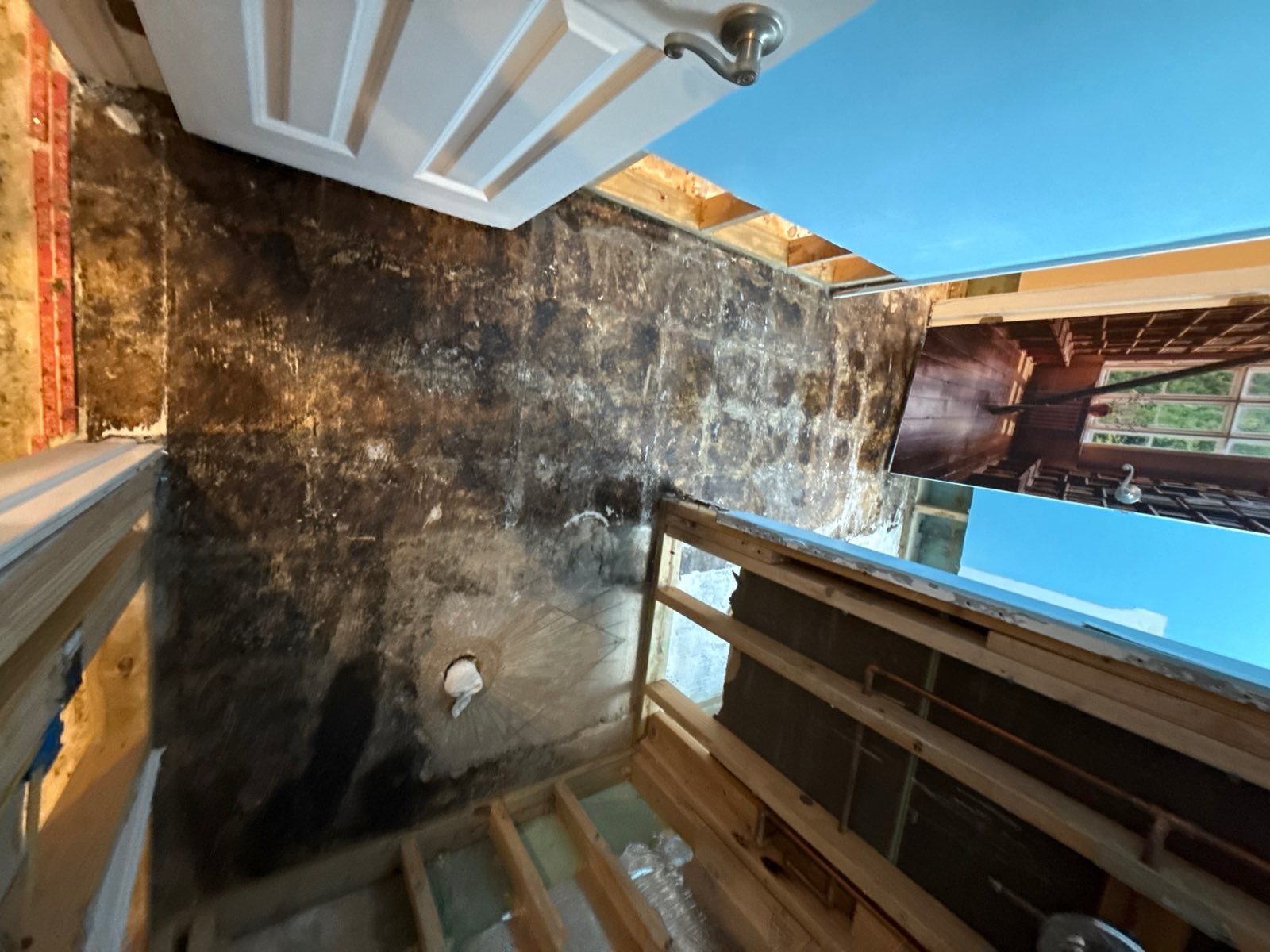
There is a strong practical argument here, too. The dollars spent on pre-remediation testing of already-visible mold are almost always better spent on actually removing the mold and repairing the water intrusion. If you're staring at black or green growth on drywall, a baseboard, or a bathroom ceiling, the next call should be for remediation, not a sampling kit.
- Visible mold already confirms contamination — a test won't change that.
- Remediation steps are the same regardless of the species identified.
- Money spent testing visible mold is usually better spent removing it.
- The real priority is finding and fixing the moisture source behind the growth.
When does mold testing actually add value?
Mold testing adds genuine value in a handful of specific situations — mainly when mold is suspected but not visible, or when you need objective before-and-after data. Testing is worth the cost when you can smell a musty odor but can't find the source, when a health-sensitive occupant needs documentation, or when you want to verify that remediation was successful through a post-remediation clearance evaluation.
There are also legal, real-estate, and dispute scenarios where third-party lab data carries weight. If you're buying or selling a home, resolving a landlord-tenant disagreement, or documenting a condition for an insurance or liability matter, an independent sample result can serve as evidence. In these cases, having a neutral, documented baseline often matters more than the specific numbers or species on the report.
Here's a quick way to decide whether testing earns its keep in your situation:
| Situation | Test first? | Why |
|---|---|---|
| Visible mold on drywall, wood, or ceiling | No | Growth is already confirmed — remediate instead |
| Musty smell, no visible source | Maybe | Testing can help locate hidden contamination |
| Health-sensitive occupant needs documentation | Yes | Objective data supports medical/legal decisions |
| Verifying a completed remediation | Yes | Post-remediation clearance confirms success |
| Real estate or landlord-tenant dispute | Yes | Independent lab results serve as neutral evidence |
| Small bathroom surface mildew | No | Clean and correct ventilation; no lab needed |
What does a professional mold inspection include?
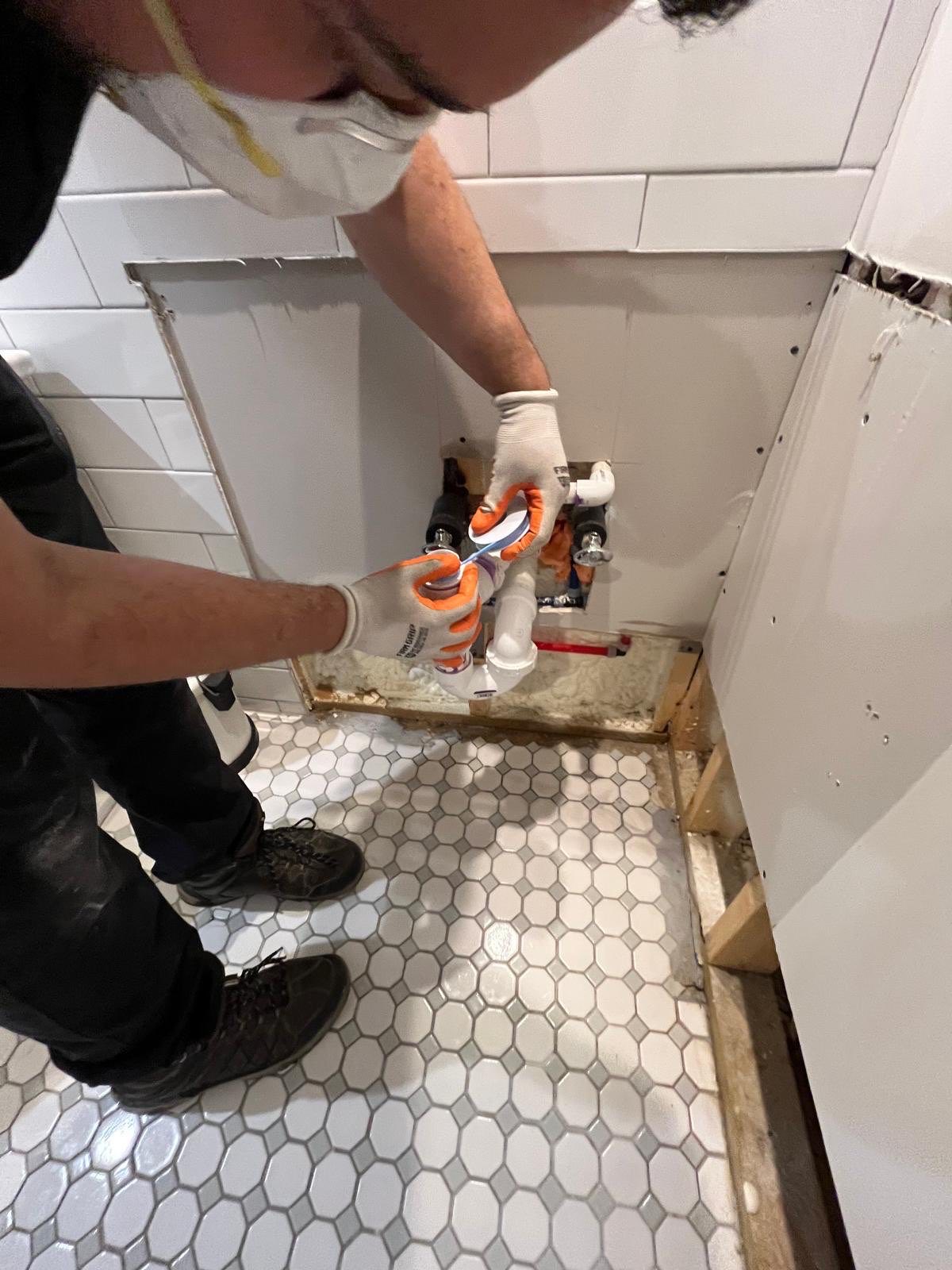
A professional mold inspection includes a full visual assessment plus moisture diagnostics to trace the problem to its source. Inspectors look for staining, warping, and growth, then use tools like moisture meters, thermo-hygrometers, and infrared thermal cameras to find dampness hiding behind walls, under flooring, and above ceilings. The output is a map of what's affected and a plan to fix it.
The moisture investigation is the part homeowners underestimate most. Mold is a symptom; water is the disease. A good inspector applies psychrometric principles — measuring temperature, relative humidity, and dew point — to understand how moisture is moving through the structure and why materials aren't drying. Without correcting that moisture dynamic, remediated mold simply comes back.
A thorough inspection typically covers the following elements, all documented so you have a clear record:
- Visual survey of visible growth, water staining, and material damage
- Moisture meter readings on drywall, wood, and subfloor
- Thermal imaging to reveal hidden damp areas and cold spots
- Relative humidity and dew point measurements (psychrometry)
- Identification of the water source — leak, condensation, or intrusion
- A scope of work outlining containment, removal, and drying steps
- Photo documentation of conditions for your records
What does mold testing actually measure?
Mold testing measures the types of mold spores present and their concentration, usually reported as spore counts per cubic meter of air or as identified structures on a surface sample. It answers "what kind of mold and how much," not "where is it coming from" or "how do I fix it." The two most common methods are air sampling and surface sampling.
Air sampling draws a measured volume of air through a spore-trap cassette, which is analyzed under a microscope at a lab. Results are typically compared against an outdoor control sample taken the same day, because outdoor spore levels set the baseline for what's normal in your region. Surface sampling — using a swab, tape lift, or bulk material — identifies mold on a specific spot but says nothing about airborne exposure.
It's important to understand the limits. There are no universal federal "safe" spore-count thresholds for indoor mold, so a number on a report requires interpretation and context. A single air sample is also a snapshot in time; spore levels fluctuate with airflow, humidity, and occupant activity. This is exactly why testing supports decisions in narrow cases but shouldn't replace a hands-on inspection.
| Method | What it collects | Best used for | Key limitation |
|---|---|---|---|
| Air sampling | Airborne spores vs. outdoor baseline | Suspected hidden mold; clearance testing | Snapshot in time; varies with conditions |
| Surface sampling | Spores from a specific surface | Confirming a suspect spot | Says nothing about airborne exposure |
| Bulk sampling | A piece of the actual material | Lab confirmation of a material | Destructive; localized to that sample |
How much do mold inspection and mold testing cost in the DC area?
Mold inspection and testing costs vary by home size, access, and the number of lab samples, so any responsible answer is a range rather than a fixed price. In the Virginia, Maryland, and Washington, D.C. market, a professional visual and moisture inspection generally falls in the lower-to-mid hundreds of dollars, while lab testing adds a per-sample cost plus outdoor control samples. More samples and larger homes push the total upward.
Remediation itself is a separate, larger investment that depends on the square footage affected, the materials involved, and whether hidden structural moisture is present. Because every mold situation is different, we scope each job individually rather than quoting a blanket figure. What we can tell you is that money spent removing confirmed, visible mold almost always delivers more value than money spent testing to prove what you can already see.
One financial reality worth knowing: about 83% of our customers file an insurance claim. Restoration Doctor bills the homeowner directly and hands you a carrier-ready claim file — Xactimate scope, CompanyCam photo documentation, and daily moisture logs — so you can pursue reimbursement. We work for you, not your insurance company, and that documentation is often more persuasive to a carrier than a spore-count report.
Should you test before or after mold remediation?
If you test at all, post-remediation testing (clearance testing) is usually more valuable than pre-remediation testing. Pre-testing visible mold rarely changes the plan, but a post-remediation clearance test provides objective confirmation that contamination was removed and the space was returned to normal fungal conditions. This matters most for health-sensitive households and documented disputes.
For genuine independence, clearance testing should be performed by a third party rather than the same company that did the remediation — this avoids any conflict of interest and gives you unbiased verification. A clearance evaluation typically combines a visual check (no visible mold, no residual dust, dry materials) with air sampling compared against an outdoor baseline.
That said, the true measure of successful remediation under IICRC S520 is that the mold is physically removed, the affected materials are cleaned or discarded, and — critically — the moisture source is corrected and the structure is verified dry. Our typical structural dry-out runs about 4.5 days, monitored daily with moisture logs until materials reach verified dry standards. If the space is genuinely dry and clean, mold has nothing to feed on and won't return.
What should you do if you find mold in your Virginia, Maryland, or DC home?
If you find mold, act quickly: stop the water source if you safely can, avoid disturbing the growth, and call a professional for an inspection and remediation. Do not sand, scrub aggressively, or dry-brush large areas of mold, because that releases spores into the air — and avoid running fans across contaminated areas, which can carry spores into clean parts of the home. For anything beyond a small, easily cleaned surface patch, professional containment is the safer path.
The most important mindset shift is this: prioritize fixing over labeling. If mold is visible, you already know enough to start remediation. Reserve testing for the situations where it truly helps — hidden odors, health documentation, disputes, or post-remediation clearance. Everything else is a distraction from the real job of removing the mold and correcting the moisture that caused it.
Restoration Doctor responds 24/7 across the Virginia, Maryland, and Washington, D.C. tri-state area, with a median on-site arrival of 47 minutes across Northern Virginia and a 60-minute on-site commitment in our core service area. We've completed more than 26,000 restoration jobs, and every mold project follows ANSI/IICRC S520 protocols for containment, removal, and verified drying. If you're seeing or smelling mold, call us at 1-888-293-5663 or reach out through our contact page and we'll help you decide exactly what you need — inspection, remediation, or both.
- Stop the water source if it's safe to do so.
- Don't disturb, scrub, or dry-brush large mold areas — that spreads spores.
- Skip pre-testing if mold is already visible; move to remediation.
- Reserve testing for hidden odors, health documentation, disputes, or clearance.
- Call a professional for containment, removal, and verified drying.