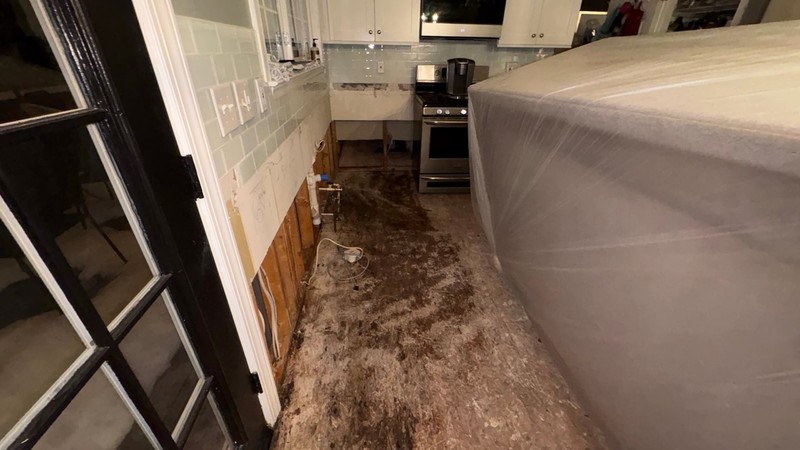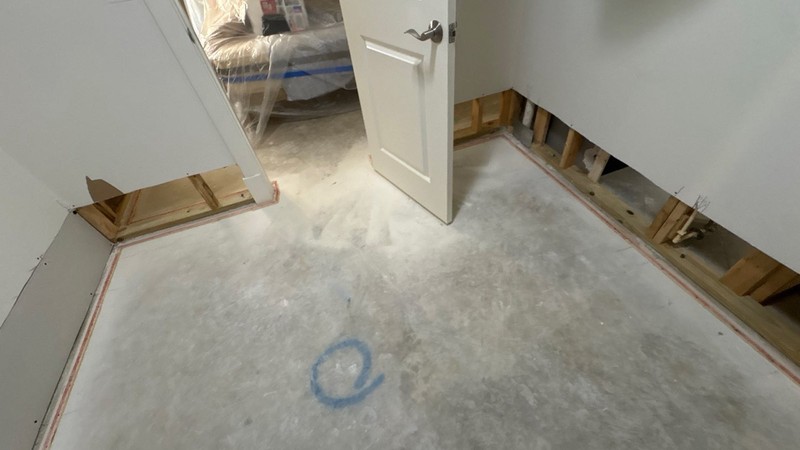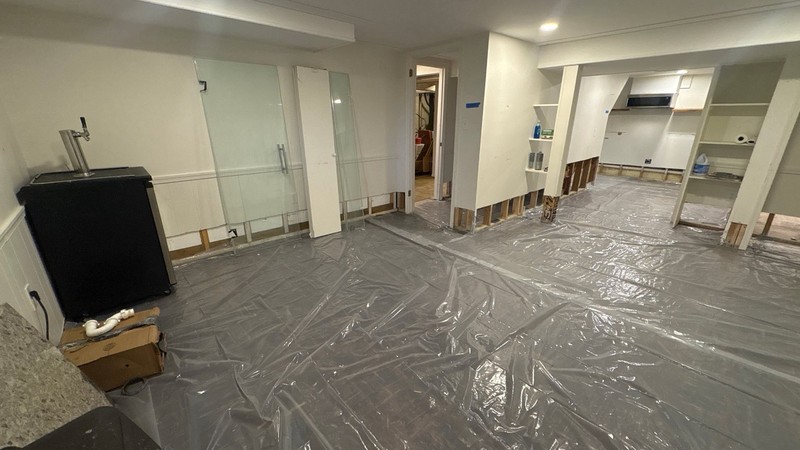
Does Homeowners Insurance Cover Water Damage in Virginia?

BYSteve Jafari, General ManagerNORTHERN VIRGINIA, MARYLAND & D.C.

In Virginia, a standard homeowners policy (HO-3) generally covers water damage that is sudden and accidental — a burst pipe, a failed appliance hose, an overflowing tub, or a storm-driven roof leak. It generally does NOT cover gradual leaks, long-term seepage, poor maintenance, or true flooding from rising surface water (which needs separate flood insurance). Sewer or drain backup is only covered if you added a backup endorsement. About 83% of Restoration Doctor's customers file through insurance, and we work for the homeowner, not the carrier — you pay us directly and we build a carrier-ready claim file you submit to your insurer when you seek reimbursement. Call 1-888-293-5663.
Call 1-888-29-FLOODThe short answer: it depends on how the water got there
Whether your Virginia homeowners insurance covers water damage comes down to one question: was the damage sudden and accidental, or gradual and preventable? Standard policies are built to cover surprises — the burst pipe, the failed water-heater tank, the washing-machine hose that let go while you were at work. They are not built to cover slow problems you could have caught, like a drip under a sink that rotted the cabinet over months, or a roof that has been leaking since last winter.
Virginia is a mostly unregulated market for how carriers word these policies, so the exact language varies — but the sudden-versus-gradual line is consistent across almost every homeowners policy sold in the Commonwealth. The second question that decides coverage is where the water came from: a pipe inside your house is treated very differently from a river, a storm surge, or a backed-up sewer main. Below, we break down each scenario the way an adjuster does.

What water damage is covered by homeowners insurance in Virginia?
A standard Virginia HO-3 policy typically covers water damage that originates suddenly and accidentally inside the home. The most common covered causes we see across Northern Virginia are:
- Burst or frozen pipes — a supply line that ruptures, including pipes that freeze and split during a cold snap (as long as you kept the heat on).
- Failed appliances — a water heater that lets go, a dishwasher or washing machine hose that bursts, a refrigerator icemaker line that fails.
- Overflows — a tub, sink, or toilet that overflows accidentally.
- Sudden plumbing failures — a supply or drain line that breaks behind a wall or under a floor.
- Storm-driven water — rain that enters because wind or a storm first damaged the roof or a window (the water follows a covered event).
What water damage is NOT covered?
Coverage generally stops where maintenance and predictable events begin. These are the exclusions that most often surprise homeowners:
Gradual leaks and seepage. A slow drip that damages materials over weeks or months is treated as a maintenance issue, not a sudden accident. Carriers routinely deny long-term seepage, so catching leaks early matters for coverage as well as for cost.
Flooding from rising surface water. If water rises from the ground up — a swollen creek, a flash flood, storm surge, or heavy rain pooling and entering at grade — that is 'flood,' and it is excluded from every standard homeowners policy in the country. It requires separate flood insurance (through the NFIP or a private flood carrier). Parts of Northern Virginia along the Potomac, Occoquan, and smaller creeks are in mapped flood zones, so this exclusion is not theoretical here.
Sewer and drain backup. When water comes up through a floor drain, toilet, or basement fixture because a sewer or drain line backed up, standard policies exclude it unless you specifically added a water/sewer backup endorsement. It is an inexpensive add-on and one we strongly recommend for any home with a finished basement.
Neglect and long-deferred maintenance. Damage traced to unrepaired roofs, aging plumbing you were warned about, or lack of upkeep is generally denied.
Ground and foundation seepage. Water that seeps through the foundation or basement walls due to hydrostatic pressure is typically excluded under the standard policy.

Covered vs. not covered at a glance
| Water source | Usually covered? | What you need |
|---|---|---|
| Burst or frozen supply pipe | Yes | Standard HO-3 (keep the heat on) |
| Failed water heater or appliance hose | Yes | Standard HO-3 |
| Overflowing tub, sink, or toilet | Yes | Standard HO-3 |
| Storm damages roof, then rain enters | Yes | Standard HO-3 |
| Sewer or drain backup | Only with endorsement | Add a backup endorsement |
| Gradual leak / long-term seepage | No | Not covered — maintenance |
| Rising surface water / flash flood | No | Separate flood insurance (NFIP/private) |
| Foundation / groundwater seepage | No | Generally excluded |
Does insurance cover the mold that follows water damage?
Sometimes — and it usually hinges on whether the underlying water event was covered and how fast you acted. If mold grows as a direct result of a covered sudden loss (say, a burst pipe you reported and mitigated promptly), many policies cover the resulting mold remediation, though often up to a sublimit (commonly $5,000–$10,000 in Virginia policies). If the mold grew from a gradual leak you did not address, it is usually denied along with the leak itself.
This is another reason speed matters: wet organic materials have to be dried within 24–48 hours to prevent mold, and a carrier is far more likely to cover remediation when the documentation shows you stopped the water and started drying immediately. Slow response is one of the most common reasons a mold claim gets reduced or denied.

How do I file a water damage insurance claim in Virginia?
The process is straightforward if you move quickly and document well. First, stop the source and make the area safe. Second, photograph and video everything before you clean, and keep the failed part. Third, call your insurer to open the claim and get your claim number — you do not need their permission to start emergency mitigation, and most policies require you to prevent further damage. Fourth, bring in a restoration company that works for you rather than the insurer and documents the loss to carrier standards, so you have a claim file that is complete when you seek reimbursement.
You are entitled to choose your own restoration contractor in Virginia — your insurer can recommend a 'preferred' vendor, but they cannot require you to use one. A crew that writes the scope in Xactimate (the estimating platform carriers use) and logs daily moisture readings gives your adjuster exactly what they need to approve the work, which is why claims documented that way tend to move faster and get paid more completely. Restoration Doctor handles this end to end: we work for you, not your carrier — we photograph every phase, log the drying data, write the Xactimate scope, and hand you a carrier-ready claim file, which you submit to your insurer when you seek reimbursement.
This is the path most homeowners actually take: about 83% of our customers file a claim. Restoration Doctor still invoices the property owner, never the carrier, and the file we build is what the owner submits for reimbursement. For a genuine sudden loss, the claim is almost always the right financial move, and having the restoration company document to carrier standards from hour one is what keeps that claim from stalling.
What does "sudden and accidental" actually mean?
This single phrase decides more water damage claims in Virginia than any other, so it is worth understanding exactly how carriers read it. "Sudden" means the loss happened at an identifiable point in time rather than developing slowly — a pipe that was intact yesterday and split today. "Accidental" means it was unexpected and unintended, not the natural, foreseeable result of wear or neglect you had reason to address. A supply line that bursts without warning is both sudden and accidental. A drip that stained a ceiling a little more each month for a year is neither, in the carrier's view — even though you may not have noticed it until the damage was obvious.
The practical trap is that the visible damage from a slow leak and a fast leak can look identical by the time you find them, and the burden of showing the loss was sudden usually falls on you. That is why the failed component and the timeline matter so much. Photographs of a cleanly ruptured pipe, the intact-then-failed part set aside for the adjuster, moisture that is concentrated and fresh rather than spread and stained, and a clear account of when you discovered it all support a 'sudden and accidental' finding. Adjusters and their engineers look for staining rings, rust, corrosion, and biological growth as evidence a leak was long-term — so documenting the freshness of the loss on day one is one of the most valuable things you can do.
It also explains why routine maintenance protects your coverage, not just your house. Replacing aging supply hoses, servicing the water heater, and fixing small drips promptly keeps a future loss on the 'sudden' side of the line. A carrier that finds a known, ignored problem behind a claim has grounds to deny it as neglect.

What if my water damage claim is denied?
A denial is not always the end. Read the denial letter carefully — it must state the specific policy provision the carrier is relying on. Many denials rest on a 'gradual leak' or 'maintenance' finding that better documentation can rebut: if you can show the failure was sudden (photos of a clean pipe break, the intact-then-failed part, the timeline), you can ask for reconsideration. You can also request a copy of the adjuster's report and, in Virginia, file a complaint with the State Corporation Commission's Bureau of Insurance if you believe the claim was handled improperly.
The strongest position is one you build on day one, with thorough photos, a preserved failed part, and a professional scope. That is the documentation that turns a disputed claim into an approved one.