Does Insurance Cover Mold Remediation? What's Covered vs. Excluded
BY RESTORATION DOCTOR · NORTHERN VIRGINIA, MARYLAND & D.C.
Insurance usually covers mold remediation when the mold grows out of a sudden, accidental, covered water loss — like a burst pipe or an overflowing appliance — but it typically excludes mold caused by long-term humidity, deferred maintenance, or neglect. The deciding factor is proof of the cause and timeline, so photo documentation, daily moisture logs, and a professional Xactimate scope matter more than anything else. Most policies also cap mold coverage at a set dollar sublimit, often somewhere between $1,000 and $10,000, and flood-caused mold is never covered without a separate flood policy.
Call 1-888-29-FLOODDoes insurance cover mold remediation?
Yes — most homeowners insurance policies cover mold remediation, but only when the mold is the direct result of a sudden and accidental covered water loss, such as a burst supply line, a failed water heater, or an overflowing washing machine. If the mold traces back to gradual seepage, chronic humidity, or maintenance you put off, carriers will almost always deny that portion of the claim under a mold or 'wear and tear' exclusion.
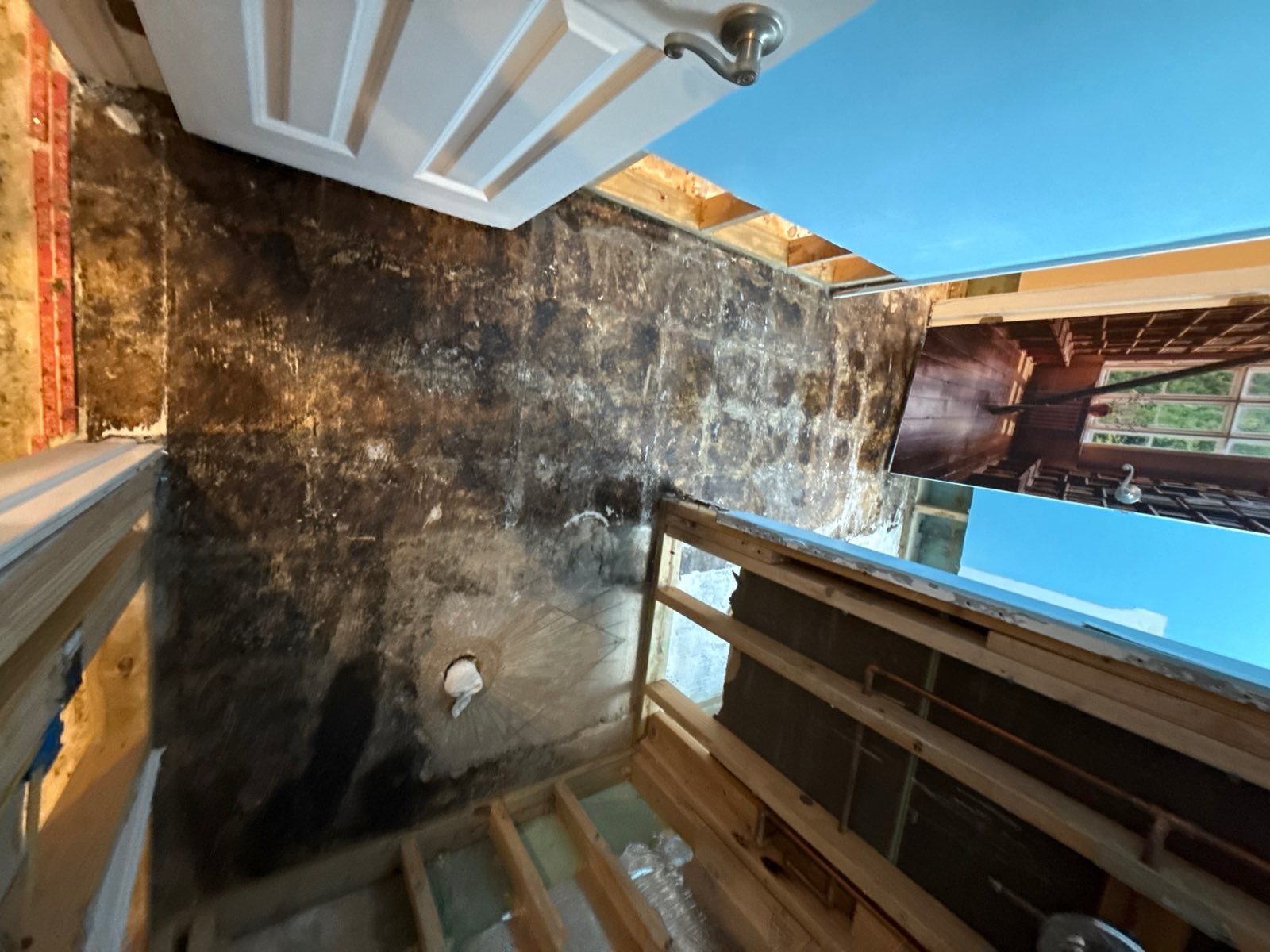
In other words, insurance rarely covers mold as a standalone problem. It covers mold as a consequence of a peril the policy already agreed to pay for. When a pipe bursts on a Tuesday and mold appears on the drywall by Friday, the mold is part of the water-damage chain of events and is usually payable. When mold quietly spreads behind a bathroom wall for two years because a slow leak was never addressed, the carrier views that as a preventable maintenance issue and denies it.
Because the entire outcome hinges on cause and timeline, the way you document the loss on day one often matters more than the mold itself. At Restoration Doctor, we handle water and mold losses across the Virginia, Maryland, and Washington, D.C. tri-state area every week, and the claims that get paid are almost always the ones with a clear, evidence-backed story connecting a covered event to the mold that followed.
When is mold covered by homeowners insurance?
Mold is typically covered when it results from a 'sudden and accidental' event that your policy already lists as a covered peril. The classic covered scenarios all share one trait: the water intrusion was abrupt and unexpected, not slow and foreseeable.
The key phrase adjusters use is 'ensuing loss.' Even if a policy excludes mold in general, many policies still pay for mold when it 'ensues' from a covered water loss — meaning the mold is a downstream effect of something the policy covers. This is exactly why identifying and stopping the source quickly, then documenting it, is so important.
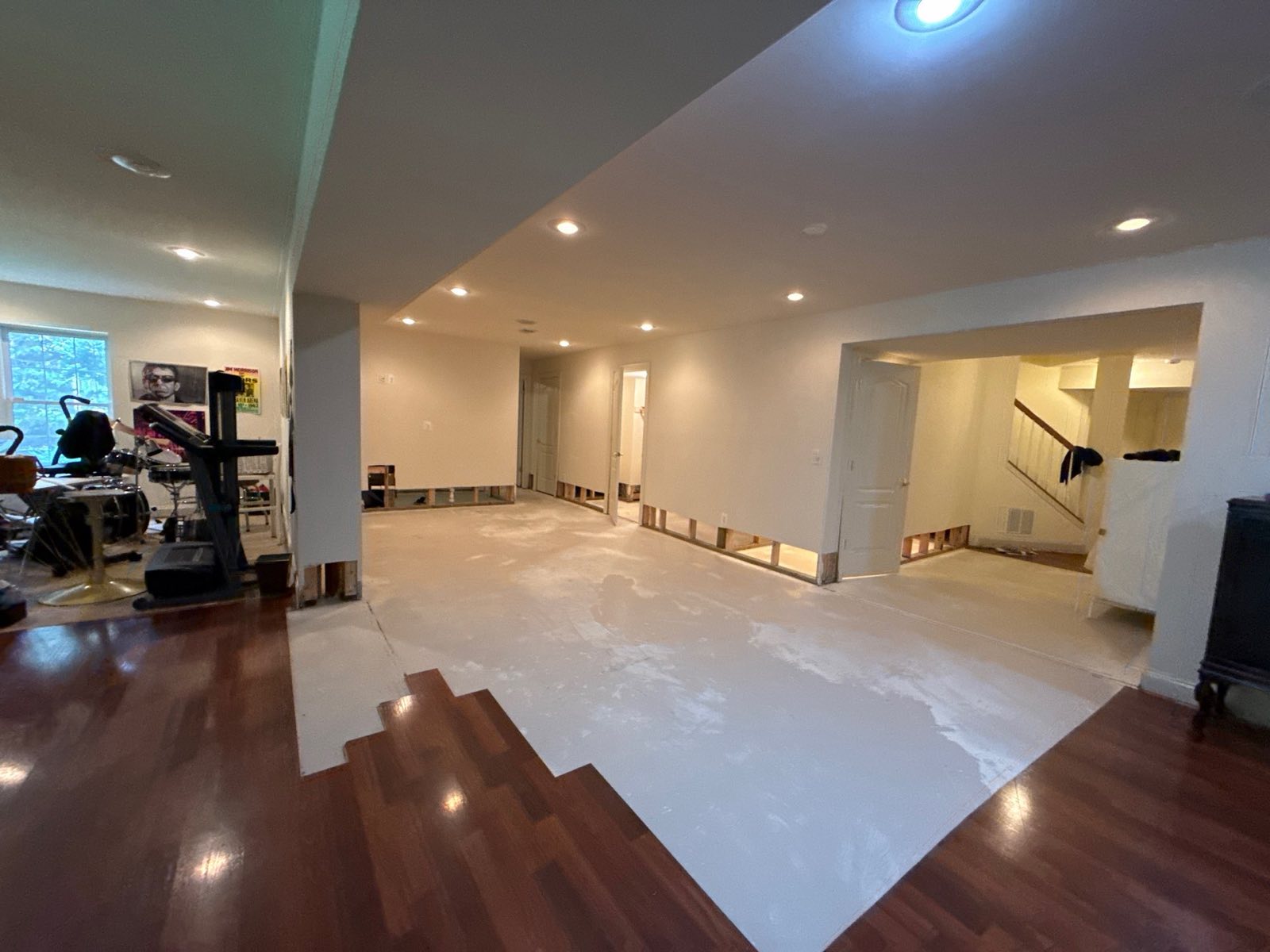
When mold follows a covered loss, remediation performed to the ANSI/IICRC S520 standard is generally payable, along with the demolition, structural drying, and reconstruction needed to reach and repair the affected materials.
One caveat: even in a covered scenario, your policy imposes a duty to mitigate. If you discover a burst pipe and then wait a week to address it, the carrier can argue that the mold portion of the loss stems from your delay rather than the original peril. Reporting the loss promptly and starting professional drying quickly protects both your home and your coverage.
- A burst or frozen pipe that suddenly releases water into walls or ceilings
- A water heater, dishwasher, refrigerator line, or washing machine that fails and floods
- An overflowing toilet or tub (accidental, not chronic)
- Storm damage that lets water in through a suddenly compromised roof or window
- A sudden appliance malfunction that saturates flooring or cabinetry
- Firefighting water used to extinguish a covered fire
When is mold NOT covered by insurance?
Mold is generally NOT covered when it results from long-term humidity, gradual leaks, deferred maintenance, or flooding from outside the home. Insurers treat these as preventable conditions the homeowner was responsible for managing, and nearly every policy contains explicit exclusion language for them.
The most common denial category is 'gradual damage' or 'continuous or repeated seepage.' If water has been leaking or wicking for days, weeks, or months, the carrier argues you had time to notice and fix it, so the resulting mold is your responsibility. High indoor humidity — a chronically damp basement, an unventilated bathroom, or a crawl space with no moisture barrier — falls into the same bucket.
There's also a separate, critical exclusion: flood. Damage from rising surface water, storm surge, or groundwater is not covered by standard homeowners insurance at all. Mold caused by that kind of flooding is only covered if you carry a separate flood policy through the National Flood Insurance Program or a private flood insurer.
- Long-standing leaks under sinks, behind toilets, or in wall cavities that went unrepaired
- Chronic high humidity, condensation, or poor ventilation
- Damp basements and crawl spaces without proper moisture control
- Flooding from outside the home (covered only under a separate flood policy)
- Groundwater or hydrostatic pressure seepage through foundation walls
- Neglected roof or window leaks the homeowner knew or should have known about
What's the difference between a covered and an excluded mold claim?
The dividing line between a covered and an excluded mold claim is almost always the speed and origin of the water. Sudden, accidental, and interior tends to be covered; gradual, foreseeable, or externally sourced tends to be excluded. Understanding which side of that line your situation falls on before you file can save weeks of back-and-forth with your carrier.
Use the comparison below to gauge where your loss likely lands. Keep in mind that even a 'covered' scenario can be reduced or denied if you can't document the cause — and even a borderline case can be paid when the evidence clearly connects the mold to a sudden event.
Mixed-cause losses are the gray zone. If a sudden pipe burst opens up a wall and reveals older, pre-existing mold nearby, the adjuster may try to allocate part of the damage to the excluded condition. This is where dated photos, plumber invoices, and a professional inspection report become decisive — they let you separate the new, covered damage from anything that predates the event.
| Scenario | Typical Outcome | Why |
|---|---|---|
| Burst pipe floods a wall; mold appears days later | Usually covered | Sudden, accidental, covered peril; mold is an ensuing loss |
| Washing machine hose fails and saturates flooring | Usually covered | Sudden appliance malfunction |
| Slow under-sink leak molds the cabinet over months | Usually excluded | Gradual damage / deferred maintenance |
| Chronically humid basement grows mold | Usually excluded | No sudden peril; humidity is a maintenance issue |
| Storm surge or rising river floods the home | Excluded (needs flood policy) | Flood is not a homeowners-covered peril |
| Roof leak the owner ignored for a year | Usually excluded | Foreseeable, preventable condition |
What documentation do I need for a mold insurance claim?
The documentation that decides a mold claim is proof of the cause, proof of the timeline, and a professional scope of the work required to fix it. Carriers pay claims that tell a clear story: here is the sudden event, here is when it happened, here is the resulting damage, and here is what it costs to properly remediate.
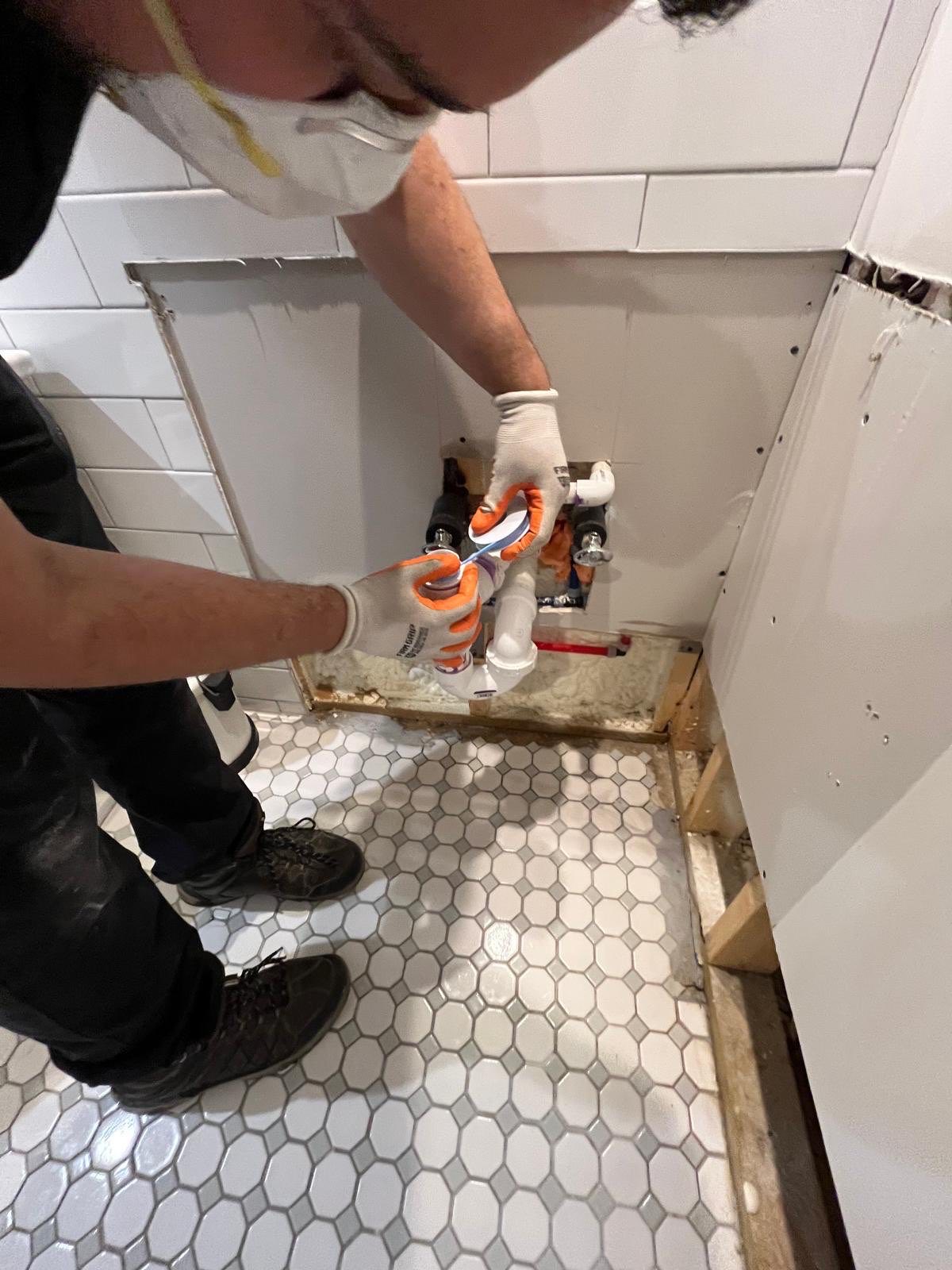
This is where a qualified restoration company earns its keep. When Restoration Doctor responds, we build a carrier-ready claim file that includes a line-item Xactimate scope, CompanyCam photo and video documentation timestamped from the first visit, and daily moisture logs — moisture-meter readings plus psychrometric data such as temperature, relative humidity, and grains per pound — that show drying progress against verified drying goals. That package gives the adjuster the objective evidence needed to approve remediation performed to the ANSI/IICRC S520 standard.
One point we want every homeowner to understand: we bill you, the homeowner, directly — never your insurance company. We work for you, not the carrier. What we hand you is the documentation you need to get reimbursed by your insurer, so the negotiating leverage stays on your side of the table. Learn more about how we support that process on our insurance claims page.
- Photos and video of the water source and visible mold, taken as early as possible
- The date and cause of the water event (receipts, service calls, or plumber invoices help)
- A line-item Xactimate estimate scoping remediation and reconstruction
- Daily moisture and psychrometric logs documenting the dry-out
- Records of any prior repairs showing the home was maintained
- Your policy's declarations page showing mold coverage limits
How much does mold remediation cost, and how much will insurance pay?
Mold remediation typically ranges from a few hundred dollars for a small, contained area to well over ten thousand dollars for extensive contamination involving multiple rooms, HVAC systems, or hidden wall cavities. What insurance pays, however, is often governed by a specific mold sublimit written into your policy rather than the full cost of the work.
Many homeowners policies cap mold coverage at a set dollar amount — commonly somewhere between $1,000 and $10,000 — even when the underlying water loss is fully covered. If your remediation exceeds that cap, you're responsible for the difference unless you purchased additional mold coverage. Some carriers offer a rider or endorsement that raises the limit; it's worth checking your declarations page before you ever have a loss. Remember, too, that your standard deductible applies before any payout, so smaller losses may fall mostly on you.
Because actual costs depend on the size of the affected area, the water category, the materials involved, and the reconstruction required, we quote every project as a range after inspection rather than a flat number. What we can promise is a transparent, line-item scope you and your adjuster can both verify — no guesswork.
| Factor | Effect on Cost |
|---|---|
| Size of affected area | Larger areas increase labor and containment costs |
| Water category (clean vs. contaminated) | Category 2 or 3 water requires more protective protocols |
| Hidden vs. surface mold | Mold in wall cavities or HVAC raises complexity |
| Reconstruction needed | Replacing drywall, flooring, or cabinetry adds cost |
| Policy mold sublimit | May cap what insurance reimburses regardless of total |
How do I file a successful mold claim?
To file a successful mold claim, act fast, stop the water source, document everything, and mitigate the damage — because your policy requires you to take reasonable steps to prevent further loss. Waiting to call not only lets mold spread, it also weakens your case by making the damage look gradual rather than sudden.
Speed is both a coverage issue and a health issue. Under the ANSI/IICRC S500 standard, water is categorized by contamination level, and Category 1 (clean) water can deteriorate to Category 2 or 3 as it sits — often within 24 to 48 hours depending on temperature and conditions — which raises remediation cost and complexity. The faster the water is stopped and structural drying begins, the smaller the mold problem and the cleaner the claim. We respond 24/7 across the Virginia, Maryland, and D.C. tri-state area for exactly this reason.
Most of the homeowners we work with end up filing an insurance claim, and the ones who fare best follow the same basic sequence. Here's the path we walk homeowners through.
- Stop the water source immediately (shut off the supply valve if needed)
- Call for emergency mitigation right away to document and dry the loss — start at /emergency-water-damage
- Photograph the source, the water, and any visible mold before cleanup begins
- Notify your insurance carrier and open a claim promptly
- Keep every receipt and record for temporary repairs and lodging
- Let a professional perform and document remediation to the IICRC S520 standard
- Preserve your carrier-ready file: Xactimate scope, photos, and daily moisture logs
What should I do right now if I find mold after a water leak?
If you've just found mold after a water leak, stop the water at its source, keep people and pets out of the affected area, and call a licensed restoration company for an immediate assessment. Do not start ripping out drywall or scrubbing surfaces yourself — disturbing mold can spread spores throughout the home and can destroy the documentation your claim depends on.
Ventilation and containment matter. Turn off HVAC systems that could circulate spores, avoid running fans that blow directly across visible mold, and resist the urge to 'clean up before the adjuster sees it.' The condition as-found is your best evidence. A professional will set proper containment, capture the scene, and remediate under controlled conditions per the S520 standard.
Then call us. Restoration Doctor operates 24/7 and serves the entire Virginia, Maryland, and Washington, D.C. tri-state area from our Vienna, Virginia headquarters at 8609 Westwood Center Dr, Ste 110-1062, Vienna, VA 22182. Reach us at 1-888-293-5663 or through our contact page, and we'll respond fast, stop the damage, and build the claim file that gives you the best chance at full reimbursement.