
Sewer and Septic Backup: Questions About Your Virginia Policy

BYSteve Jafari, General ManagerNORTHERN VIRGINIA, MARYLAND & D.C.
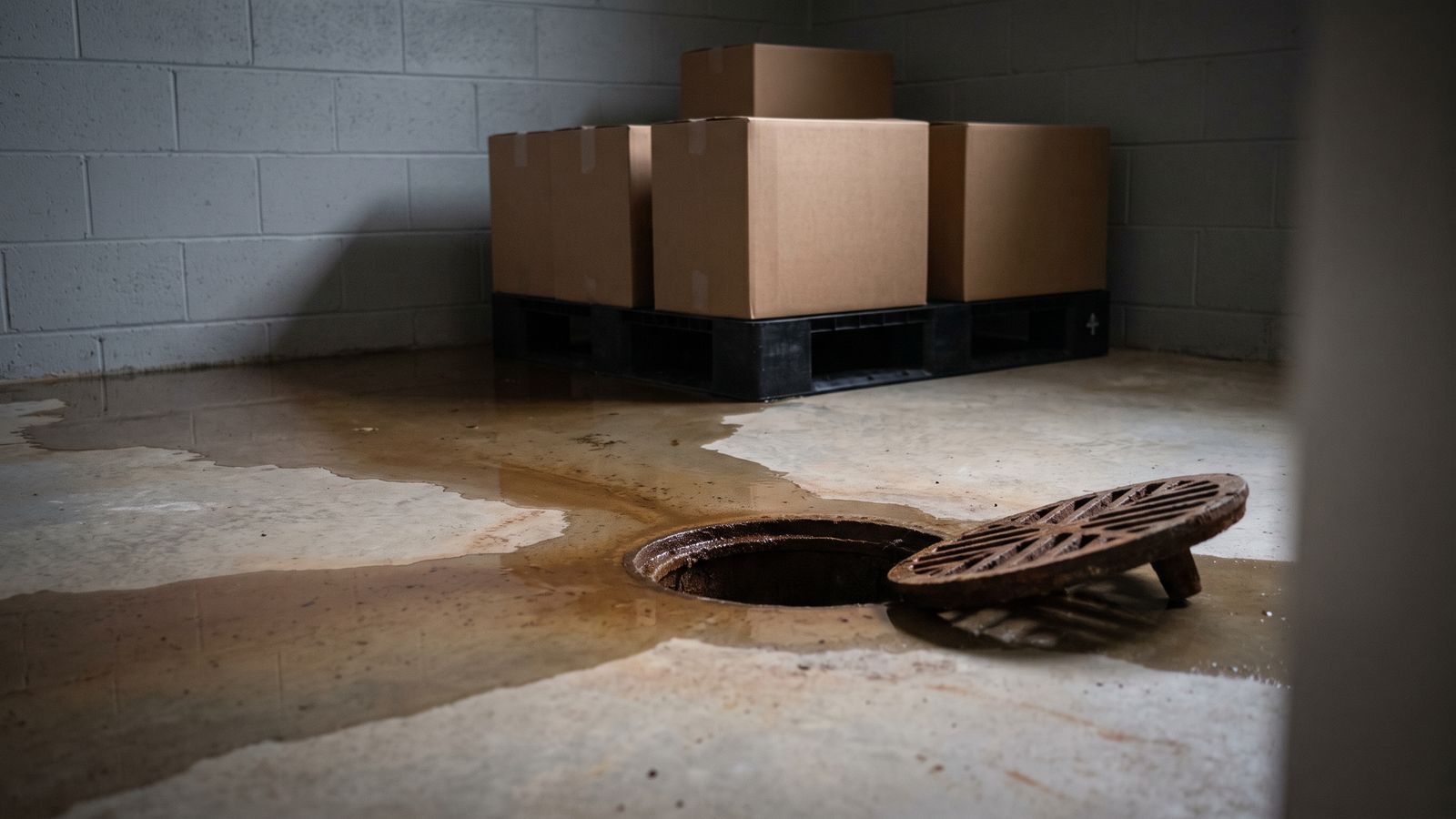
A sewer and water backup endorsement is an addition to a homeowners policy. Coverage depends on your policy and your insurer's decision. Questions about coverage belong with your insurer, your agent, or a licensed public adjuster or attorney. This guide explains how septic and public sewer backups differ, why sewage is treated as Category 3 water, what to document in the first hours, and what records we provide. We invoice the property owner and do not represent you in your claim.
Call 1-888-29-FLOODWhat is a sewer backup endorsement?
An endorsement is an addition to an insurance policy. A sewer or water backup endorsement is the kind of addition that insurers and agents use when they are talking about water that comes back up through a sewer, a drain, a sump pit or a septic system. It goes by several names on policy paperwork, such as water backup and sump discharge, or sewer and drain backup.
Your declarations page lists the endorsements attached to your policy. Coverage depends on your policy and your insurer's decision. Questions about coverage belong with your insurer, your agent, or a licensed public adjuster or attorney.
- Look at your declarations page for a line naming water backup, sump overflow, or sewer and drain backup
- Ask your insurer or agent what any endorsement on your policy says
- Ask whether a separate service line endorsement is on your policy, since that is a different document
How does a septic backup differ from a public sewer backup?
The water ends up in the same place, the lowest fixture in the house, but the cause and the records are different.
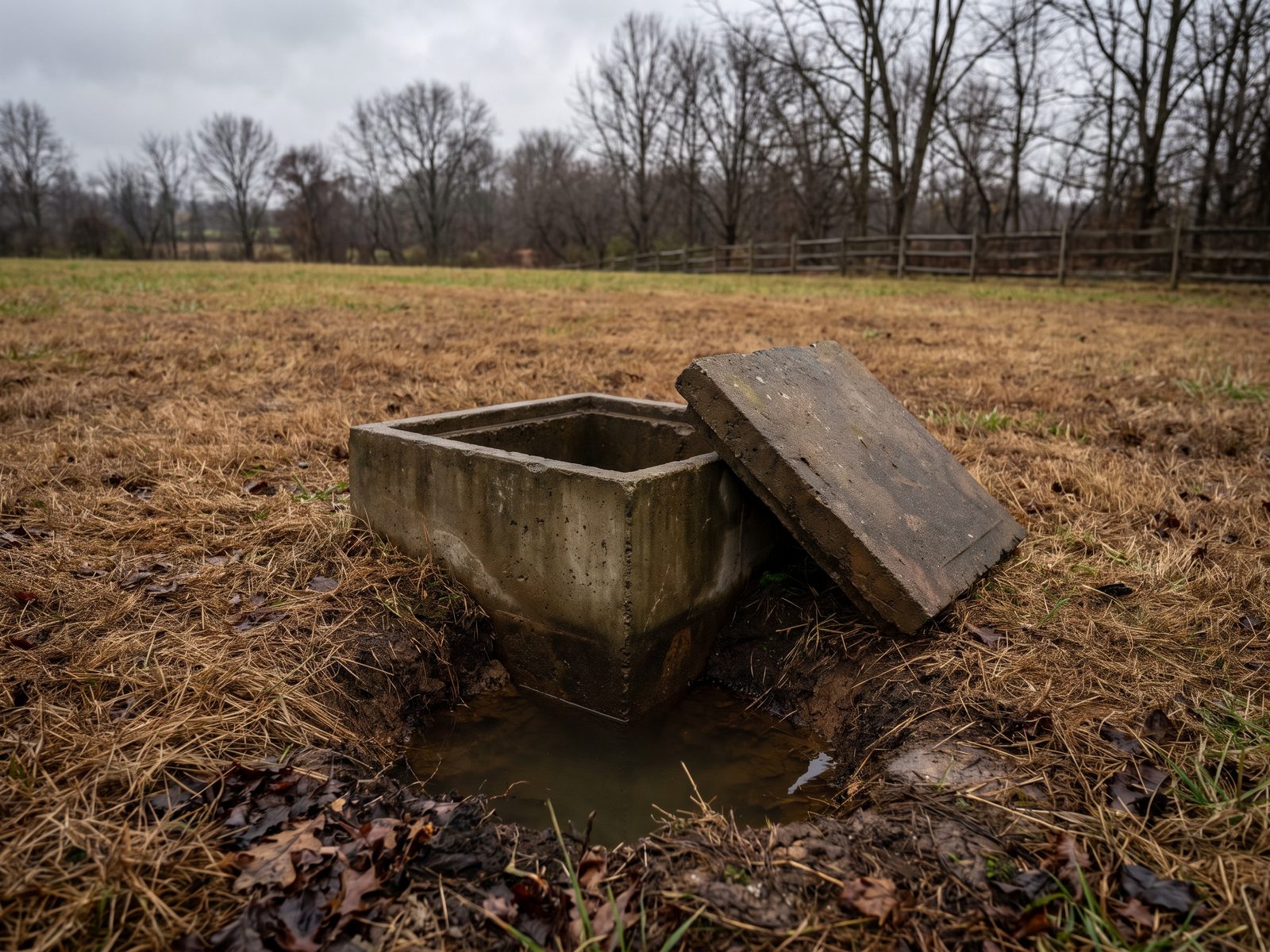
Our service area holds both failure stories at once. Fairfax and Arlington, along with Alexandria and Falls Church, sit on aging public sanitary mains, where a surcharge during heavy rain can push water back into the lowest fixture in the house. Much of Loudoun and western Prince William runs private septic, where a saturated drain field leaves the tank nowhere to discharge.
On a public sewer loss, the utility may keep a record of the event, and it can be worth asking for it by date. On septic there is no utility to call. Get the septic contractor's written findings, photograph the tank and distribution box while they are open, and keep the pump-out ticket.
What questions should I take to my insurer or agent?
Policy language varies, and we do not interpret it. Coverage depends on your policy and your insurer's decision. Questions about coverage belong with your insurer, your agent, or a licensed public adjuster or attorney. These are questions people commonly bring to their insurer or agent after a backup:
- Is a water backup or sewer endorsement on my policy, and what does its wording say?
- Is there a separate limit or deductible for this type of loss, and where is it listed?
- Does my policy treat a septic backup differently from a public sewer backup?
- Is the failed pipe, tank or pump handled differently from the damage inside the home?
- What notice or paperwork does my policy ask for after a loss?
How does a backup work out in a condominium or townhouse?
In a condominium, the sewer and drain line is often a common element owned by the association, while the fixtures and finishes inside a unit belong to the unit owner. A blockage in a shared stack discharges into whichever fixture sits lowest, which is why a ground-floor unit can take damage from a problem created several floors up.
Your governing documents describe what the association maintains and what you maintain. Coverage depends on your policy and your insurer's decision. Questions about coverage belong with your insurer, your agent, or a licensed public adjuster or attorney. Your association can also tell you who is responsible for the building's shared plumbing.

What is the difference between a backup, a flood and a service line failure?
These three look alike in a basement but they are different events. A backup is water arriving from inside the plumbing system: up a drain, a toilet or a sump pit. A flood is surface water arriving from outside and spreading across neighboring property. A service line failure is a failure of the buried pipe between the street and your house.
Heavy rain can cause more than one of these in a single night. If groundwater came through a foundation wall while sewage came up a floor drain, we record each entry point separately, with photographs, before demolition begins. Which events your policy addresses is a question for your insurer or agent.
What contamination category is a sewer or septic backup?
Under the ANSI/IICRC S500 standard for professional water damage restoration, a sewer or septic backup is Category 3 water, the grossly contaminated class. It may carry bacteria and viruses, and the standard treats porous material it contacted as contaminated waste rather than something to clean and reuse.
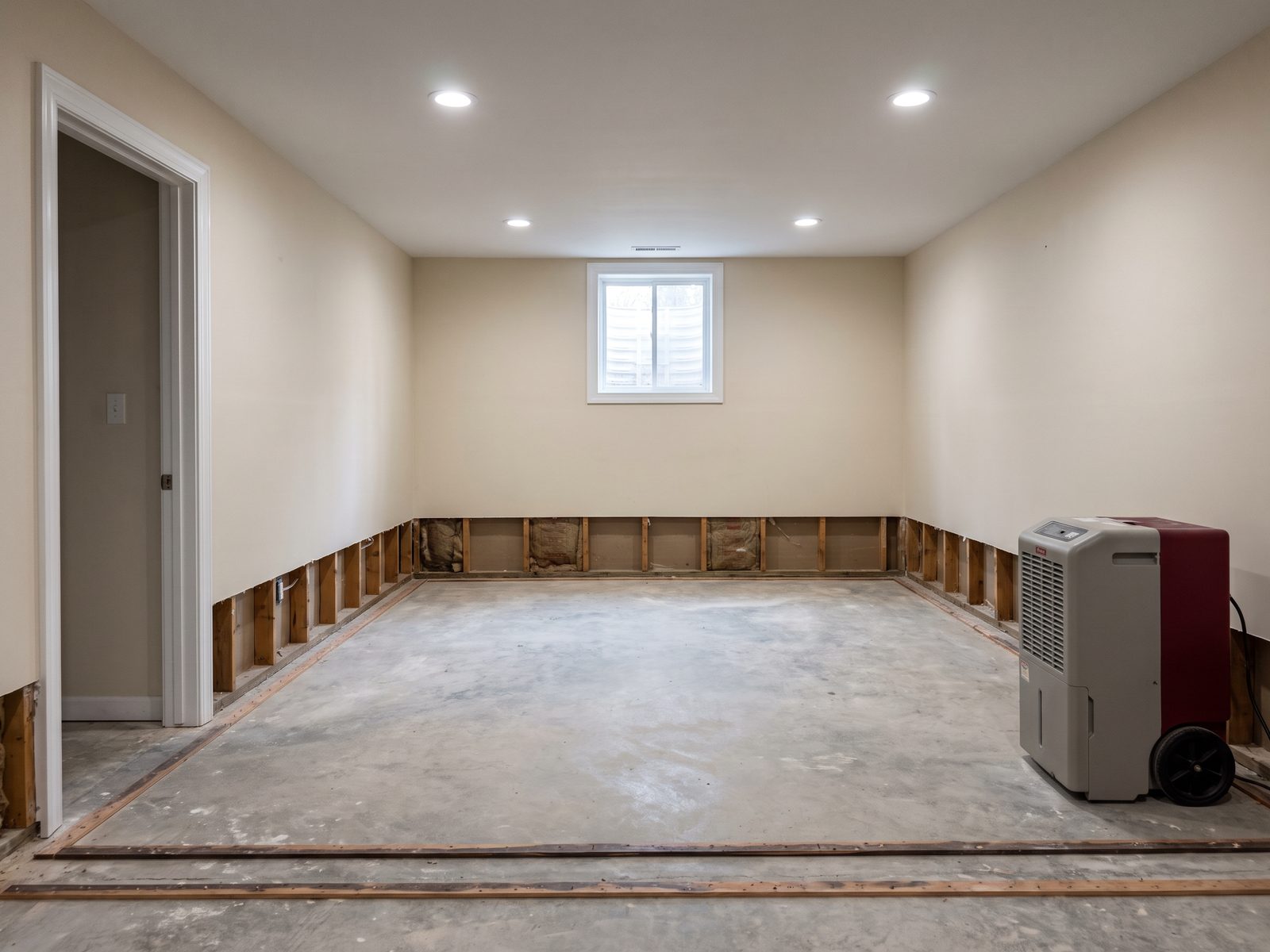
That is why a sewage loss is handled differently from a clean-water loss. Clean water from a burst supply line can often be dried in place. With Category 3, carpet and pad come out, drywall is cut above the waterline, insulation is bagged, and then the structure is cleaned, treated and dried under containment with HEPA filtration.
Stay off the level until it is contained. EPA guidance says wet porous materials left for a couple of days can begin growing mold on top of the bacterial problem. Anyone with asthma, another chronic lung condition or a weakened immune system should stay off the level entirely, because those are the groups EPA and CDC single out for mold exposure. The HVAC system should stay off while contaminated air can reach the return.
What should I do in the first hour?
Stop using water anywhere in the house, because every flush adds volume to a system that has nowhere to go. Keep people and pets off the affected level. If water is anywhere near outlets, the panel or a gas appliance, shut that level off at the breaker before going down. Do not start pulling carpet: contaminated water is a professional scope.
Then document before anything moves. Photograph the standing water at full depth, the fixture it came from, the waterline on the walls and the contents on the floor. On a septic system, photograph the tank lid and distribution box when the contractor opens them.
- The date and time the backup started, and how you first noticed it
- Photographs and video of standing water, the source fixture and the waterline, before demolition
- The plumber's or septic contractor's written findings and invoice, naming the cause
- The utility's record of a main surcharge, if the property is on public sewer
- Our moisture readings, drying logs and photos
- A contents list with rough ages and values for anything discarded
Who can answer my questions about my policy or a claim?
Coverage depends on your policy and your insurer's decision. Questions about coverage belong with your insurer, your agent, or a licensed public adjuster or attorney.
Restoration Doctor is hired by the property owner under a written agreement, and we invoice the property owner. We do not represent you in your claim. We provide our photos, moisture readings, equipment logs and line-item invoice to you and, if your insurer requests our records, we provide them with your permission.
How can I reduce the chance of another backup?
Have the lateral camera-scoped if the house is older or has mature trees near the run. Fit a backwater valve where the plumbing allows, put the sump pump on a battery backup, and pump the septic tank on a schedule. Keep storage off the slab on shelving or pallets.
Questions about your policy belong with your insurer or your agent.
- Sources and standards referenced above. ANSI/IICRC S500 water damage restoration standard
- EPA guidance on mold cleanup after water intrusion
- EPA brief guide to mold and moisture
- CDC on mold health risk


