Emergency Water Extraction: Why Speed Decides the Size of Your Loss
BY RESTORATION DOCTOR · NORTHERN VIRGINIA, MARYLAND & D.C.
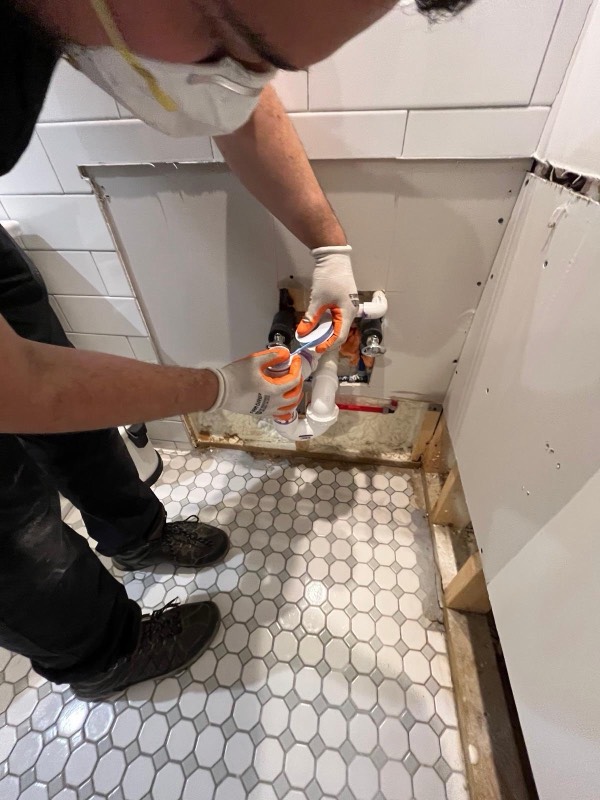
Emergency water extraction is the rapid removal of standing and absorbed water using truck-mounted or portable extractors, and the speed of that response directly controls the size of your loss. Water migrates into drywall, subfloor, and framing within minutes, and materials left wet past 24 to 48 hours are at risk for mold, so every hour of delay adds cost. Restoration Doctor dispatches 24/7 across the Virginia, Maryland, and Washington, D.C. tri-state area, with a median on-site arrival of 47 minutes in our Northern Virginia core, to stop the spread before it becomes structural.
Call 1-888-29-FLOODWhat is emergency water extraction and why does speed matter?
Emergency water extraction is the fast, professional removal of standing and absorbed water from your home using high-capacity pumps and extractors before that water can soak deeper into building materials. Speed matters because water damage is not a one-time event — it is a spreading process. The longer water sits, the more materials it ruins and the more the restoration costs.
Within the first minutes, water spreads horizontally across floors and wicks upward into drywall, baseboards, and cabinetry through capillary action. What looks like a small puddle in the kitchen is often already traveling under the cabinets, into the subfloor, and behind the walls where you cannot see it. Fast extraction removes the bulk water so it stops migrating and stops feeding the materials it has already reached.
This is why emergency water extraction is the single most important step in any water damage response. Everything that follows — drying, dehumidification, and repair — is easier, faster, and cheaper when the standing water was removed quickly. Delay does the opposite: it turns a Category 1 clean-water event into a larger, sometimes contaminated, structural loss. Restoration Doctor treats extraction as an emergency because, physically, it is one — our crews respond 24/7 and reach most Northern Virginia homes with a median arrival of 47 minutes.
How fast does water damage spread through a home?
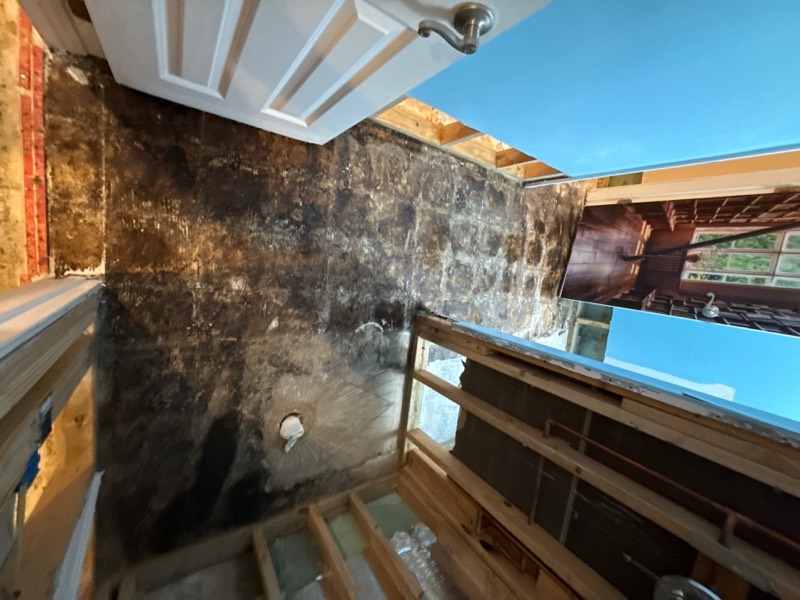
Water damage begins spreading immediately and follows a predictable timeline you can think of as the saturation clock. Within minutes, water covers floors and absorbs into porous materials; within hours, drywall swells and finishes delaminate; past one to two days, materials still wet are at risk for mold; and if they stay wet for a week, structural warping and serious microbial growth set in.
Understanding this timeline explains why a delayed response costs so much more than a fast one. The materials in your home act like sponges with different absorption rates — carpet and pad soak up water almost instantly, drywall wicks moisture upward steadily through capillary action, and hardwood and subfloor absorb more slowly but hold water far longer and are far harder to dry once saturated.
The industry standard that governs this work, the ANSI/IICRC S500 Standard for Professional Water Damage Restoration, emphasizes prompt water removal precisely because moisture left in place continues to migrate and degrade materials, while moisture extracted early cannot. The saturation clock is the reason we measure our response in minutes, not hours.
| Time elapsed | What is happening | Typical impact |
|---|---|---|
| 0–60 minutes | Water spreads across floors and wicks into drywall, carpet, and baseboards | Fully recoverable if extracted fast |
| 2–24 hours | Drywall swells, furniture finishes bleed, metal begins to tarnish, odor develops | Some porous materials now at risk |
| 24–48 hours | Surfaces still damp are at risk for mold growth | Remediation may now be required |
| 3–7+ days | Structural warping, sustained mold growth, compromised framing and subfloor | Major repair and higher restoration cost |
What equipment is used for professional emergency water extraction?
Professional emergency water extraction relies on truck-mounted and portable extraction units, submersible pumps, and specialized wands and weighted tools that pull water out of carpet, pad, and hard surfaces far faster than any consumer device. Truck-mounted extractors in particular generate powerful, continuous vacuum and can remove hundreds of gallons per hour without needing to be emptied.
The right tool depends on how much water is present and where it has gone. Submersible pumps handle several inches of standing water quickly. Once the standing water is down, extraction wands and weighted extraction tools compress carpet and pad to squeeze out trapped water. For water beneath hardwood or trapped in wall cavities, specialty drying systems such as floor-drying mats and wall-cavity injection equipment deliver controlled airflow to moisture that surface tools cannot reach.
After the bulk water is removed, the equipment shifts to drying: high-velocity air movers drive evaporation at material surfaces, and commercial dehumidifiers pull that evaporated moisture out of the air so it cannot re-absorb into the structure. This combination — extraction first, then controlled evaporation and dehumidification — is the core of the psychrometric science behind a proper dry-out.
- Truck-mounted extractors — highest capacity, continuous removal for large losses
- Portable extractors — access to upper floors and tight spaces
- Submersible and trash pumps — rapid removal of deep standing water
- Extraction wands and weighted tools — pull water from carpet and pad
- Air movers — create high-velocity airflow to accelerate surface evaporation
- Commercial dehumidifiers (LGR and desiccant) — remove airborne moisture to prevent re-saturation
- Moisture meters and thermal imaging — locate hidden water behind walls and under floors
How quickly can Restoration Doctor reach my home for water extraction?
Restoration Doctor dispatches emergency water extraction crews 24 hours a day, seven days a week, with a median on-site arrival of 47 minutes across Northern Virginia and a service-level target of being on-site within 60 minutes across our core area. When water is spreading by the minute, that response window is often the difference between drying your existing materials and replacing them.
Our crews arrive equipped to begin extraction immediately rather than assess and return later. Submersible pumps, truck-mounted or portable extractors, air movers, dehumidifiers, and moisture-mapping tools are on the truck when we pull up. Beginning extraction in the first hour is how we keep clean-water events inside the 24-to-48-hour drying window EPA identifies for preventing mold growth.
Serving homes and businesses across the Virginia, Maryland, and Washington, D.C. tri-state area, we have refined our dispatch and routing so that speed is consistent, not lucky. If you have active water, the most valuable thing you can do is call our 24/7 line at 1-888-293-5663 or reach us through our emergency water damage page while you shut off the source.
What are the steps in the emergency water extraction process?
The emergency water extraction process follows a defined sequence: stop the source, assess safety and water category, extract standing water, remove unsalvageable materials, then set up structural drying and daily monitoring. Each step is documented so the work is verifiable and, if you file a claim, defensible.
First, our technicians identify and stop the water source and address any electrical or contamination hazards. Next, they classify the water — Category 1, 2, or 3 under IICRC S500 — because the category dictates what can be saved and what protective protocols apply. Then extraction begins in earnest, pulling standing and absorbed water from the lowest and most saturated areas outward.
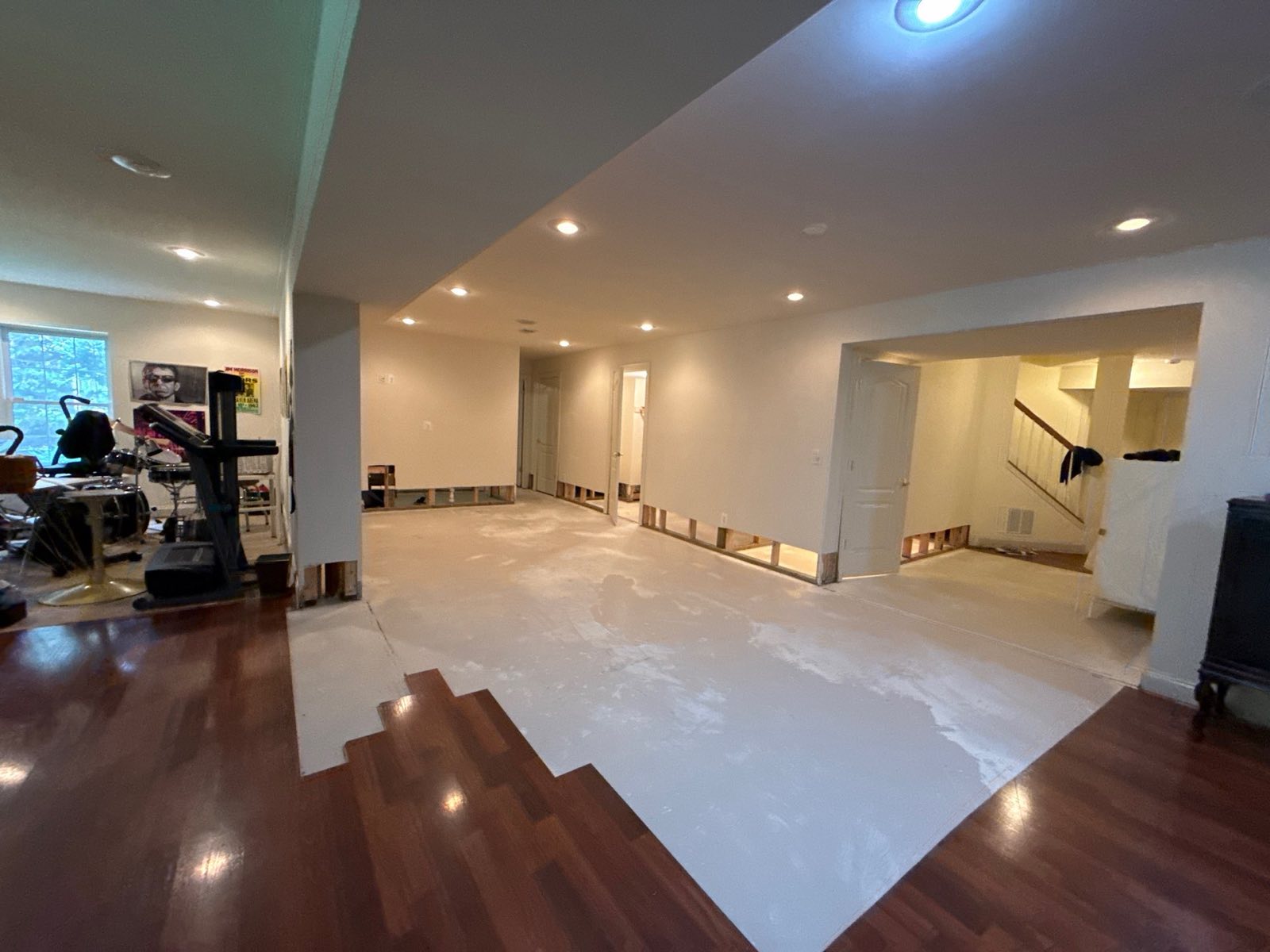
Once the bulk water is gone, the team removes materials that cannot be dried in place, such as saturated pad or swollen drywall below the water line, and positions air movers and dehumidifiers to dry the remaining structure. Throughout the process we capture CompanyCam photo documentation and daily moisture logs so drying is measured against a defined drying goal rather than guessed at. A typical structural dry-out runs about 4.5 days, monitored daily until materials reach verified dry benchmarks.
- Stop the source and secure electrical and slip hazards
- Classify the water category (1, 2, or 3) per IICRC S500
- Extract standing and absorbed water with pumps and extractors
- Remove unsalvageable porous materials below the water line
- Deploy air movers and dehumidifiers for structural drying
- Document with photos and daily moisture readings until a verified drying goal is met
Why isn't a shop vac or wet vac enough for water damage?
A shop vac or wet vac is not enough because consumer devices have small capacity, weak vacuum, and no ability to pull water out of pad, subfloor, or wall cavities — the exact places water hides and causes long-term damage. They can pick up a surface spill, but they cannot address the water that has already wicked into building materials.
The problem is not just the water you can see; it is the water you cannot. Drywall, insulation, subfloor, and framing hold moisture that surface tools never reach. Even if a floor looks dry after a wet vac pass, moisture meters routinely show elevated readings deep in the materials — and that trapped moisture is exactly what fuels mold growth and warping over the following days.
Professional extraction also pairs water removal with controlled drying and measurement. Removing visible water is only half the job; the other half is verifying, with instruments, that materials have returned to their drying goal. Without that verification, homeowners often believe a DIY cleanup succeeded, only to discover mold behind the baseboards weeks later. If you are unsure how deep the water went, our water damage restoration team can map the moisture and tell you what is actually wet.
Does the water category change how extraction is handled?
Yes — the water category determines both the extraction method and how much can be saved, because it reflects how contaminated the water is. IICRC S500 defines three categories: Category 1 is clean water from a sanitary source such as a supply line, Category 2 is gray water with significant contamination, and Category 3 is grossly contaminated black water from sources like sewage backups or rising floodwater.
Category 1 clean water gives you the most options: fast extraction can often save carpet, pad, and drywall if the response is quick. Category 2 gray water, from sources like a dishwasher or washing-machine overflow, requires more caution and typically more material removal. Category 3 black water demands full contamination protocols — affected porous materials are removed and disposed of, the area is cleaned and sanitized, and technicians work in appropriate personal protective equipment.
Category also degrades over time: Category 1 water that sits can deteriorate to Category 2, and Category 2 can deteriorate to Category 3. That progression is another reason speed matters — fast extraction can preserve a lower, safer, cheaper-to-remediate category. When contamination is involved, our crews follow Category 3 protocols, and mold concerns are handled under the ANSI/IICRC S520 mold remediation standard through our mold remediation team.
| Category | Typical source | Extraction approach |
|---|---|---|
| Category 1 (Clean) | Broken supply line, overflowing sink, rainwater | Rapid extraction; many materials salvageable if dried fast |
| Category 2 (Gray) | Dishwasher/washer overflow, sump discharge | Cautious extraction; more porous material removal |
| Category 3 (Black) | Sewage backup, rising floodwater, standing contaminated water | Contamination protocols; affected porous materials removed and area sanitized |
Will insurance cover emergency water extraction?
Emergency water extraction is frequently covered when the water damage is sudden and accidental — such as a burst pipe or an appliance failure — though coverage depends on your specific policy and the cause of loss. Sudden events are commonly covered, while gradual leaks and unaddressed maintenance issues are often excluded.
Restoration Doctor works for you, not your insurance company. We bill you, the homeowner, directly and hand you a carrier-ready claim file — including an Xactimate scope, CompanyCam photo documentation, and daily moisture logs — so you have organized, professional evidence to submit to your carrier. Thorough documentation that starts in the first hour makes claims far smoother than trying to reconstruct the loss after the fact.
Because coverage often hinges on demonstrating that the loss was sudden and that mitigation was prompt, fast extraction actually strengthens your claim. Most policies require you to take reasonable steps to prevent further damage; calling for emergency extraction immediately is exactly that step. For help understanding the process, see our guidance on insurance claims or reach out through our contact page.
What should I do in the first 60 minutes of a water emergency?
In the first 60 minutes, prioritize safety, stop the water source, and call for professional extraction — in that order. These early actions protect your family and dramatically shrink the eventual loss by shortening the time water spends sitting in your home.
If it is safe to do so, shut off the water at the source or the main valve, and turn off electricity to affected areas at the breaker if water is near outlets or appliances. Move valuables, electronics, and furniture out of standing water, and lift draperies and lamp cords off wet floors. Do not walk through water if you suspect it is contaminated or if electrical hazards may be present.
Then call for help immediately so extraction can begin while the water is still fresh and the category is still low. Document what you can with photos before moving things, but do not delay the call to do so. Restoration Doctor's 24/7 emergency line is 1-888-293-5663, and our crews reach most Northern Virginia homes with a median arrival of 47 minutes — fast enough to matter on the saturation clock.
- Ensure personal safety first; avoid contaminated water and electrical hazards
- Shut off the water source or main valve if safe
- Cut power to affected areas at the breaker if water is near electrical
- Move valuables and furniture out of standing water
- Take photos for documentation before disturbing the scene
- Call 24/7 for professional extraction: 1-888-293-5663