Storm Damage Restoration: What Happens After the Water Comes In

BYSteve Jafari, General ManagerNORTHERN VIRGINIA, MARYLAND & D.C.

Storm damage restoration is the emergency and structural recovery process that follows wind, roof, or flood-driven water intrusion: crews stop the water source (board-up and tarp), extract standing water, dry the structure to a verified moisture standard over roughly 4.5 days, and document everything for your records. The faster extraction begins, the lower your risk of rot, mold, and secondary damage. Restoration Doctor responds 24/7 across the Virginia, Maryland, and Washington, D.C. tri-state area with a median arrival of 47 minutes. Response times vary based on crew availability and demand.
Call 1-888-29-FLOODWhat is storm damage restoration and what happens after the water comes in?
Storm damage restoration is the multi-step process of stabilizing your property, removing intruding water, drying the structure, and rebuilding after a wind, roof, or flood event. The moment water comes in, the clock starts: within hours, drywall wicks moisture upward, insulation loses R-value, and organic materials begin to break down — so the first goal is always to stop the source and extract standing water fast.
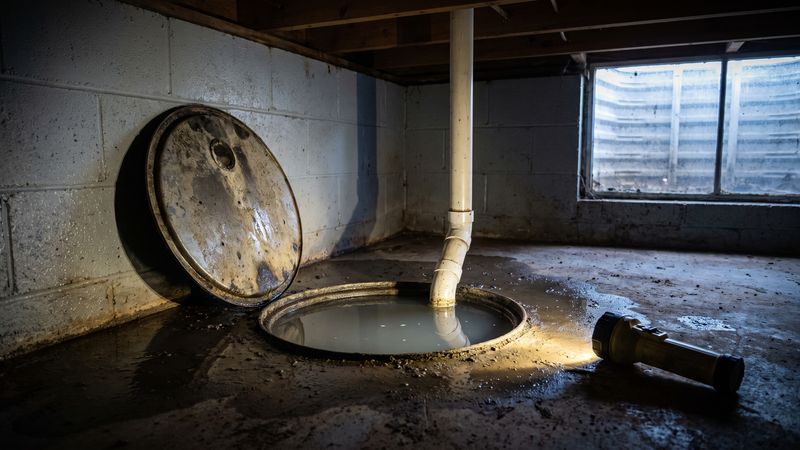
In the Virginia, Maryland, and D.C. tri-state area, most storm losses fall into three patterns: wind-driven rain through a compromised roof or window, roof failure from fallen limbs or lifted shingles, and ground-level flooding from overwhelmed storm drains and rising creeks. Each demands a slightly different response, but the sequence is consistent — secure the envelope, remove the water, dry to standard, then repair.
Restoration Doctor follows the ANSI/IICRC S500 standard for water damage restoration and ANSI/IICRC S520 for mold remediation, and treats rising flood water under Category 3 contaminated-water protocols. Our crews have completed over 10,000 restoration projects across Virginia, Maryland, and D.C., and we respond 24/7. If your home is actively taking on water right now, call 1-888-293-5663 or visit our /emergency-water-damage page — every hour of delay expands the damage footprint.
What should I do in the first hour after a storm floods my home?
In the first hour, prioritize safety, then stop or slow the water, then document. Do not walk into standing water if the power is still on, and never touch the electrical panel with wet hands or while standing on a wet floor — shut off power at the breaker only if you can reach it safely and the floor around it is dry.
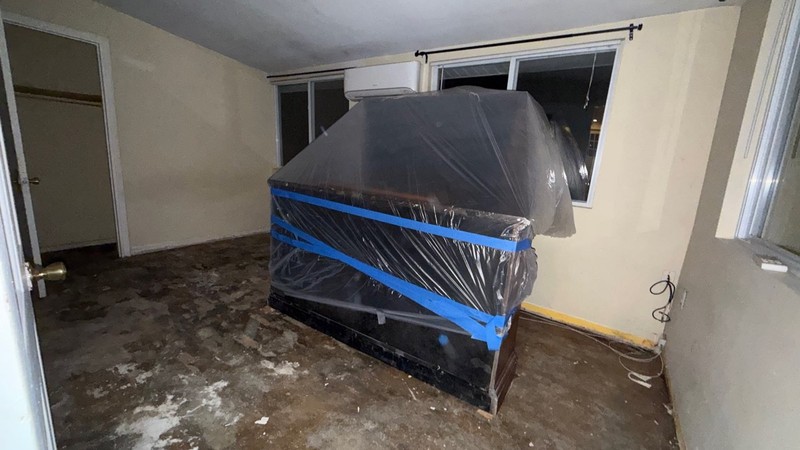
Once it's safe, take photos and video of everything before you move a single item. This visual record documents the damage before anything is moved. Then begin removing what you can — lift small furniture onto blocks or foil, pull area rugs off wet flooring, and get valuables, electronics, and documents to a dry level.
Call a professional restoration company early, even before you've fully assessed the damage. Extraction and drying that begin within the first 24 to 48 hours dramatically reduce the odds of mold growth and permanent structural damage.
- Ensure electrical safety before entering standing water — cut power only if you can do it safely.
- Photograph and video all damage before moving anything.
- Move valuables, electronics, and documents to a dry area.
- Stop the source if you safely can (shut off supply lines, cover a roof breach from inside).
- Call 24/7 emergency restoration at 1-888-293-5663 — don't wait for the storm to fully pass.

What is emergency board-up and tarping, and why does it matter?
Emergency board-up and roof tarping are temporary protective measures that seal your building's envelope so no additional water, wind, debris, or intruders can enter after the initial damage. This matters because leaving an open roof or broken window unprotected invites further water, wind, and debris damage.
When a limb punches through your roof or wind blows out a window, the opening keeps letting rain in with every passing band of the storm. A properly installed tarp or plywood board-up stops that ongoing intrusion, which is why crews often perform it before extraction even begins. It's damage control in the most literal sense.
Board-up and tarping also make the drying phase possible. There's no point running commercial dehumidifiers if outdoor air and rain are still pouring through a hole in the roof — controlled drying requires a closed drying environment, and sealing the envelope is what creates it.
How does water extraction and structural drying work after a storm?
Water extraction removes standing and absorbed water using truck-mounted and portable extractors, followed by structural drying that uses air movers and dehumidifiers to pull remaining moisture out of building materials down to a verified dry standard. Extraction handles the bulk water you can see; drying handles the moisture hidden inside drywall, subfloor, framing, and insulation that you can't.
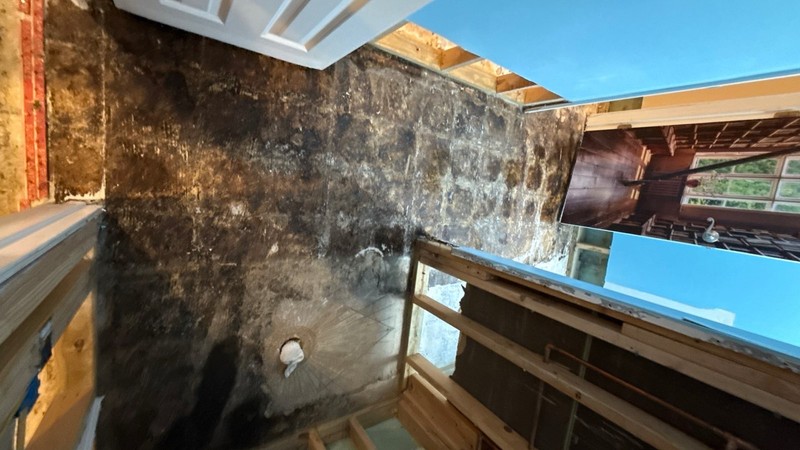
After extraction, technicians take readings with moisture meters and apply psychrometric principles — measuring temperature, relative humidity, and grains of moisture per pound of air — to design a drying plan. Air movers accelerate evaporation off wet surfaces while dehumidifiers capture that moisture from the air; the two work together as a system. Non-salvageable saturated materials like soaked drywall or contaminated carpet pad are removed to speed drying and prevent hidden mold.
Crews return daily to log moisture levels and adjust equipment until each material reaches its documented drying goal. This daily monitoring, standard practice under IICRC S500, is what separates real structural drying from simply pointing fans at a wet floor. You can learn more about the full process on our /services/water-damage-restoration page.
- Extraction: truck-mounted and portable units remove standing water first.
- Assessment: moisture meters and psychrometric readings map hidden wet zones.
- Air movement: air movers accelerate surface evaporation.
- Dehumidification: commercial units pull moisture from the air.
- Selective demolition: unsalvageable saturated materials are removed.
- Daily monitoring: moisture logs track progress to a verified dry standard.

What are the water categories in a storm loss, and why do they matter?
Water is classified into three categories under IICRC S500, and the category determines how much can be salvaged versus removed. Category matters because it dictates safety protocols, what materials must be discarded, and how the restoration is documented.
Clean rainwater entering through a roof leak may start as Category 1, but water degrades over time and once it contacts contaminated surfaces or materials. Ground-level flood water from storm drains, creeks, and sewer backups is classified as Category 3 — grossly contaminated water — because it can carry sewage, chemicals, and pathogenic agents. Category 3 losses require contamination-control protocols, personal protective equipment, and the removal of most porous materials the water contacts.
Understanding the category early prevents dangerous mistakes, like trying to dry and reuse carpet that's been soaked in contaminated flood water. When in doubt, treat rising storm water as Category 3 until a professional confirms otherwise.
| Category | Source example | Typical handling |
|---|---|---|
| Category 1 | Clean roof leak, broken supply line | Often dryable in place if addressed quickly |
| Category 2 | Water with significant contamination that could cause illness on contact | Cleaning plus selective material removal |
| Category 3 | Rising flood water, storm drain overflow, sewage backup | Contamination protocols; most porous materials removed |
How long does storm damage restoration take?
The structural drying phase of storm damage restoration typically takes about 4.5 days, monitored daily until every affected material reaches a verified dry standard. That figure covers drying only — emergency board-up and extraction happen in the first hours, and any reconstruction happens afterward.
The full timeline depends on how much water entered, which materials were saturated, the water category, and how quickly crews arrived. A small Category 1 roof leak may dry in a couple of days, while a Category 3 basement flood requiring demolition and contamination cleanup takes longer before drying even begins. Reconstruction — replacing drywall, flooring, and finishes — is a separate phase whose length varies with the scope of repairs.
Speed at the front end shortens everything downstream. Restoration Doctor maintains on-site arrival in as little as 60 minutes across the Northern Virginia core, with a median arrival of 47 minutes, because early extraction is the single biggest factor in keeping a drying job short. For a deeper look at timelines, see /blog/how-long-does-water-damage-restoration-take. Response times vary based on crew availability and demand.

Insurance and billing for storm damage restoration
Coverage depends on your policy and your insurer's decision. Questions about coverage belong with your insurer, your agent, or a licensed public adjuster or attorney.
Here's how billing works with Restoration Doctor: we invoice the property owner, and we provide documentation you may share with your insurer. That file includes a detailed Xactimate scope, CompanyCam photo documentation, and daily moisture logs. We are hired by the property owner under a written agreement.
See /insurance-claims for how our documentation works, or call 1-888-293-5663 to request an assessment.
- Coverage depends on your policy and your insurer's decision. Questions about coverage belong with your insurer, your agent, or a licensed public adjuster or attorney.
- We invoice the property owner and provide documentation you may share with your insurer.
- Your file includes an Xactimate scope, CompanyCam photos, and daily moisture logs.
- Report the loss promptly and preserve documentation of all damage.
How do I prevent mold after storm flooding?
The best mold prevention is fast, complete drying: EPA guidance is to dry water-damaged areas and items within 24 to 48 hours to prevent mold growth, so extracting water and reaching a verified dry standard quickly is your strongest defense. Surface disinfection alone does not prevent mold if moisture remains trapped inside walls and subfloor.
After a storm, moisture hides in places you can't see — behind baseboards, inside wall cavities, under flooring, and in insulation. This is why professional drying relies on moisture meters rather than a visual check, and why saturated porous materials are often removed rather than dried in place. If drying stops too early, mold can develop weeks later behind a wall that looked fine.
If you already smell a musty odor or see discoloration after a flood, treat it as a mold concern and address it under IICRC S520 remediation protocols rather than painting over it. Restoration Doctor handles both structural drying and mold remediation — learn more at /services/mold-remediation.

What are the key takeaways for handling a storm water loss?
Storm damage restoration succeeds or fails on speed and sequence. Secure the building envelope with board-up and tarping, extract standing water, dry to a verified moisture standard, and document everything — in that order.
Never assume standing storm water is safe; rising flood water is classified as Category 3 under IICRC S500 and demands contamination-control handling. And never let drying stop early, because trapped moisture is what turns a manageable water loss into a mold problem weeks later.
Most importantly, act within the first 24 to 48 hours. Restoration Doctor (legal entity: VA Water Damage LLC), with a mailing address at 8609 Westwood Center Dr, Ste 110-1062, Vienna, VA 22182, is available 24/7 across Virginia, Maryland, and Washington, D.C. at 1-888-293-5663, and you can reach us anytime through /contact.
- Stop the source first — board-up and tarp before drying.
- Extract fast: the first 24–48 hours matter most for mold prevention.
- Treat rising flood water as contaminated until proven otherwise.
- Dry to a verified standard with daily moisture monitoring, not just fans.
- Keep photos and records from the first hour.