What should you throw away after smoke damage?
Discard all opened food, anything perishable exposed to heat or smoke, medications and cosmetics from the fire area, melted or heat-warped plastics, and charred items. Textiles, furniture, hard goods, documents, and many electronics can often be professionally restored — photograph everything before disposal for your insurance claim.
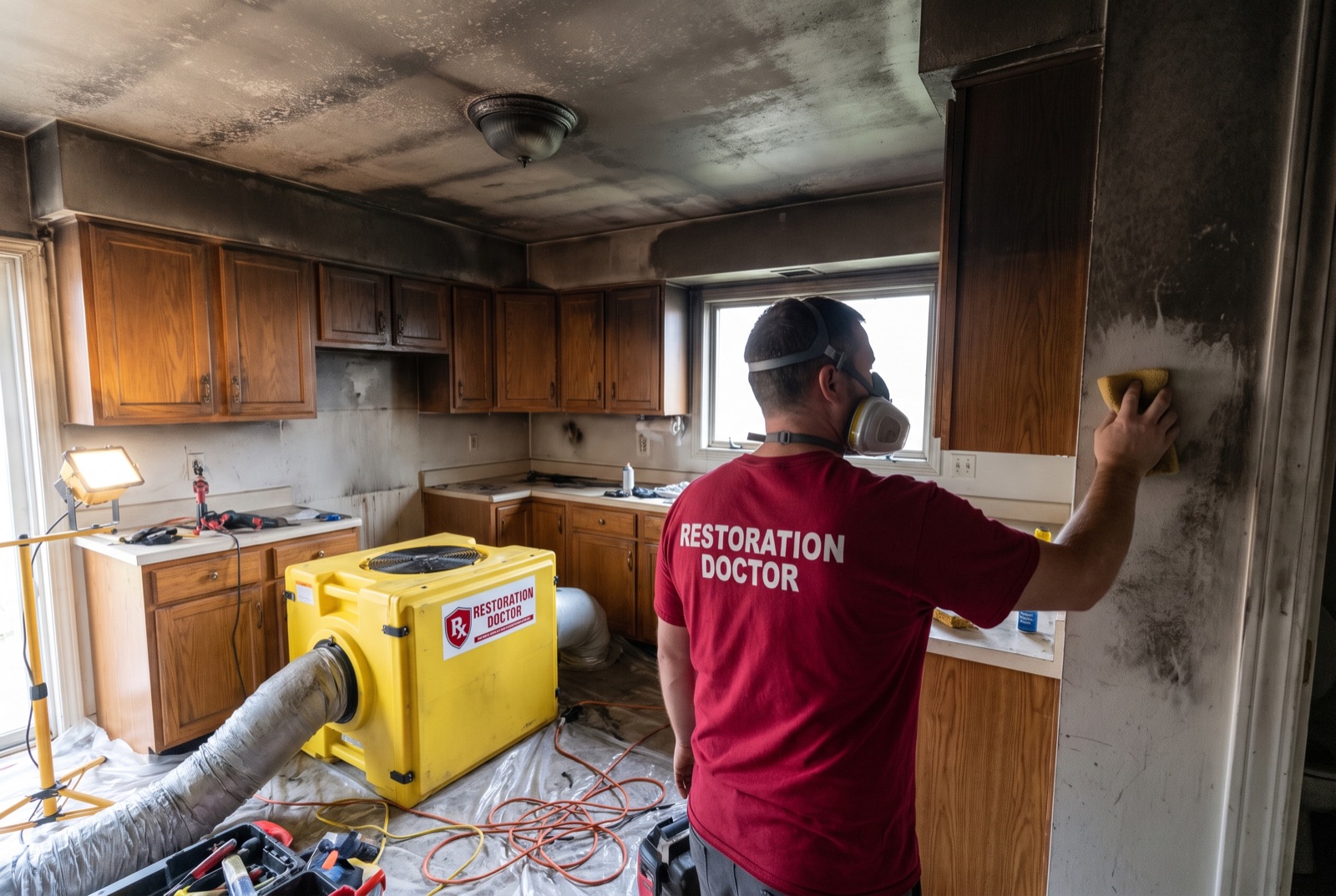
Always discard: food, medicine, and heat-compromised items
Some categories are automatic disposals after a fire, no matter how salvage-minded you are. All opened food goes — smoke and soot contaminate anything not sealed. So does sealed food in permeable packaging (cardboard, thin plastic, paper), and anything perishable that sat through a power interruption or heat exposure. Canned goods that were near the fire should go too: heat can activate bacteria inside even an intact can.
Medications, cosmetics, and personal care products from the affected area belong in the discard pile as well. Heat degrades active ingredients unpredictably, and there's no way to verify what a bottle of medication experienced during the fire. When in doubt with anything you eat, drink, or put on your body, replace it — and ask your pharmacy about replacing prescriptions, which insurers typically cover as part of the contents claim.
Usually discard: melted plastics and heavily charred items
Plastics that softened, warped, or melted are permanently altered and permanently odorous — smoke bonds into heat-softened plastic in a way no cleaning reverses. The same goes for foam items exposed to heavy smoke: mattresses, pillows, and upholstered foam near the fire absorb smoke deep into material that can't be fully extracted, though items further from the source are often recoverable with professional treatment.
Anything actually burned or charred is a disposal, structurally and hygienically. But document before you toss: photograph every discarded item, note brands and approximate ages, and keep a running inventory. Your insurance claim pays based on what you can show was lost, and the dumpster is the one place evidence can't be recovered from. If your carrier wants to inspect items, hold them until you get the go-ahead.
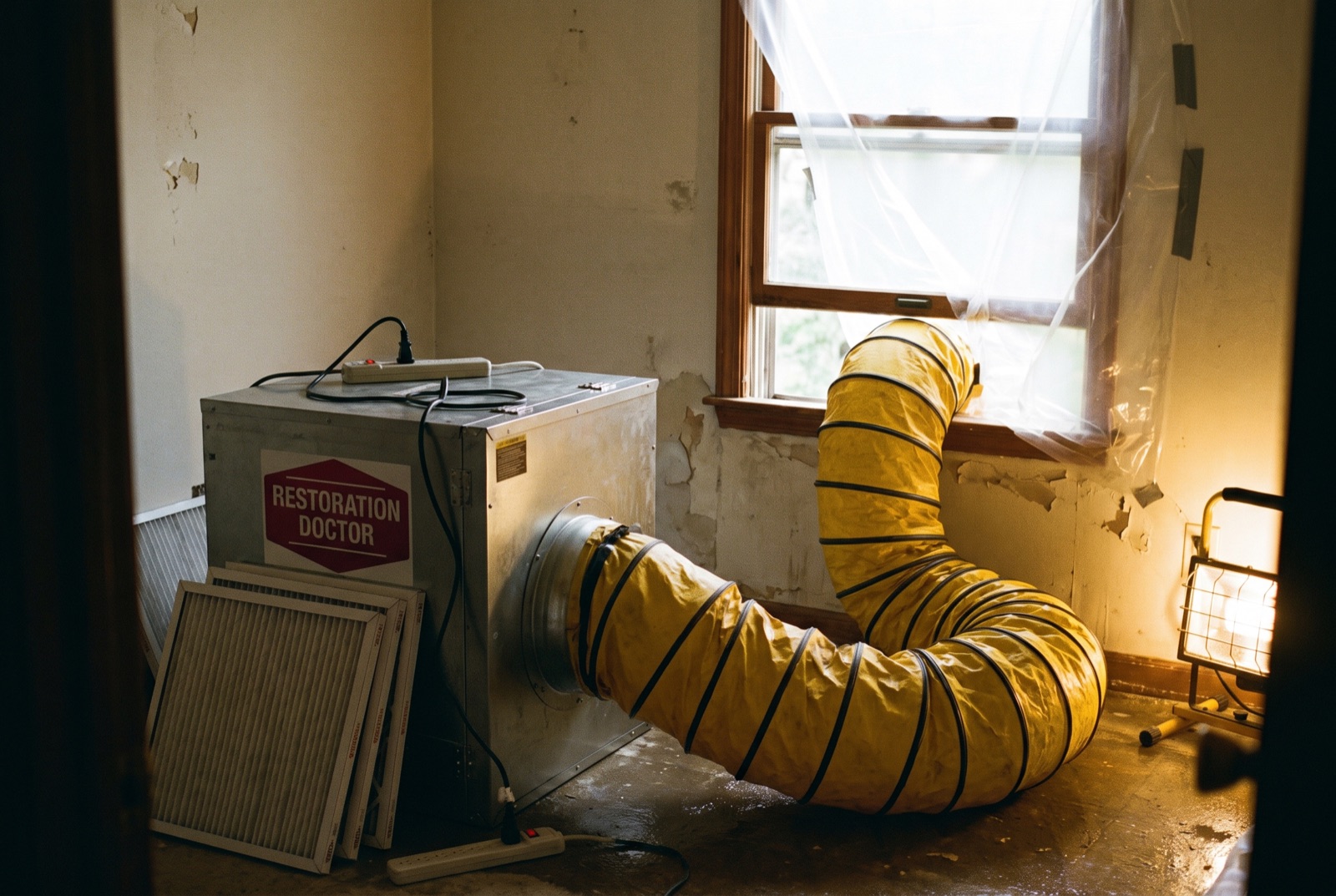
Don't rush to discard: what professional restoration saves
The biggest mistake homeowners make after a fire is throwing away too much. Professional contents restoration recovers far more than most people expect: clothing and textiles through specialized laundering and deodorization, hard-surface furniture through residue-appropriate cleaning and refinishing, dishes and cookware, books and documents, photos, and many electronics — provided soot's corrosive effect is addressed quickly.
Sentimental and high-value items deserve particular patience. Heirlooms, artwork, photographs, and documents that look ruined under a coat of soot are often fully restorable by specialists. Let a contents professional evaluate before anything irreplaceable goes in a bag.
There's an insurance angle too: restoring contents typically costs a fraction of replacing them, so carriers generally support professional contents cleaning — and a documented restoration attempt strengthens the claim for items that genuinely can't be saved.
Let a contents team triage with you
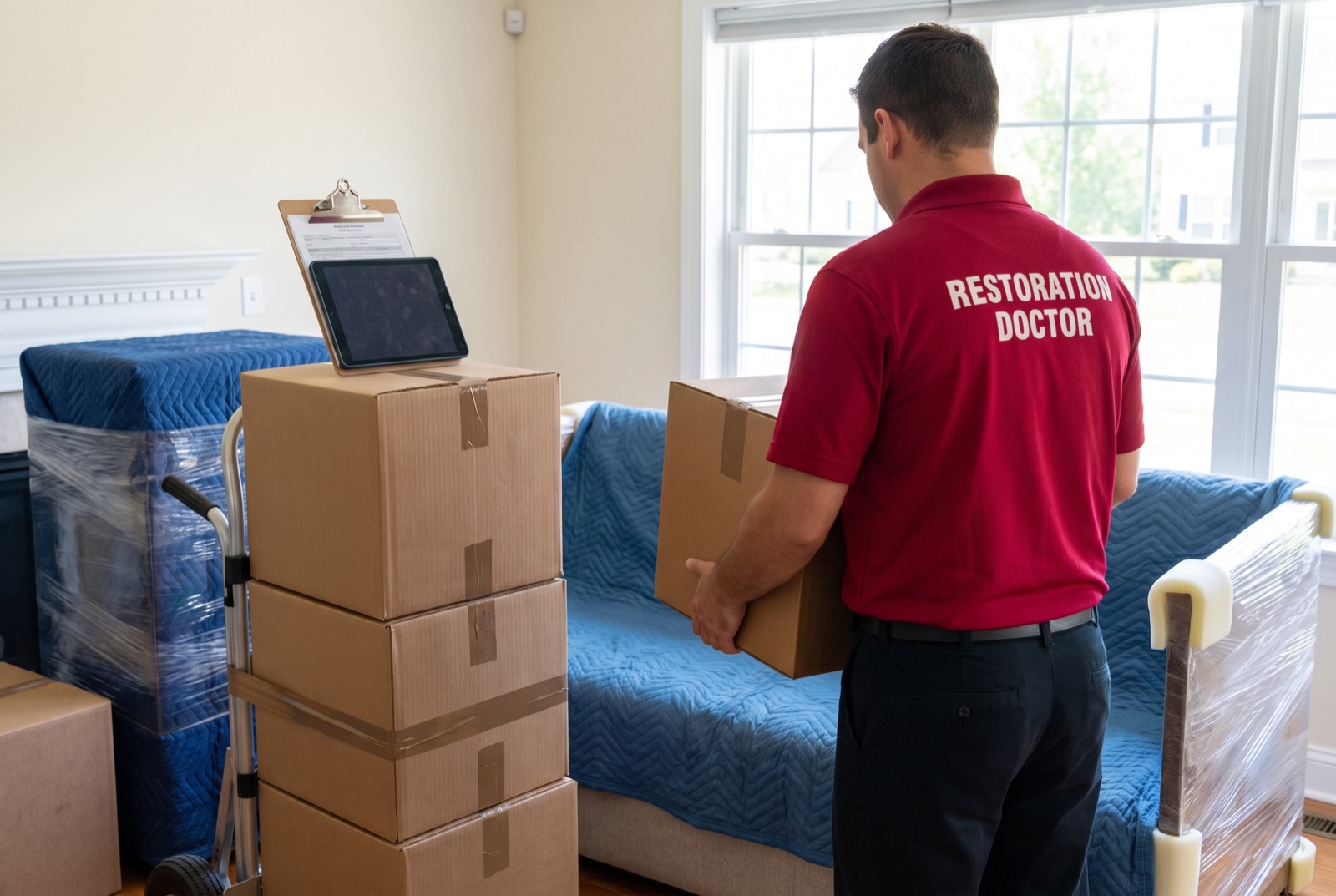
The efficient path after smoke damage is a structured pack-out: a contents team inventories every item, separates obvious disposals from restorable goods, photographs and lists everything for the claim, and transports salvageable contents for cleaning, deodorization, and storage until your home is ready. Restoration Doctor provides full contents restoration and pack-out services across Northern Virginia, Maryland, and D.C. Call 1-888-29-FLOOD to schedule an assessment.
Fire & Smoke Damage Restoration
Soot and smoke residue removal, odor neutralization, contents pack-out, and reconstruction after a fire.
Frequently asked
Related questions
Can electronics and belongings be saved after a fire?
Can smoke damage be removed from a house?
How do you get smoke smell out of a house after a fire?
Active water, mold, fire, or sewage event?
Connect directly with the Restoration Doctor team for your region. Crews are on standby 24/7 with documented response protocols.