
Do restoration companies bill insurance directly?
No. Restoration Doctor bills the customer, not the insurance company, and the customer owes the entire invoice rather than only the deductible. A deposit equal to the deductible is collected at signing, which confirms the agreement, and payment for services is due upon completion and is charged to the card placed on file — the same arrangement other home service businesses use. What your policy reimburses is between you and your carrier; we supply the documentation.
How the billing actually works
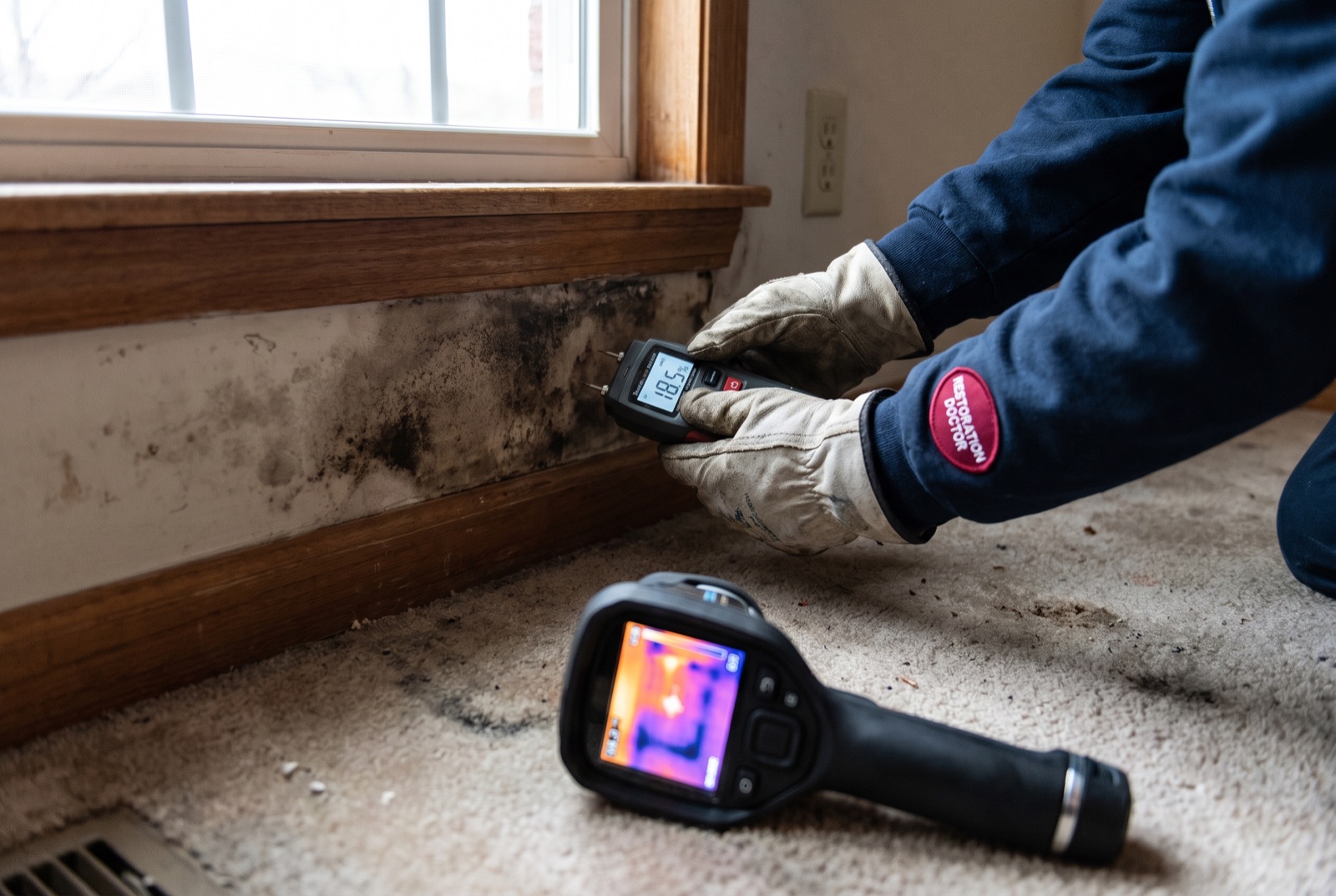
The typical flow looks like this: you sign a work authorization with the restoration company and pay a deposit equal to your deductible, the company performs emergency mitigation and documents everything — moisture maps, photos, equipment logs, and an itemized scope written in Xactimate, the line-item estimating platform most carriers use internally. The company sends that documentation to your carrier under your claim number and answers the adjuster's questions about the work. You are the customer on the contract, so the whole invoice is yours, and payment for the work is due when the work is complete.
This works because both sides are speaking the same language. An itemized Xactimate scope lists every task, quantity, and line item — extraction by the square foot, dehumidifiers by the day, drywall by the square foot — which lets a reviewer verify the work rather than react to a lump-sum number.
Why the deposit equals the deductible
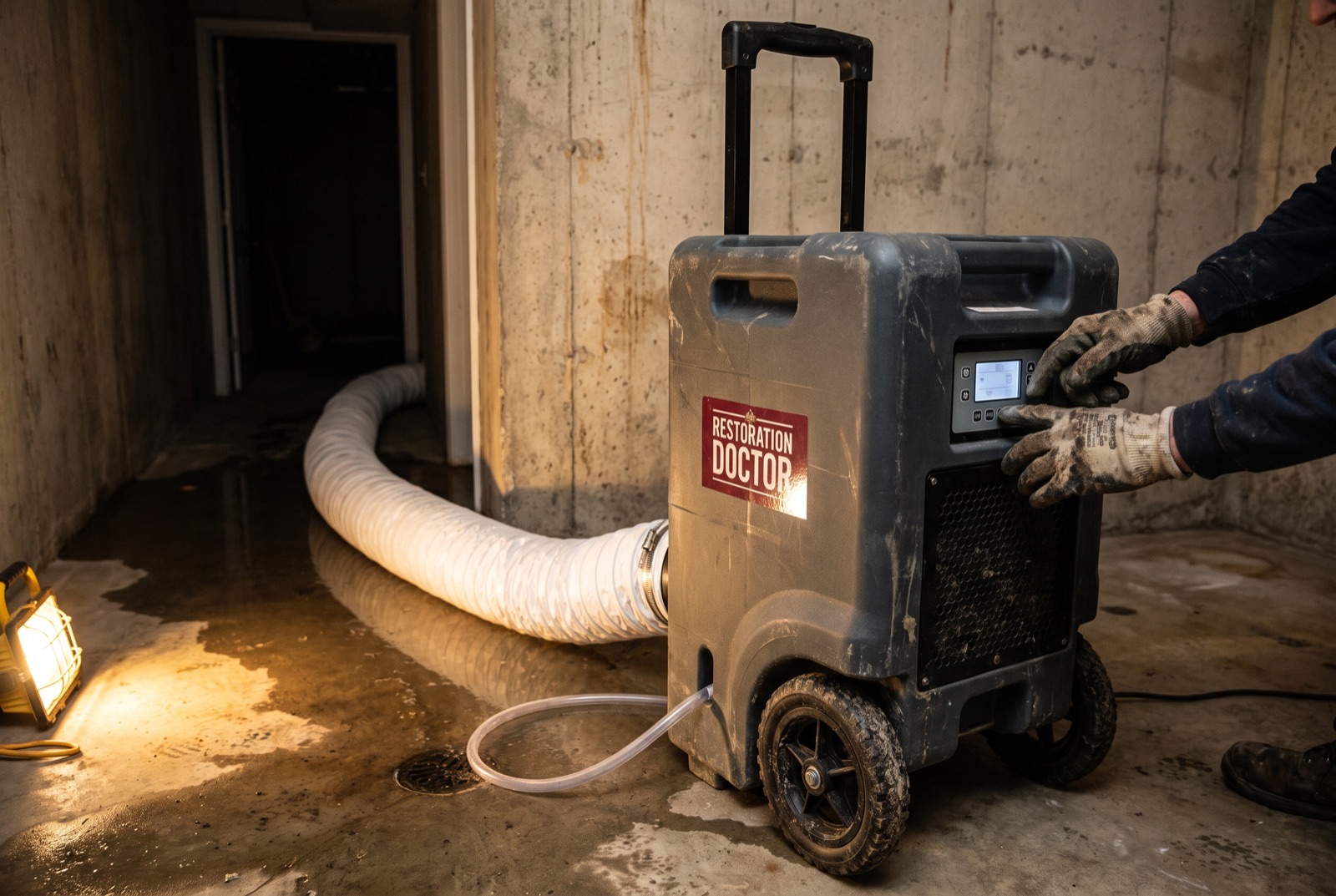
It's worth being precise about the arrangement. The restoration contract is between you and the contractor: you authorize the work, and you're the customer. The deposit collected at signing is set at your deductible because the deductible is the one part of a covered loss you pay from your own funds under any claim outcome — so the deposit is never a bet on the claim, and it is credited against the invoice. It does not cap what you owe, and it does not transfer your policy to the contractor.
It also doesn't mean the claim outcome is guaranteed. Coverage is determined by your policy and your carrier. A reputable contractor will be transparent about this: mitigation is performed because the damage demands it and the policy requires prompt action, and the documentation is built so a covered claim pays cleanly. If a portion of a loss turns out not to be covered, the homeowner remains responsible for the contract — which is one more reason thorough cause-of-loss documentation matters from hour one.
Questions to ask any company about billing
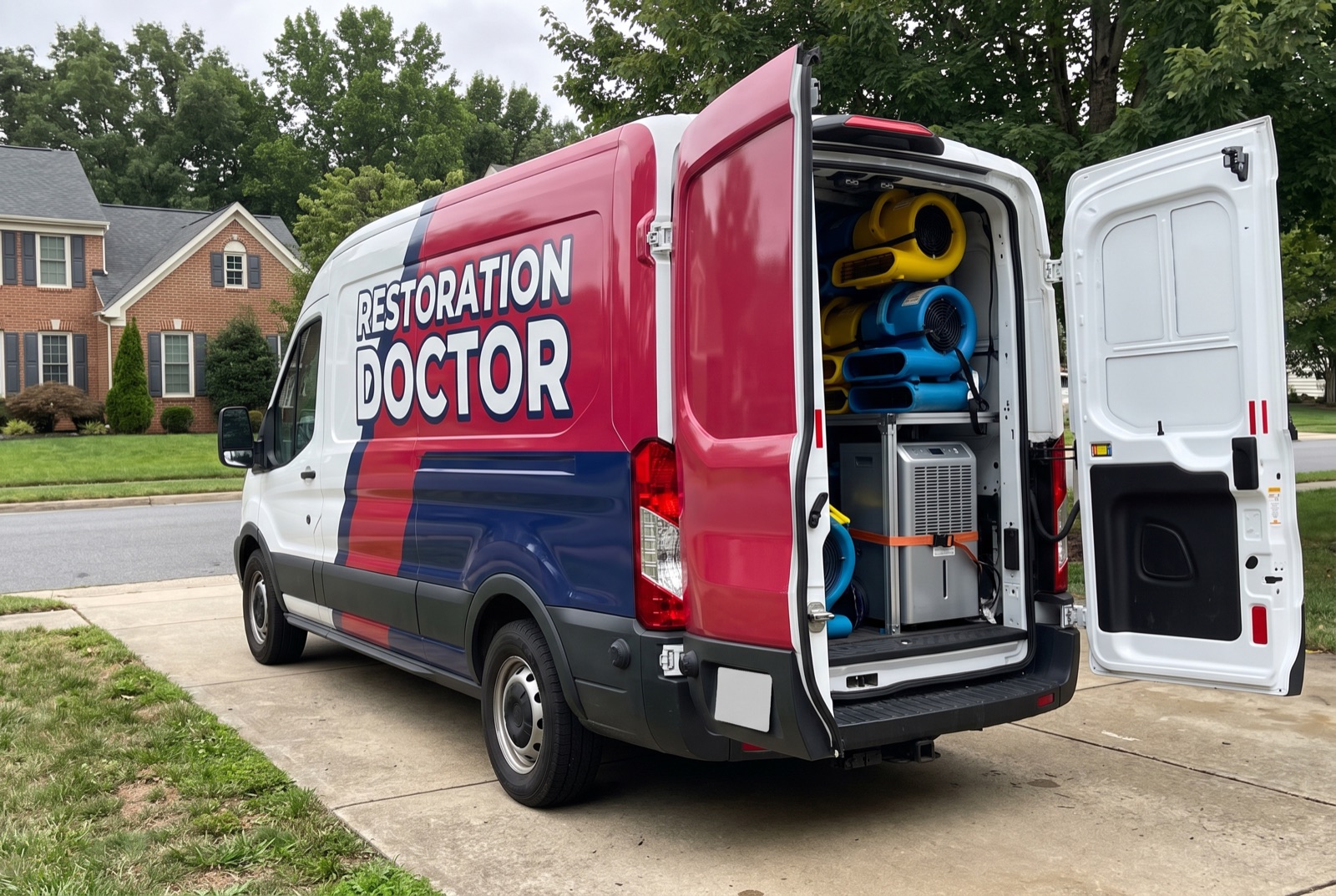
Before signing a work authorization, ask: Do you write your scopes in Xactimate or an equivalent line-item format? Will I receive copies of the estimate, moisture logs, and photos? Who do you invoice, and what do I owe if coverage is partial or denied? When is the deposit collected, when is the balance due, and how is it paid? A professional operation answers all of these plainly and puts payment terms in writing.
Be cautious with any contractor who asks you to sign over your insurance claim itself (an assignment of benefits), pressures you to sign before explaining terms, or quotes a single round number with no itemization. Clear paper protects everyone.
How Restoration Doctor handles it
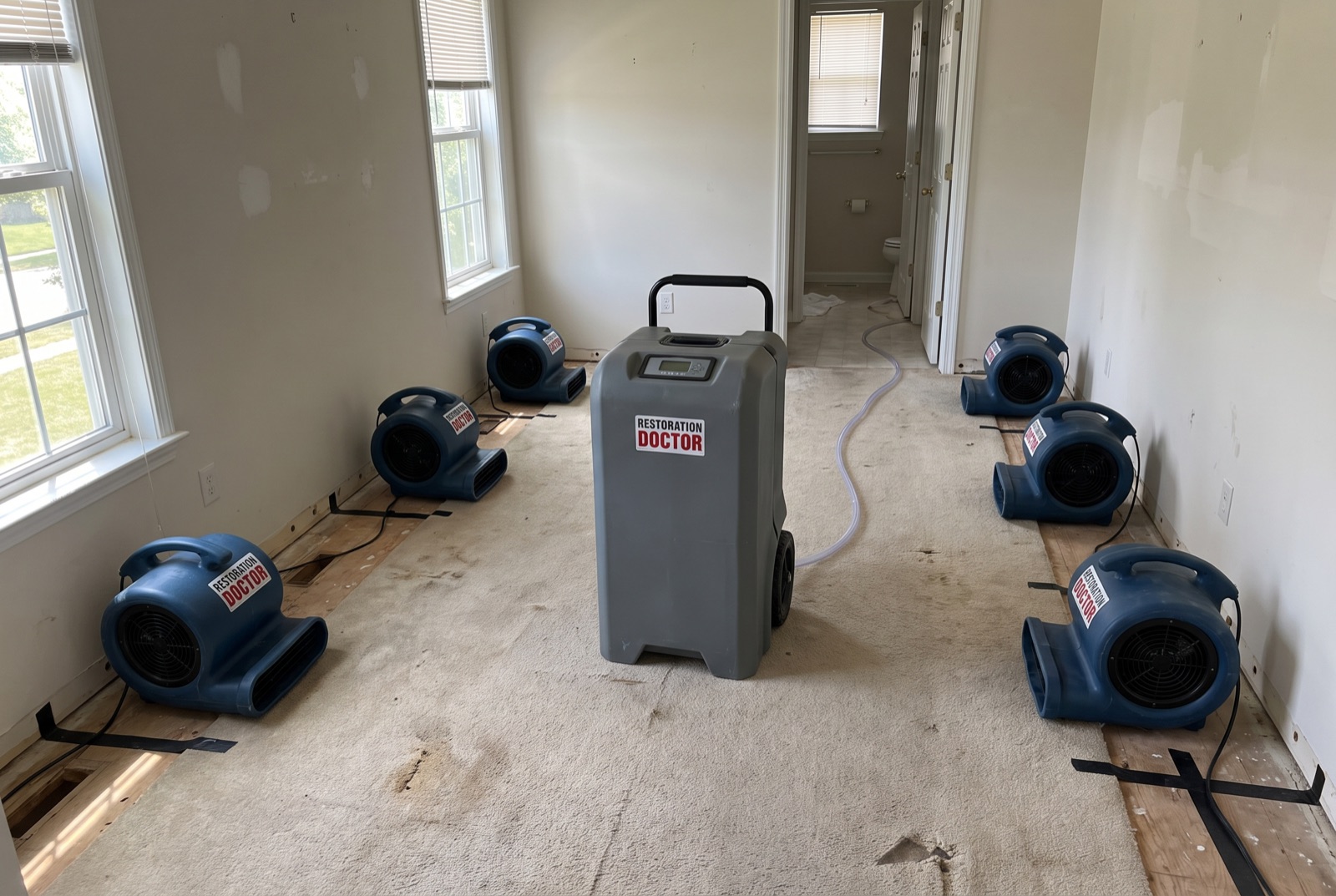
Restoration Doctor documents every loss in Xactimate with full photo documentation, moisture mapping, and daily drying logs. You sign the work authorization, so you are our customer and the whole invoice is yours — not only the deductible. A deposit equal to your deductible is collected at signing and confirms the agreement, and payment for services is due upon completion and is charged to the card placed on file, the same way a plumber, an electrician, or an HVAC company handles a job at your house. For your claim we hand over the itemized estimate, the drying records and moisture readings, and the photos, and we answer the adjuster's questions about the work we performed; what your policy reimburses is between you and your carrier. You always receive complete copies of your file — it's your loss and your claim, and the records prove what was done and why. For emergency mitigation with carrier-ready documentation across Northern Virginia, Maryland, and D.C., call 1-888-29-FLOOD.
Water Damage Restoration
Extraction, structural drying, and moisture verification for burst pipes, appliance leaks, and basement flooding.
Frequently asked
Related questions
Do I have to use the restoration company my insurance recommends?
Does insurance pay for drying equipment and restoration services?
Should I sign a work authorization before insurance approves the claim?
Do restoration companies charge for an estimate?
Active water, mold, fire, or sewage event?
Connect directly with the Restoration Doctor team for your region. Crews are on standby 24/7 with documented response protocols.