
Do restoration companies charge for an estimate?
Most reputable restoration companies provide free inspections and estimates on claim work — the assessment is how they scope the job, and the cost is built into doing business. Ask up front, and expect the estimate itself to be itemized line by line, not a lump sum. Fees occasionally appear for specialized diagnostics or litigation-related evaluations.
The industry norm: free assessment on real losses
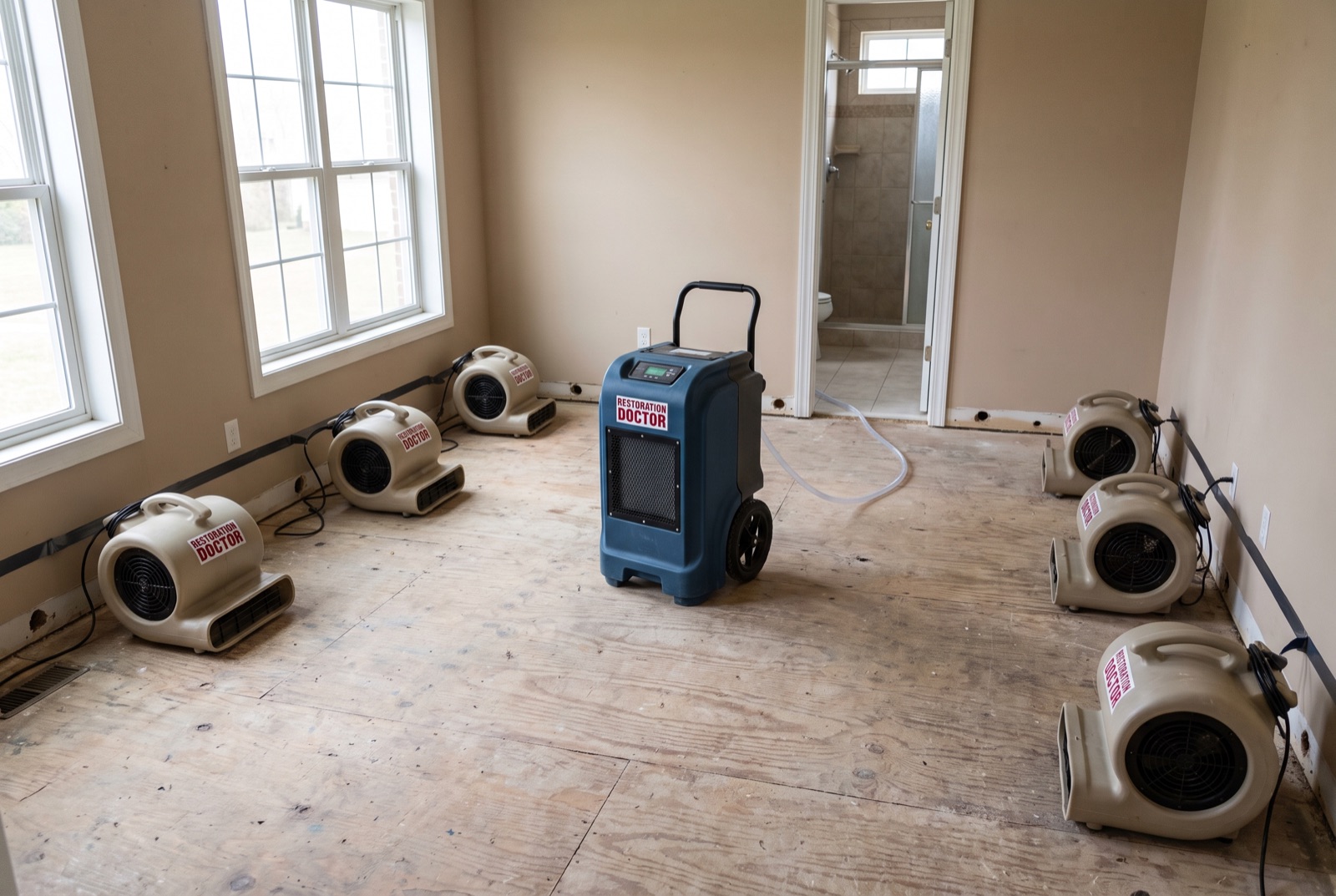
For an active water, fire, or mold loss — especially one likely to involve an insurance claim — the standard practice among established restoration companies is a free on-site inspection and estimate. The economics are straightforward: the company needs the assessment to scope the work anyway, and estimating is a normal cost of winning jobs, just as it is for roofers and remodelers.
A genuine emergency-loss assessment isn't a glance and a guess. It should include moisture-meter readings of affected materials, identification of the water's source and path, a category and class determination, thermal imaging where cavities are in question, photos, and a preliminary scope of drying, demolition, and repairs. If an "estimate" involves no instruments and no measurements, it isn't one — it's a sales visit.
When fees do legitimately appear
Some situations fall outside the free-estimate norm, and it's fair for companies to charge for them. Specialized diagnostics — leak detection requiring plumbing investigation, mold testing and laboratory sampling, sewer camera inspections — involve third-party costs or dedicated technician time. Formal written evaluations for lawsuits, real estate disputes, or second opinions on another contractor's work are consulting engagements rather than job estimates. And some companies charge trip fees for remote locations or after-hours assessment visits that don't lead to work.
None of these should be a surprise: the marker of a reputable company isn't that nothing ever costs money, it's that every charge is disclosed before it's incurred. "Is the inspection and estimate free, and is there any circumstance where I'd owe something?" is a fair question that deserves a direct answer.
What to demand in the estimate itself
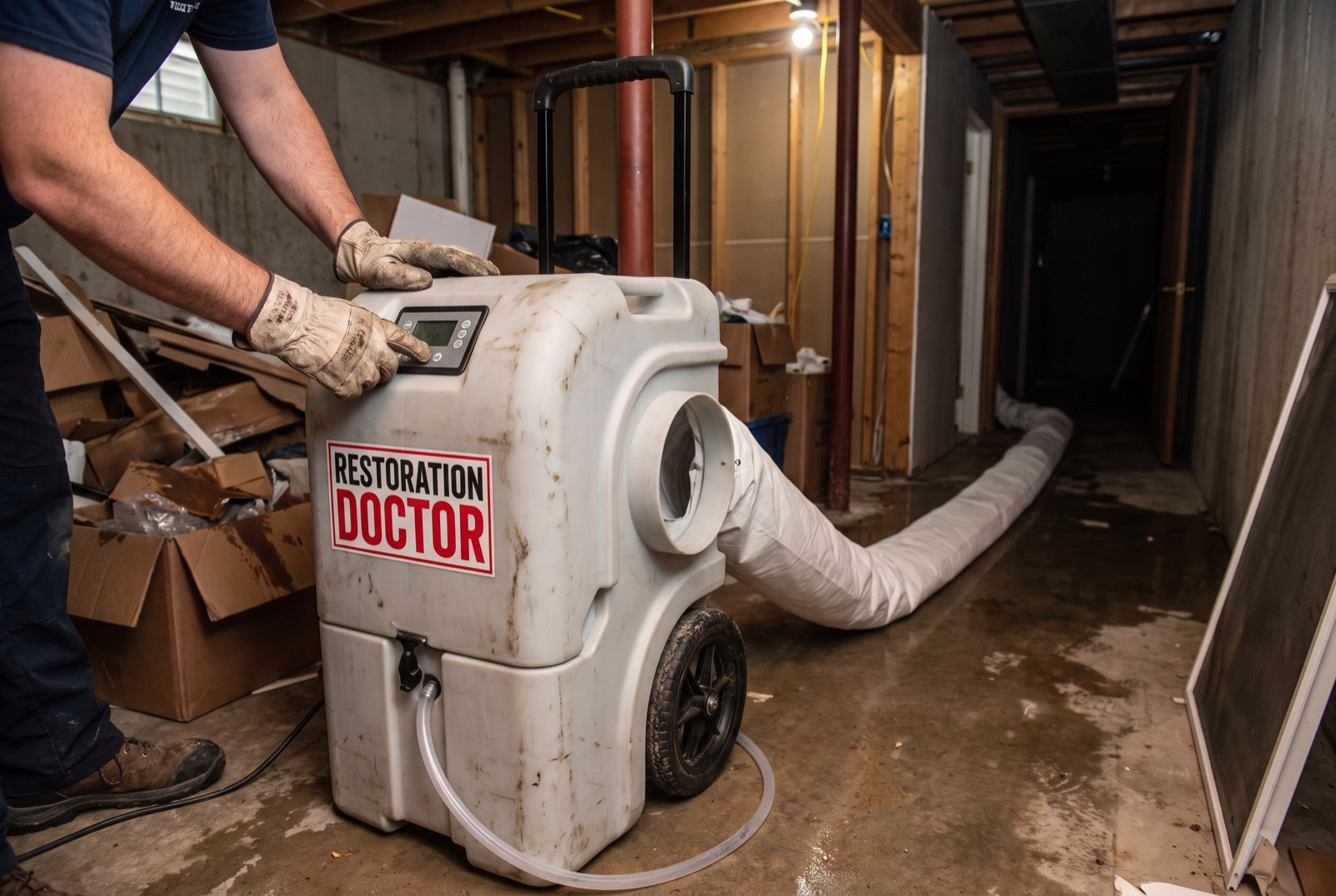
The format matters as much as the price. Insist on an itemized, line-by-line scope: extraction quantities, each piece of equipment with daily rates and expected duration, demolition by material and square footage, treatments, and repairs. This is the format insurance carriers require — most restoration estimating is done in Xactimate, the platform carriers use themselves — and it's the only format that lets you compare bids meaningfully or question a specific item.
Treat a single round number with no breakdown as a red flag, along with pressure to sign immediately, demands for large cash deposits before emergency work, and reluctance to put anything in writing. A company confident in its scope puts every line where you can see it.
What an assessment looks like here
Restoration Doctor provides free inspections and estimates on claim work across Northern Virginia, Maryland, and D.C. Every assessment includes moisture mapping, photos, and a written itemized Xactimate scope you keep regardless of whether you hire us — because a homeowner comparing documented scopes makes a better decision than one comparing round numbers. For an emergency or a second opinion on an active loss, call 1-888-29-FLOOD.
Water Damage Restoration
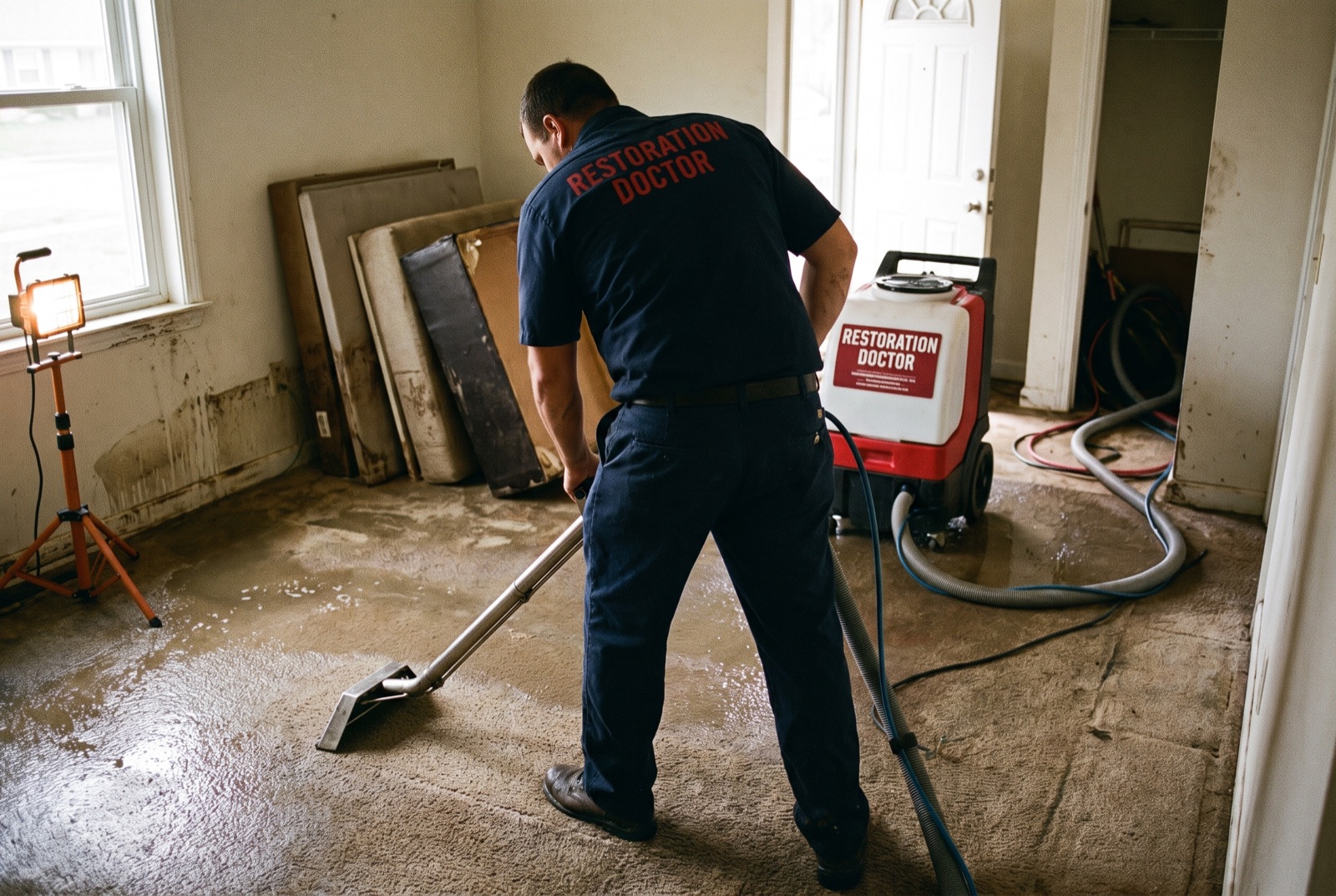
Extraction, structural drying, and moisture verification for burst pipes, appliance leaks, and basement flooding.
Frequently asked
Related questions
How do I choose a water damage restoration company?
What questions should I ask a restoration contractor?
Do restoration companies bill insurance directly?
How much does water damage restoration cost?
Active water, mold, fire, or sewage event?
Connect directly with the Restoration Doctor team for your region. Crews are on standby 24/7 with documented response protocols.