
Does homeowners insurance cover fire and smoke damage?
Yes — fire is a core covered peril on virtually every homeowner's policy. Coverage typically extends to the structure, smoke and soot damage throughout the home, water damage from firefighting, destroyed contents, and additional living expenses while you're displaced. Policies vary, so review your declarations and document the loss thoroughly.
What a fire claim typically covers
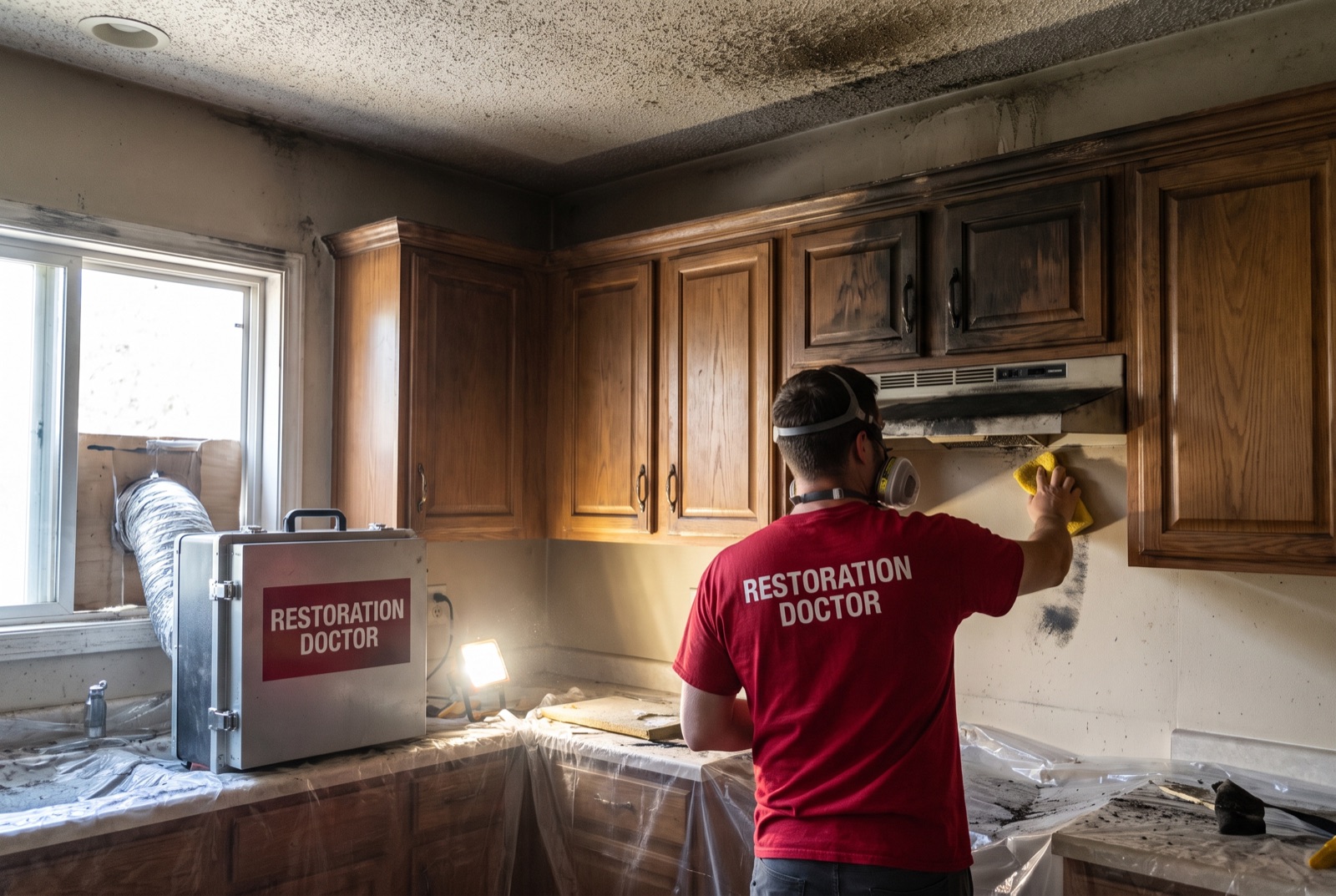
Fire sits at the historical center of homeowner's insurance — it's the peril the product was invented for — and standard policies treat it broadly. Dwelling coverage pays to repair or rebuild the structure, including demolition of damaged portions. Smoke and soot damage counts as part of the fire loss even in rooms the flames never reached, which matters enormously since smoke typically contaminates far more of the home than fire does.
Water damage from firefighting — hose streams, sprinkler discharge, and plumbing burst by heat — is covered as part of the same claim. Personal property coverage pays for destroyed contents, and professional cleaning of restorable contents is typically covered as well, since restoration usually costs less than replacement. Policies vary in their limits and terms, so your declarations page and your adjuster are the authority for your specific coverage.
Additional living expenses: the coverage people forget
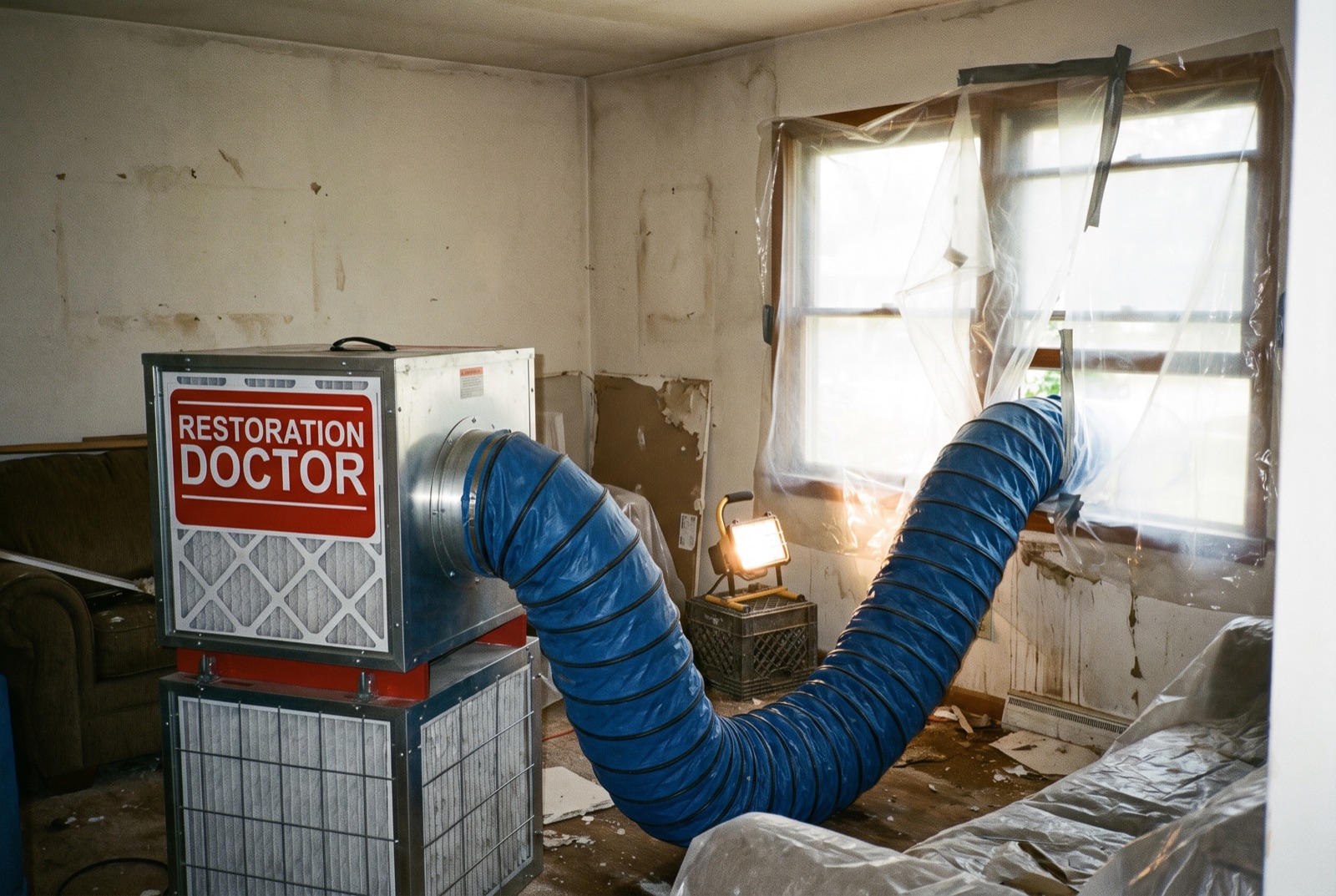
If the fire makes your home uninhabitable, additional living expense (ALE) coverage — sometimes called loss of use — pays the reasonable extra costs of living elsewhere: hotel or rental housing, restaurant meals beyond your normal grocery spend, pet boarding, laundry, and added commuting costs. ALE is subject to its own limit (often a percentage of your dwelling coverage) and applies to the period your home reasonably can't be occupied.
Start using it correctly from night one: keep every receipt, track what you spend, and ask your adjuster early what's reimbursable and how to submit. Families displaced for months routinely leave significant ALE money unclaimed simply because they didn't keep records in the chaos of the first weeks.
How to protect your claim
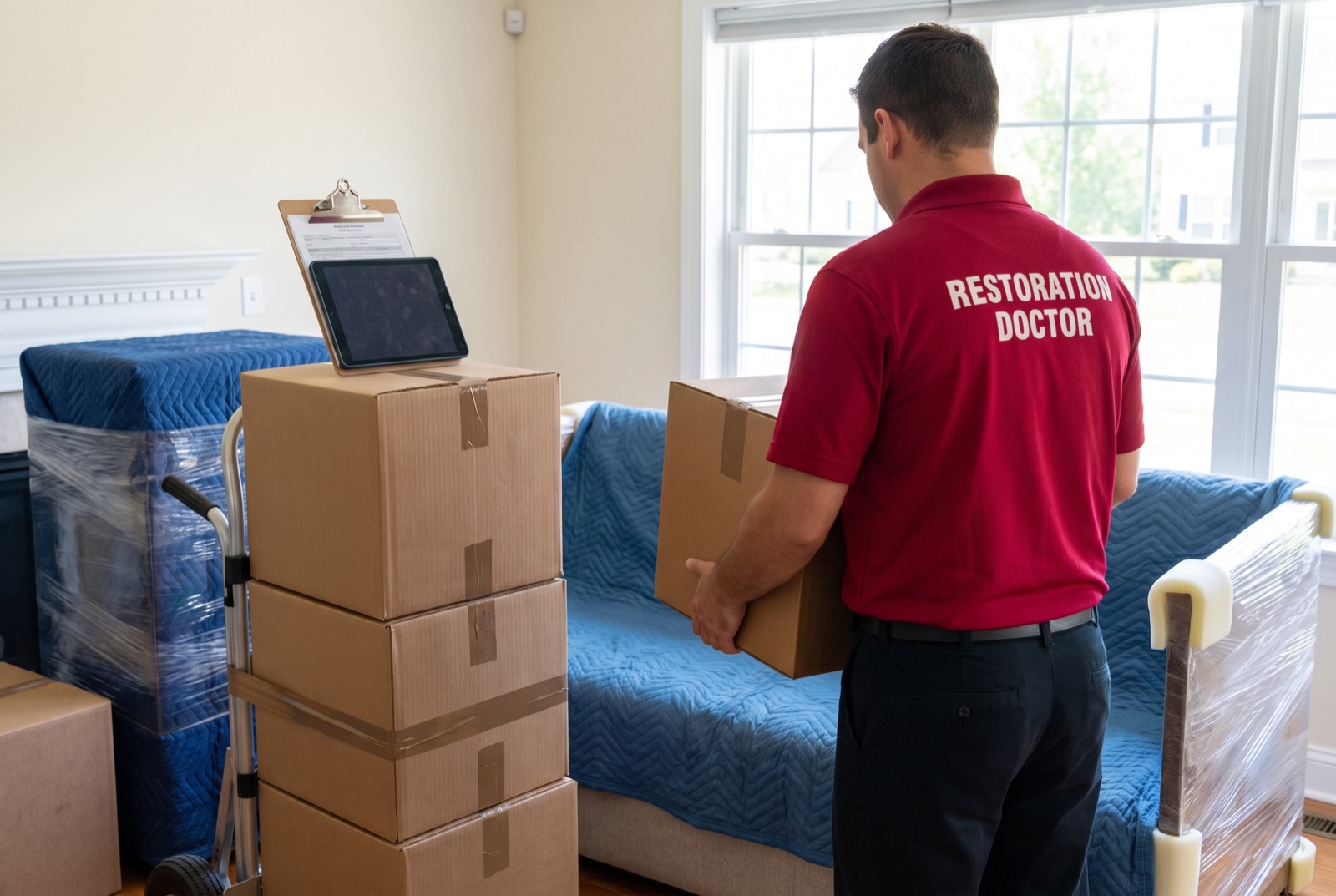
Fire claims are usually paid, but how well they're paid depends on documentation and process. Photograph everything before cleanup begins — structure and contents, wide shots and closeups. Build an itemized contents inventory with brands and approximate ages, and don't discard significant items before the adjuster has a chance to inspect them. Secure the property promptly with board-up and tarping; protecting the home from further damage is generally a policy duty, and the cost is typically reimbursable.
Get a professional, line-item scope of the full loss — including the smoke footprint, which is easy to under-scope since soot in distant rooms, ductwork, and cavities isn't obvious to a quick walkthrough. An experienced restoration contractor documents the loss in the estimating format carriers use, which keeps the scope discussion factual and complete. And remember you have the right to choose your own restoration contractor; you're not required to use a carrier's preferred vendor.
Restoration that supports the claim
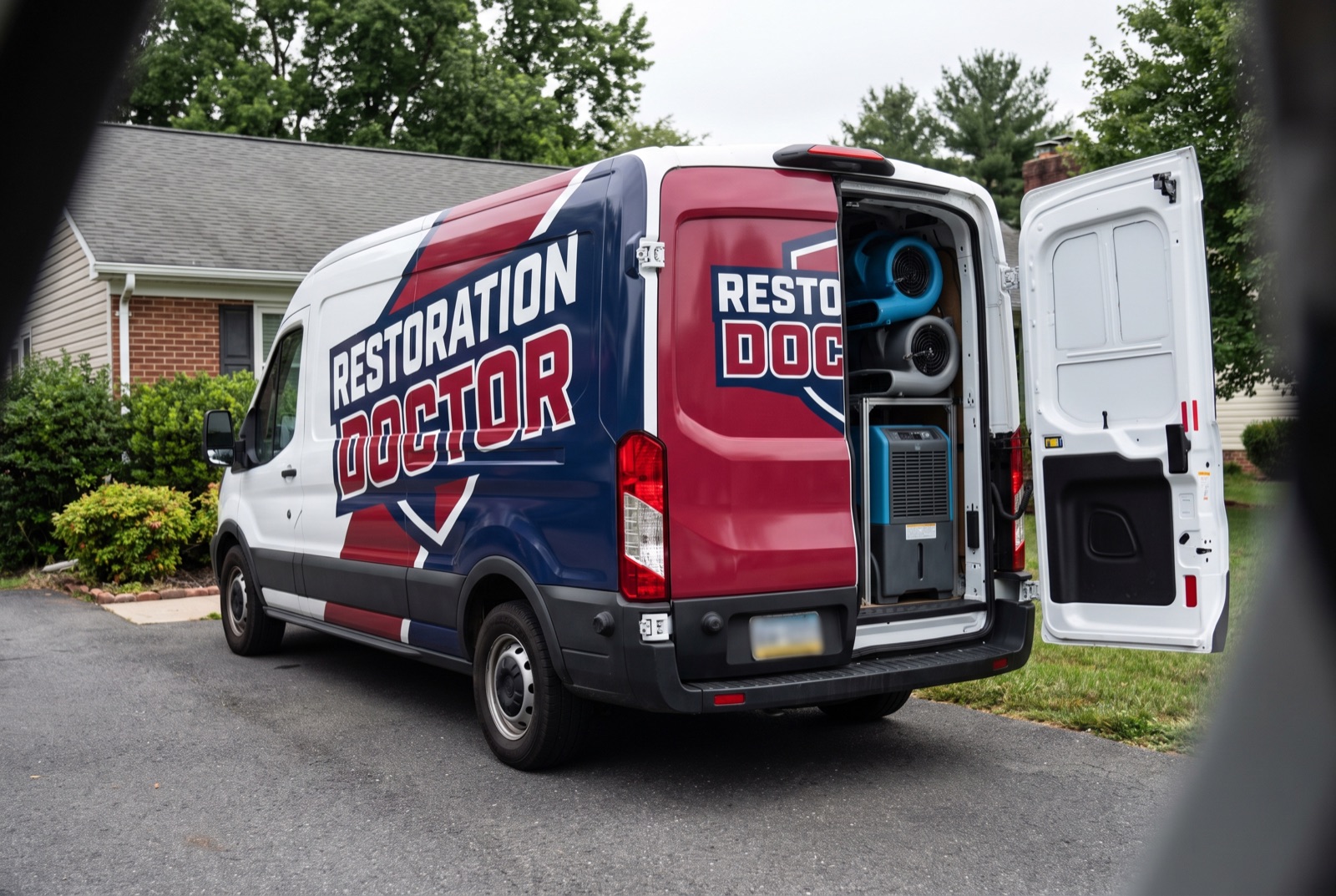
Restoration Doctor works fire losses across Northern Virginia, Maryland, and D.C. with the documentation discipline claims require: photo logs, itemized Xactimate scopes, moisture records for the water side of the loss, and contents inventories. That paper trail is what turns a covered peril into a fully paid claim. Call 1-888-29-FLOOD, 24/7, to get mitigation and documentation started together.
Fire & Smoke Damage Restoration
Soot and smoke residue removal, odor neutralization, contents pack-out, and reconstruction after a fire.
Frequently asked
Related questions
Why is there water damage after a fire?
How long does fire damage restoration take?
What should you throw away after smoke damage?
Active water, mold, fire, or sewage event?
Connect directly with the Restoration Doctor team for your region. Crews are on standby 24/7 with documented response protocols.