
Does homeowners insurance cover water damage?
Usually yes for sudden and accidental water damage — burst pipes, appliance supply-line failures, water heater ruptures. Standard policies generally exclude gradual leaks, deferred maintenance, and flooding from outside the home, which requires separate flood insurance. The cause of the loss, not the amount of damage, determines coverage. Policies vary, so review yours.
The rule of thumb: sudden and accidental, yes — gradual, no
Most standard homeowners policies are written around one central distinction. Water damage that happens suddenly and accidentally — a supply line bursts, a water heater lets go, a washing machine hose fails, a pipe freezes and splits in an otherwise heated home — is typically a covered peril. The event was unforeseeable, it happened fast, and the resulting damage to your structure and belongings generally falls within the policy.
Water damage that develops gradually is a different story. A pipe that has been seeping inside a wall for months, a roof that has leaked through several seasons, caulk and grout failures around a shower, or damage a carrier attributes to deferred maintenance are commonly excluded. Insurers take the position that gradual damage was preventable with reasonable upkeep, and most policy language reflects that.
The practical consequence: two homes can have identical-looking damage — soaked drywall, buckled flooring, mold beginning in a wall cavity — and one claim is covered while the other is denied, purely because of how the water got there and how long it had been happening.
What standard policies typically cover
When the cause qualifies as sudden and accidental, a typical policy responds to the resulting damage: water extraction and structural drying, removal and replacement of unsalvageable drywall, flooring, and insulation, mold remediation tied to the covered event (often subject to a mold sub-limit), and repairs to return the home to pre-loss condition. Damage to personal property from the same event is usually addressed under the contents portion of the policy.
One nuance that surprises many homeowners: the thing that failed is often not covered even when the damage it caused is. If a water heater ruptures, the policy typically pays for the water damage to your floors and walls — but replacing the water heater itself is usually on you. The same logic applies to failed appliances and burst pipes: resulting damage covered, the failed component often not.
The big exclusions: flood, sewer backup, and neglect
Flooding — surface water, storm surge, overflowing streams, or groundwater rising into the home — is excluded from virtually all standard homeowners policies. Flood coverage requires a separate policy through the National Flood Insurance Program (NFIP) or a private flood insurer. Water that touched the ground before entering your home is generally flood damage, no matter how it looks once it's inside.
Sewer and drain backup is another common gap. Most standard policies exclude it unless you've added a water backup endorsement, which is inexpensive relative to the losses it covers. If your basement has a floor drain or you're below the municipal sewer grade, checking your declarations page for this endorsement is worth doing before you ever need it.
Finally, neglect-based exclusions: damage carriers attribute to long-term leaks, unaddressed maintenance issues, or a home left unheated during a freeze can be excluded even when the final failure itself was dramatic.
What you can do to protect a covered claim
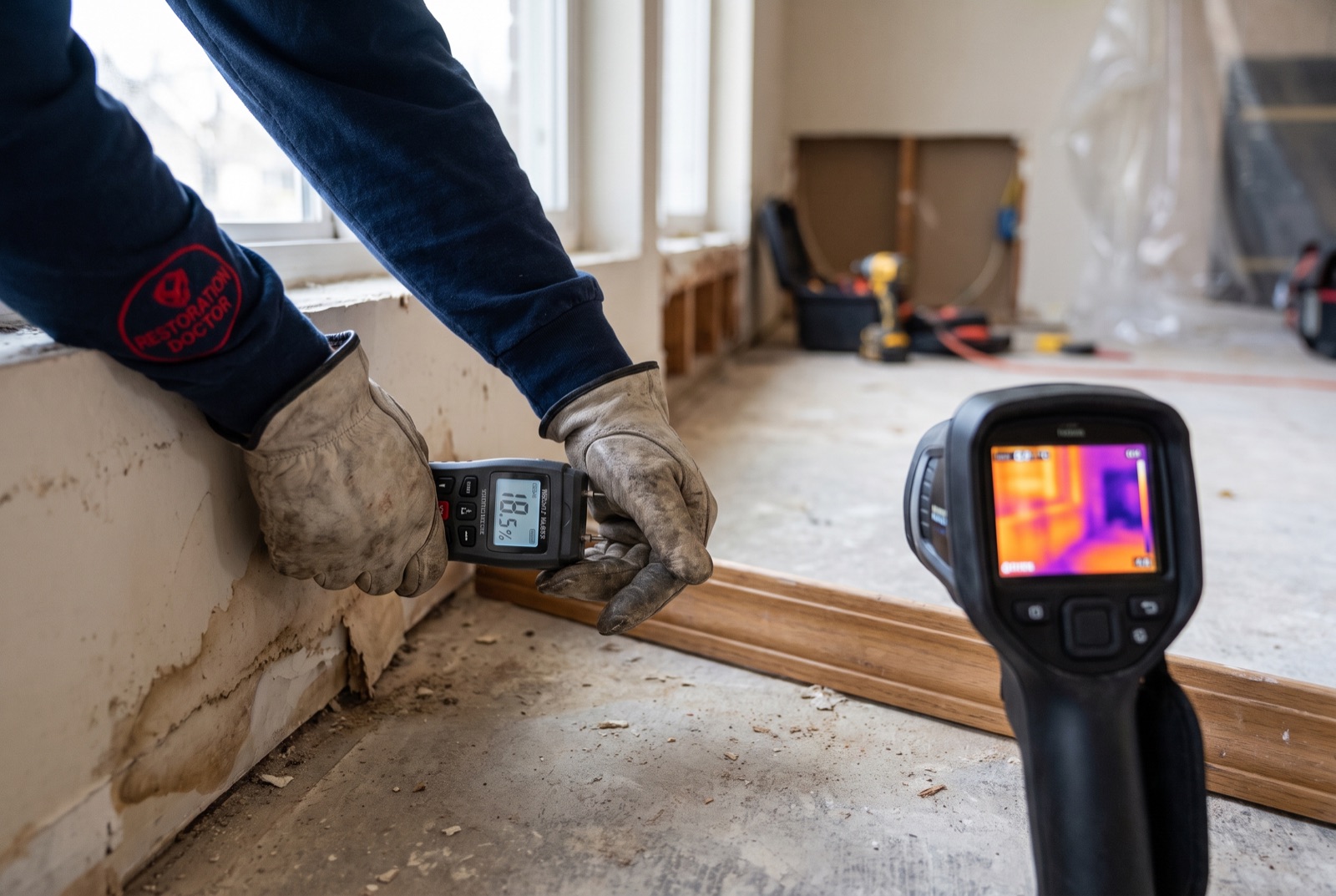
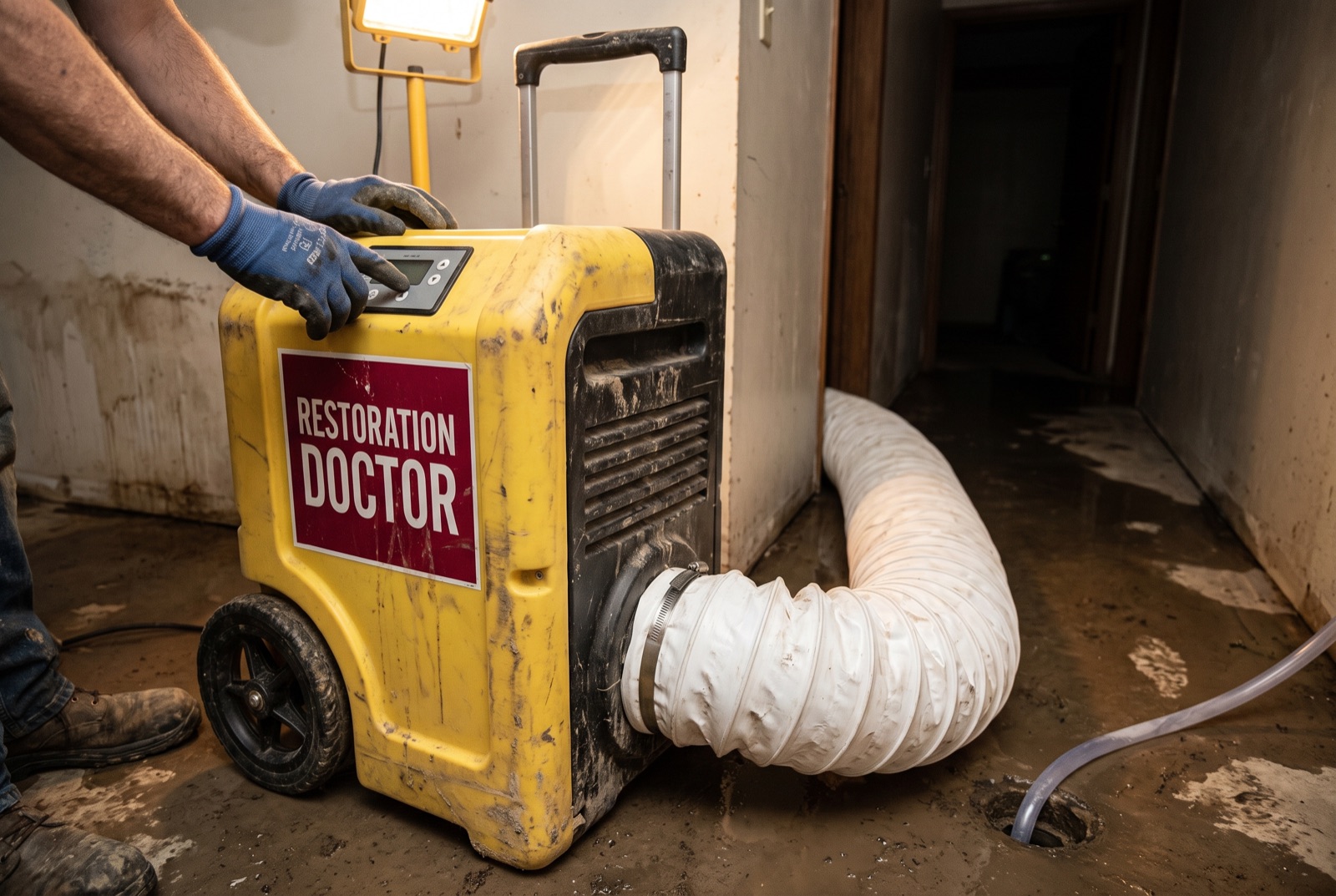
Because coverage turns on the cause of loss, documentation of that cause is the most valuable thing you control. Photograph the failed component before anyone repairs or discards it. Photograph the water path and everything it touched. Note dates and times. And start mitigation promptly — nearly every policy requires the homeowner to take reasonable steps to prevent further damage, and prompt professional drying with moisture logs creates a clean, verifiable record of what the event did and when.
Restoration Doctor documents every loss the way carriers are used to reviewing them: cause-of-loss photos, moisture maps, daily drying logs, and itemized scopes. You file and manage your own claim; our job is to stop the damage fast and give you a file that speaks for itself. Policies vary — review your policy and confirm specifics with your carrier. For emergency mitigation across Northern Virginia, Maryland, and D.C., call 1-888-29-FLOOD.
Water Damage Restoration
Extraction, structural drying, and moisture verification for burst pipes, appliance leaks, and basement flooding.
Frequently asked
Related questions
Why would a water damage claim be denied?
Should I file an insurance claim for water damage?
Is water damage from a washing machine covered by insurance?
Does homeowners insurance cover basement flooding?
Active water, mold, fire, or sewage event?
Connect directly with the Restoration Doctor team for your region. Crews are on standby 24/7 with documented response protocols.