
Should I file an insurance claim for water damage?
File when the total loss clearly exceeds your deductible — and get a professional damage assessment before deciding, because hidden moisture in walls, subfloors, and insulation routinely makes water losses far larger than they appear. For damage that's genuinely minor and below your deductible, paying out of pocket may make more sense.
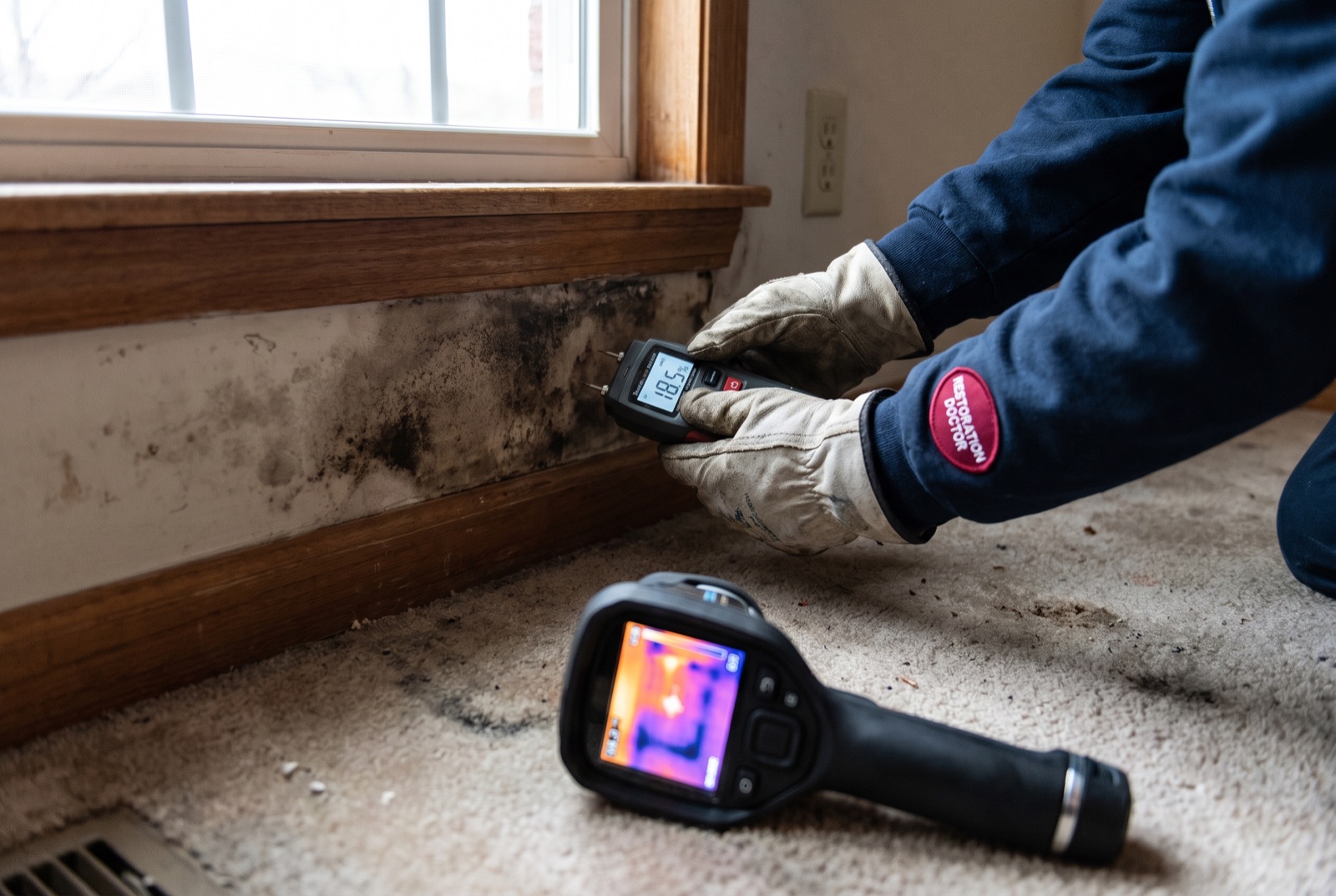
The math, and why it's usually bigger than it looks
The basic calculation is simple: if repair costs exceed your deductible by a meaningful margin, a claim is worth considering; if they don't, filing gains you little and puts a claim on your record. The problem is that homeowners consistently underestimate the repair cost, because the visible damage is only part of the loss.
Water travels. A dishwasher failure that left a puddle on the kitchen floor may also have run under the cabinets, into the toe kicks, through the subfloor, and into the ceiling of the room below. Drywall wicks water upward well above the visible line. Insulation holds moisture invisibly inside walls. What looks like a few hundred dollars of flooring can be several thousand dollars of drying, demolition, and reconstruction once a moisture meter maps where the water actually went.
That's why the first step isn't the claim decision — it's a professional moisture assessment. Knowing the true scope turns a guess into an informed choice.
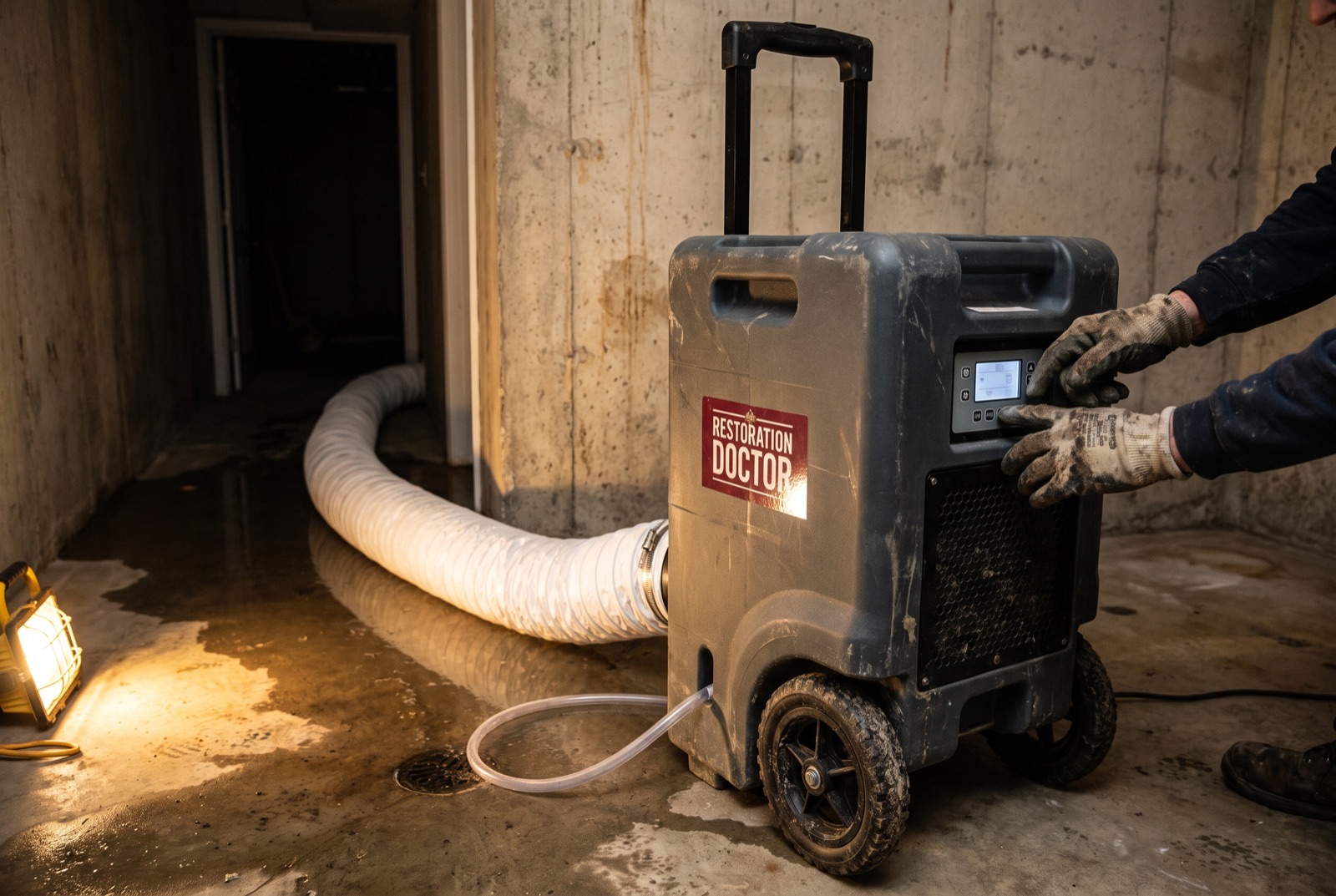
When filing usually makes sense
A claim is generally the right call when water has reached structural materials — wall cavities, subfloor, ceilings, insulation — or when multiple rooms or floors are affected. These losses routinely run well into five figures once drying, demolition, and rebuild are counted, and that's exactly the kind of loss insurance exists for.
Sewage contamination, ceiling collapse risk, hardwood floor losses, and kitchen or bathroom losses that involve cabinetry are other common threshold-crossers. Cabinet boxes are usually particleboard, which swells permanently; a modest-looking kitchen leak frequently totals cabinets, counters, and flooring together.
Timing matters too: policies require prompt notice of a loss. If the damage might be claim-worthy, report it promptly rather than waiting to see how repairs go — late reporting is a common reason claims get contested.
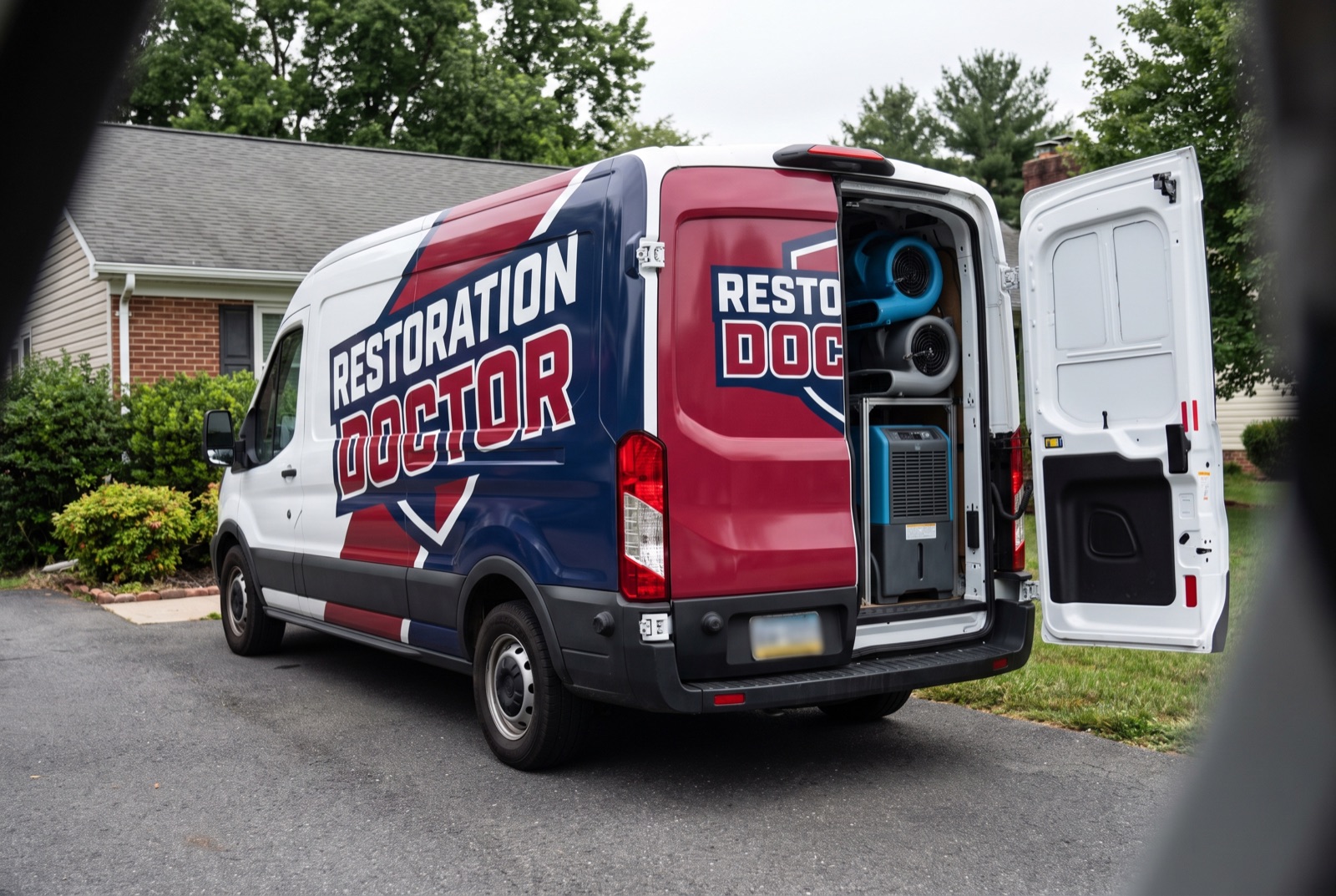
When paying out of pocket may be smarter
If a professional assessment confirms the loss is genuinely small — a contained clean-water spill that was extracted fast, dried quickly, and touched no structural materials — the repair cost may sit near or below a typical deductible. In that case, filing offers little financial benefit while adding a water claim to your loss history, which insurers can see through industry claim databases when pricing future policies.
Claim history considerations are real but often overstated: a single legitimate claim is rarely catastrophic for premiums, while multiple water claims in a short window can affect pricing and renewals more noticeably. The sensible frame is to reserve claims for losses that meaningfully exceed the deductible and self-fund the truly minor ones — a decision you can only make accurately once you know the real scope.
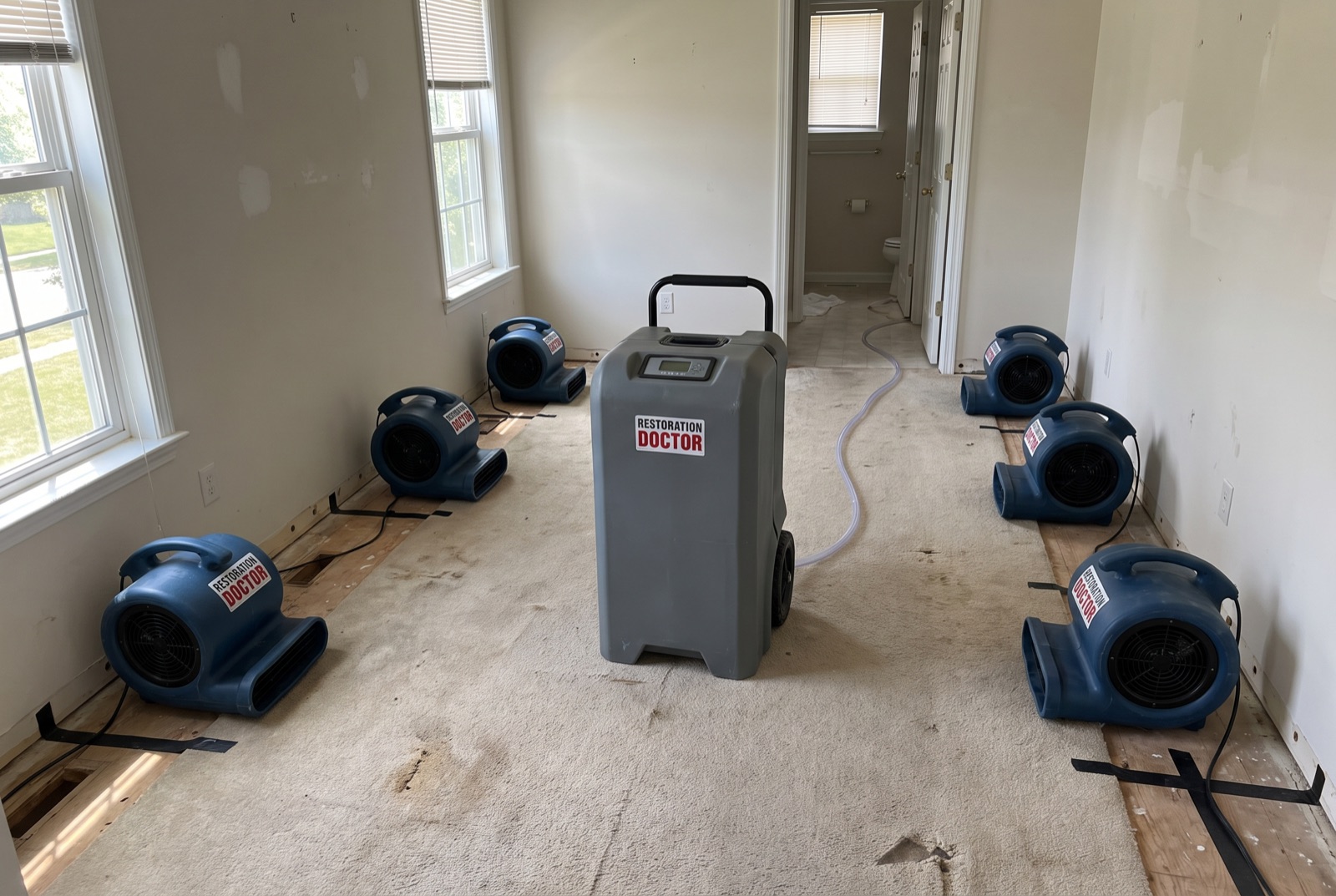
Either way, mitigate first
Whatever you decide about filing, one thing is not optional: stopping the damage. Policies require homeowners to take reasonable steps to prevent further damage after a loss, and the drying window doesn't pause while you weigh the deductible math. Prompt extraction and drying protect your home, your claim position if you do file, and your wallet if you don't — because delay is what turns a below-deductible loss into a five-figure one.
Restoration Doctor provides emergency assessment and mitigation across Northern Virginia, Maryland, and D.C., with moisture mapping and documentation that gives you an accurate picture of the loss before you make the claim decision. Call 1-888-29-FLOOD and know what you're actually dealing with.
Water Damage Restoration
Extraction, structural drying, and moisture verification for burst pipes, appliance leaks, and basement flooding.
Frequently asked
Related questions
Does homeowners insurance cover water damage?
Will filing a water damage claim raise my insurance rates?
How do I file a water damage insurance claim?
How much does water damage restoration cost?
Active water, mold, fire, or sewage event?
Connect directly with the Restoration Doctor team for your region. Crews are on standby 24/7 with documented response protocols.