
How do I file a water damage insurance claim?
Photograph and video all damage before touching anything, stop the water source, and begin mitigation immediately — your policy requires preventing further damage. Report the claim to your carrier promptly, keep every receipt and drying record, and document the cause of loss. An adjuster will then inspect and the carrier evaluates the claim.
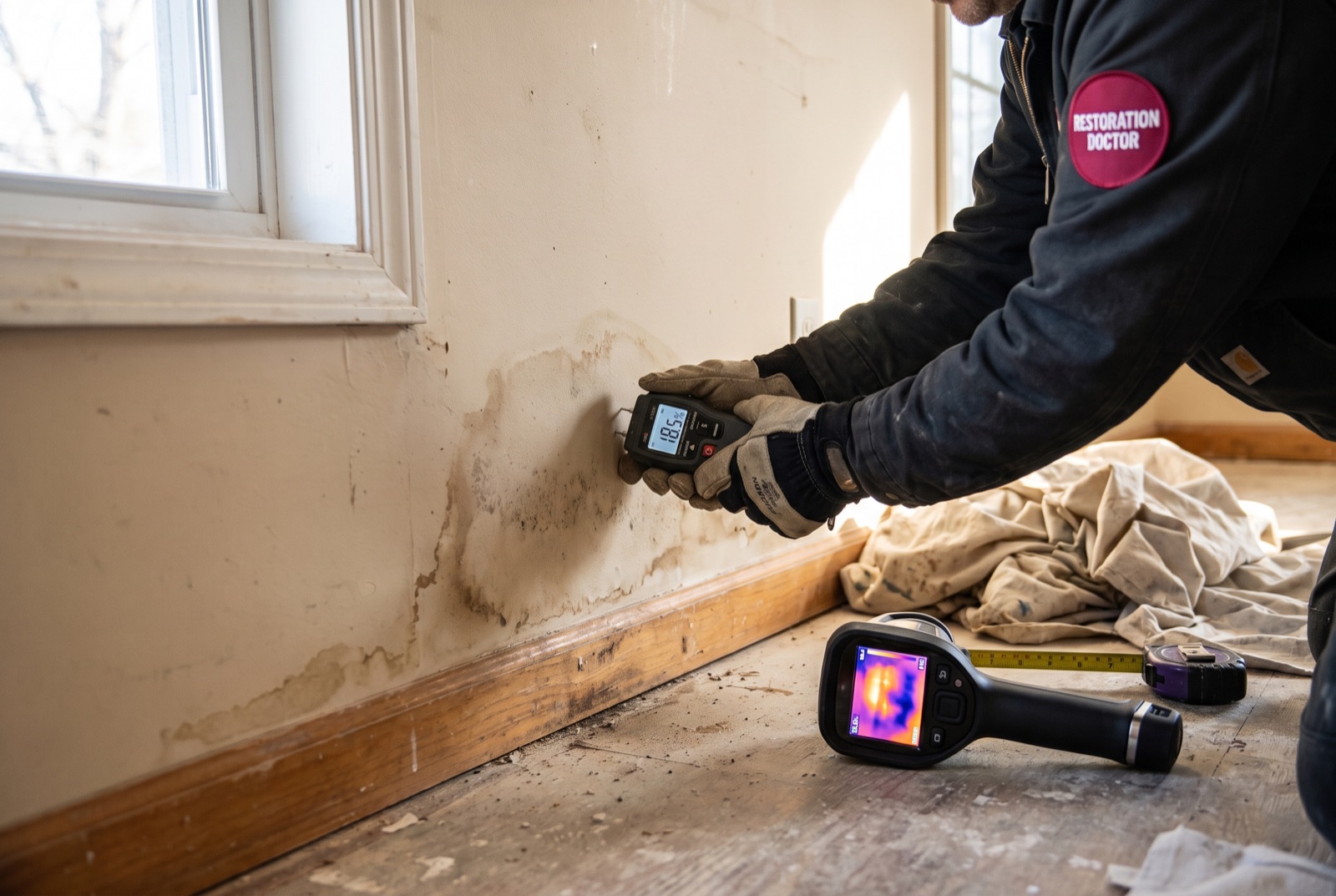
Step 1: Document before you disturb
The condition of your home in the first hours after a loss is evidence you can never recreate. Before cleanup begins, photograph and video everything: the failed pipe, hose, or appliance that caused the loss; standing water; each affected room from multiple angles; and every damaged item, including serial numbers on appliances and electronics. Wide shots establish scope, close-ups establish severity.
Keep the failed component. If a supply line burst or a water heater ruptured, the physical part is the proof of a sudden, accidental cause — don't let a plumber haul it away. Similarly, if materials must be removed quickly for safety or drying, photograph them in place first and set samples aside where they can be inspected later.
Step 2: Mitigate immediately — it's a policy duty
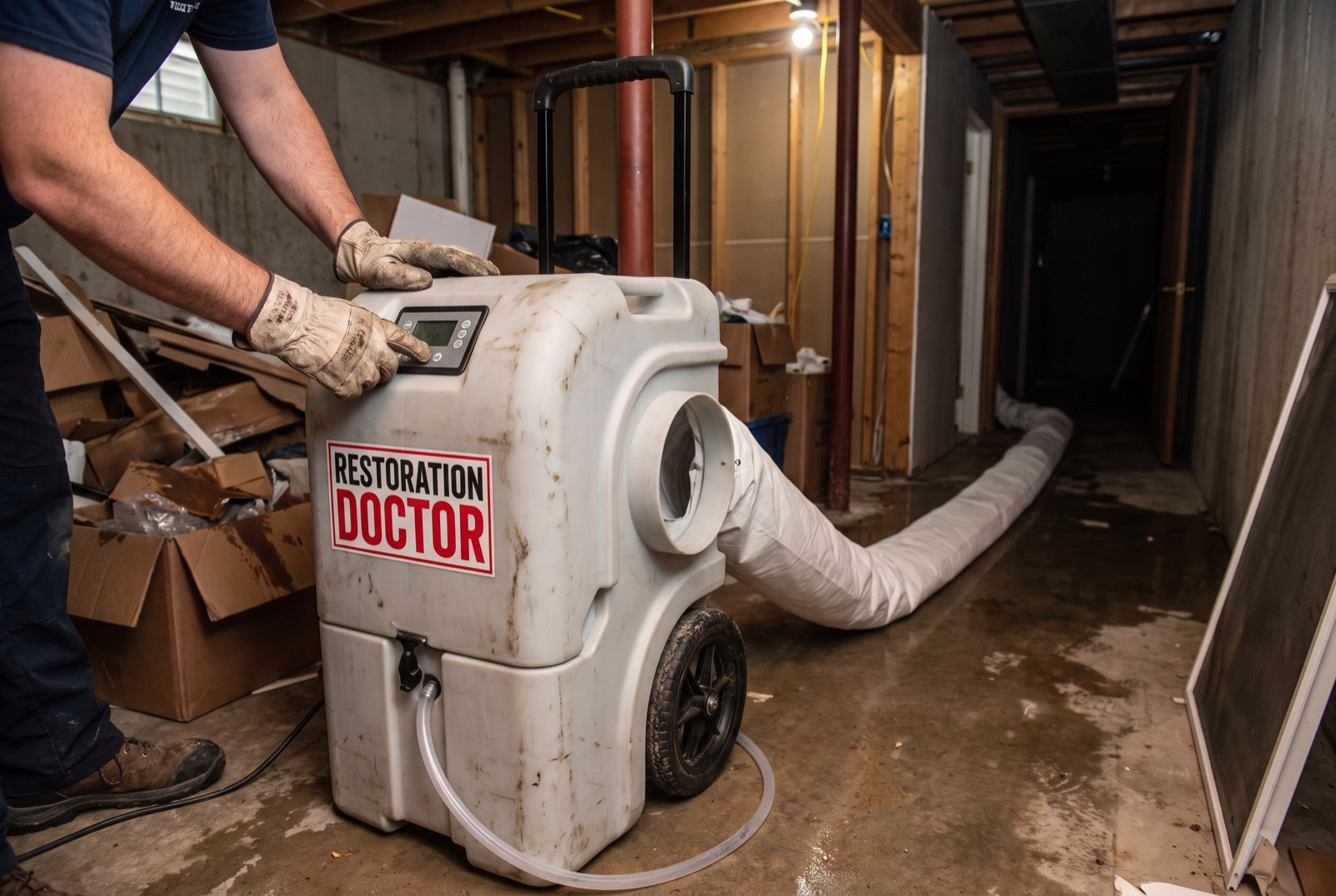
Virtually every homeowners policy requires the insured to take reasonable steps to protect the property from further damage after a loss. This duty applies from the moment the loss happens — it does not wait for a claim number, an adjuster visit, or anyone's approval. Emergency water extraction, structural drying, and removal of unsalvageable saturated materials are exactly the mitigation the policy contemplates, and mitigation costs are normally part of a covered claim.
This matters for two reasons. First, EPA guidance is to dry water-damaged areas and items within 24 to 48 hours to prevent mold growth, so delay physically grows the loss. Second, carriers can and do reduce or contest claims where damage worsened because the homeowner waited. Acting fast protects both your home and your claim.
The restoration contract for that work is between you and the contractor you choose — you have the right to select your own restoration company, and professional crews document their work in the itemized, line-by-line format carriers are accustomed to reviewing.
Step 3: Report the claim promptly
Call your carrier's claim line or file through their app or website as soon as the emergency response is underway — the mitigation call and the claim call can happen in the same hour. Provide the date and time of discovery, the cause as best you understand it, and a description of affected areas. You'll receive a claim number; use it on all correspondence.
Prompt notice is itself a policy condition. Waiting days or weeks to report gives a carrier room to argue that some of the damage came from the delay rather than the original event. Report first, refine details later — you are not expected to know the full scope on day one.
Step 4: Keep records through the adjuster visit and beyond
From filing to settlement, keep everything: photos, receipts for emergency expenses, hotel bills if you're displaced (loss-of-use coverage may apply), the mitigation contractor's drying logs and moisture readings, and notes from every phone call with dates and names. When the adjuster inspects, walk them through the loss and share your documentation — moisture maps and daily drying records give an adjuster verifiable facts to evaluate rather than estimates.
Restoration Doctor's role in this process is documentation-heavy by design: cause-of-loss photos, moisture mapping, psychrometric drying logs, and itemized scopes prepared in industry-standard format. You file and manage the claim with your carrier; we make sure the physical record of the loss is thorough, accurate, and carrier-ready. Policies vary — confirm your policy's specific requirements with your carrier. For 24/7 emergency mitigation, call 1-888-29-FLOOD.
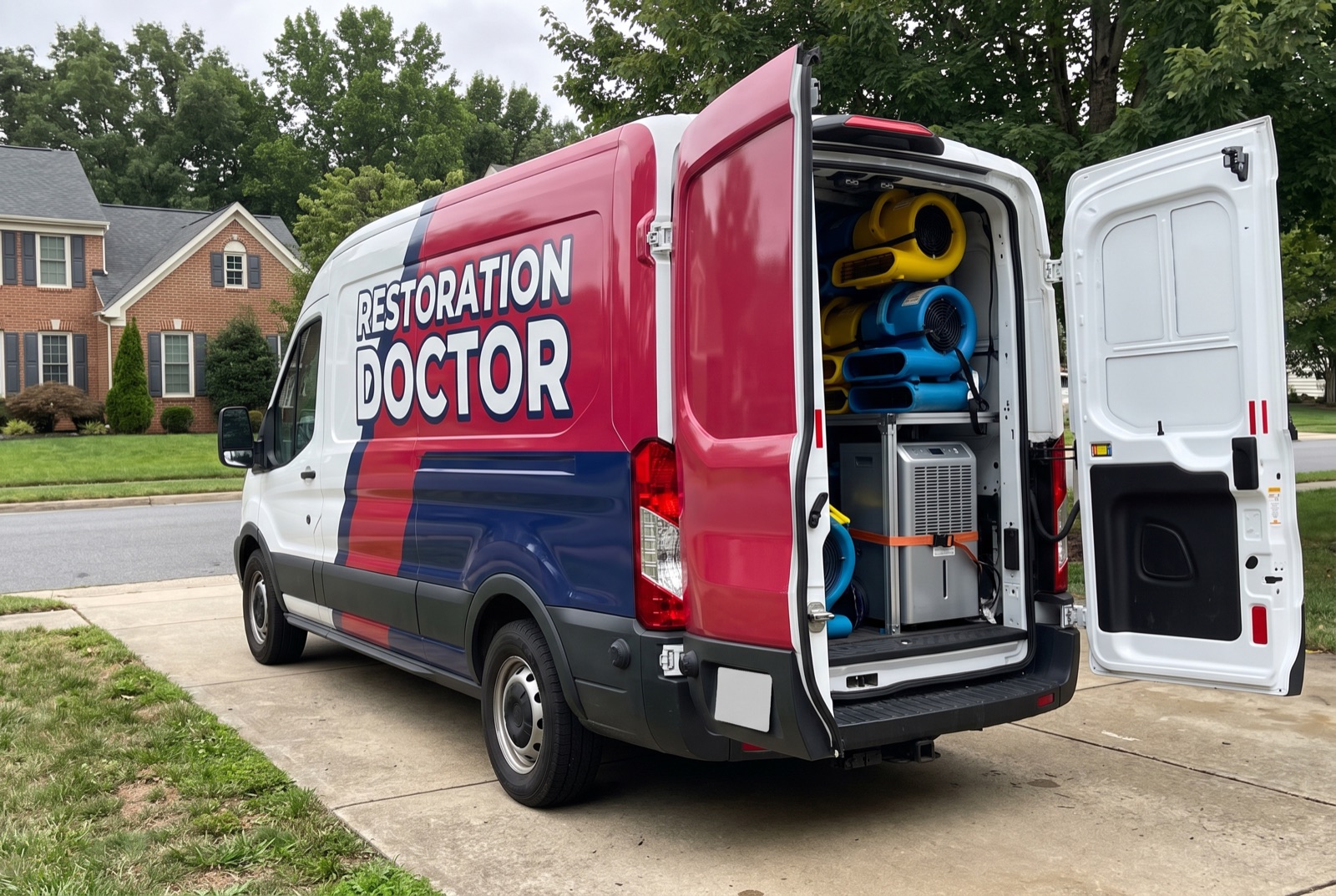
Water Damage Restoration
Extraction, structural drying, and moisture verification for burst pipes, appliance leaks, and basement flooding.
Frequently asked
Related questions
Should I call a restoration company or my insurance company first?
What does an insurance adjuster look for in water damage?
How long do I have to file a water damage claim?
Why would a water damage claim be denied?
Active water, mold, fire, or sewage event?
Connect directly with the Restoration Doctor team for your region. Crews are on standby 24/7 with documented response protocols.