
How long do I have to file a water damage claim?
Report as soon as possible — most policies require "prompt" notice rather than naming a fixed number of days, and separate state-law deadlines govern how long you have to bring a legal dispute. Practically, delay is the enemy: late reporting gives carriers grounds to argue the damage worsened from inaction. Report within days, not weeks.
What your policy actually says
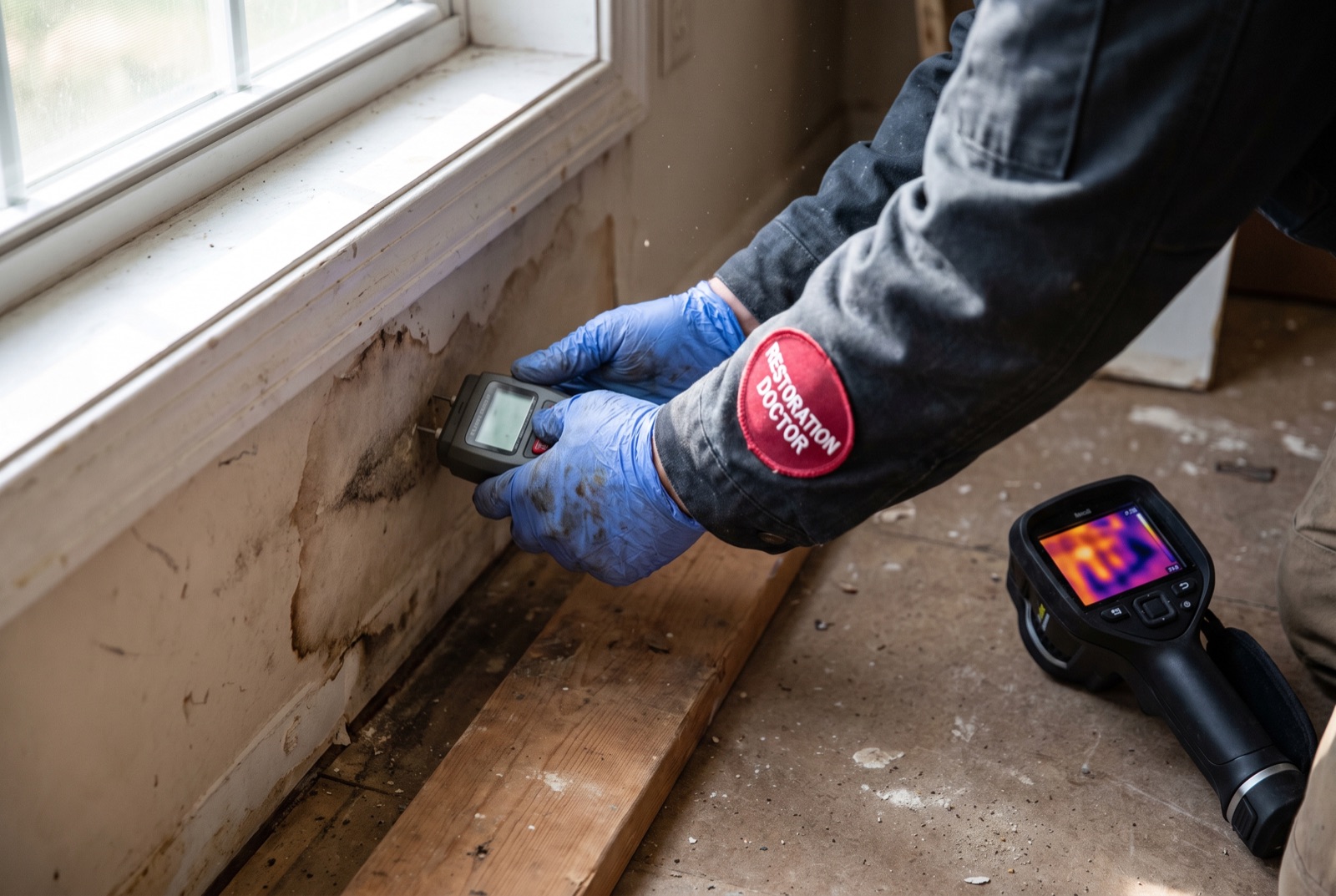
Most homeowners policies don't state a specific number of days to report a loss. Instead they use language like "prompt notice" or "as soon as practicable" — deliberately flexible phrasing that courts and carriers interpret based on circumstances. Reporting within a few days of discovery is comfortably prompt in almost any reading; reporting weeks or months later invites scrutiny.
Separate from the notice requirement, policies and state law set deadlines for formal steps: submitting sworn proof-of-loss documentation when requested, and filing suit against the carrier if a dispute can't be resolved — the latter is often one to several years depending on the policy and jurisdiction. Those outer deadlines exist, but they're not a reason to wait. Every practical force in a water claim rewards speed.
Why delay damages the claim itself
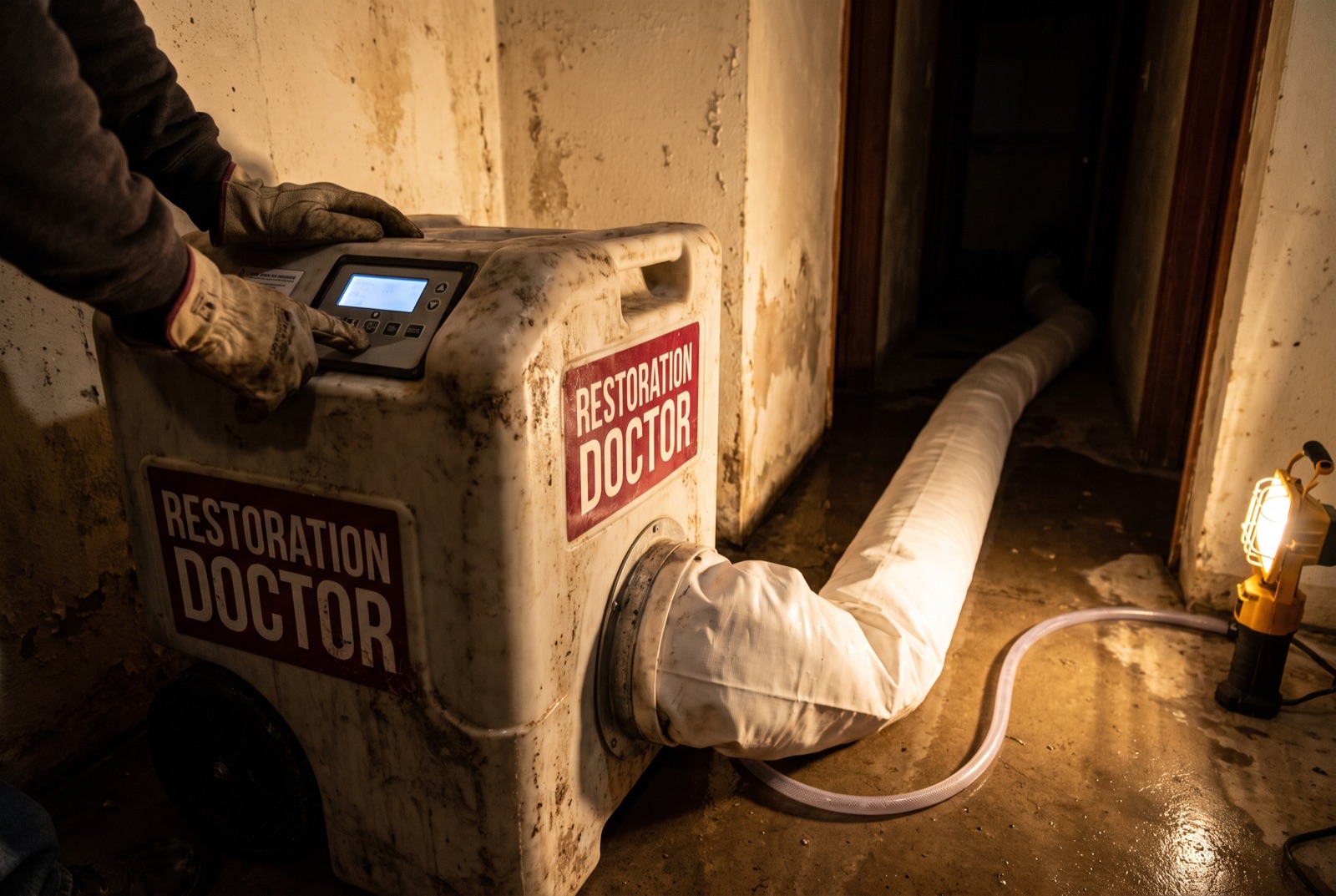
A water loss reported late presents two problems the carrier will raise. First, the condition of the evidence: a week-old loss carries mold risk, migrated moisture, and deteriorated materials that make it genuinely harder to distinguish the original event from what followed. Second, the mitigation duty: policies require prompt steps to prevent further damage, and a homeowner who sat on a wet structure for two weeks has given the carrier a basis to attribute part of the loss — often the mold portion — to inaction rather than to the covered event.
There's also a purely biological deadline. Materials that stay wet past 24 to 48 hours are at risk for mold growth. Reporting fast and mitigating fast keeps the loss a water claim instead of a water-plus-mold claim, which is better for your home, your health, and your file.
What about damage you just discovered?
Hidden losses — a slow supply-line failure inside a wall, a leak under a floor — are often discovered long after they began. The rule stays the same: report promptly upon discovery. The clock that matters for the notice requirement starts when you knew or reasonably should have known about the damage, not when the pipe first started weeping.
Be aware that long-developing damage raises coverage questions of its own, since policies generally cover sudden and accidental losses rather than gradual ones — carriers evaluate these situations case by case, and the specific cause and timeline matter enormously. What you control is the response after discovery: document the scene, don't discard failed components, get a professional moisture assessment to establish the current extent, and report right away. A prompt, well-documented response after discovery is the strongest position available.
The practical takeaway
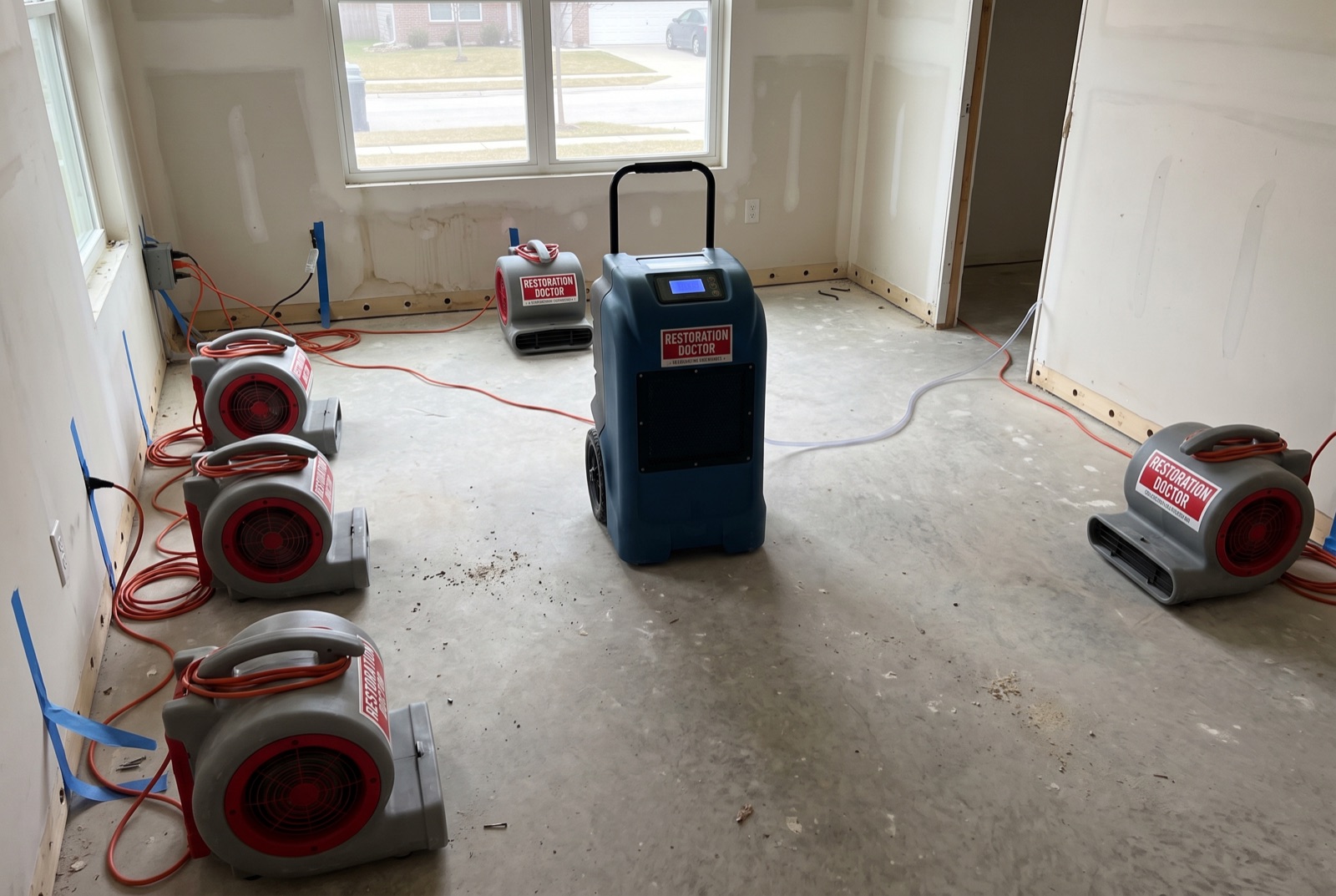
Treat reporting like mitigation: same day as discovery whenever possible. Photograph everything, call a restoration company to stop the damage, and call your carrier's claim line — the two calls can happen within the same hour. If time has already passed, don't let embarrassment add another week; report now and document thoroughly from this point forward.
Restoration Doctor responds 24/7 across Northern Virginia, Maryland, and D.C. and documents each loss from first arrival — moisture mapping, photos, and drying logs that establish exactly what the damage was and when the response began. Policies vary, so confirm your policy's notice provisions with your carrier. To get mitigation moving today, call 1-888-29-FLOOD.
Water Damage Restoration
Extraction, structural drying, and moisture verification for burst pipes, appliance leaks, and basement flooding.
Frequently asked
Related questions
How do I file a water damage insurance claim?
Why would a water damage claim be denied?
Should I call a restoration company or my insurance company first?
Does water damage get worse over time?
Active water, mold, fire, or sewage event?
Connect directly with the Restoration Doctor team for your region. Crews are on standby 24/7 with documented response protocols.