
Why would a water damage claim be denied?
The most common denial reasons are gradual or long-term damage, deferred maintenance, excluded causes like flooding or sewer backup without an endorsement, and late reporting. Because most denials hinge on the cause and timeline of the loss, thorough cause-of-loss documentation — photos, the failed component, moisture records — is the strongest defense.
Denial reason #1: "gradual damage" and deferred maintenance
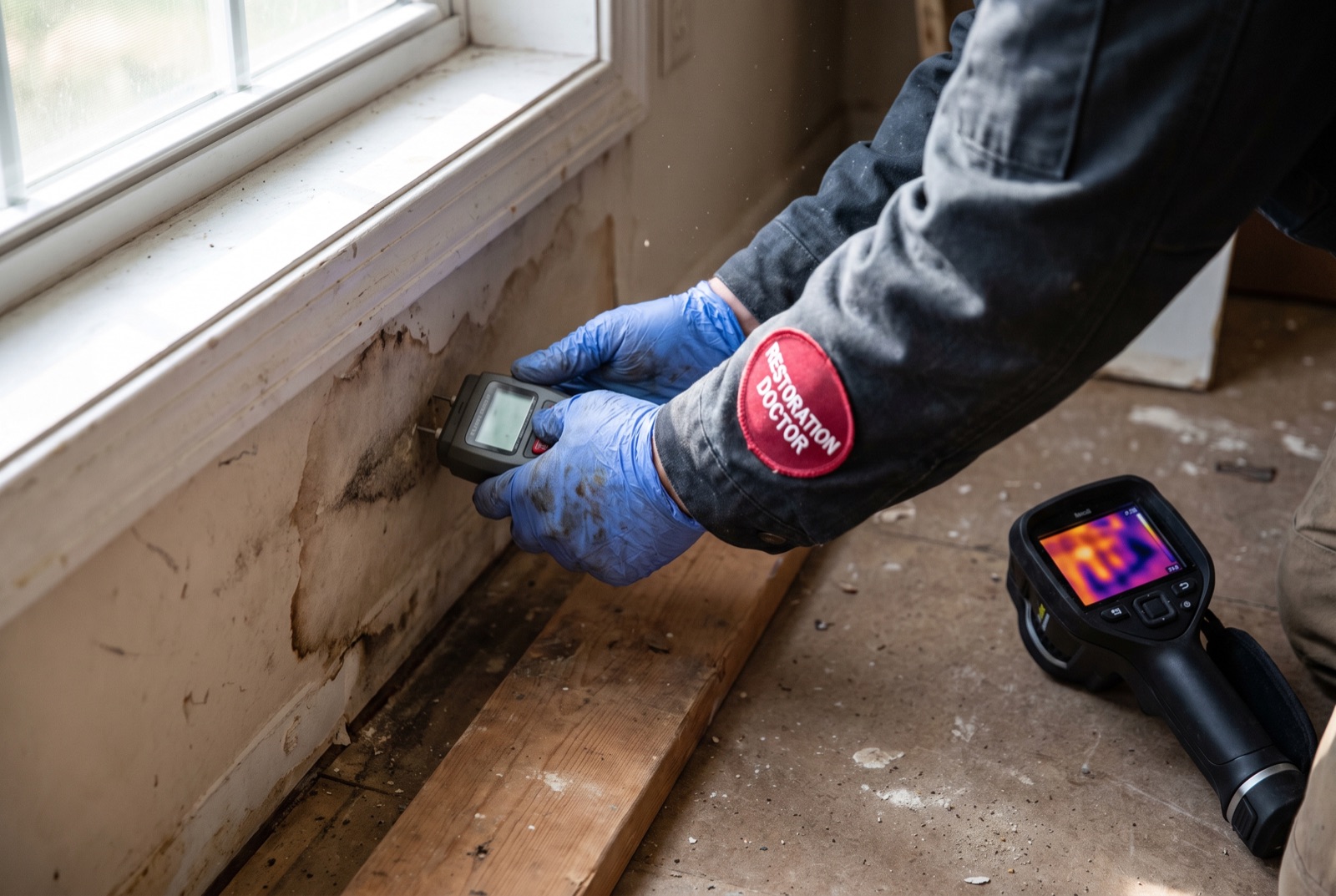
The single most common basis for denying a water damage claim is the carrier's determination that the damage happened gradually rather than suddenly. Standard policies cover sudden and accidental water losses; they generally exclude damage from slow leaks, long-term seepage, and conditions a homeowner reasonably should have addressed. If an inspection finds old staining, established mold colonies, corrosion patterns, or rot that takes months to develop, the carrier may conclude the loss predates the reported event.
The related category is deferred maintenance: a roof past its service life, plumbing known to be failing, or caulk and seals that were never maintained. Even when the final failure was dramatic, a carrier may attribute the loss to the underlying neglected condition.
This is where documentation earns its keep. Evidence that the failure was sudden — the burst fitting itself, photos with timestamps, a professional assessment of the failure mode, moisture readings consistent with a recent event — directly counters a gradual-damage theory.
Denial reason #2: the cause is excluded
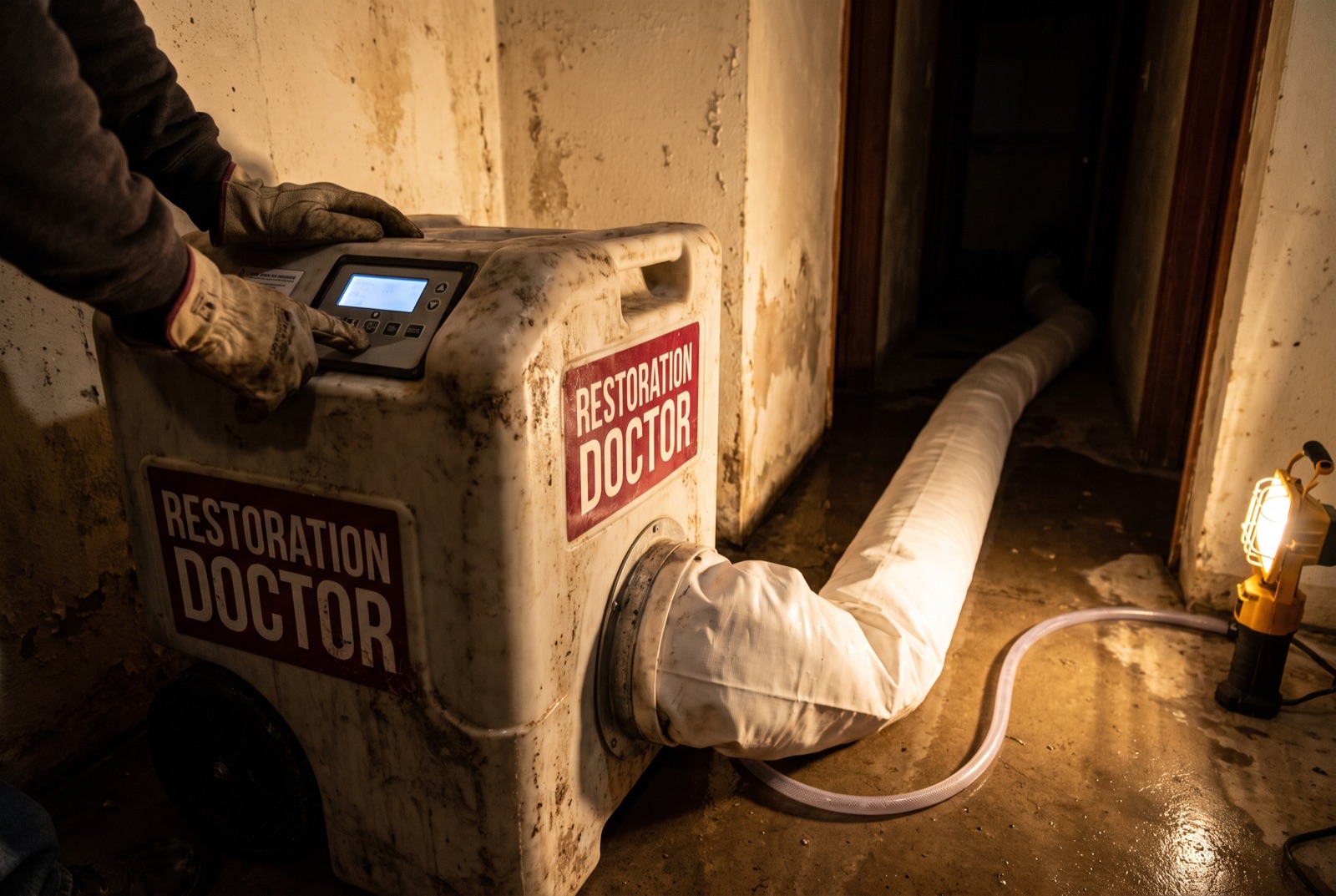
Some water losses fall outside a standard policy no matter how sudden they were. Flooding — surface water, storm surge, or rising groundwater — requires a separate flood policy through NFIP or a private insurer. Sewer and drain backup typically requires a water backup endorsement. Foundation seepage and hydrostatic groundwater intrusion are commonly excluded as well.
These denials are about policy structure rather than the facts of your loss, which is why the time to check your declarations page is before a loss ever happens. If your home has a basement, the sewer backup endorsement in particular closes one of the most common and expensive coverage gaps in residential insurance.
Denial reasons #3 and #4: late reporting and worsened damage
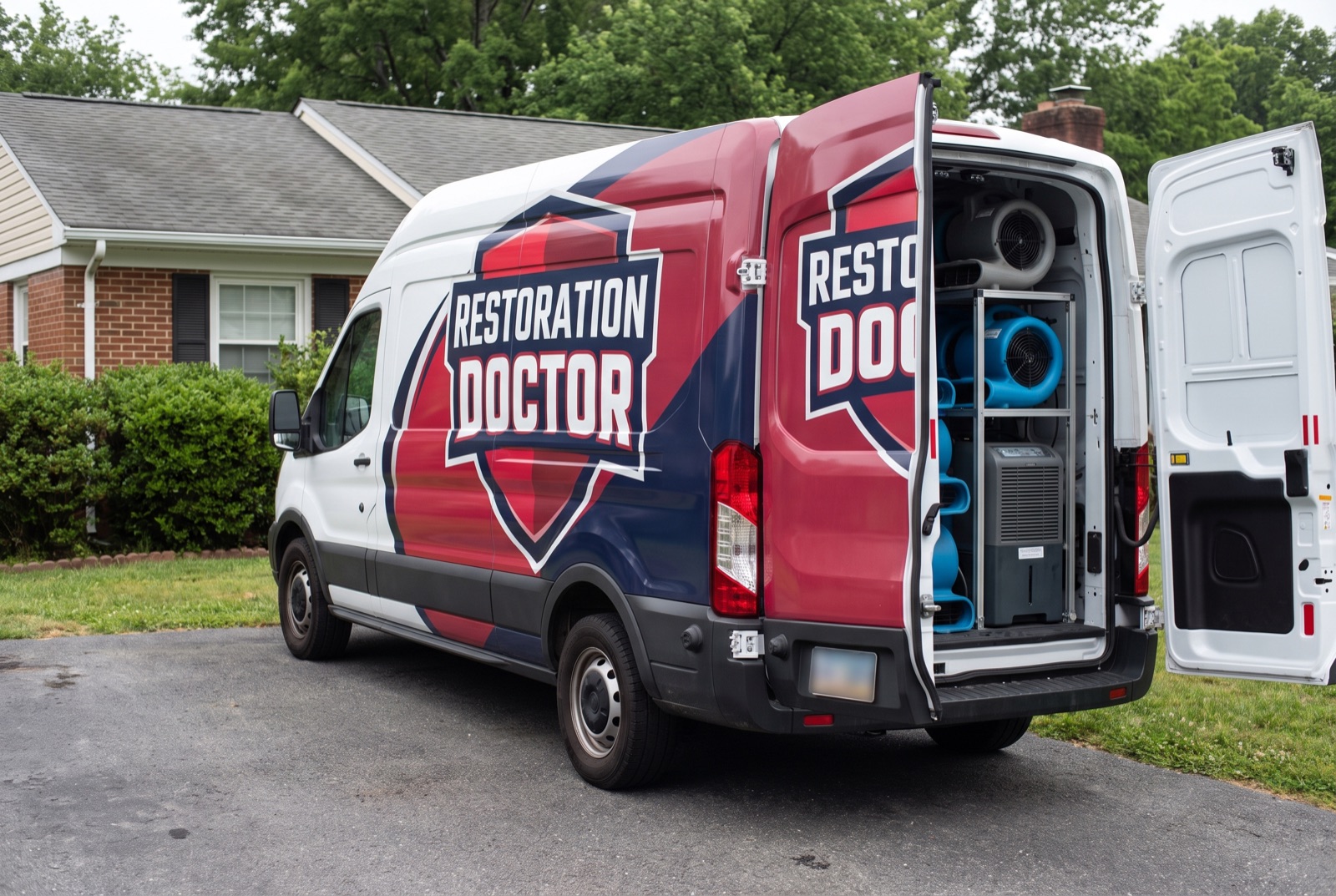
Policies require prompt notice of a loss and prompt steps to prevent further damage. Waiting weeks to report, or leaving a wet structure sitting undried while a claim decision was pending, gives a carrier two arguments at once: that the delay violated policy conditions, and that some portion of the damage — especially mold — resulted from inaction rather than the covered event.
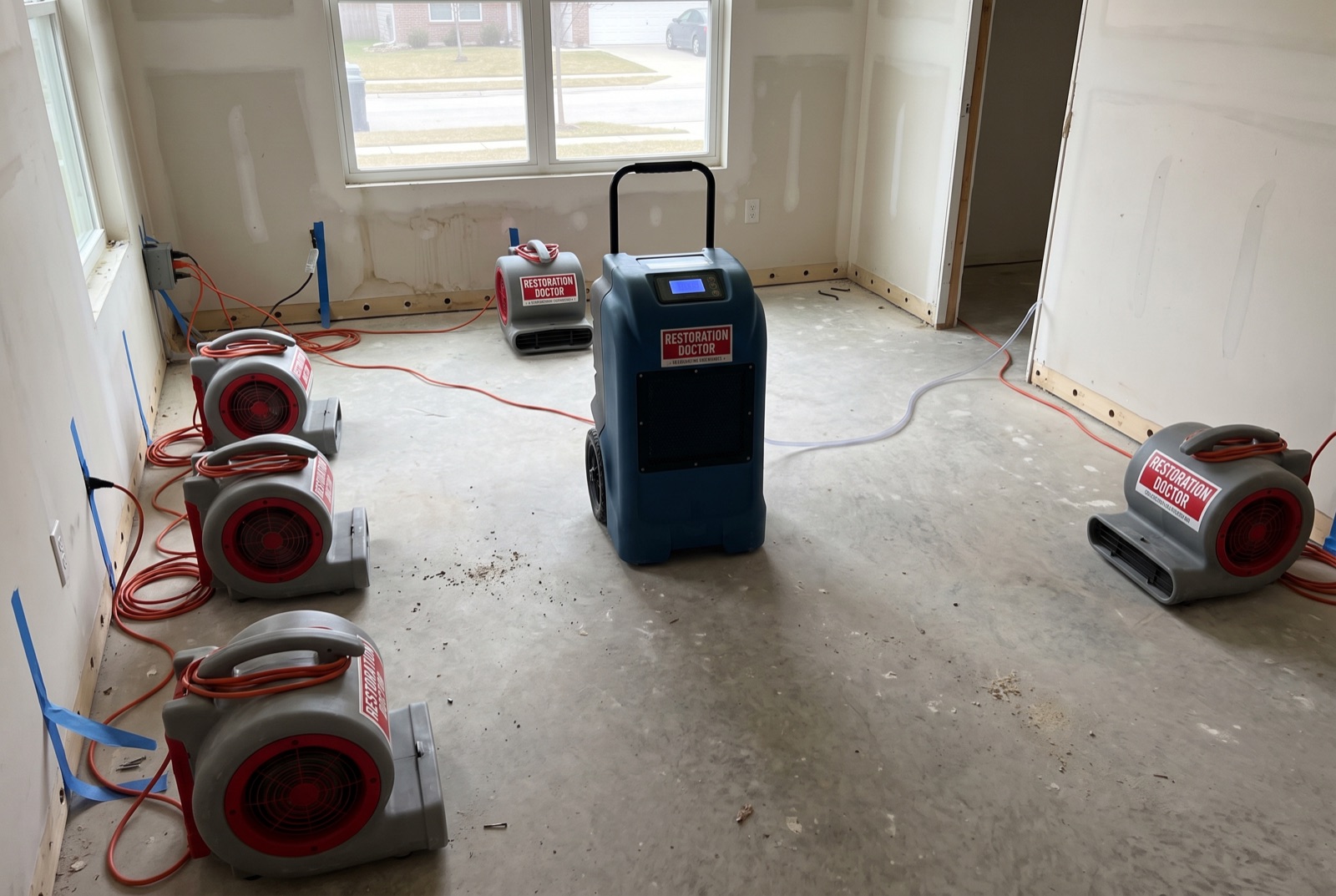
The defense is simply to act the way the policy expects: report promptly, mitigate immediately, and keep records proving you did both. Daily drying logs from a professional mitigation company are direct evidence that the homeowner met the duty to protect the property.
If your claim is denied
A denial is a position, not necessarily the final word. Read the denial letter carefully — it must state the specific policy language relied on. You can request a re-inspection, submit additional documentation, invoke your policy's appraisal provision for disputes about amount, or consult a licensed public adjuster or attorney for disputes about coverage. Additional evidence about the cause of loss is the most common reason carriers revisit denials.
The best defense, though, is built on day one. Restoration Doctor documents every loss thoroughly from first arrival — cause-of-loss photos, moisture mapping, and daily drying records in industry-standard format — so the factual record supports your claim from the start. We're not adjusters and don't negotiate with carriers on your behalf; we make sure the evidence is unambiguous. For documented emergency mitigation, call 1-888-29-FLOOD.
Water Damage Restoration
Extraction, structural drying, and moisture verification for burst pipes, appliance leaks, and basement flooding.
Frequently asked
Related questions
Does homeowners insurance cover water damage?
How long do I have to file a water damage claim?
What does an insurance adjuster look for in water damage?
Is sewer backup covered by homeowners insurance?
Active water, mold, fire, or sewage event?
Connect directly with the Restoration Doctor team for your region. Crews are on standby 24/7 with documented response protocols.