
Is sewer backup covered by homeowners insurance?
Usually not under a standard policy — sewer and drain backups are a common exclusion. Coverage requires adding a water backup endorsement, which typically costs in the range of $50 to $250 per year and covers cleanup and damage from backups and sump pump overflows, subject to its own limit. Check your declarations page before you need it.
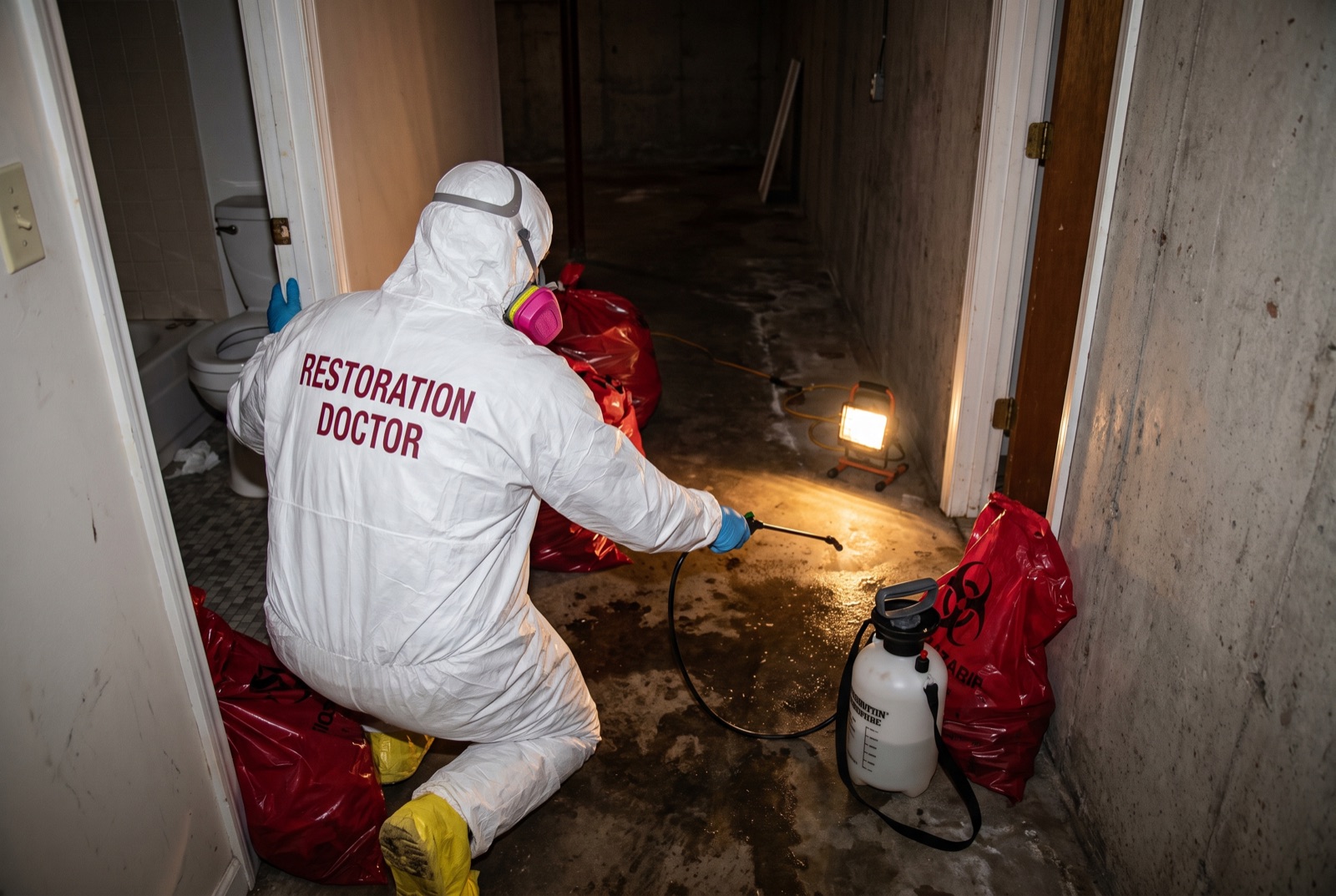
The standard-policy gap most homeowners don't know about
Homeowners policies cover many sudden water losses — burst pipes being the classic example — but water that backs up through sewers, drains, or an overwhelmed sump system is a standard exclusion on most policy forms. Homeowners routinely discover this at the worst possible moment: standing in a flooded basement, learning that the cleanup and the ruined finished space aren't covered because the water arrived through the floor drain instead of a supply pipe.
The fix is an endorsement — commonly called water backup, sewer backup, or water backup and sump discharge coverage — added to your policy for a modest annual premium, typically somewhere in the $50 to $250 range depending on the limit you choose and your carrier. Given that sewage losses in finished basements routinely run into the thousands or tens of thousands, it's among the highest-value endorsements available.
What the endorsement covers — and its limits
A water backup endorsement typically covers damage from water or waterborne material backing up through sewers and drains, and overflow from a sump pump or sump pit — including Category 3 cleanup, removal of contaminated materials, drying, repairs to the structure, and damaged personal property, up to the endorsement's limit.
Those limits matter: endorsements are often sold at $5,000, $10,000, or $25,000 rather than at your full dwelling limit, and a finished-basement sewage loss can exceed a low limit quickly once flooring, drywall, contents, and reconstruction are counted. If your basement is finished, choosing a realistic limit is as important as having the endorsement at all. Note also what it isn't: surface flooding from outside — rising water entering through doors, windows, or foundation walls — is flood damage, excluded from homeowners policies entirely and covered only by separate flood insurance, even though a storm can produce both kinds of loss on the same night.
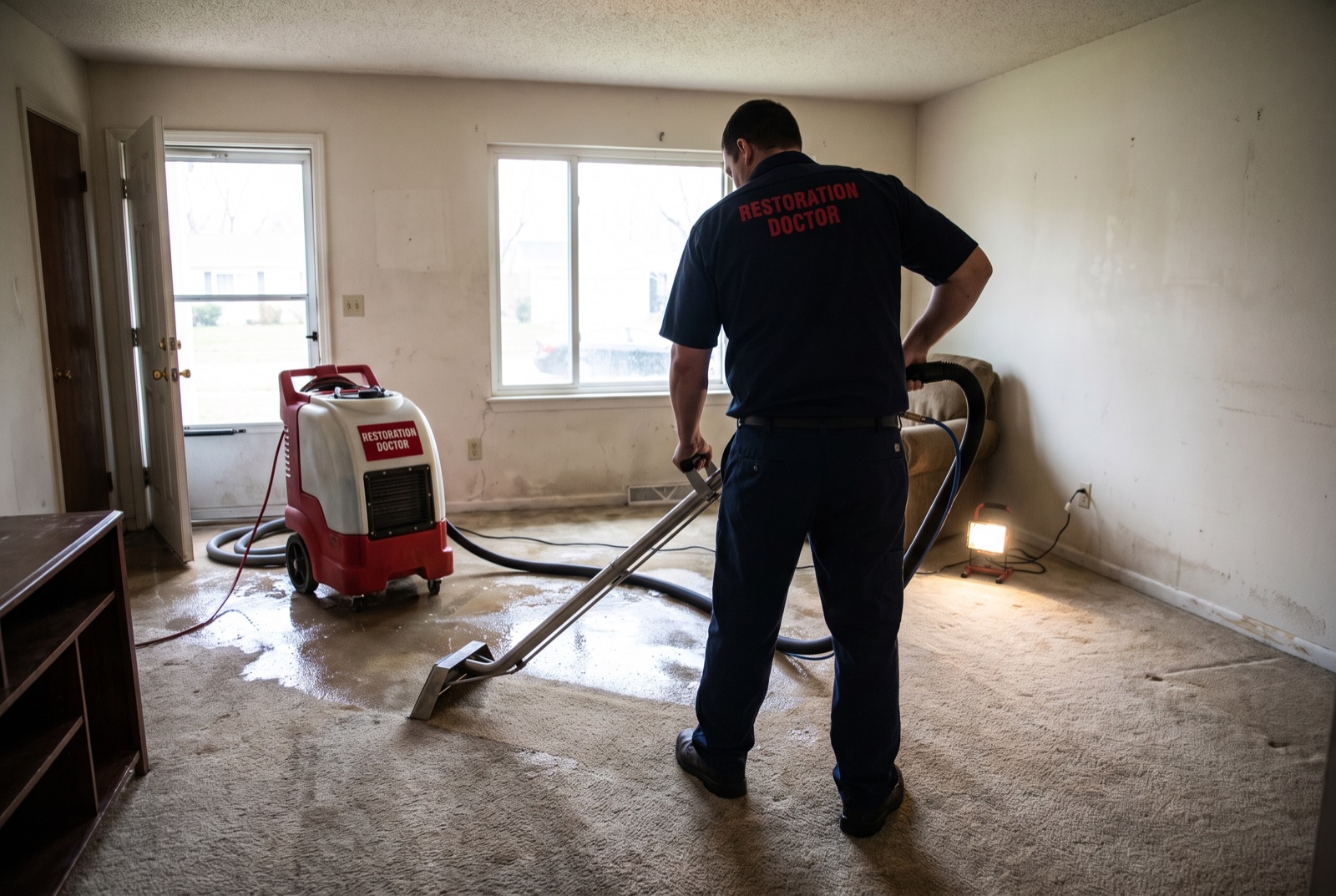
Common coverage disputes and how causes get classified
Sewage losses generate classification questions: water from an overwhelmed municipal main pushing up your floor drain is backup (endorsement territory); groundwater seeping through foundation cracks is flood/seepage (not backup); a blockage in your own lateral producing an overflow is backup. Carriers may also decline claims where the backup traces to long-term neglect — a root-choked line with years of ignored warning signs can be framed as a maintenance issue. Clearing your line periodically if it's root-prone, and keeping records of it, protects both your basement and your claim.
When a backup happens, document thoroughly before cleanup: photos and video of the entry point, the water, and everything affected. Report promptly, and get professional mitigation moving — policies expect reasonable steps to prevent further damage, and certified crews document what was contaminated, removed, and disinfected in the format adjusters need.
Check your policy today — and act fast if it happens
Two minutes with your declarations page answers the question: look for a water backup / sewer backup endorsement and its limit. If it's missing and you have a basement, call your agent — it's an inexpensive add. If a backup has already happened, don't let coverage uncertainty delay the response: sewage contamination worsens by the hour, and cleanup is necessary either way. Restoration Doctor handles certified sewage cleanup 24/7 across Northern Virginia, Maryland, and D.C., with the documentation your carrier will ask for — call 1-888-29-FLOOD.
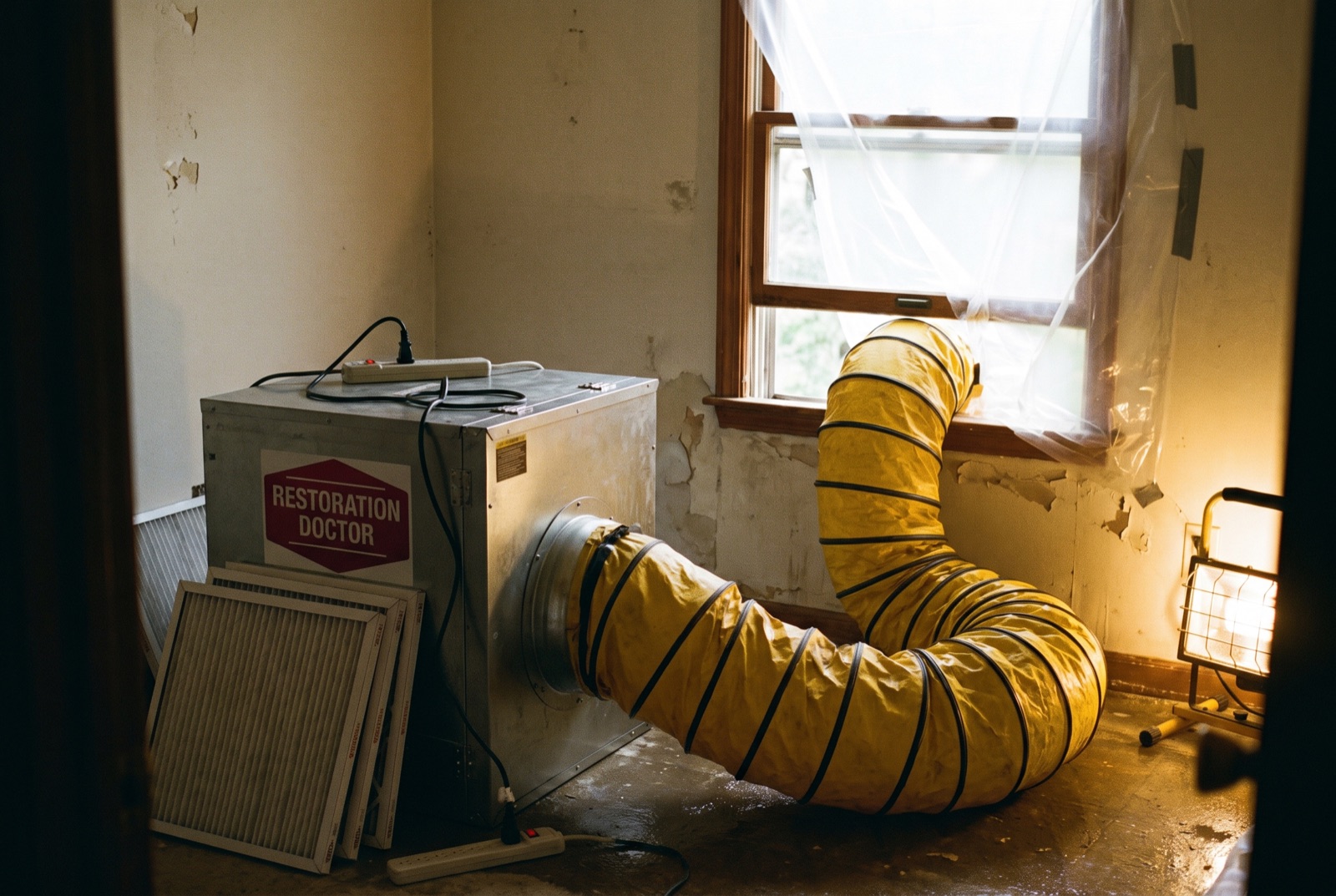
Water Damage Restoration
Extraction, structural drying, and moisture verification for burst pipes, appliance leaks, and basement flooding.
Frequently asked
Related questions
What should you do after a sewage backup?
How much does sewage cleanup cost?
Does homeowners insurance cover water damage?
What causes sewage to back up into a house?
Active water, mold, fire, or sewage event?
Connect directly with the Restoration Doctor team for your region. Crews are on standby 24/7 with documented response protocols.