
What causes sewage to back up into a house?
The four big causes: a clog in your main sewer line (grease, wipes, foreign objects), tree roots growing into the pipe, a damaged lateral — cracked, bellied, or collapsed, common with older clay and cast iron — and municipal main surcharges during heavy rain. Backups typically enter at the lowest opening: a basement floor drain or first-floor shower.
How to read the symptom: one drain or all of them
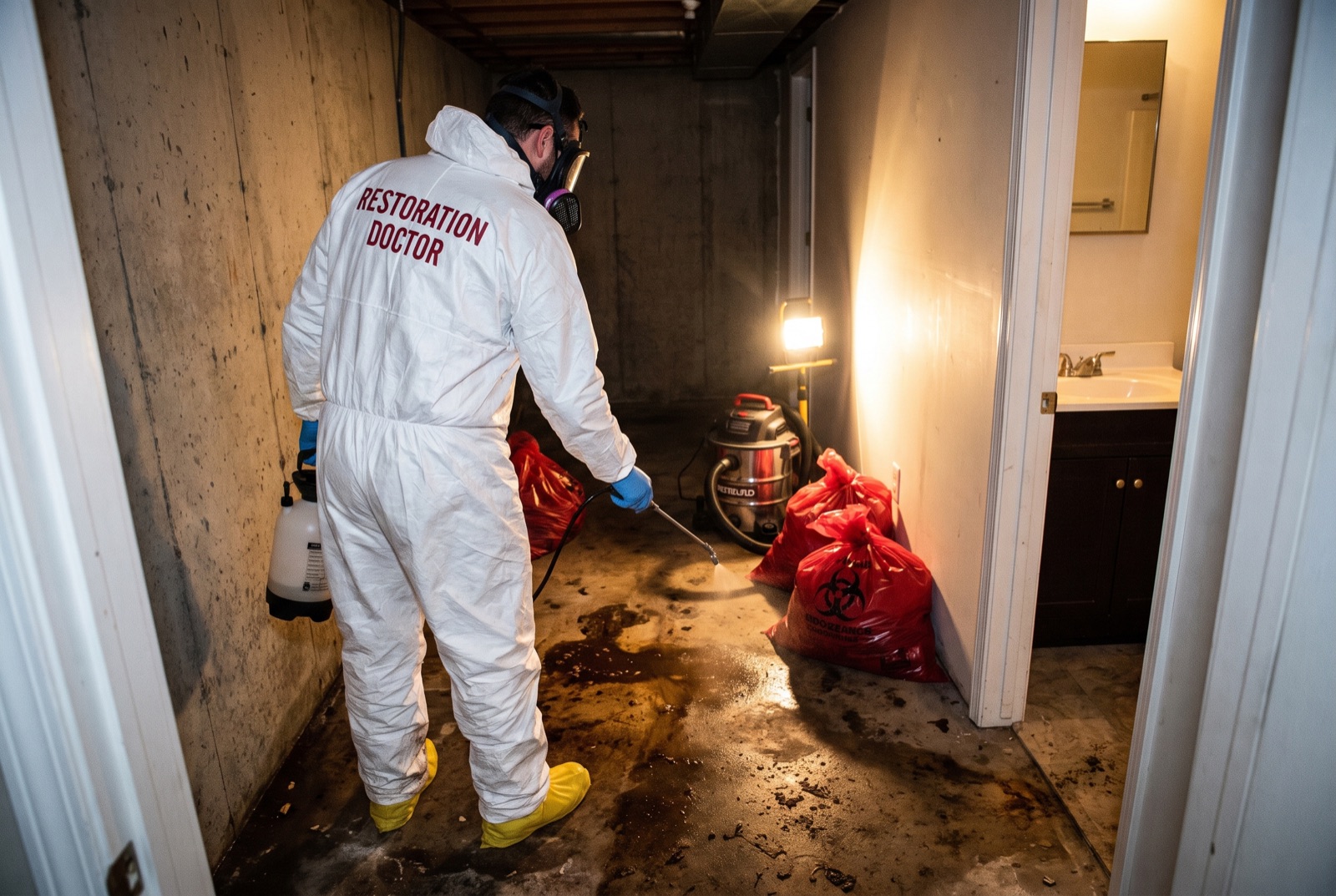
Where the backup appears tells you a lot. If a single fixture backs up — one toilet, one sink — the blockage is usually in that fixture's branch line, a smaller and simpler problem. If multiple fixtures back up together, if flushing one toilet gurgles another, or if wastewater rises from the basement floor drain when the washing machine drains, the blockage is in the main line that serves the whole house. That's the scenario that puts sewage on your floor.
The entry point is almost always the lowest drain opening in the home — a basement floor drain, a basement bathroom, or a first-floor shower in homes without basements. Wastewater from every upstairs fixture has to pass the blockage; when it can't, it exits at the first opening below the backup level.
Blockages inside your lateral: clogs and roots
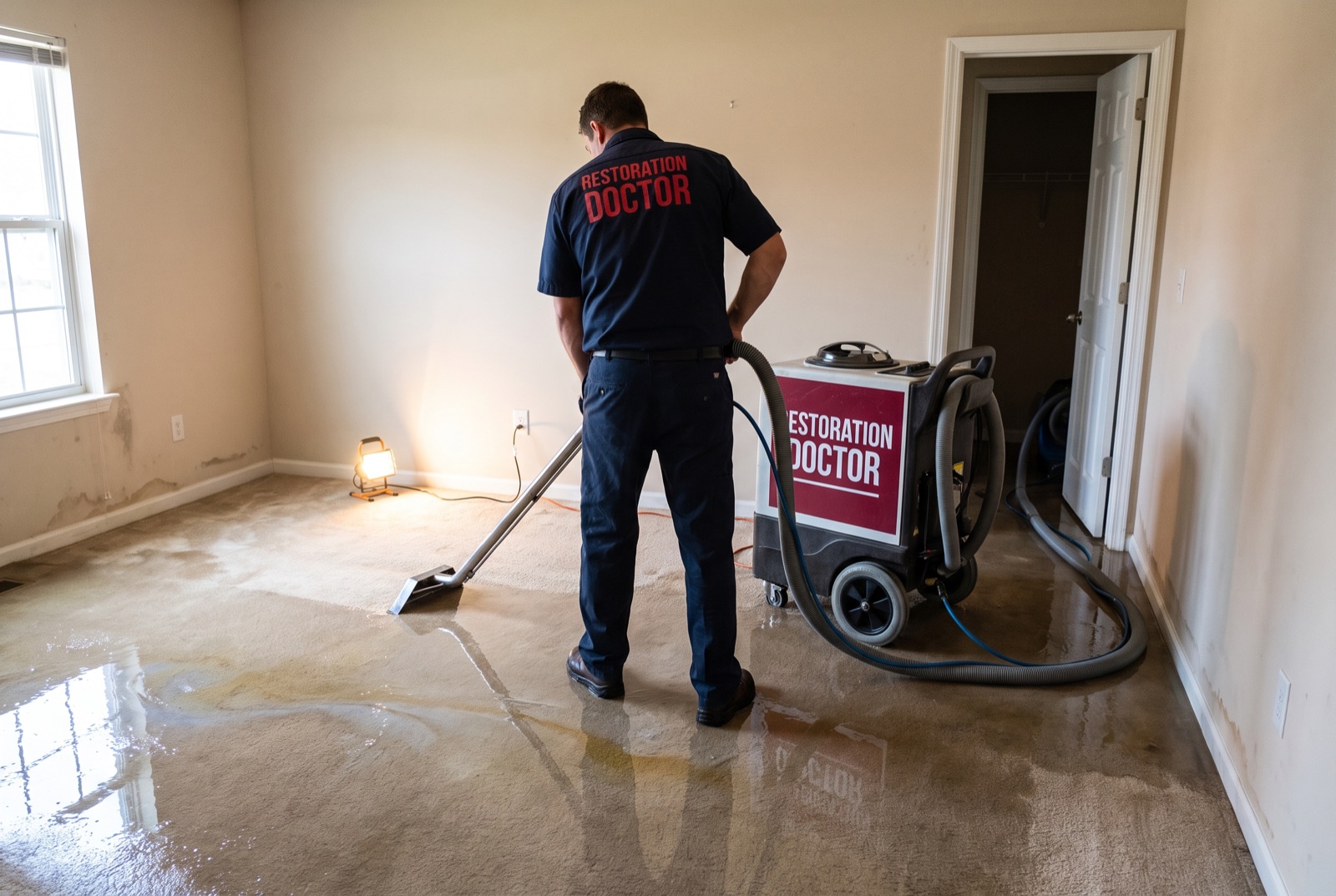
Your lateral — the pipe running from the house to the municipal main or septic tank — is your responsibility, and it's where most backups start. Everyday clogs build from grease and cooking fat (which coats pipe walls and hardens), so-called "flushable" wipes (which don't break down and are a leading cause of residential main-line clogs), paper towels, hygiene products, and objects kids send down the toilet.
Tree roots are the other classic culprit, especially in established Northern Virginia and Maryland neighborhoods with mature trees and older sewer lines. Roots seek moisture, find their way into tiny joints and cracks in the pipe, and grow into root masses that catch debris until flow stops. Root intrusion tends to recur seasonally after clearing unless the pipe itself is repaired or lined.
Structural failure and municipal surcharge
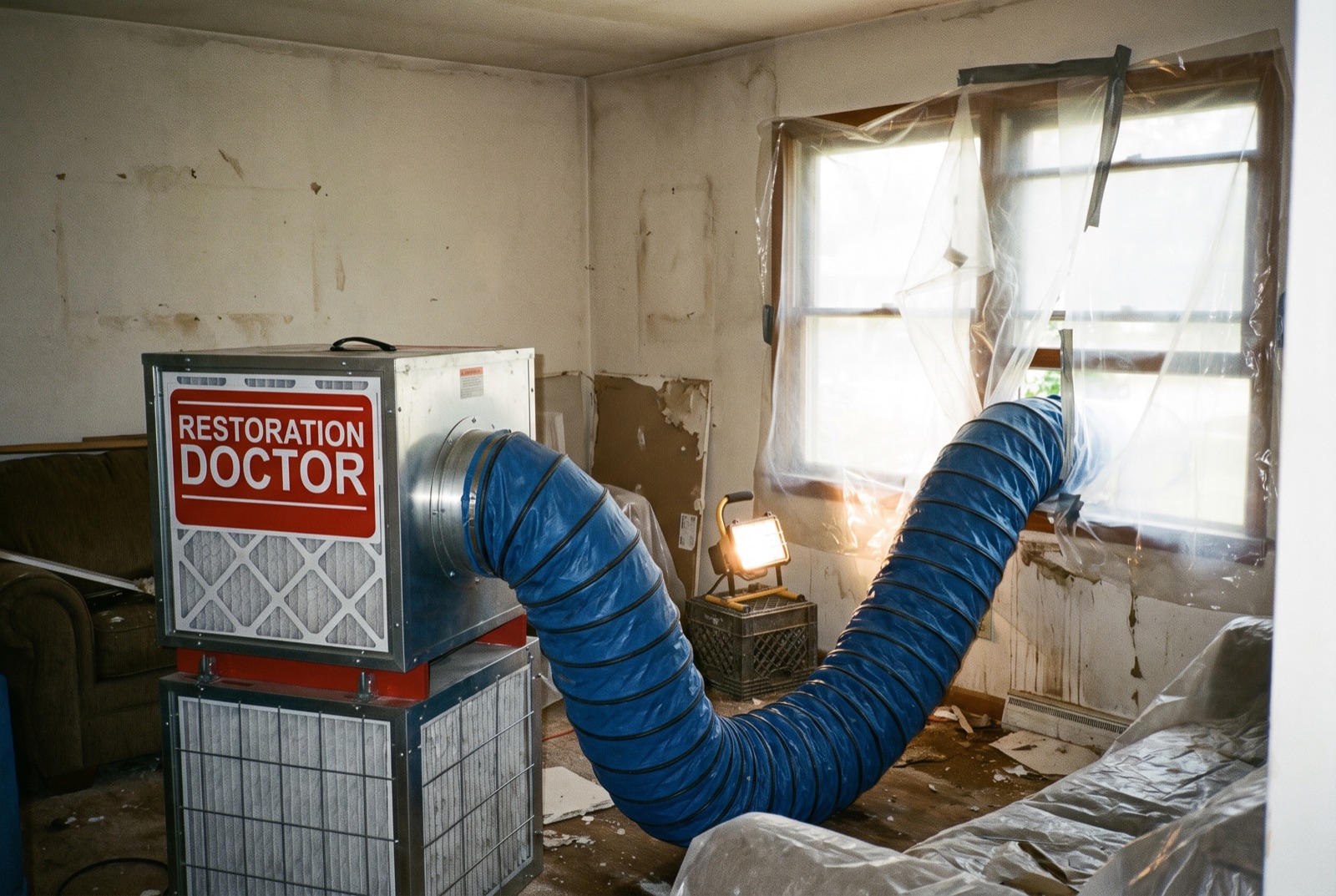
Older pipe materials fail with age. Clay tile laterals (common in mid-century homes) crack and shift at joints; cast iron corrodes and flakes internally until the channel narrows; Orangeburg — a bituminized fiber pipe used in some post-war construction — deforms and collapses. A "bellied" line, sagging from soil settlement, holds standing waste that builds into repeated clogs. These conditions show up as backups that keep recurring despite snaking, and a camera inspection is how they're diagnosed definitively.
The fourth cause originates outside your property: during intense rain, combined or infiltration-prone municipal systems can surcharge — more water enters the public main than it can carry, and pressure pushes sewage backward up laterals and into basements through floor drains. If your backups coincide with heavy storms, this is the likely mechanism, and a backwater valve on your lateral is the standard defense. Septic systems have their own failure list: full tanks, saturated drain fields, and blocked distribution lines produce the same symptom at the house.
Diagnosis, defense, and cleanup
For any main-line backup, the diagnostic gold standard is a sewer camera inspection after the line is cleared — it distinguishes a one-off clog from roots, bellies, and structural failure, and tells you whether you need a cleaning schedule, a spot repair, lining, or a backwater valve. Address the cause, or the backup returns.
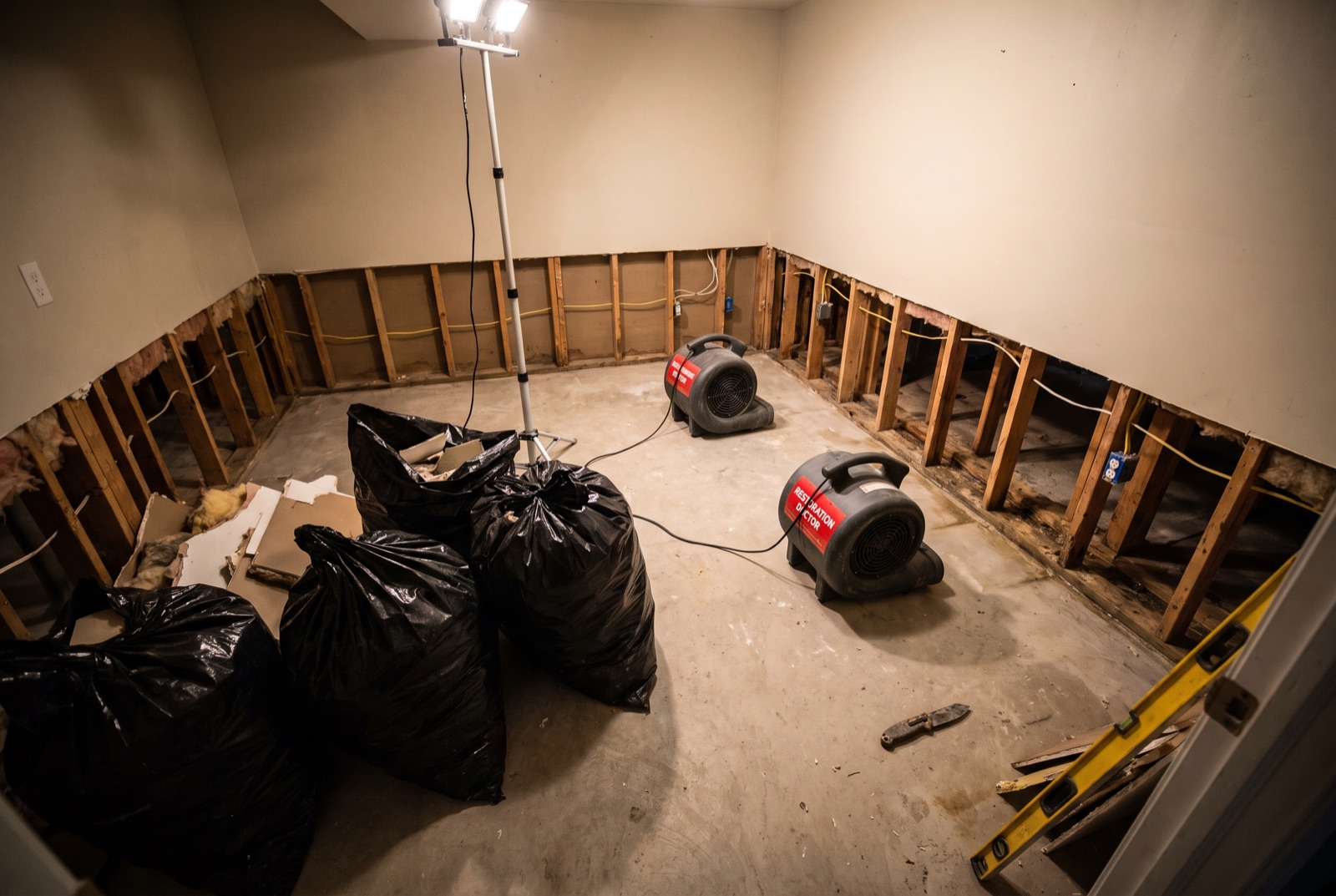
And treat what already came up the drain as the hazard it is: sewage is Category 3 water under the IICRC S500 standard, and cleanup means containment, removal of contaminated porous materials, disinfection, and verified drying — not a mop. Restoration Doctor provides certified sewage cleanup 24/7 across Northern Virginia, Maryland, and D.C.; call 1-888-29-FLOOD.
Sewage & Biohazard Cleanup
Category 3 black-water decontamination with full PPE, safe removal, antimicrobial treatment, and verification.
Frequently asked
Related questions
Why does my house smell like sewage?
What should you do after a sewage backup?
Is sewer backup covered by homeowners insurance?
How do professionals clean up sewage?
Active water, mold, fire, or sewage event?
Connect directly with the Restoration Doctor team for your region. Crews are on standby 24/7 with documented response protocols.