What should you do after a sewage backup?
Keep people and pets out of the affected area, stop using water and don't flush — every drain feeds the same line. Ventilate if you can do so without walking through sewage, shut off power to affected areas if water is near outlets, photograph the damage from a safe spot, and call a certified sewage cleanup company immediately.
First: protect the people, not the floor
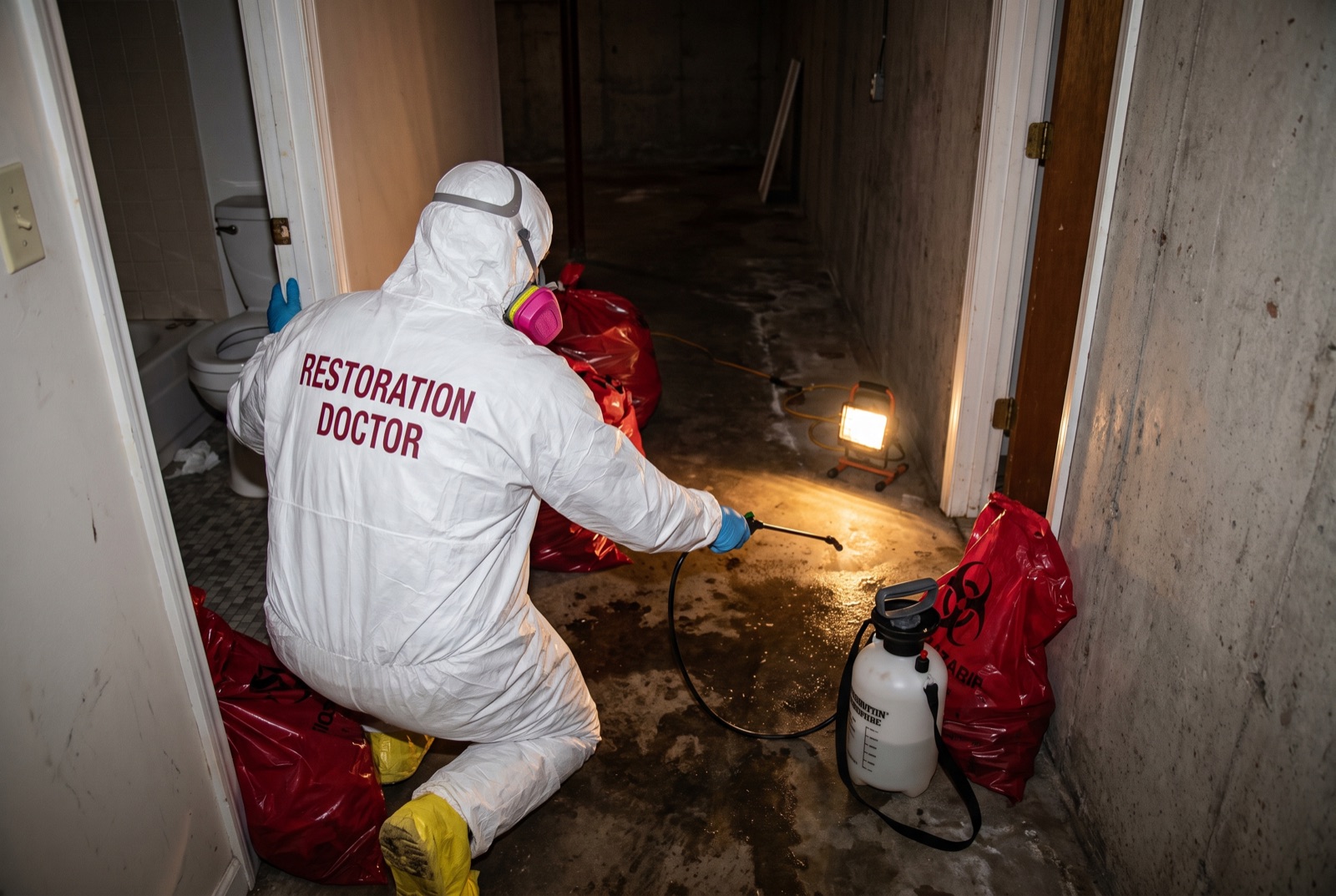
Sewage is Category 3 water under the IICRC S500 standard — grossly contaminated water that can carry bacteria, viruses, and parasites. The instinct to grab a mop works against you here. Keep children and pets out of the affected area entirely, and keep anyone who is elderly, pregnant, or immunocompromised away from the space until it has been professionally cleaned and disinfected.
If you must enter briefly — to shut off power or rescue an essential item — avoid direct contact with the water. Rubber boots and gloves at minimum, and wash thoroughly afterward. Anything the sewage touches, including footwear, should be treated as contaminated. Don't track through the water and then walk across clean areas of the house; that's how contamination spreads room to room.
Stop feeding the backup
A backup means wastewater can't leave the house — so every gallon you send down any drain comes back up at the lowest opening, usually a basement floor drain or a first-floor shower. Stop all water use immediately: no flushing, no laundry, no dishwasher, no showers, anywhere in the house. If the backup is actively rising, this alone often stops it.
If water is pooling near outlets, appliances, or your electrical panel, shut off the breakers for those areas — but only if you can reach the panel without standing in sewage. If sewage is entering from the municipal side during heavy rain, there's little you can do to stop the inflow itself; focus on keeping people out and moving uncontaminated belongings up and away from the water's path.
Ventilate the space if you can open windows or exterior doors without wading through the water. Airflow reduces odor and airborne moisture, though it does not make the area safe — the contamination is in the water and on every surface it touched.
Document, and call your insurer about coverage
Photograph and video the backup from safe vantage points: the source, the extent of the water, and affected rooms and belongings. Note the time it started and what was happening — heavy rain, slow drains beforehand, recent plumbing work. This matters for both insurance and diagnosing the cause.
On coverage: standard homeowners policies typically exclude sewer backups unless you carry a water backup endorsement, so check your declarations page and report the loss promptly. Even where structural coverage is uncertain, the cleanup still can't wait — sewage contamination worsens by the hour as water soaks deeper into porous materials, and delay expands both the health risk and the demolition scope.
Get certified Category 3 cleanup started
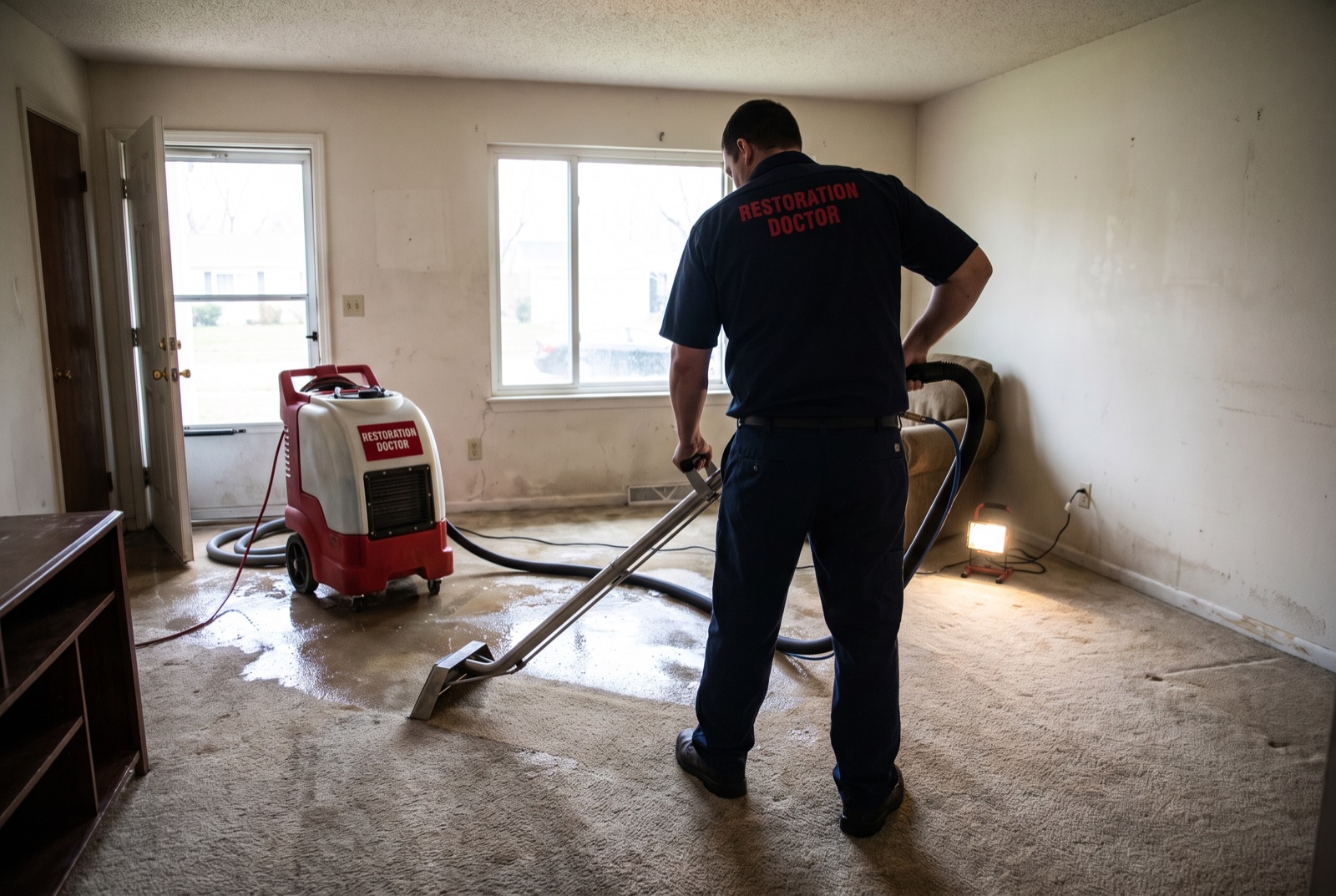
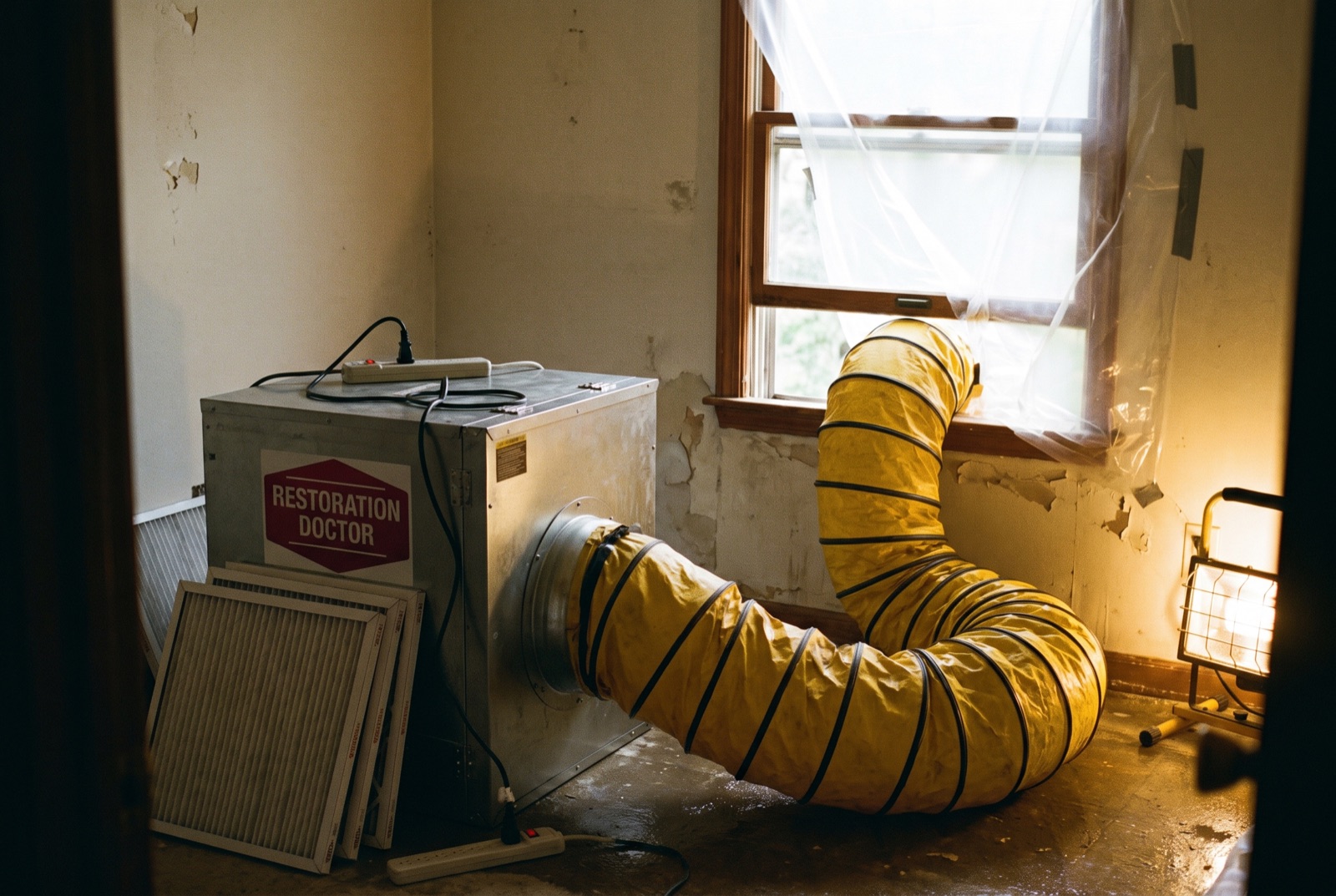
Sewage cleanup is not a shop-vac job. Professional crews work under IICRC S500 Category 3 protocols: containment to keep contamination from spreading, protective equipment for workers, extraction and lawful disposal of the waste, removal of porous materials the sewage touched, cleaning and disinfection of salvageable surfaces, and structural drying verified with moisture readings. Restoration Doctor provides certified sewage cleanup 24/7 across Northern Virginia, Maryland, and D.C. — call 1-888-29-FLOOD and keep the area sealed off until the crew arrives.
Sewage & Biohazard Cleanup
Category 3 black-water decontamination with full PPE, safe removal, antimicrobial treatment, and verification.
Frequently asked
Related questions
Is sewage backup dangerous to your health?
Can I clean up sewage myself?
How do professionals clean up sewage?
Is sewer backup covered by homeowners insurance?
Active water, mold, fire, or sewage event?
Connect directly with the Restoration Doctor team for your region. Crews are on standby 24/7 with documented response protocols.