Is sewage backup dangerous to your health?
Yes. Sewage is classified as Category 3 "black water" under the IICRC S500 standard — grossly contaminated water that can carry disease-causing bacteria, viruses, and parasites. Exposure happens through direct contact, hand-to-mouth transfer, and aerosolized droplets. Children, pets, the elderly, and immunocompromised people should be kept out of affected areas entirely.
What's actually in sewage
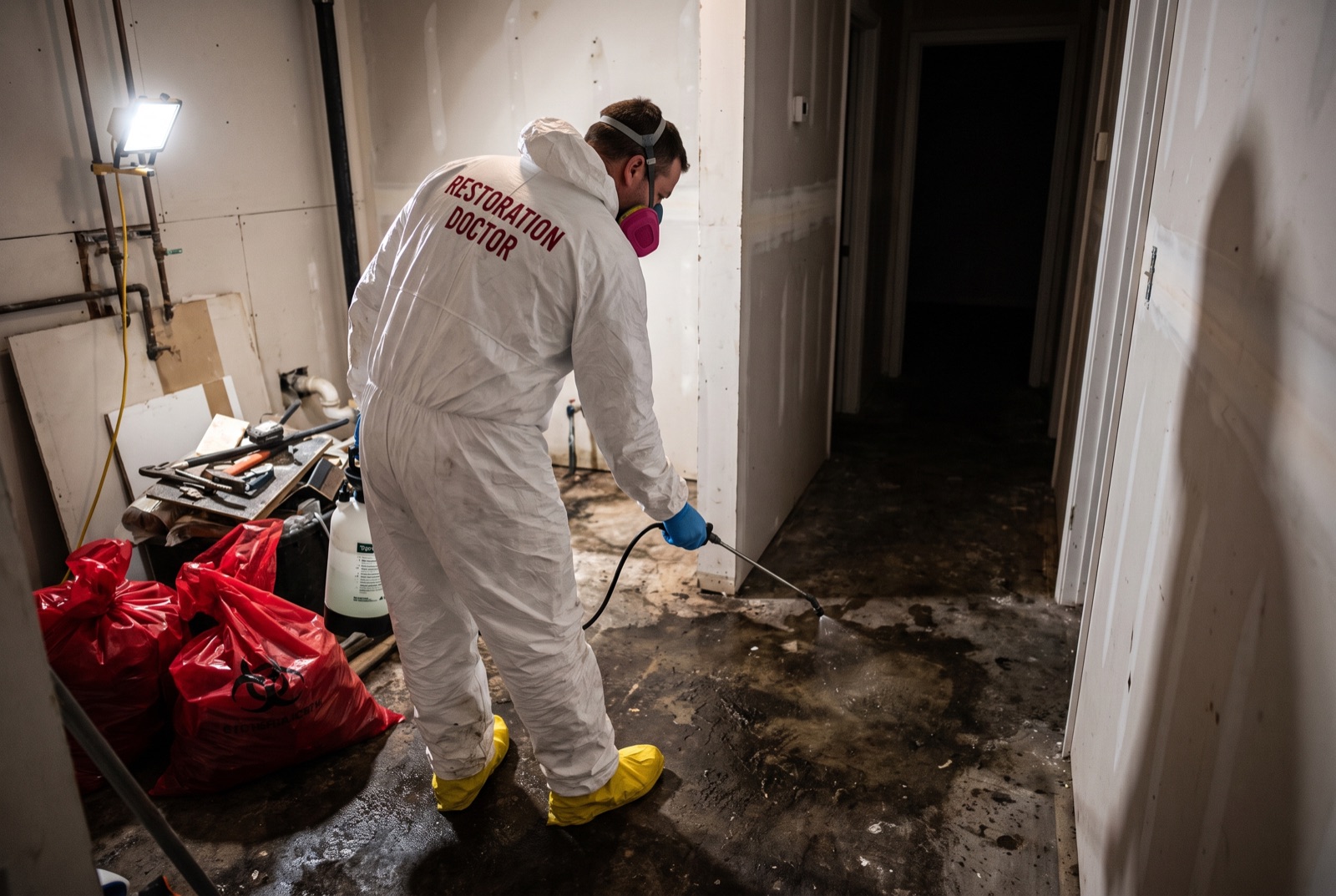
Raw sewage is a concentrated biological hazard. Public health references consistently associate it with bacteria such as E. coli and Salmonella, viruses including hepatitis A and norovirus, and parasites like Giardia and Cryptosporidium — along with whatever household and industrial chemicals traveled down the same drains. The exact mix varies by source and municipality, but the classification doesn't: under the IICRC S500 standard, sewage is Category 3, the highest contamination level, alongside rising floodwater.
Contamination isn't limited to the visible water. Everything the sewage touched — flooring, drywall from the waterline down, contents, and the film left behind as water recedes — carries the same microbial load. And pathogens don't vanish when the surface dries; many survive on materials for days to weeks, which is why a backup that "dried out on its own" is still a contaminated space.
How exposure actually happens
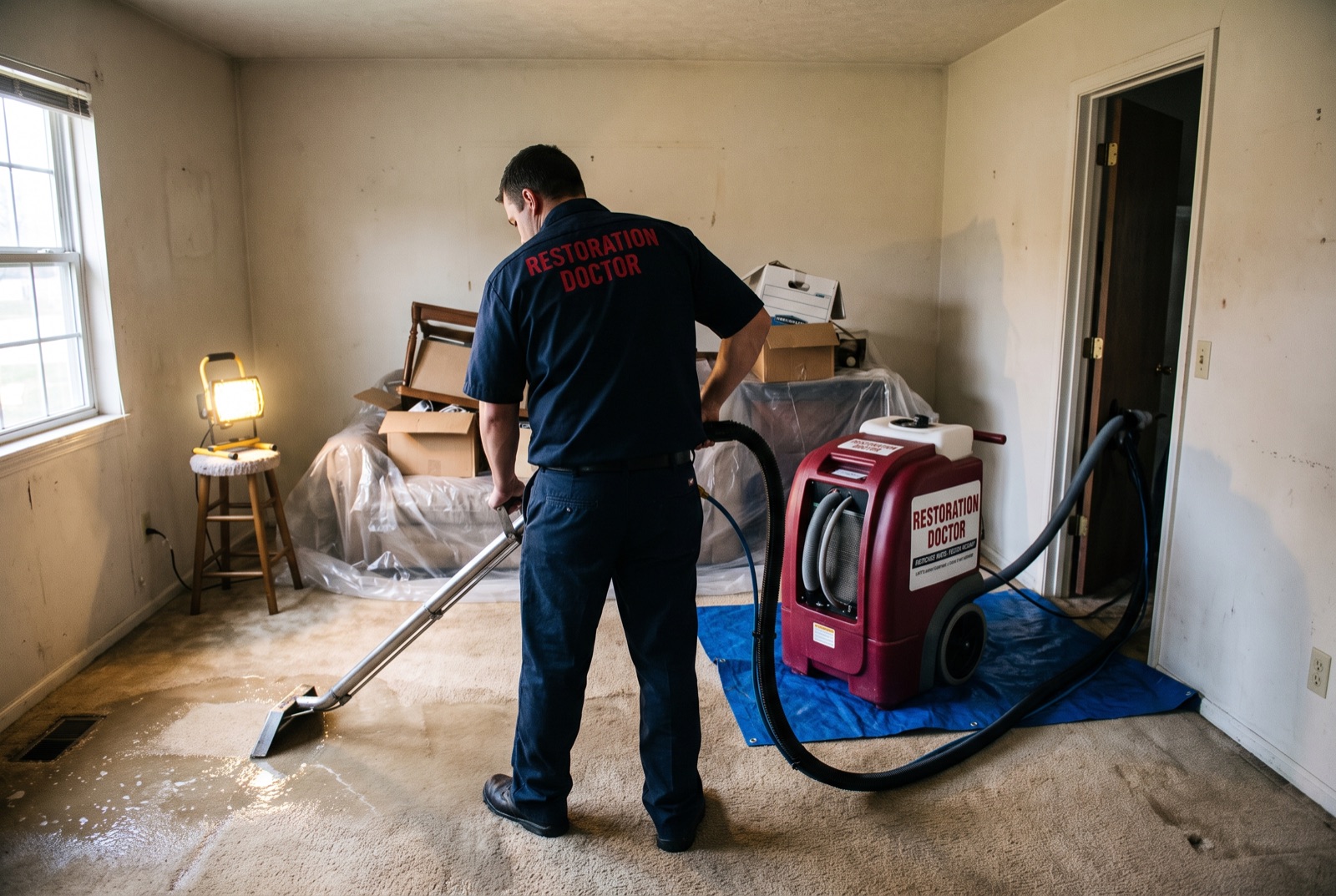
The obvious route is direct contact — wading through the water, handling soaked items, touching contaminated surfaces and then your face or food. Cuts and abrasions give pathogens a direct entry point, which is why professional crews treat skin protection seriously.
The less obvious route is airborne. Agitating sewage — walking through it, running a shop vacuum, pointing fans at it — aerosolizes fine droplets that can be inhaled or settle on surfaces well beyond the wet area. This is exactly why DIY cleanup with household equipment tends to spread the problem: a regular vacuum exhausts contaminated aerosol into the air, and fans blow it through the house. Sewer gas is a separate concern: hydrogen sulfide and methane cause the characteristic odor and, in enclosed unventilated spaces, can be harmful in their own right.
Who needs the most protection
Healthy adults who briefly contact sewage and wash thoroughly usually fare fine — the point of caution isn't alarm, it's that the risk is real and unevenly distributed. Children play on floors and put hands in mouths. Pets walk through contamination and carry it on paws and fur. Elderly household members, pregnant women, and anyone immunocompromised or with chronic respiratory conditions face higher stakes from the same exposure.
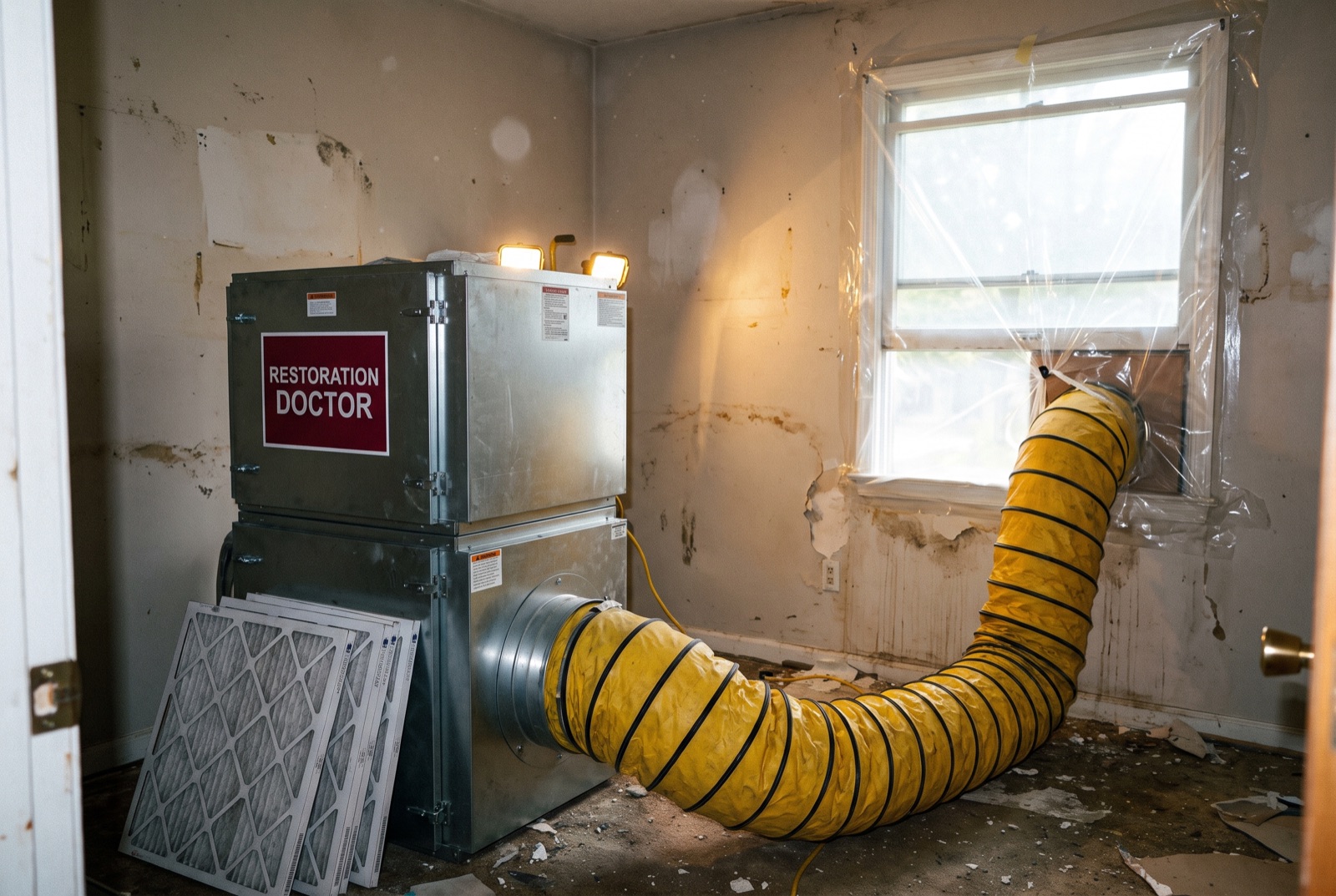
The practical rule: keep vulnerable people and pets out of the affected area from discovery until professional cleaning, disinfection, and drying are complete — not just until the water is gone. If sewage reached HVAC components or the system ran during the event, have that assessed too, since ductwork can move contaminated air between rooms.
Closing the risk properly
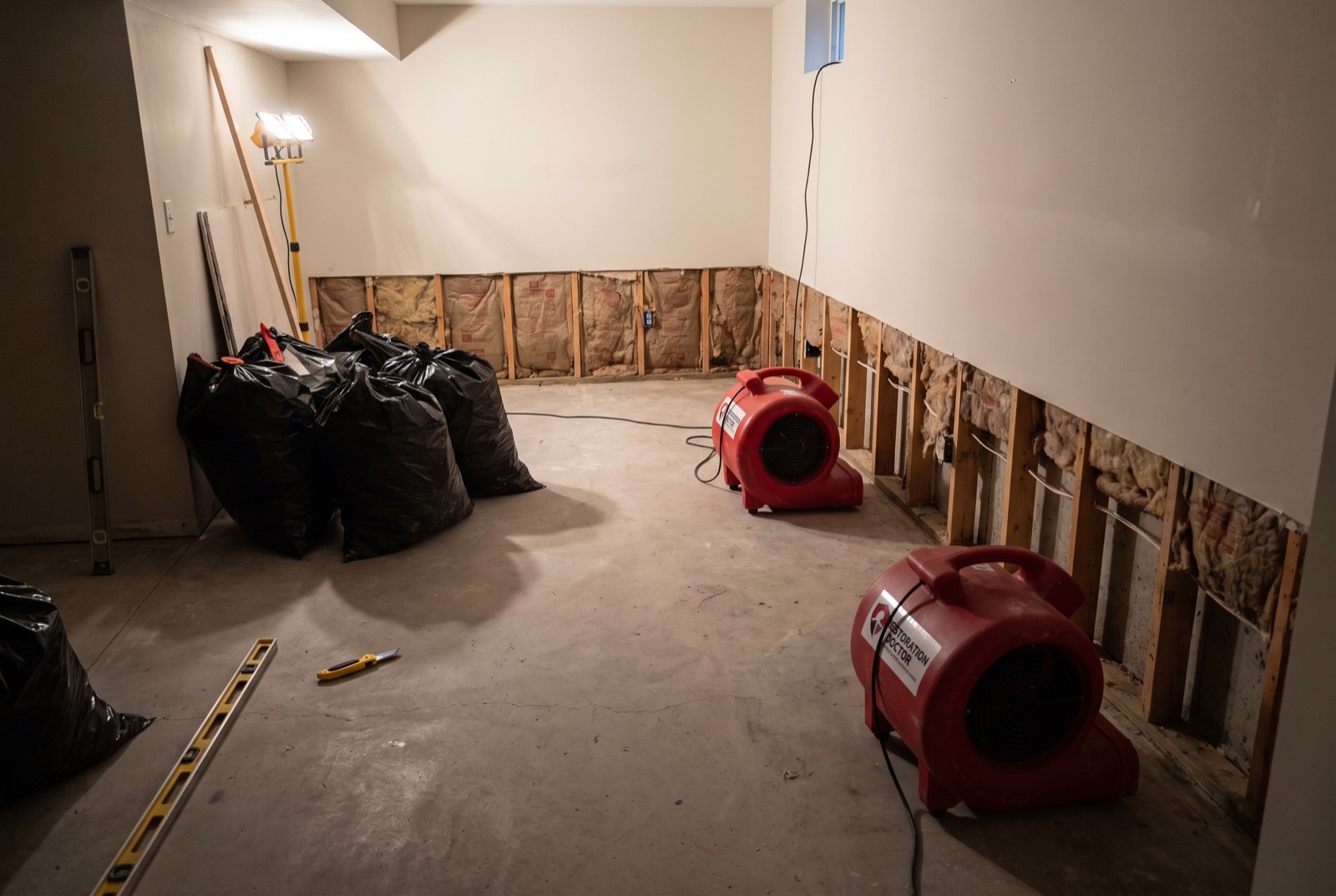
The hazard ends when the contamination is removed, not when the floor looks dry. Professional Category 3 cleanup under IICRC S500 protocols involves containment, protective equipment, extraction and lawful disposal, removal of porous materials that absorbed sewage (carpet, pad, affected drywall and insulation), disinfection of salvageable surfaces with appropriate antimicrobials, and verified structural drying. That sequence — removal, disinfection, verification — is what makes the space genuinely safe to reoccupy. Restoration Doctor performs certified sewage cleanup 24/7 across Northern Virginia, Maryland, and D.C.; if you're dealing with a backup, call 1-888-29-FLOOD and keep the area off-limits until the crew arrives.
Sewage & Biohazard Cleanup
Category 3 black-water decontamination with full PPE, safe removal, antimicrobial treatment, and verification.
Frequently asked
Related questions
What should you do after a sewage backup?
How long does sewage contamination last?
Can sewage backup make you sick even after cleanup?
Can I clean up sewage myself?
Active water, mold, fire, or sewage event?
Connect directly with the Restoration Doctor team for your region. Crews are on standby 24/7 with documented response protocols.