Can sewage backup make you sick even after cleanup?
It can, if the cleanup was incomplete. Surface mopping leaves pathogens in carpet, drywall, insulation, and wall and floor cavities the sewage reached, where they persist for days to weeks — and lingering moisture adds mold on top. Verified professional cleanup — removal of contaminated porous materials, disinfection, and documented drying — is what closes the risk.
The gap between 'looks clean' and 'is clean'
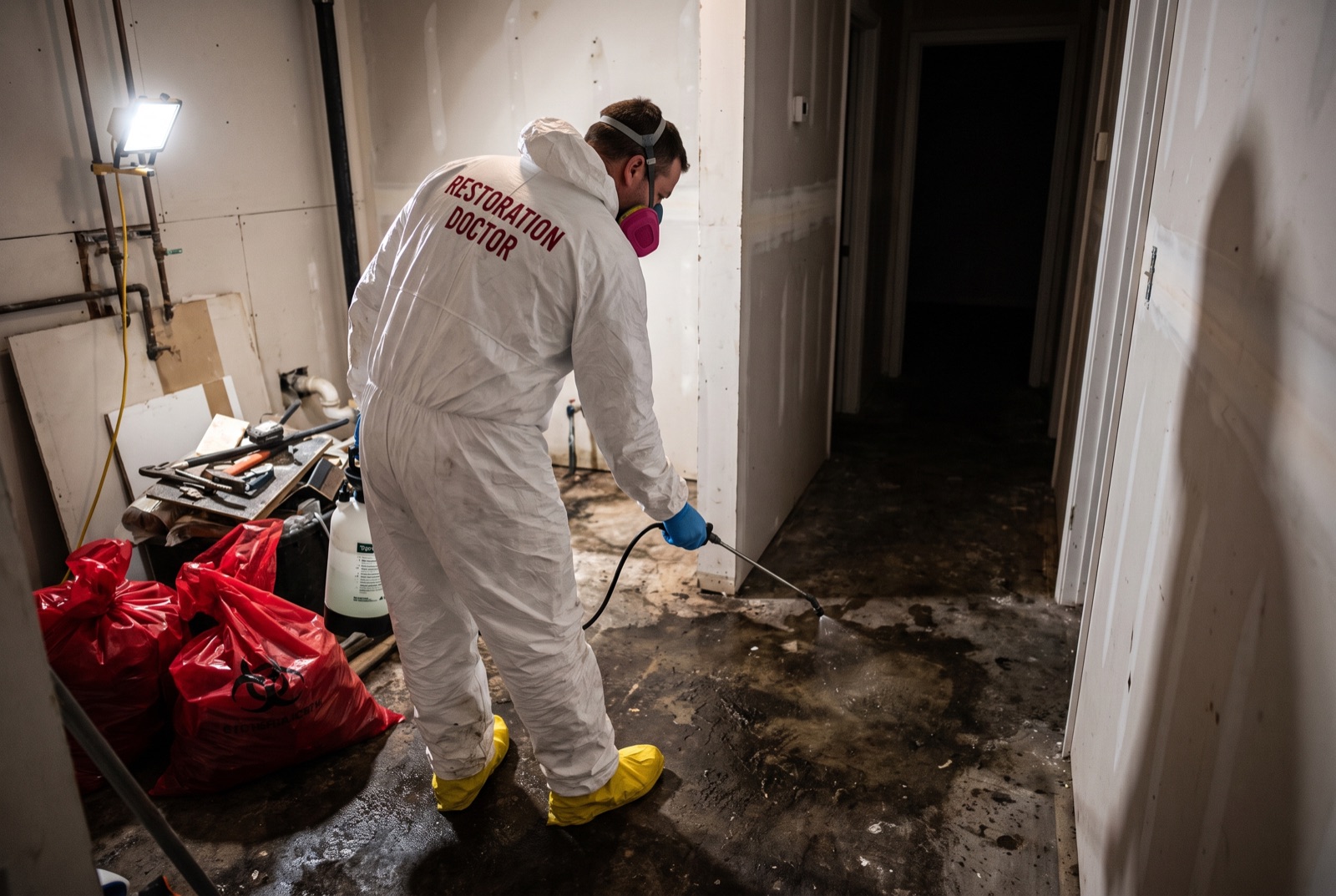
A sewage backup that was mopped, bleached, and aired out can look and even smell acceptable while remaining a contaminated space. The problem is reach: sewage penetrates into carpet backing and pad, wicks up inside drywall, soaks insulation, and migrates under flooring and into wall cavities. Surface cleaning addresses none of that, and disinfectants can't chase contamination into materials — they only work on cleaned, accessible surfaces with proper contact time.
That's why the IICRC S500 standard treats sewage as Category 3 and calls for removing contaminated porous materials rather than cleaning them. A cleanup that skipped removal — kept the carpet, left the drywall, never opened the wet wall — has left reservoirs of contamination behind, regardless of how much effort went into the visible surfaces.
How leftover contamination causes illness later
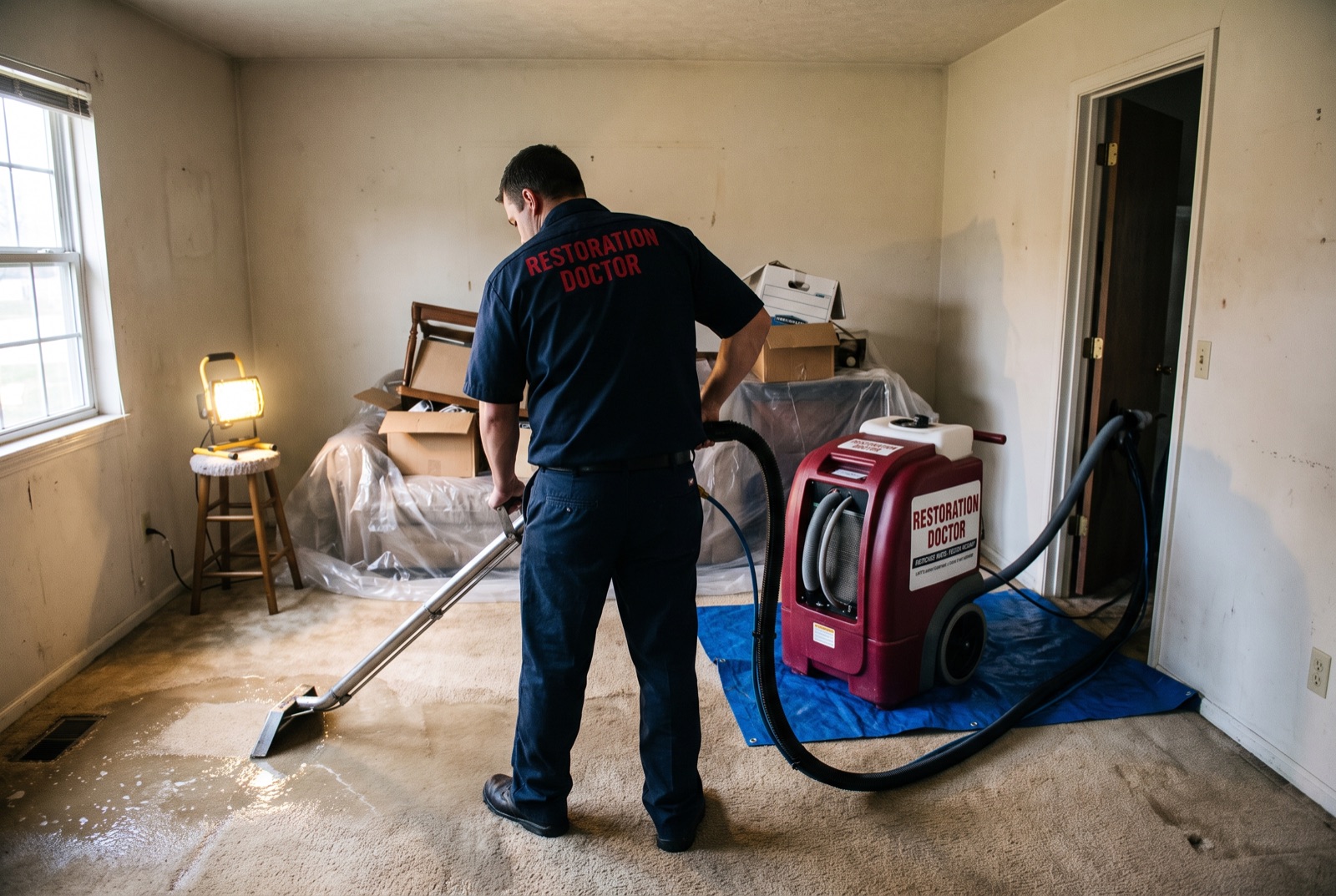
Pathogens surviving in those reservoirs reach people through ordinary living: children playing on a carpet that absorbed sewage, hands touching a baseboard or floor and then food, dust from contaminated materials raised during later activity, and pets tracking residue out of the space. Sewage-associated organisms — E. coli, Salmonella, norovirus, hepatitis A, Giardia among them — survive on and in materials for days to weeks, longer in cool damp conditions like basements.
The second pathway is mold. An incomplete cleanup almost always means incomplete drying, and wall cavities or subfloor that stayed wet after a backup commonly develop mold within days to weeks. Symptoms that appear or worsen after time in the affected space — GI illness, respiratory irritation, allergy-like symptoms — are the classic pattern of a backup that wasn't actually resolved. If that's happening in your home, mention the sewage exposure to your doctor, and get the space evaluated.
What a risk-closing cleanup looks like
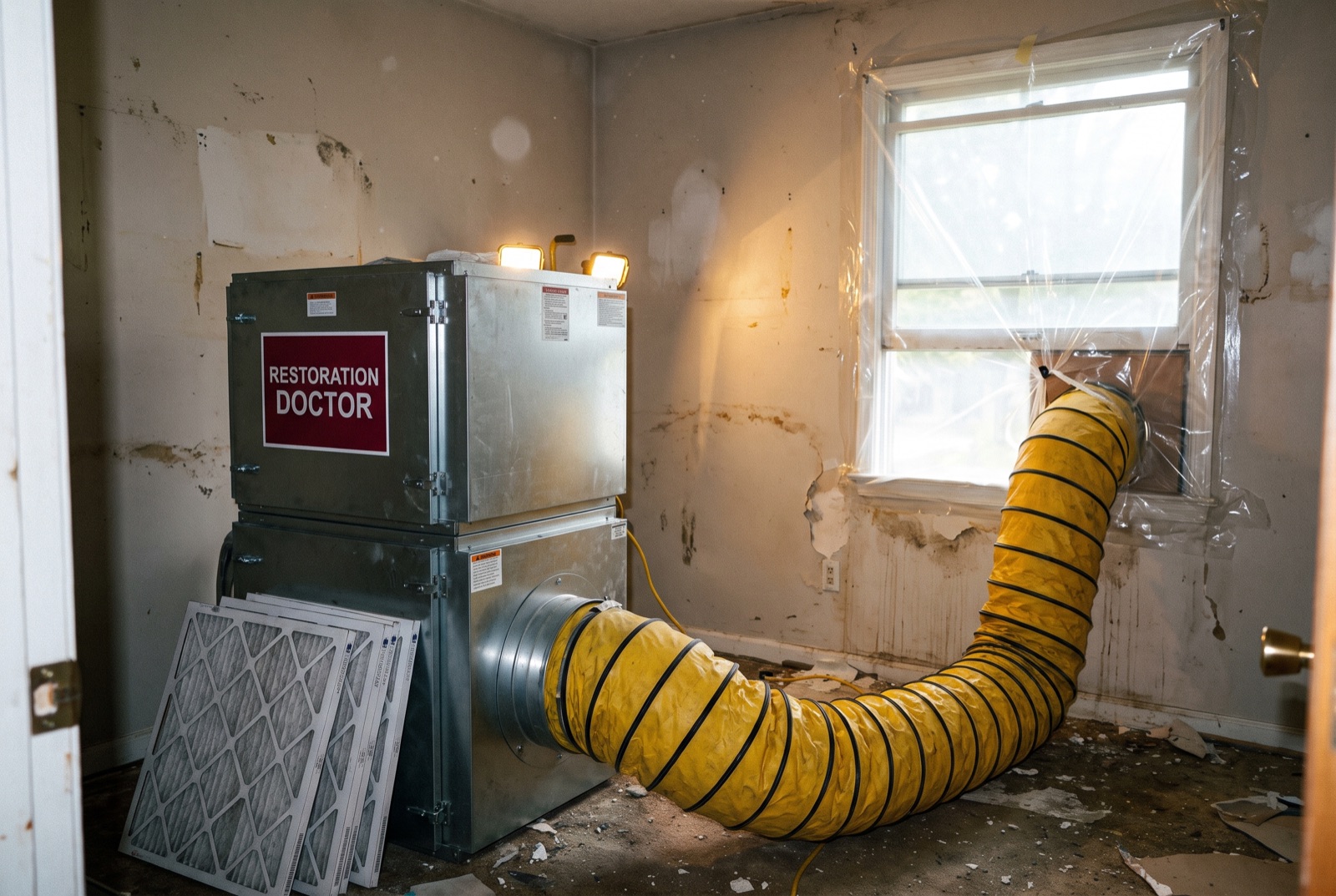
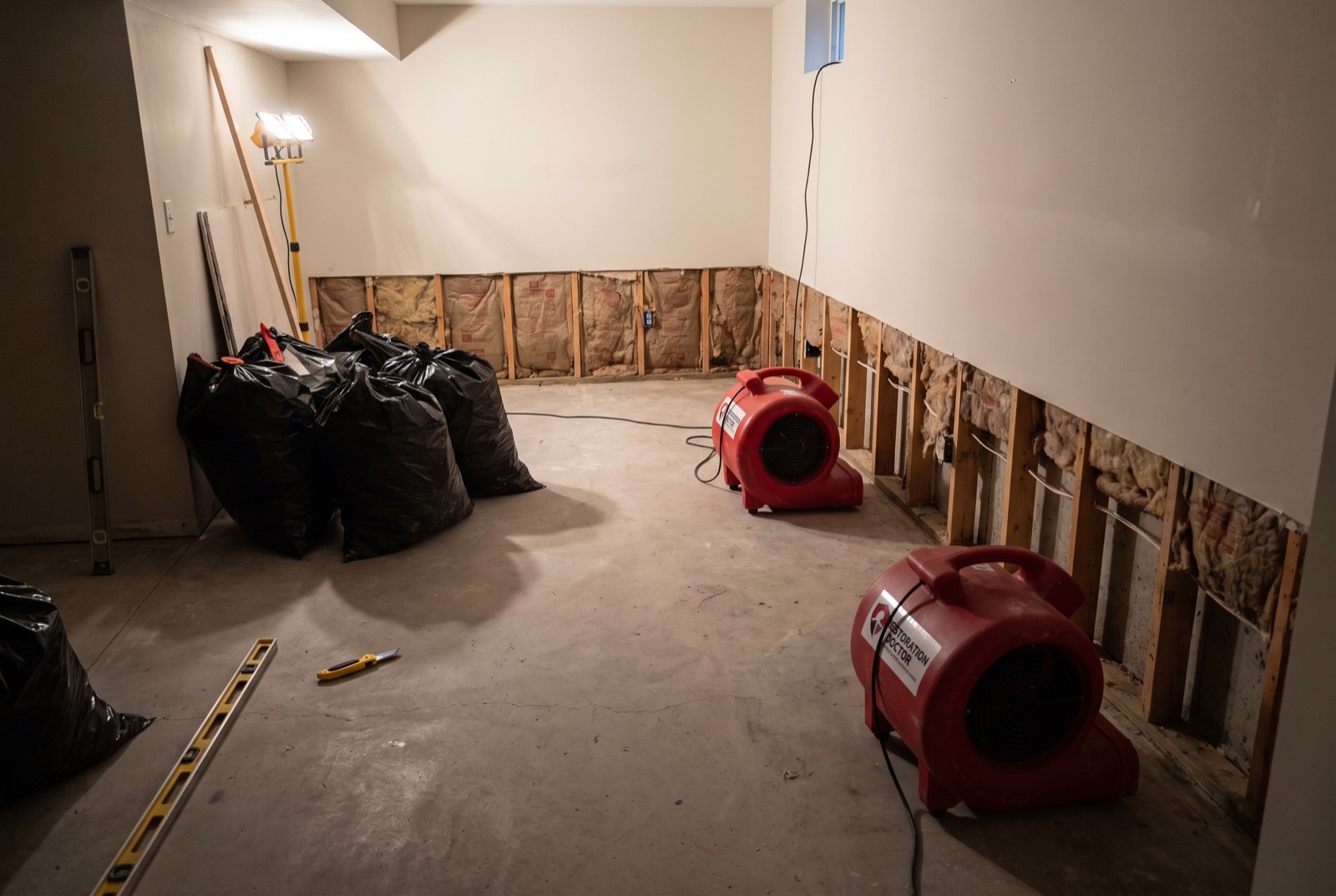
The difference is verifiable process, not effort. A proper Category 3 response includes containment of the affected area; extraction and lawful disposal; removal of porous materials the sewage touched — carpet, pad, flood-cut drywall, insulation, affected trim; physical cleaning followed by EPA-registered disinfectants applied per label; structural drying verified with daily moisture-meter readings against dry standards; and documentation of all of it. Many jobs conclude with a post-remediation evaluation before rebuild.
That documentation is your assurance — moisture logs and disposal inventories are evidence the hazard was removed, not painted over. It's also what your insurance carrier needs if you're claiming the loss under a water backup endorsement.
If your cleanup might have fallen short
Warning signs an earlier cleanup was incomplete: sewage or musty odor returning, stains reappearing on walls or floors, mold showing at baseboards or in the backup area, symptoms that track time spent in the space, or simply knowing the carpet stayed and the walls never got opened. The fix is a professional assessment — moisture mapping and inspection of what the original cleanup left in place — followed by targeted removal, disinfection, and verified drying of whatever the first pass missed. Restoration Doctor evaluates and remediates incomplete sewage cleanups across Northern Virginia, Maryland, and D.C., 24/7 — call 1-888-29-FLOOD.
Sewage & Biohazard Cleanup
Category 3 black-water decontamination with full PPE, safe removal, antimicrobial treatment, and verification.
Frequently asked
Related questions
How long does sewage contamination last?
Is sewage backup dangerous to your health?
How do professionals clean up sewage?
Can I clean up sewage myself?
Active water, mold, fire, or sewage event?
Connect directly with the Restoration Doctor team for your region. Crews are on standby 24/7 with documented response protocols.