
What does an insurance adjuster look for in water damage?
Four things above all: the cause of loss, whether it was sudden and accidental rather than gradual, the full extent of affected materials, and how promptly mitigation began. Adjusters verify rather than assume — so moisture maps, photos, the failed component, and daily drying logs are the evidence that shapes the outcome.
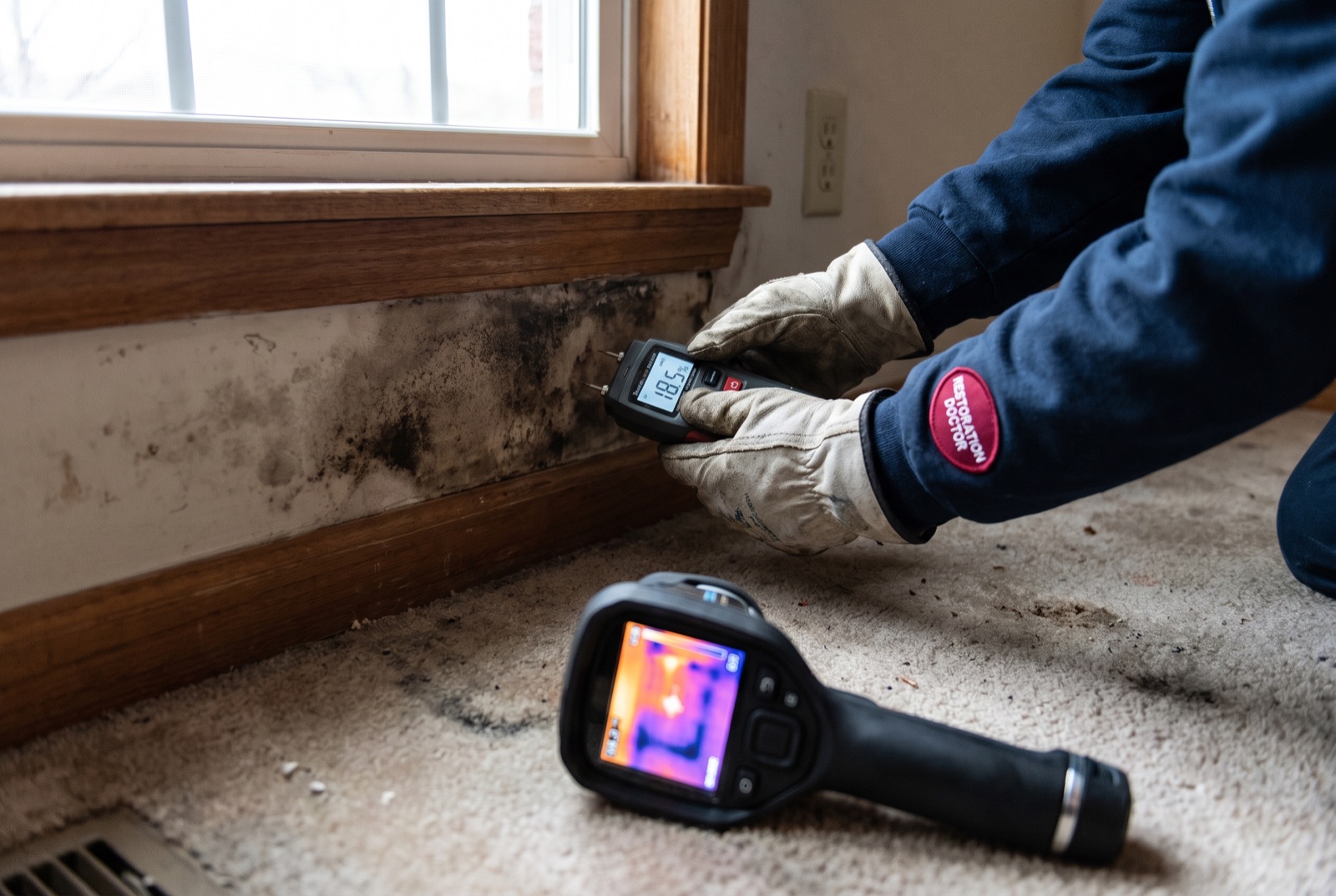
First question: what caused this, and was it sudden?
Coverage in a water claim turns on cause, so that's where every adjuster starts. They'll want to see the point of failure — the burst supply line, the split fitting, the failed appliance hose — and they'll read the surrounding evidence for signs of age and duration: corrosion, mineral staining, old water marks, established mold, rot. Fresh, acute damage supports a sudden-loss determination; layered staining and long-term deterioration suggest a gradual leak, which most policies exclude.
This is why preserving the failed component matters so much. A split pipe in hand is direct evidence of a sudden failure. A pipe that a plumber already hauled away is a gap in the story that the file has to work around.
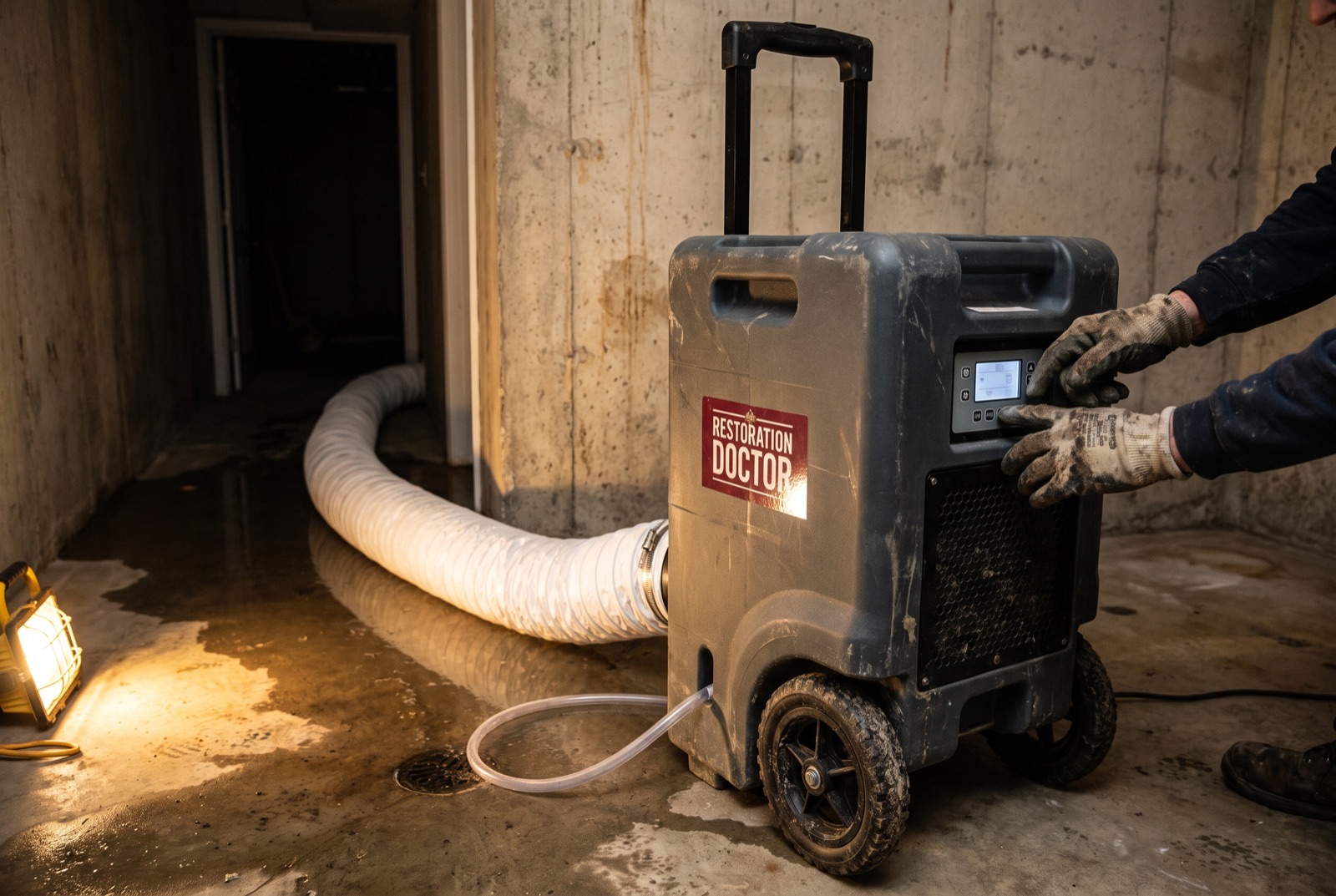
Second: how far did the water actually go?
The adjuster's scope determines what the claim pays, so the inspection walks the water's path: affected flooring, walls, baseboards, cabinetry, ceilings below, and contents. Good adjusters probe beyond the visible — but they're on site once, for a limited time, and moisture that's hidden in wall cavities, under flooring, or inside insulation is easy to miss without equipment and time.
That's the practical argument for professional moisture mapping before the adjuster arrives. A documented moisture map — meter readings by location and material, thermal imaging of hidden wet zones, photos of everything — gives the adjuster verified facts to scope from rather than surface impressions. Losses get underscoped when nobody measured; they get scoped correctly when someone did.
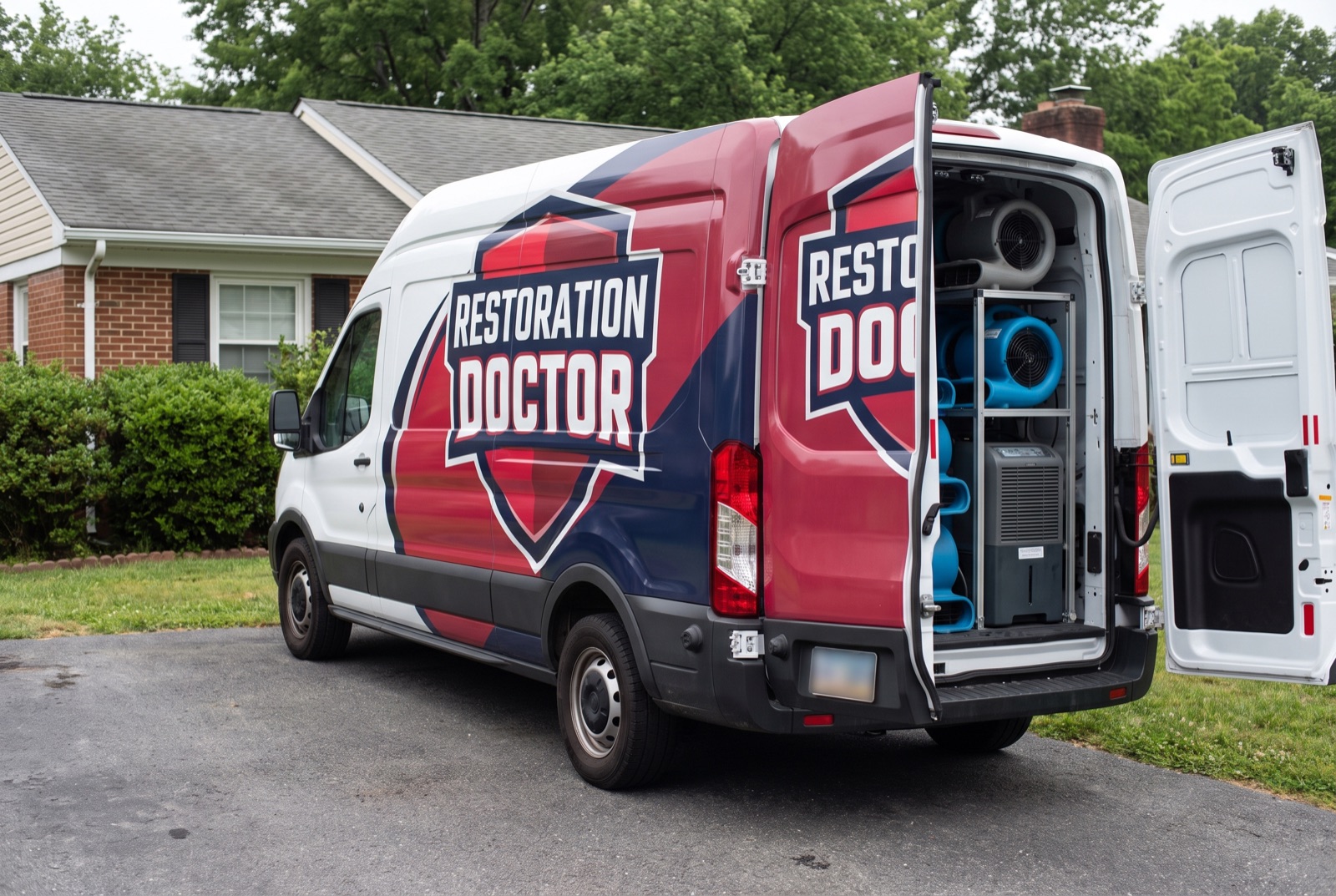
Third: what did the homeowner do about it?
Policies require prompt steps to prevent further damage, and adjusters check the timeline: when was the loss discovered, when was it reported, and when did drying start? A loss with same-day extraction and daily drying logs reads as a homeowner who met their obligations. A loss that sat wet for a week raises questions about which damage came from the event and which came from the delay — and mold found at inspection often becomes a disputed item for exactly this reason.
Receipts, equipment logs, and dated photos answer the timeline question before it's asked. Keep everything, including records of emergency expenses like tarping or board-up.
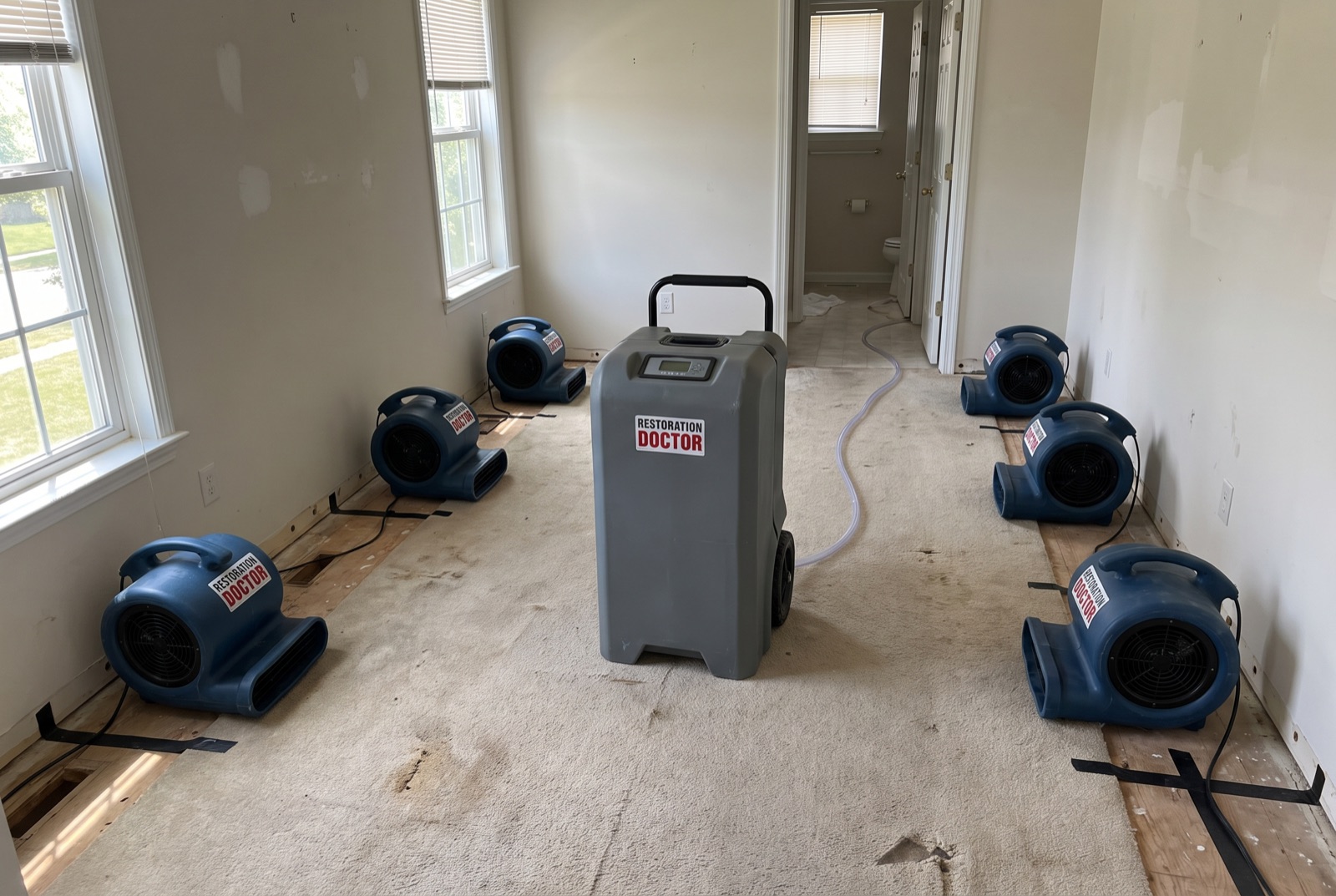
How to prepare for the adjuster visit
Be present, walk the loss with them, and hand over your documentation package: cause-of-loss photos, the failed component if you have it, the moisture map and drying logs from your restoration contractor, an inventory of damaged contents with photos, and receipts for everything spent so far. Point out every affected area — including rooms where damage is subtle — and don't pre-emptively minimize ("it's probably fine") areas that haven't been checked with a meter.
Restoration Doctor builds this file as a matter of course: IICRC S500-aligned moisture documentation, photo logs, itemized Xactimate scopes, and daily drying records that carriers can verify line by line. We don't negotiate your claim — we make the physical facts of the loss impossible to miss. For documented mitigation across Northern Virginia, Maryland, and D.C., call 1-888-29-FLOOD.
Water Damage Restoration
Extraction, structural drying, and moisture verification for burst pipes, appliance leaks, and basement flooding.
Frequently asked
Related questions
How do I file a water damage insurance claim?
Why would a water damage claim be denied?
Does insurance pay for drying equipment and restoration services?
Should I repair storm damage before the insurance adjuster comes?
Active water, mold, fire, or sewage event?
Connect directly with the Restoration Doctor team for your region. Crews are on standby 24/7 with documented response protocols.