
Will filing a water damage claim raise my insurance rates?
Possibly, modestly — a single water claim can affect renewal pricing with some carriers, though effects vary widely by insurer, state, and your history. Multiple water claims within a few years have a much larger impact on both pricing and renewability. Weigh the claim size against your deductible; large losses are what insurance is for.
How carriers actually see your claim history
Insurers share loss information through industry claim databases, so your claims history follows you across carriers, typically for several years. When your policy renews — or when you shop for a new one — underwriters see prior claims, their type, and their size. Water claims get particular attention because water losses are among the most frequent and expensive categories in homeowners insurance, and because one water event can signal elevated risk of another (aging plumbing, for example).
What happens to your premium after a claim depends on the carrier's rating rules, your state's regulations, your tenure and prior history, and sometimes whether the claim was catastrophe-related. Some carriers apply surcharges after a first claim; others effectively forgive it, especially for long-tenured customers. There is no universal answer — which is exactly why the decision framework matters more than any single prediction.
One claim versus a pattern
The meaningful risk isn't usually the single claim — it's the pattern. A homeowner with one burst-pipe claim in a decade looks like ordinary bad luck. A homeowner with two or three water claims in a few years looks like a property with a water problem, and that perception affects more than price: carriers can decline to renew, exclude water coverage, or require inspections and upgrades as a condition of coverage.
This argues for a simple discipline: reserve claims for losses that meaningfully exceed your deductible, and self-fund the genuinely small ones. It also argues for fixing root causes — replacing failing supply lines, adding leak detection, servicing the water heater — because preventing the second claim protects both your home and your insurability.
How to make the file-or-not decision
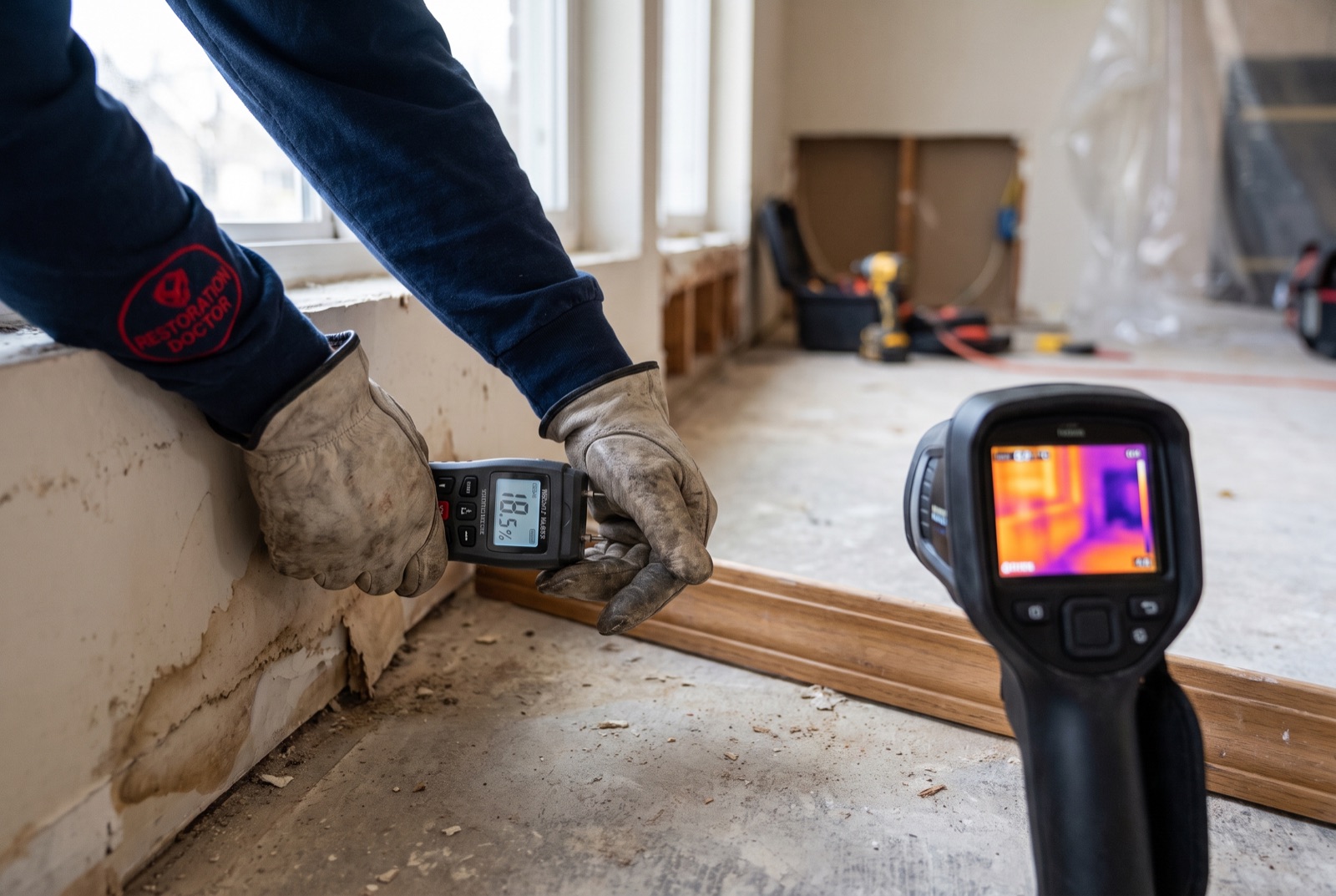
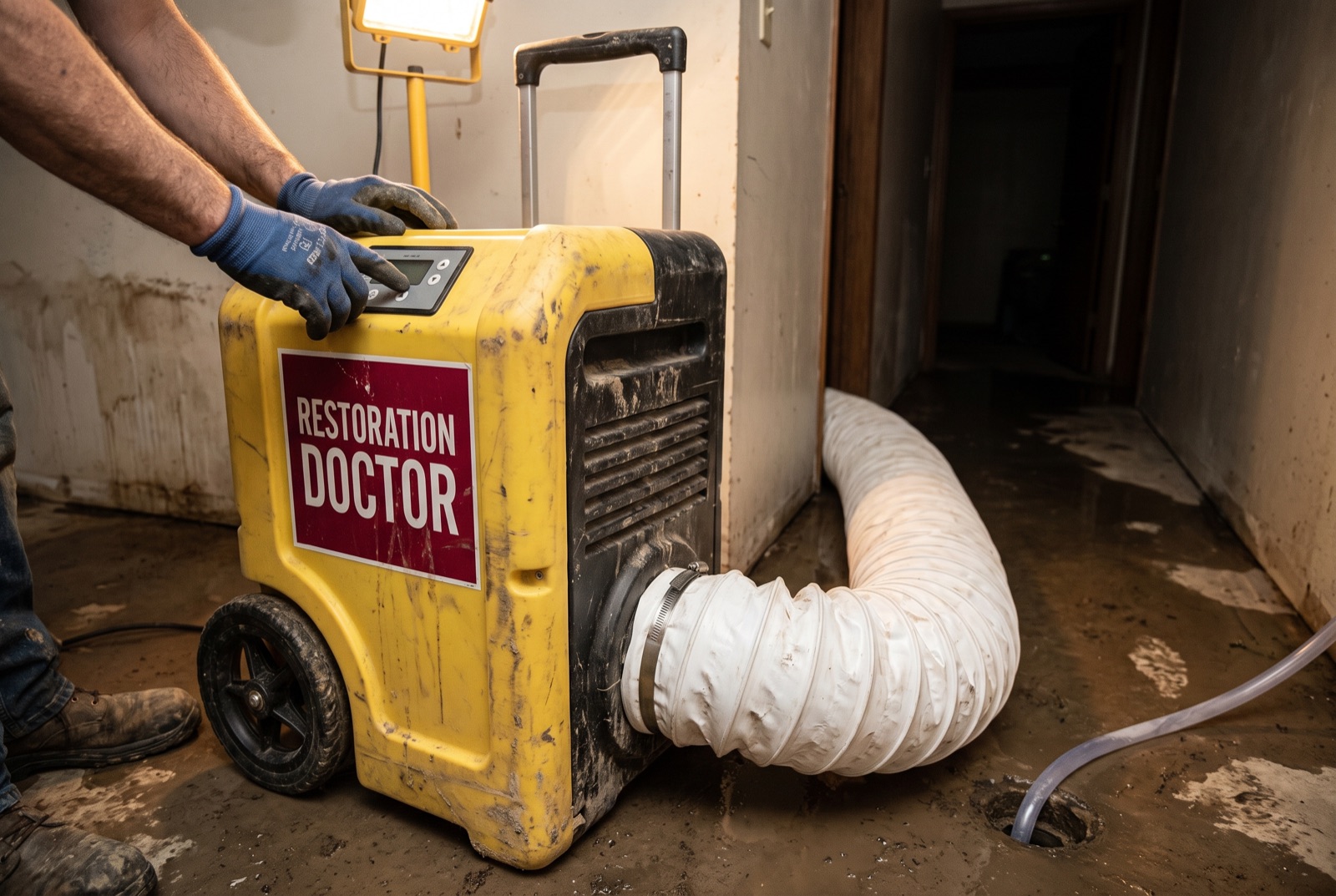
Start with an accurate scope, not a guess. Water losses are notorious for hidden damage — moisture in wall cavities, subfloors, and insulation that multiplies the real repair cost well past what's visible. A professional moisture assessment tells you whether you're looking at a loss near your deductible or several times it.
Then apply the math: if the documented loss is a small multiple of your deductible or less, paying out of pocket may preserve more value than filing. If the loss clearly exceeds it — structural drying, demolition, and rebuild across multiple rooms — file without hesitation. Accepting a five-figure repair bill to avoid a possible premium adjustment is trading dollars for pennies. Insurance exists precisely for those losses.
Whatever you decide, control the damage first
The claim decision can wait a day; the water can't. Prompt mitigation limits the loss whichever path you choose — it keeps a below-deductible event below the deductible, and it keeps a claim-worthy event from growing a mold problem into the file. Restoration Doctor provides emergency assessment, moisture mapping, and documented mitigation across Northern Virginia, Maryland, and D.C., giving you the real numbers before you decide. Call 1-888-29-FLOOD for an accurate picture of what you're dealing with.
Water Damage Restoration
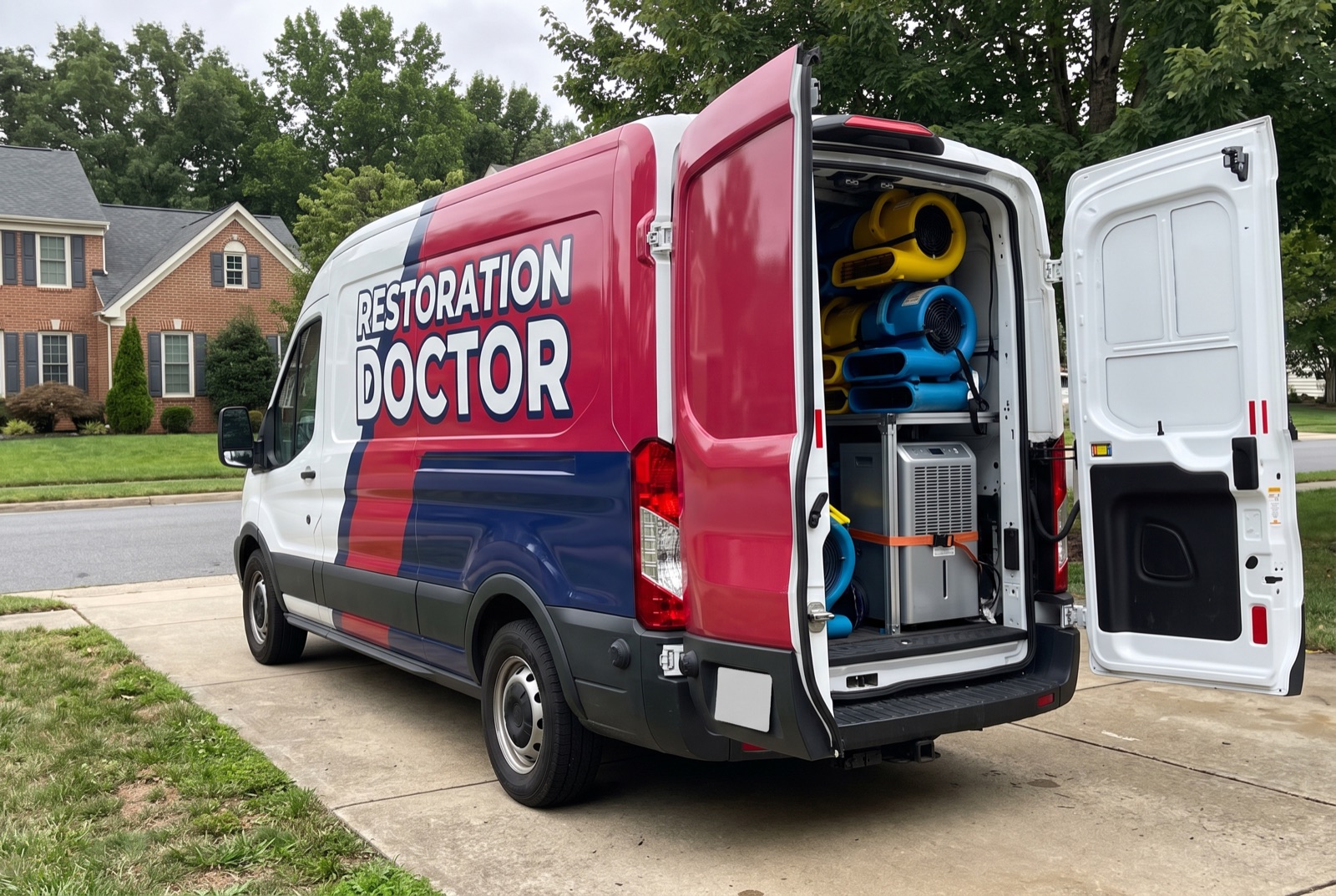
Extraction, structural drying, and moisture verification for burst pipes, appliance leaks, and basement flooding.
Frequently asked
Related questions
Should I file an insurance claim for water damage?
Does homeowners insurance cover water damage?
How much does water damage restoration cost?
Is water damage expensive to fix?
Active water, mold, fire, or sewage event?
Connect directly with the Restoration Doctor team for your region. Crews are on standby 24/7 with documented response protocols.