
Is water damage expensive to fix?
It depends almost entirely on speed. A clean-water loss extracted and dried within the first day can stay in the hundreds of dollars; the identical loss left untreated for a week becomes a mold, demolition, and reconstruction project costing many times more. Water category and affected materials set the baseline — delay multiplies it.
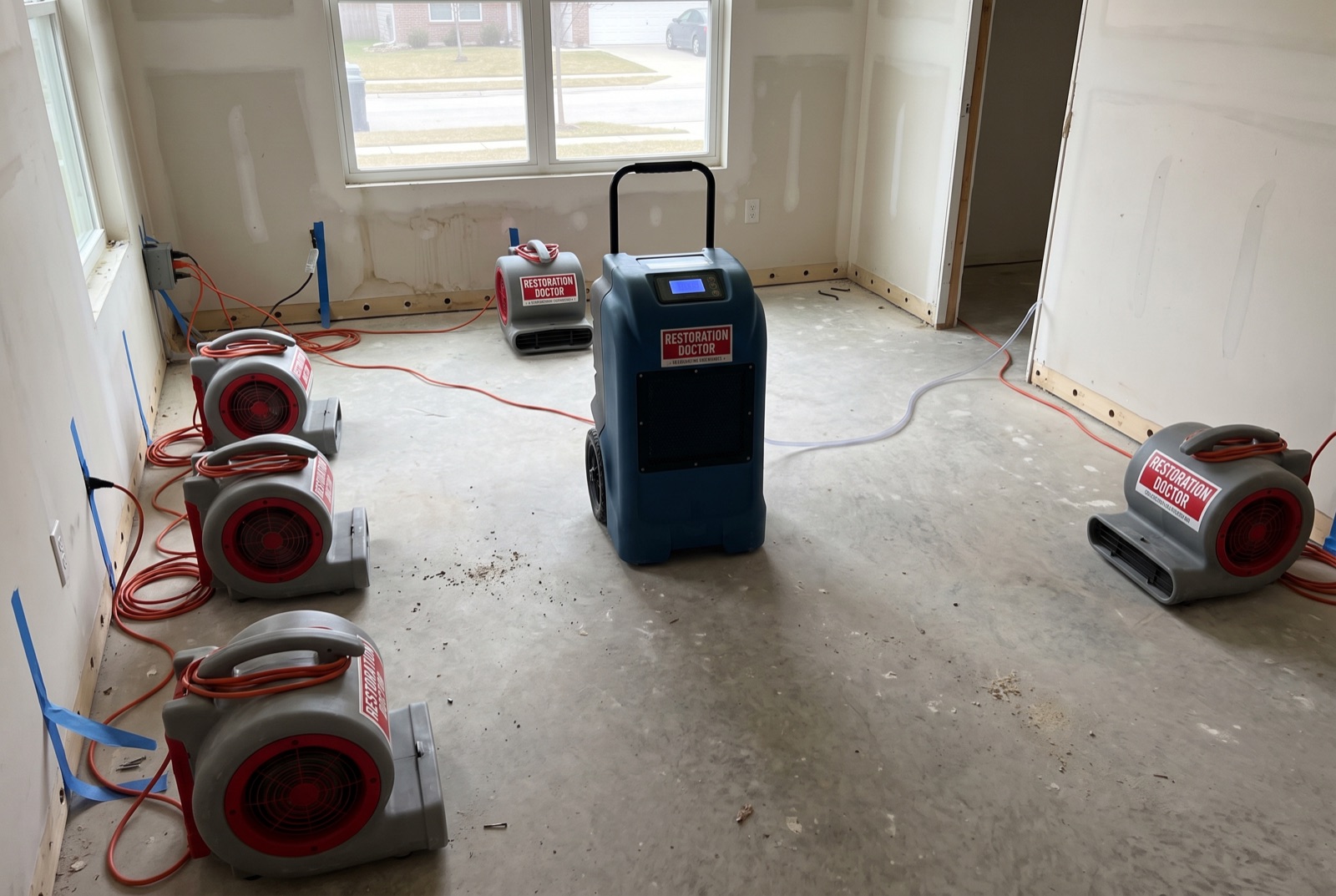
The honest answer: it's expensive when it's allowed to become expensive
Water damage has a reputation for big bills, and industry cost data does show typical losses running into the thousands. But averages hide the pattern that matters: the cost of a water loss is not fixed at the moment the pipe bursts. It grows continuously from that moment until drying starts. The expensive water losses are overwhelmingly the delayed ones — the weekend leak found Monday, the vacation-week failure, the "let's see if it dries out" decision.
That growth isn't linear, either. It steps up in brutal increments: the hour standing water reaches drywall, the day moisture crosses into wall cavities, and above all the 24-48 hour line past which mold risk climbs sharply. Each threshold moves whole categories of material from "dry it" to "remove and replace it," and adds whole phases of work — remediation, demolition, reconstruction — that a fast response never needs.
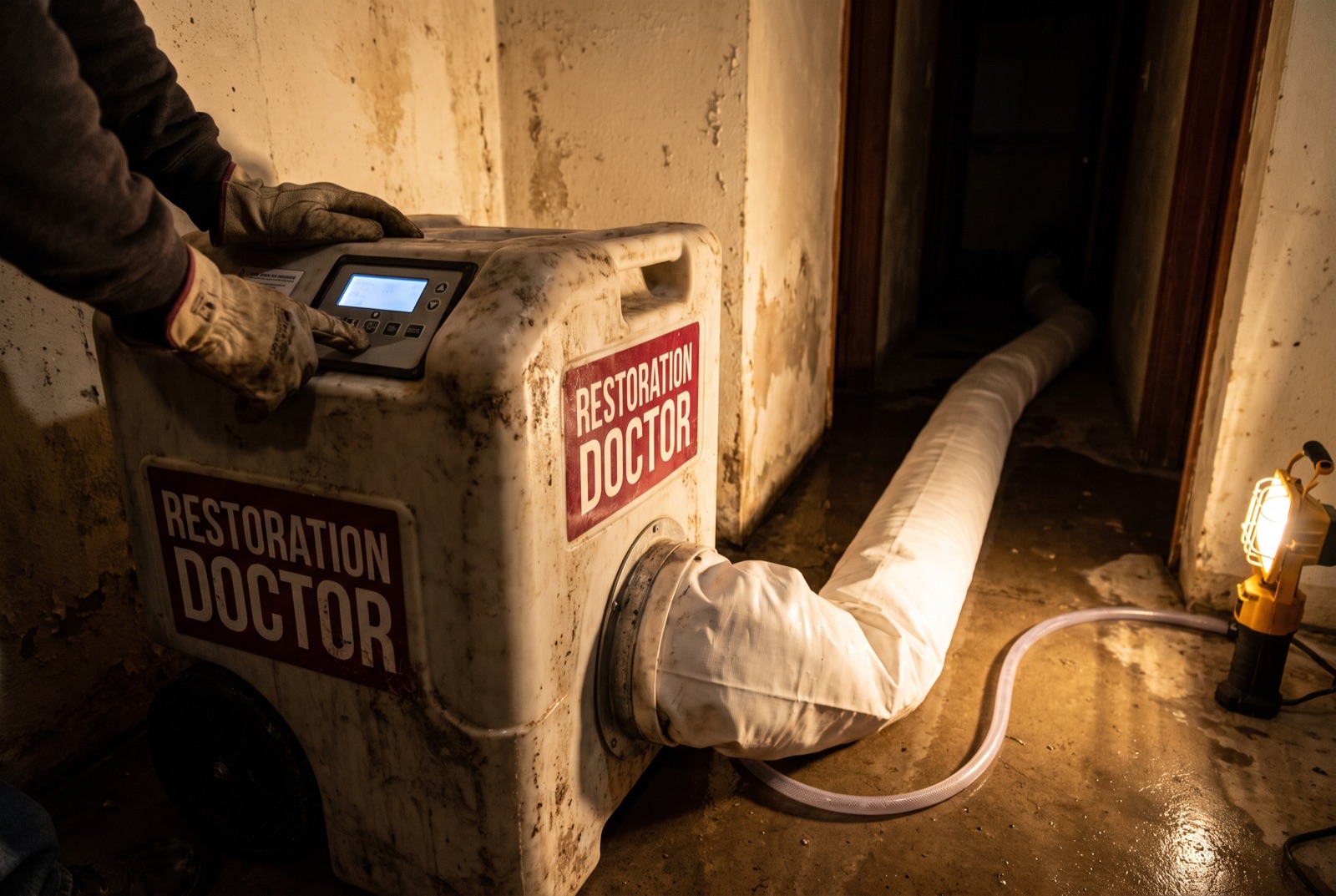
What a fast response costs versus a slow one
Caught within hours, a modest clean-water loss is an extraction visit, a few days of drying equipment, and moisture verification — a scope industry guides place in the hundreds to low thousands. The materials survive: drywall dries in place, hardwood is rescued with drying mats, carpet is extracted and saved (the pad is usually replaced).
The same loss after a week looks different: mold colonization in wall cavities requiring contained remediation, saturated drywall cut out by the sheet, cupped and buckled hardwood beyond recovery, delaminating subfloor — followed by reconstruction of everything removed. Industry guides put losses like this in the five-figure territory that gives water damage its reputation. Same pipe, same gallons, radically different invoice.
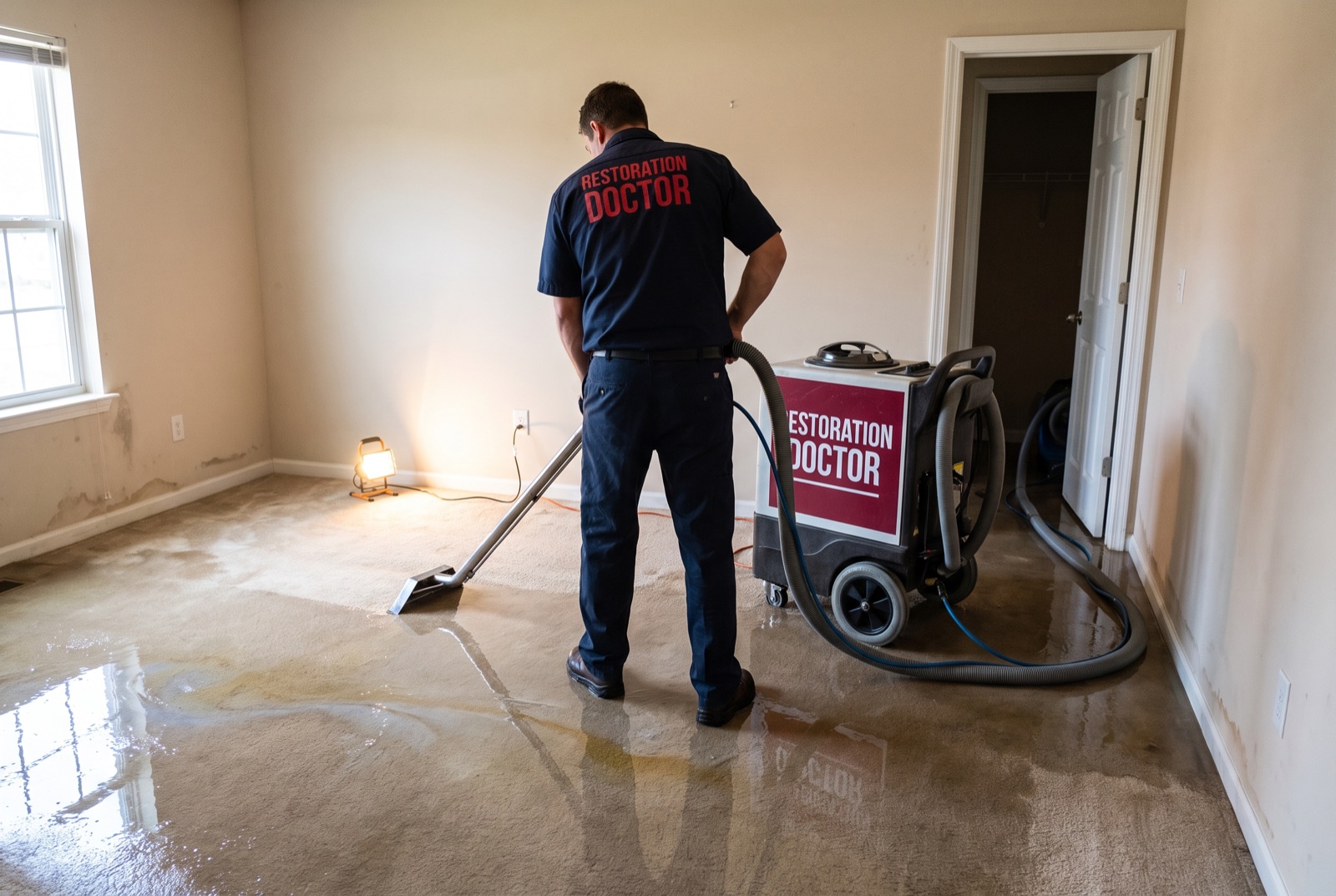
The other variables that set the baseline
Water category moves cost independently of speed: gray water (Category 2) adds antimicrobial treatment; sewage and outdoor flooding (Category 3) force removal of porous materials no matter how fast the response. What the water touched matters too — an unfinished basement is cheap to dry, while kitchens and bathrooms are expensive because particleboard cabinetry swells permanently, and finished spaces multiply both the drying and rebuild scope.
The silver lining: for sudden and accidental causes — burst pipes, appliance failures — homeowners insurance typically covers the loss minus your deductible, and the covered scope includes exactly the drying, demolition, and repairs described above. Gradual leaks and surface flooding are common exclusions, so the cause matters; review your policy and confirm with your carrier.
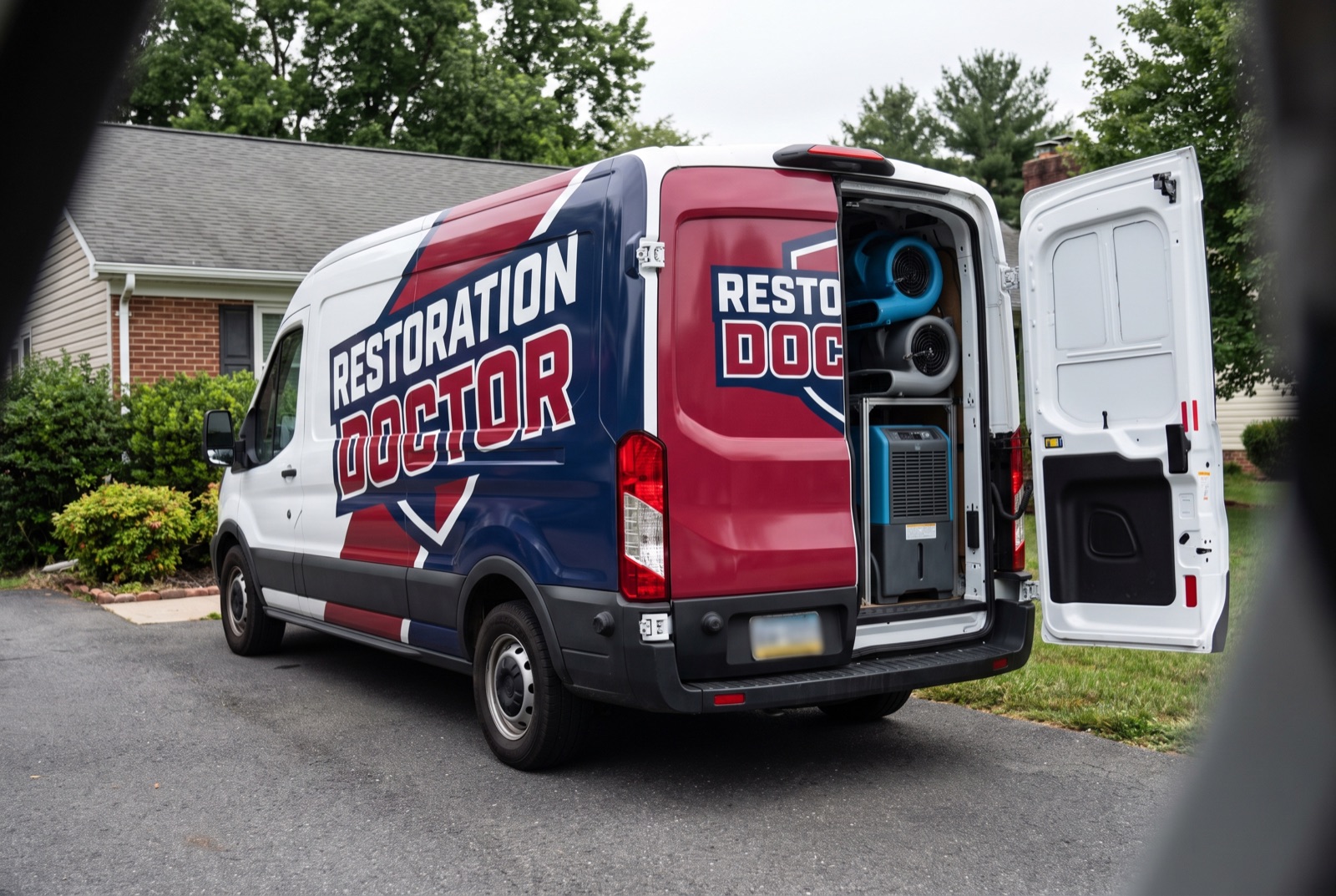
Spend hours, save thousands
The practical takeaway is unusually clean for a home-repair question: the single biggest cost decision in any water loss is how fast drying starts, and it's the one variable fully in your control. Restoration Doctor answers 24/7 across Northern Virginia, Maryland, and D.C. and can typically have extraction running within hours — with itemized documentation for whatever claim follows. Call 1-888-29-FLOOD while your loss is still a small one.
Water Damage Restoration
Extraction, structural drying, and moisture verification for burst pipes, appliance leaks, and basement flooding.
Frequently asked
Related questions
How much does water damage restoration cost?
Does water damage get worse over time?
Will water damage go away on its own?
Why is water damage restoration so expensive?
Active water, mold, fire, or sewage event?
Connect directly with the Restoration Doctor team for your region. Crews are on standby 24/7 with documented response protocols.