
Why is water damage restoration so expensive?
Because the service is far more than fans: 24/7 emergency response, commercial extraction and drying equipment running around the clock for days, trained technicians following IICRC standards, antimicrobial treatment, controlled demolition, and daily moisture monitoring with documentation. The cost reflects specialized equipment, labor, and liability — and it's routinely cheaper than the damage delay causes.
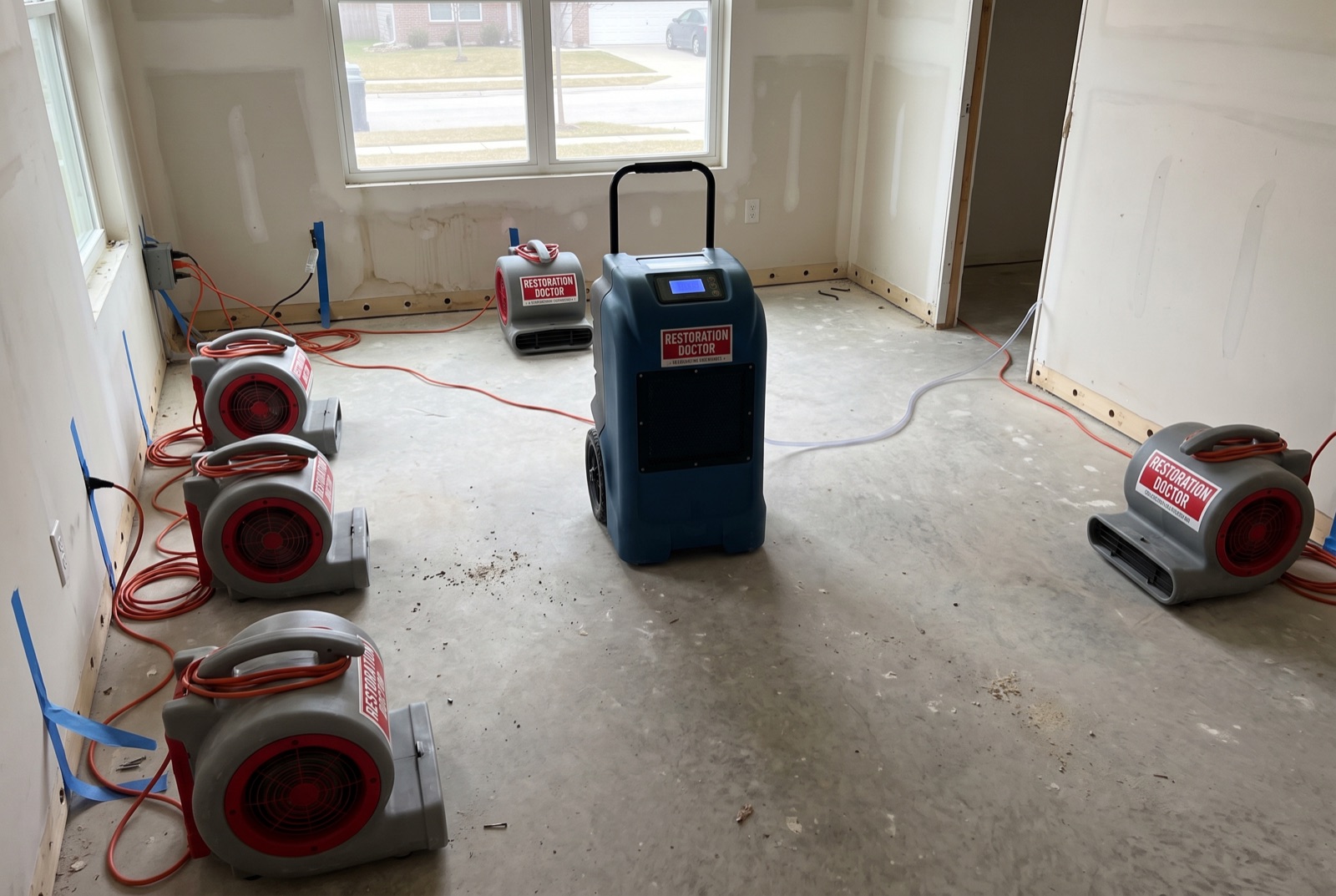
You're not paying for fans — you're paying for a controlled process
The visible part of restoration — machines humming in your living room — is the least of it. What the price actually buys is a controlled drying process: extraction that removes water hundreds of times faster than evaporation, psychrometric calculations that size dehumidification to the load, equipment positioned per IICRC S500 practice, and daily moisture readings against material-specific dry standards that prove the structure is actually dry rather than dry-looking.
That last part is the difference between restoration and guesswork. Walls feel dry on the surface days before their cavities are; a company that dries by touch leaves moisture behind, and the mold that follows costs more than the whole drying job. Verification is invisible in the moment and priceless six months later.
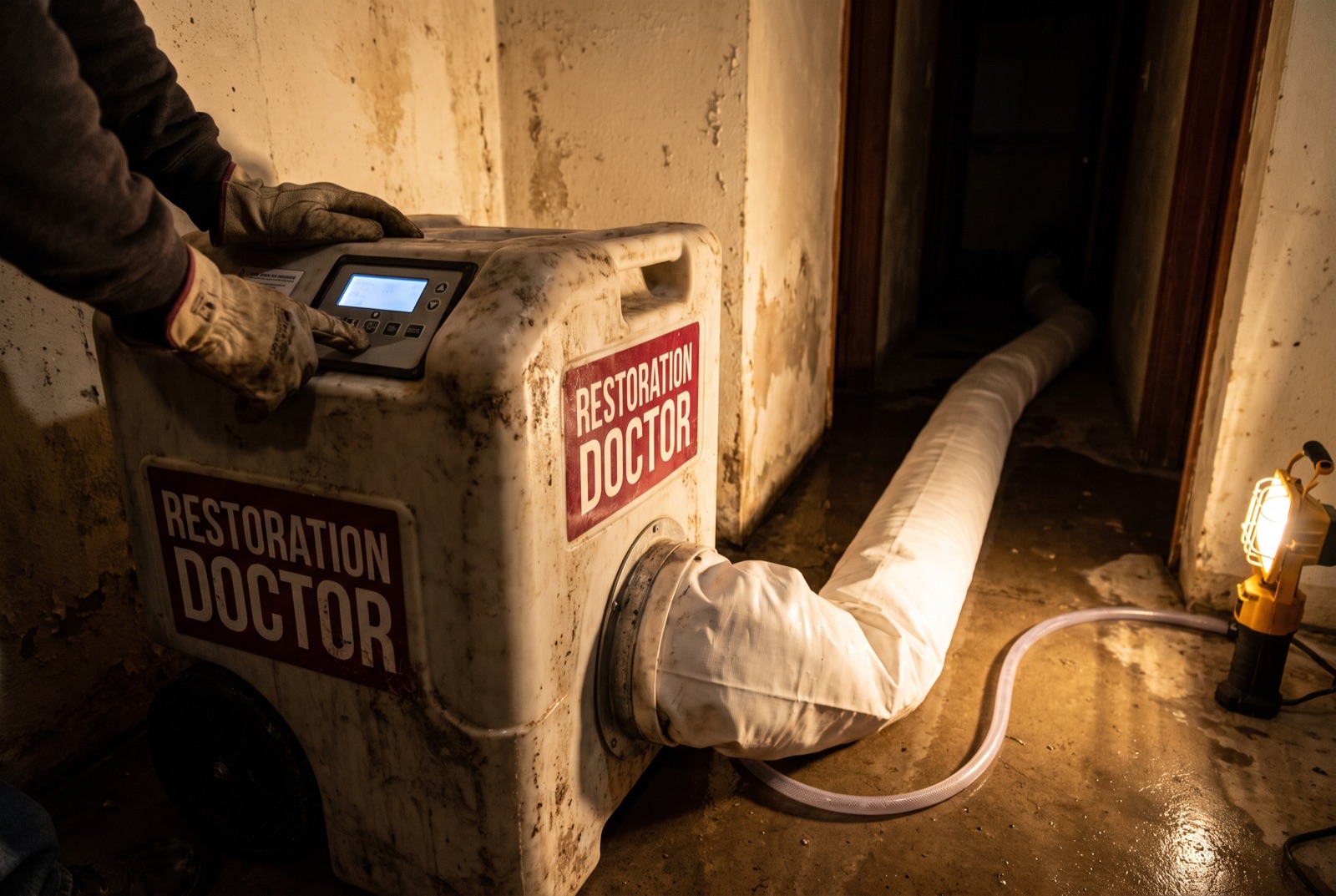
The real cost inputs
Emergency availability. Restoration is a 24/7/365 service — crews, trucks, and equipment held ready for a 2 a.m. call. Round-the-clock readiness is expensive to maintain and is priced into every emergency trade, from plumbers to restoration.
Commercial equipment. Truck-mounted extractors, low-grain refrigerant dehumidifiers, air movers, air scrubbers, moisture meters, and thermal imaging cameras represent significant capital, maintenance, and replacement cost — and a single job may deploy a dozen or more machines running continuously for days, with the electricity and daily monitoring visits that implies.
Trained labor and liability. Technicians certified to IICRC standards, contamination handling for Category 2 and 3 water, proper containment and disposal, and the insurance and licensing burden of working inside occupied homes all cost real money. The cut-rate operator saves on exactly these line items — training, protocol, and accountability.
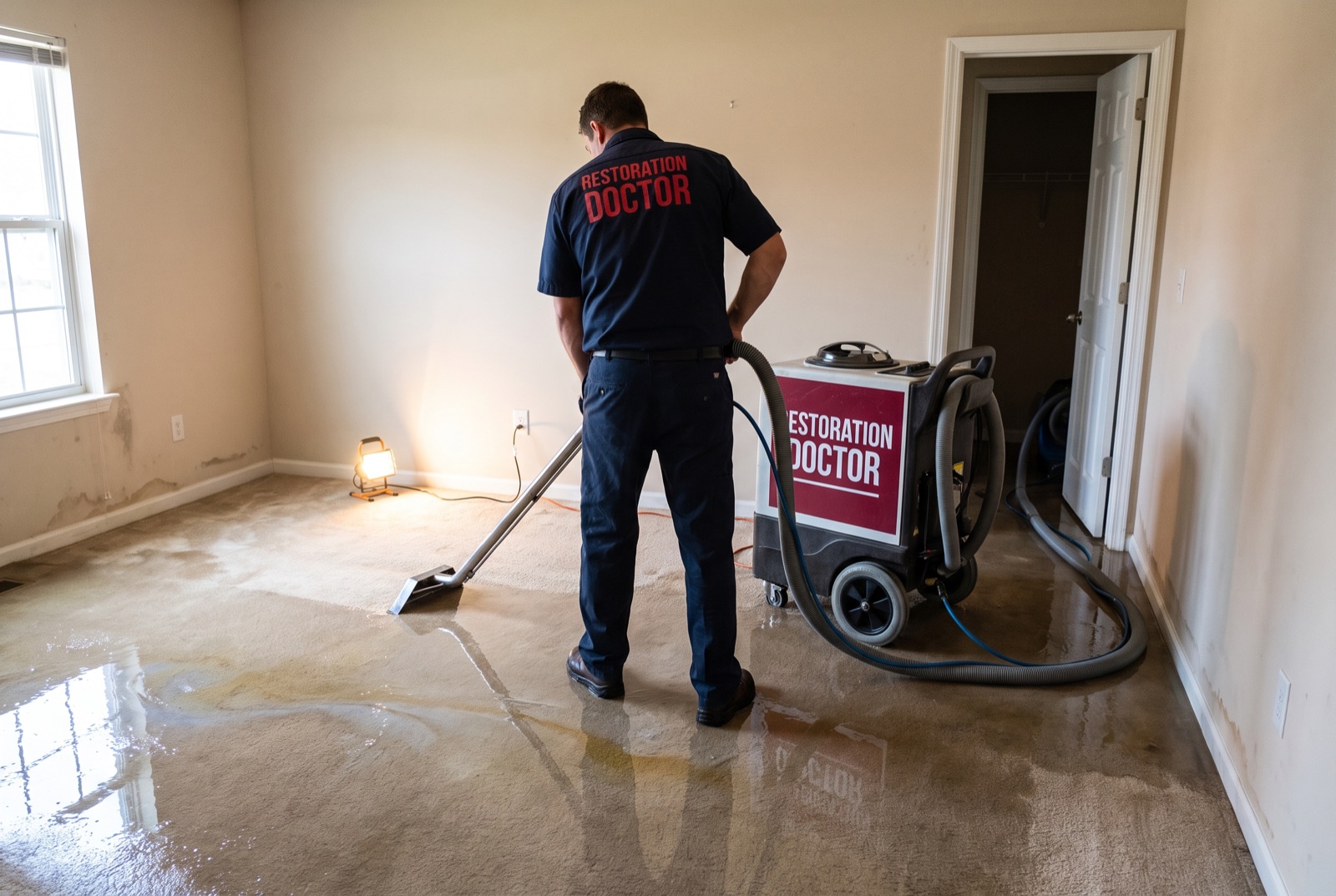
The comparison that matters: cost of restoration vs. cost of delay
The fair benchmark for restoration pricing isn't zero — it's the cost of the alternative. A loss dried professionally in the first 24 hours keeps drywall, flooring, and framing in the salvage column. The same loss handled with box fans, or left to "dry on its own," routinely converts into mold remediation, demolition, and reconstruction at a multiple of the original drying cost. Industry cost data consistently shows exactly this pattern: the expensive water losses are overwhelmingly the delayed ones.
There's also the claim dimension: professional documentation — itemized scopes, moisture logs, photos — is what makes a covered loss pay properly. Undocumented DIY mitigation leaves a homeowner arguing about what the damage was; documented professional mitigation proves it.
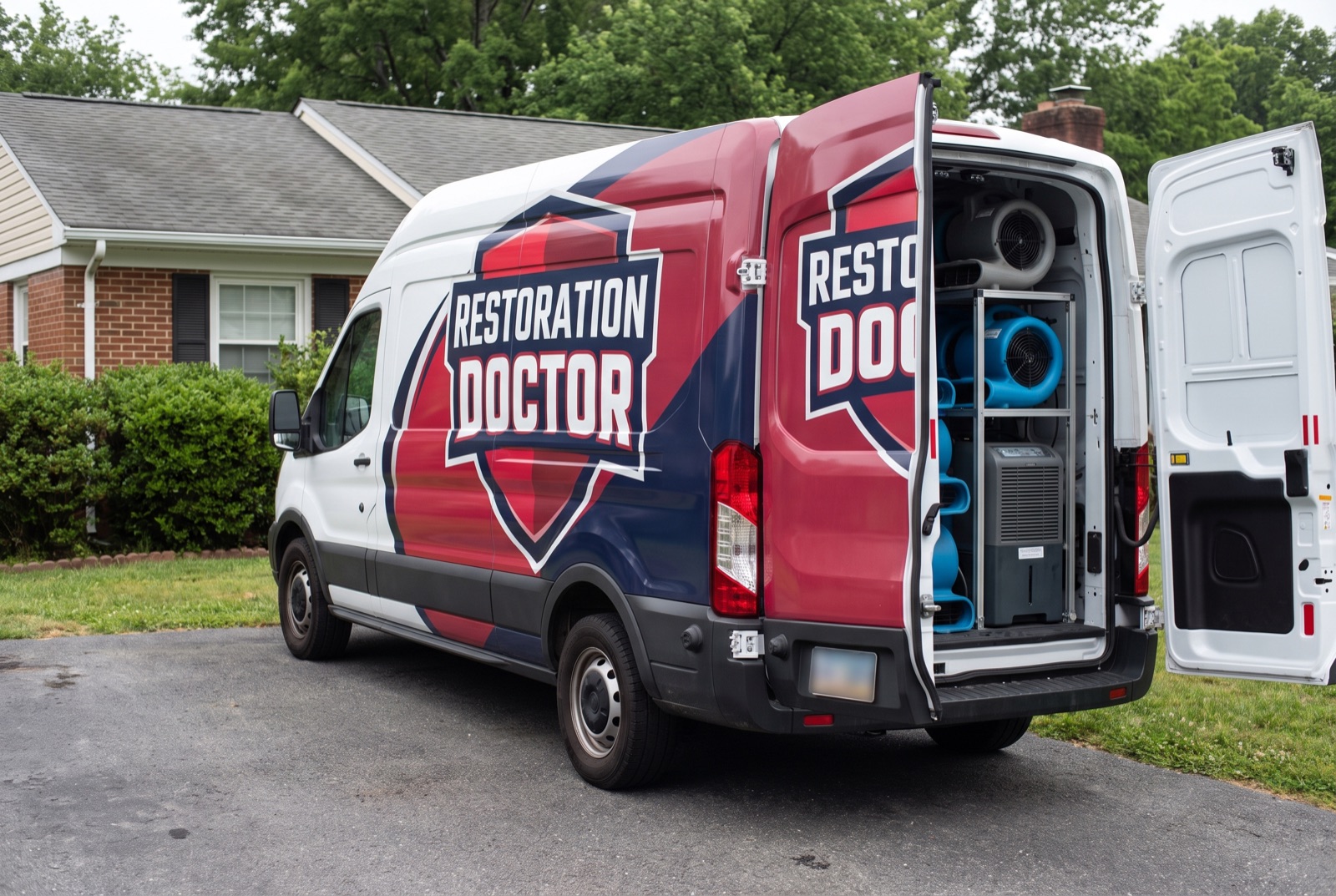
How to make sure you're paying for the right things
Insist on an itemized, line-by-line scope — every machine, every day, every square foot of demolition listed and justified. Ask whether drying will be verified with daily moisture readings and whether you'll receive the logs. Ask about IICRC certification. A fair price for a documented, verified, standards-based dry-out is money well spent; a low price for unverified fan placement is the most expensive option on the table.
Restoration Doctor prices every loss as a documented itemized scope, verifies drying with daily meter readings, and hands you the complete file. We invoice you, the property owner, for the whole scope — a deposit equal to your deductible at signing, the balance due on completion — and the file is what you give your carrier when you seek reimbursement. For restoration that holds up to scrutiny, call 1-888-29-FLOOD.
Water Damage Restoration
Extraction, structural drying, and moisture verification for burst pipes, appliance leaks, and basement flooding.
Frequently asked
Related questions
How much does water damage restoration cost?
Does insurance pay for drying equipment and restoration services?
What equipment do water restoration companies use?
Is professional water damage restoration worth it?
Active water, mold, fire, or sewage event?
Connect directly with the Restoration Doctor team for your region. Crews are on standby 24/7 with documented response protocols.