
Does homeowners insurance cover basement flooding?
It depends on the cause. Basement flooding from a sudden internal failure — a burst pipe or water heater — is typically covered by standard homeowners insurance. But groundwater seepage and surface flooding require separate flood insurance, and sump pump failure is usually covered only if you've added a specific endorsement.
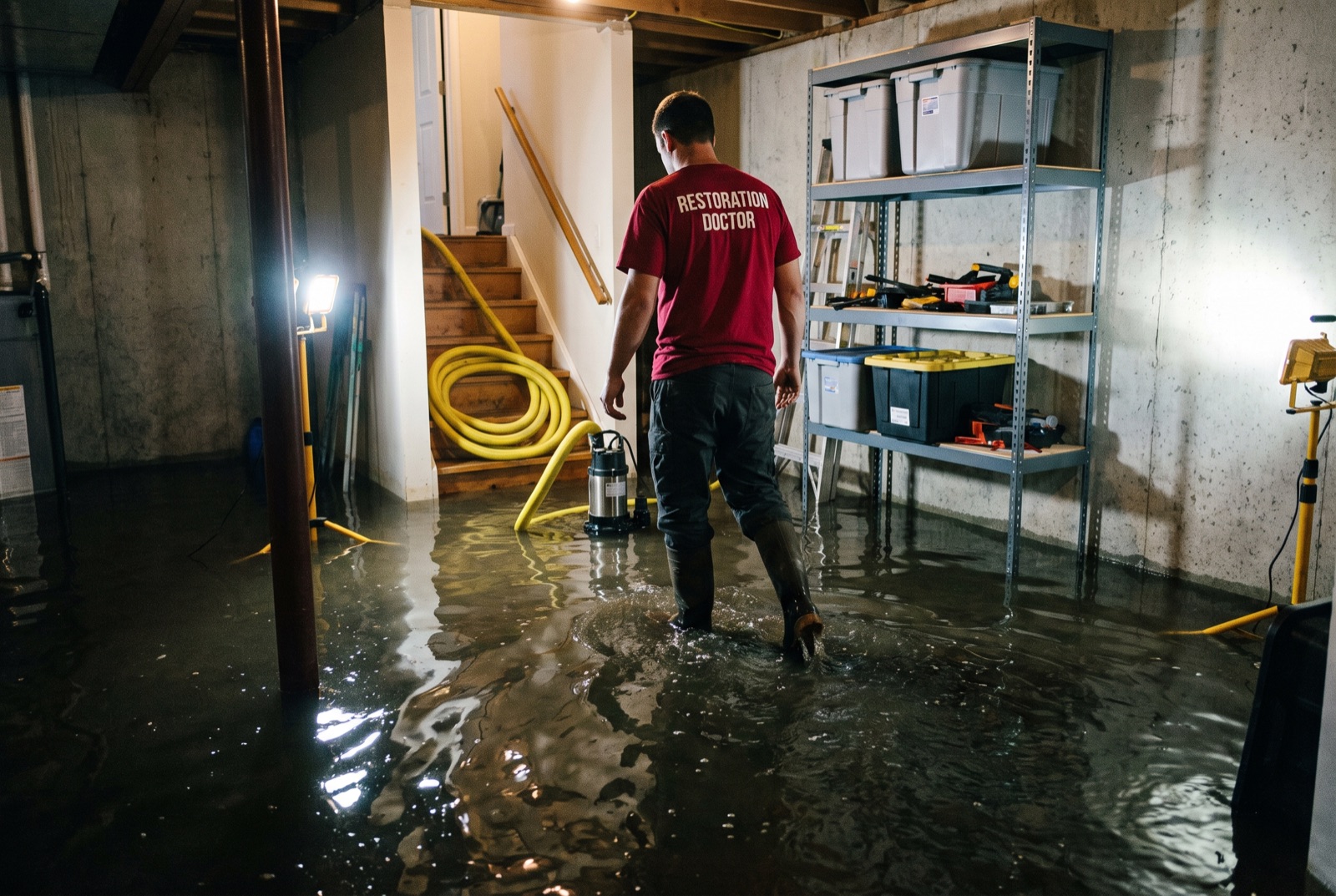
Sudden internal failures are typically covered
Standard homeowners policies are built around sudden and accidental events. When a basement floods because a pipe burst, a supply line failed, or a water heater ruptured, that's the kind of internal failure most policies cover — the same principle that governs water damage generally. The water originated inside your plumbing system and the event was sudden.
This is the most favorable scenario for a basement flood claim. Prompt, documented mitigation strengthens it further, since policies generally require you to act to limit further damage.
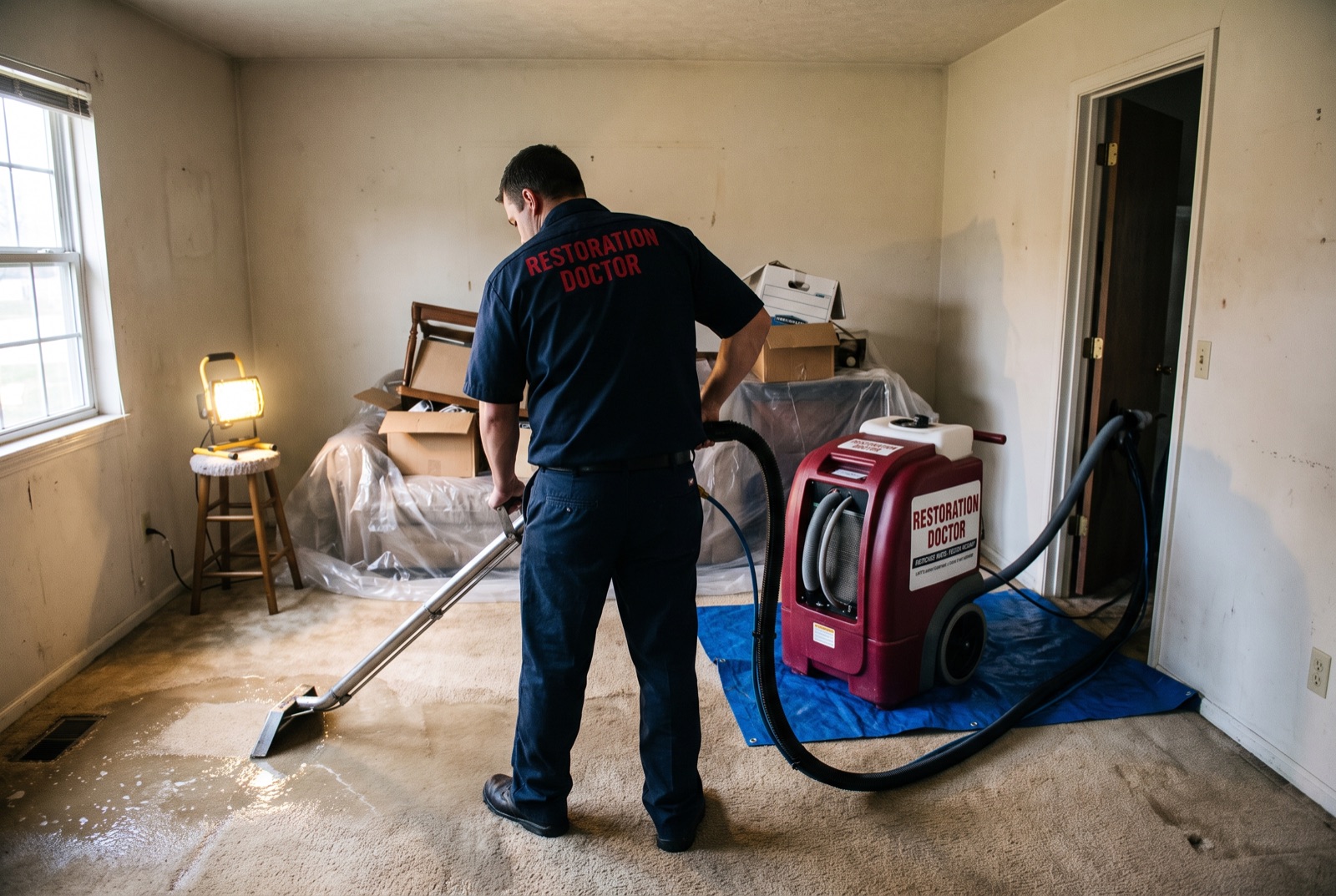
Groundwater and surface flooding need flood insurance
Here's the gap that catches many homeowners: standard homeowners insurance does not cover flooding from outside the home. Groundwater seeping through foundation walls, surface water from heavy rain, rising water tables, and storm flooding are all excluded from typical policies. Covering those requires separate flood insurance, whether through the National Flood Insurance Program or a private flood policy.
This matters enormously for basements, because a large share of basement flooding is exactly this kind — water coming in from the ground during rain, not a pipe letting go. A homeowner who assumes their policy covers "basement flooding" can be surprised to learn the specific cause is the excluded kind.
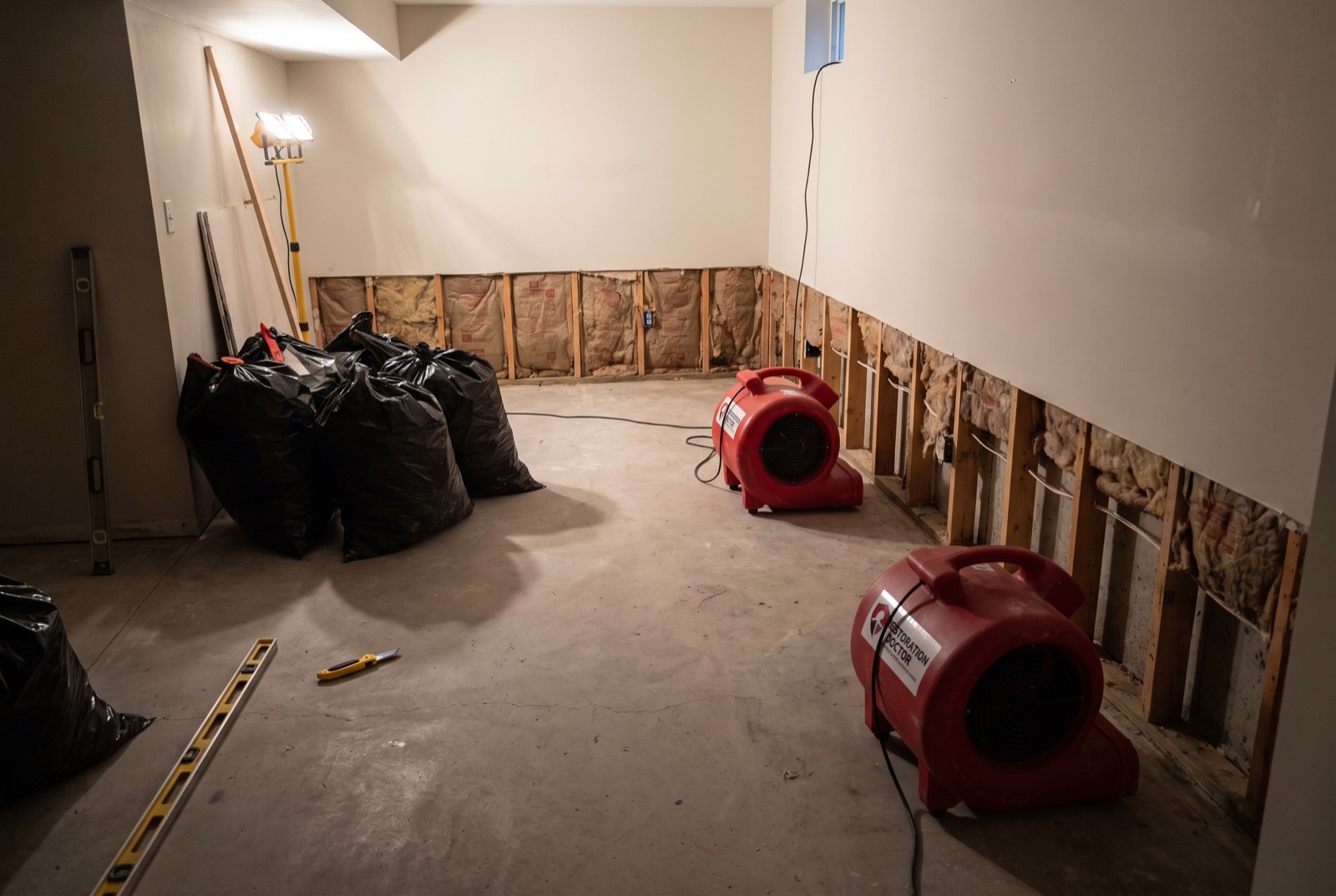
Sump pump failure needs an endorsement
Sump pump failure and related water backup sit in their own category. Damage from a sump pump that fails or is overwhelmed is generally not covered by a base policy, but many insurers offer a water backup or sump overflow endorsement that adds this coverage for an additional premium, often up to a set limit.
If you rely on a sump pump — as many Northern Virginia and Maryland basements do — checking whether you carry this endorsement, and what its limit is, is worth doing before storm season rather than after a failure.
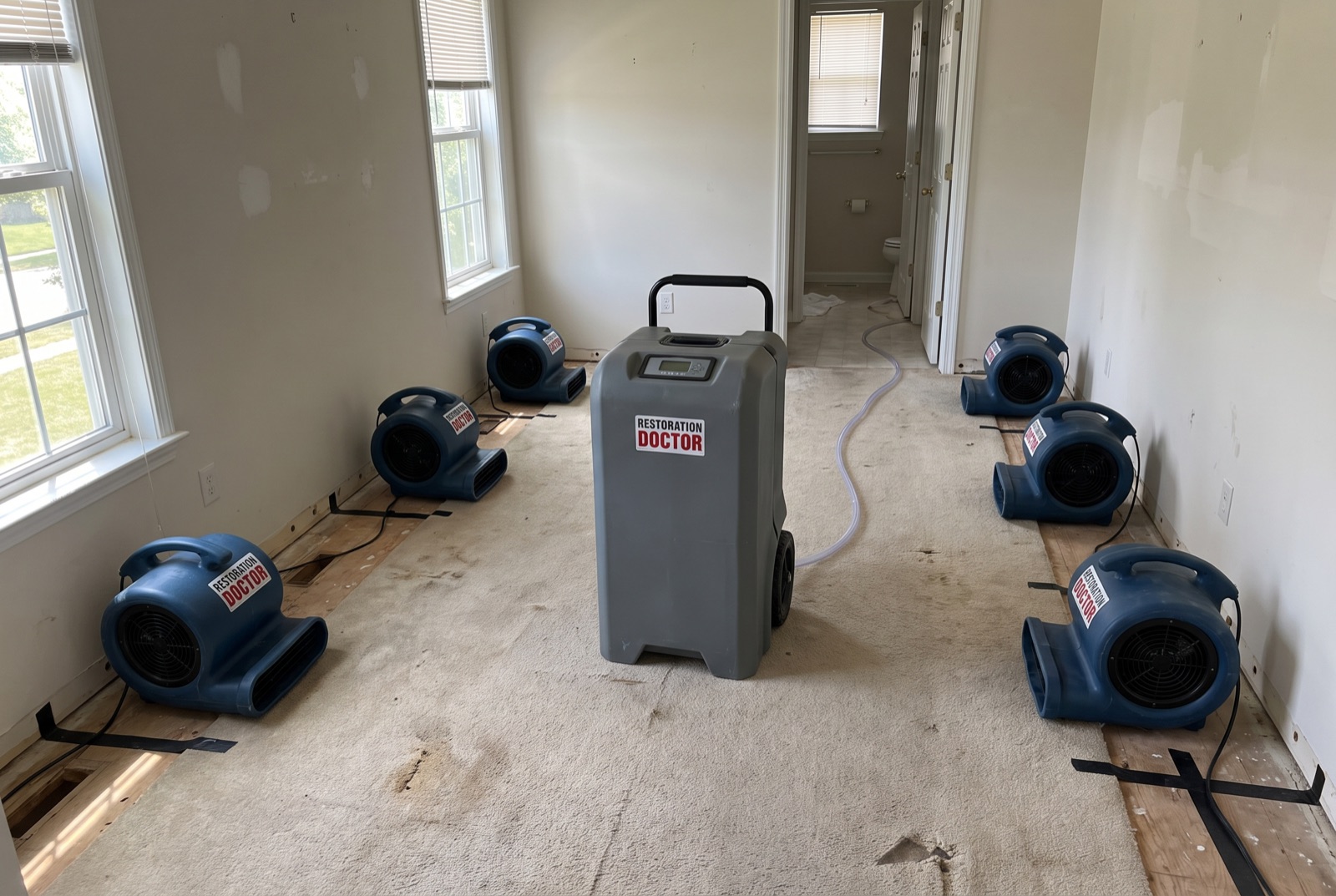
Know your policy, document the loss
Because coverage hinges entirely on cause, the practical steps are: understand which perils your policy and any endorsements actually cover, consider flood insurance if you're exposed to groundwater or surface flooding, and document every loss thoroughly — cause, water level, timing, and damage — so the claim is tied clearly to the covered event.
Restoration Doctor documents basement water losses with moisture maps, photos, and drying records that carriers can verify across Northern Virginia, Maryland, and D.C. Call 1-888-29-FLOOD, and review your specific coverage with your agent — this is general information, not a coverage determination.
Water Damage Restoration
Extraction, structural drying, and moisture verification for burst pipes, appliance leaks, and basement flooding.
Frequently asked
Related questions
Why does my basement flood when it rains?
What causes a sump pump to fail?
Does homeowners insurance cover mold from water damage?
How do I prevent my basement from flooding?
Active water, mold, fire, or sewage event?
Connect directly with the Restoration Doctor team for your region. Crews are on standby 24/7 with documented response protocols.