
Why does my basement flood when it rains?
Rain-driven basement flooding usually traces to water being directed toward the foundation — poor grading, clogged gutters, or short downspouts — combined with hydrostatic pressure pushing groundwater through cracks in walls and floors. An overwhelmed or failed sump pump is the other common culprit. The fixes target where the water comes from.
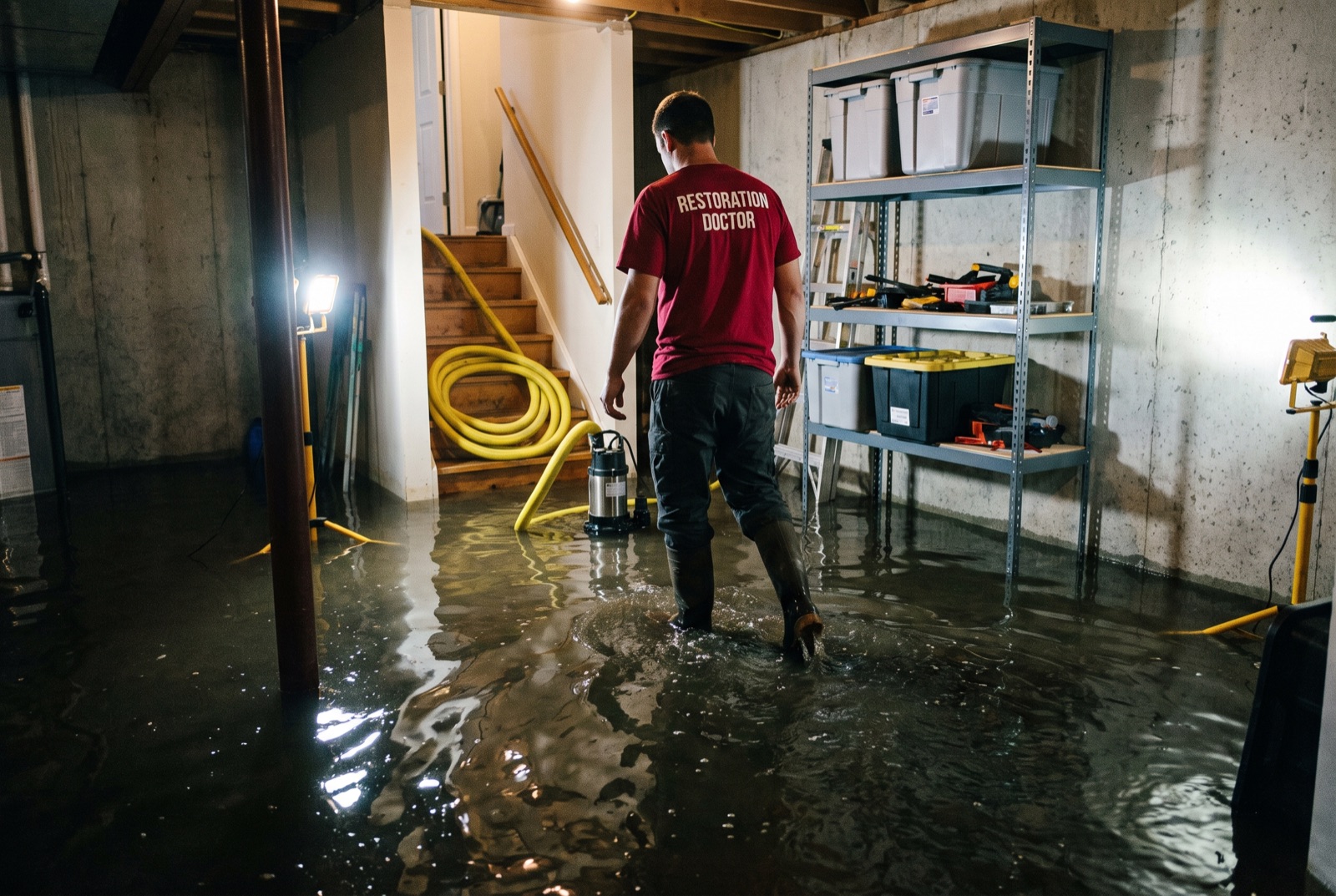
Surface water aimed at your foundation
The most common and most fixable cause is exterior drainage sending rainwater toward the house instead of away from it. If the ground slopes toward the foundation, if downspouts dump water right at the wall, or if gutters are clogged and overflowing, rain saturates the soil against your foundation exactly where you don't want it.
That saturated soil is the setup for everything that follows. Water pools against the below-grade walls and builds pressure, then looks for any way in. Extending downspouts well away from the house, cleaning gutters, and regrading so the ground slopes away are often the highest-return fixes because they attack the problem before water ever reaches the foundation.
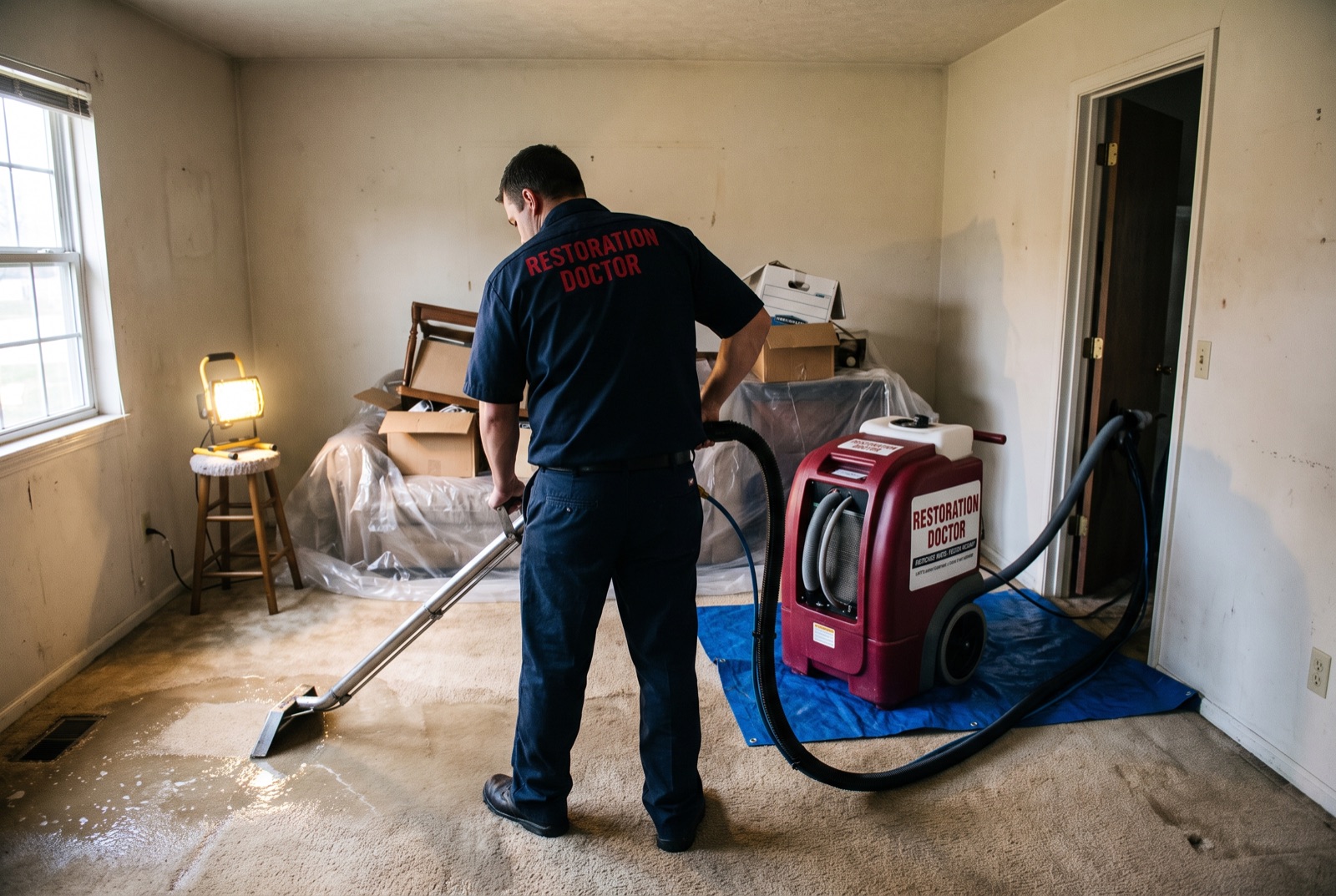
Hydrostatic pressure through cracks
When soil around and beneath a basement becomes saturated, the water table effectively rises and creates hydrostatic pressure — the weight of groundwater pressing against your foundation. That pressure forces water through the smallest openings: hairline cracks in poured walls, gaps at the cove joint where wall meets floor, and porous concrete or block.
This is why some basements seep only during or after heavy, sustained rain: it takes enough water to raise the pressure. Sealing cracks helps, but if the underlying drainage keeps loading the soil with water, pressure will keep finding paths. Effective solutions usually pair crack sealing with relieving the water load — drainage improvements or an interior drain system and sump.
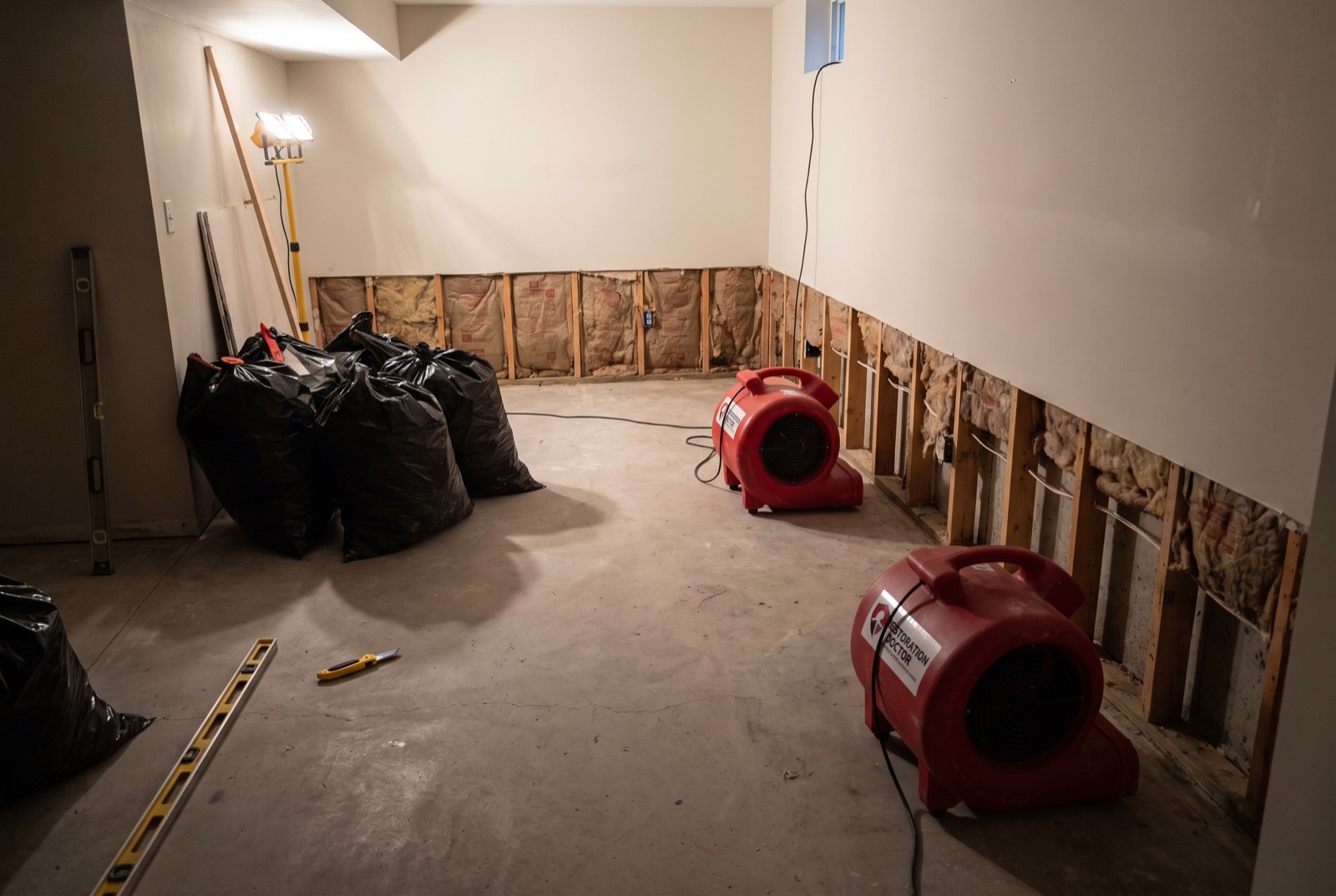
An overwhelmed or failed sump pump
Many basements rely on a sump pump to collect groundwater and discharge it away from the house. When rain floods, the pump can be overwhelmed by volume, fail because a storm knocked out power, or simply be too old or too small for the job. Any of these lets water accumulate that the system was supposed to remove.
If your flooding coincides with the heaviest rain or with power flickers during storms, the sump is a prime suspect. Battery backup pumps, proper sizing, and annual testing address the most common sump-related failures.
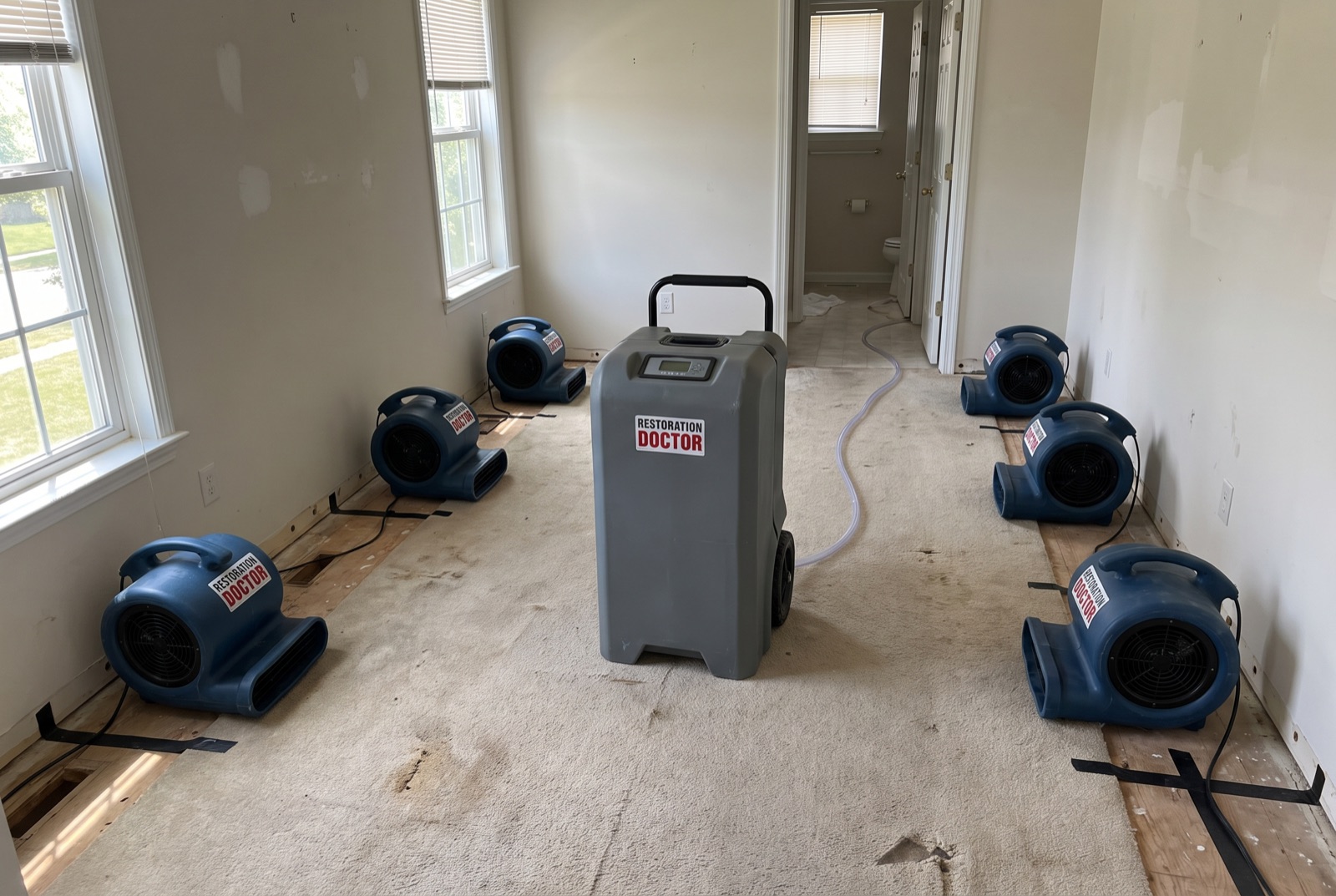
Diagnose the source, not just the symptom
Recurring rain flooding is a signal that water is reaching your foundation and getting in — mopping up after each storm treats the symptom. The durable fix is identifying which of these paths is at work (often more than one) and correcting it, while properly drying any water that did get in to prevent mold.
Restoration Doctor handles the water damage side across Northern Virginia, Maryland, and D.C. — extraction, drying, and documentation — and can help you understand the moisture pathway. Call 1-888-29-FLOOD after a flood, and pair the cleanup with correcting the drainage cause.
Water Damage Restoration
Extraction, structural drying, and moisture verification for burst pipes, appliance leaks, and basement flooding.
Frequently asked
Related questions
How do I prevent my basement from flooding?
What causes a sump pump to fail?
Does homeowners insurance cover basement flooding?
What should you do when your basement floods?
Active water, mold, fire, or sewage event?
Connect directly with the Restoration Doctor team for your region. Crews are on standby 24/7 with documented response protocols.