
What causes a sump pump to fail?
Sump pumps most often fail from power outages during storms (when they're needed most), stuck or jammed float switches, being overwhelmed by more water than they can handle, and age or lack of maintenance. Battery backup systems, correct sizing, and annual testing prevent the majority of these failures.
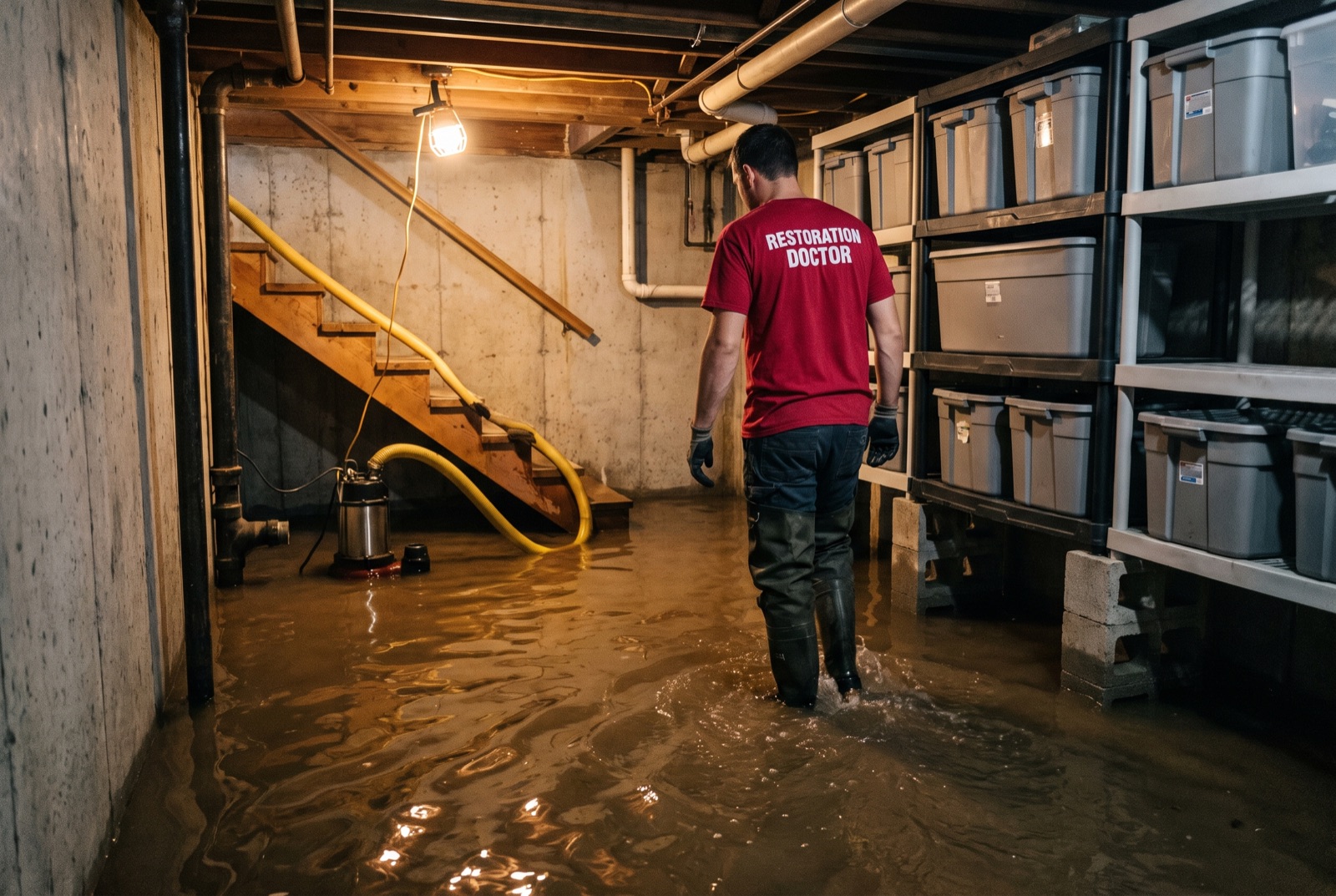
Power outages during storms
The cruelest and most common sump failure is a power outage during the exact storm the pump was installed to handle. Heavy rain and severe weather both overwhelm sumps and knock out electricity, so the pump dies right when groundwater is surging in. A standard sump pump with no backup is only as reliable as the power grid during a storm.
This is why battery backup sump pumps exist. A backup system keeps pumping through an outage, covering the window when a primary pump would otherwise sit dead while the basement fills. For storm-prone areas, it's the single most valuable safeguard.
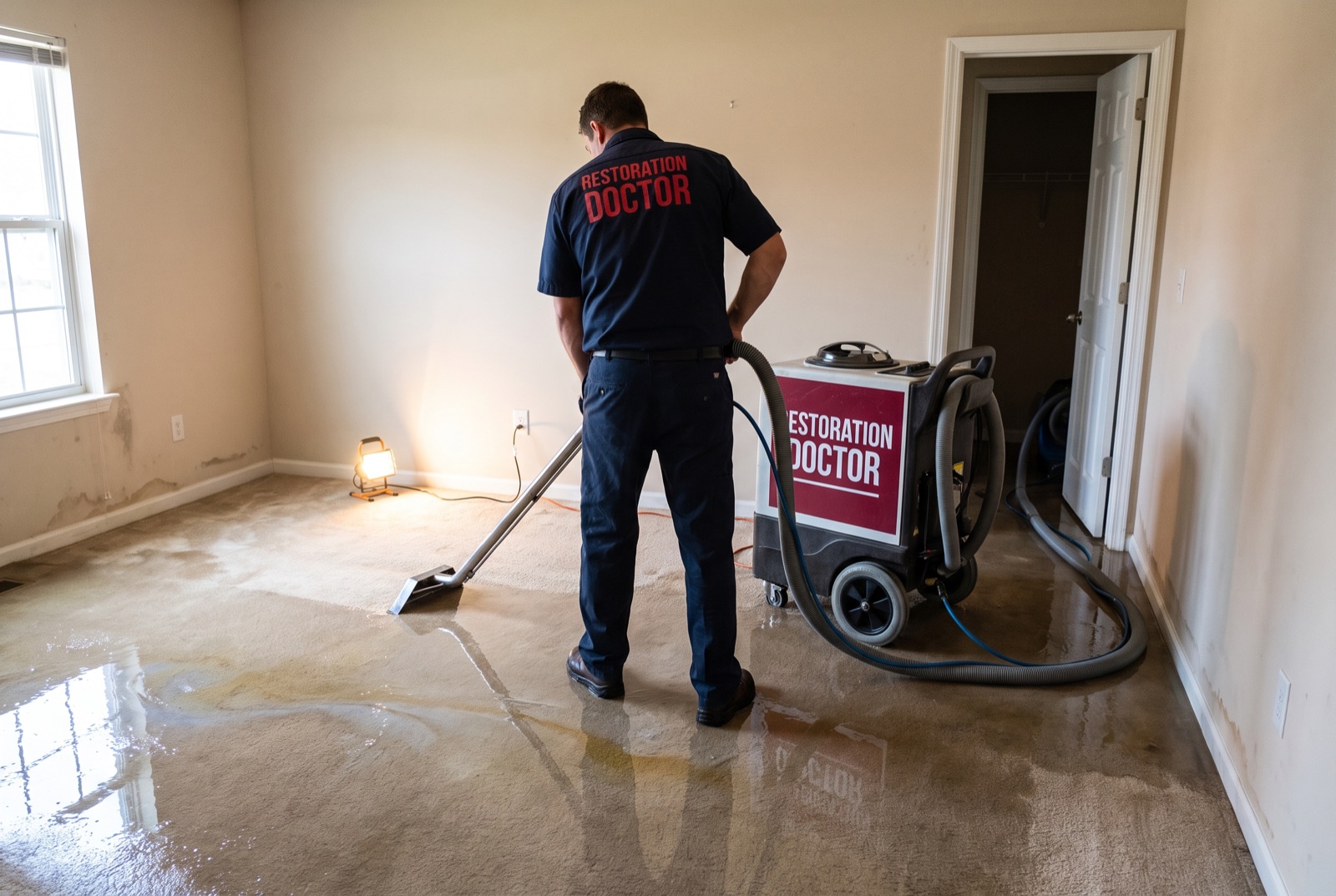
Stuck switches and mechanical faults
A sump pump relies on a float switch that rises with the water and triggers the pump. If that float gets stuck — jammed against the basin wall, tangled, or fouled with debris — the pump never turns on even though water is rising, or runs continuously and burns out. Switch problems are among the most frequent mechanical causes of failure.
Debris in the basin, a stuck check valve, or a clogged discharge line can similarly disable an otherwise working pump. These are exactly the faults that routine inspection catches before a storm exposes them.
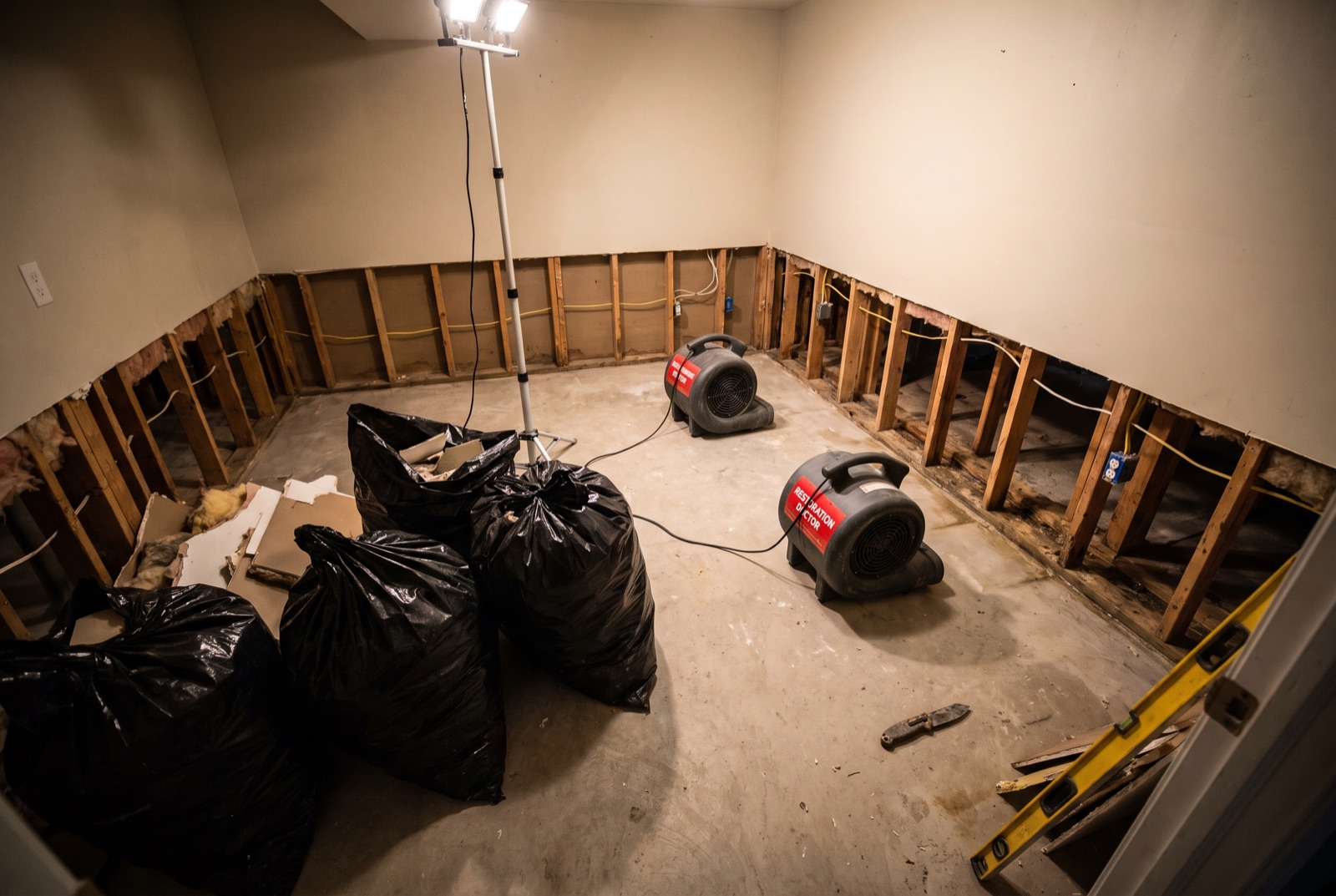
Overwhelmed capacity and age
Sometimes the pump works perfectly and still loses. A pump too small for the volume, or facing an extreme influx, simply can't keep up — water comes in faster than it can discharge. Undersized pumps and single pumps in high-water-table homes are prone to this.
And like any motor, sump pumps wear out. An aging pump gradually loses capacity and reliability, and many fail simply because they're past their service life and were never tested or replaced proactively. A pump that hasn't been checked in years is a flood waiting for the right storm.
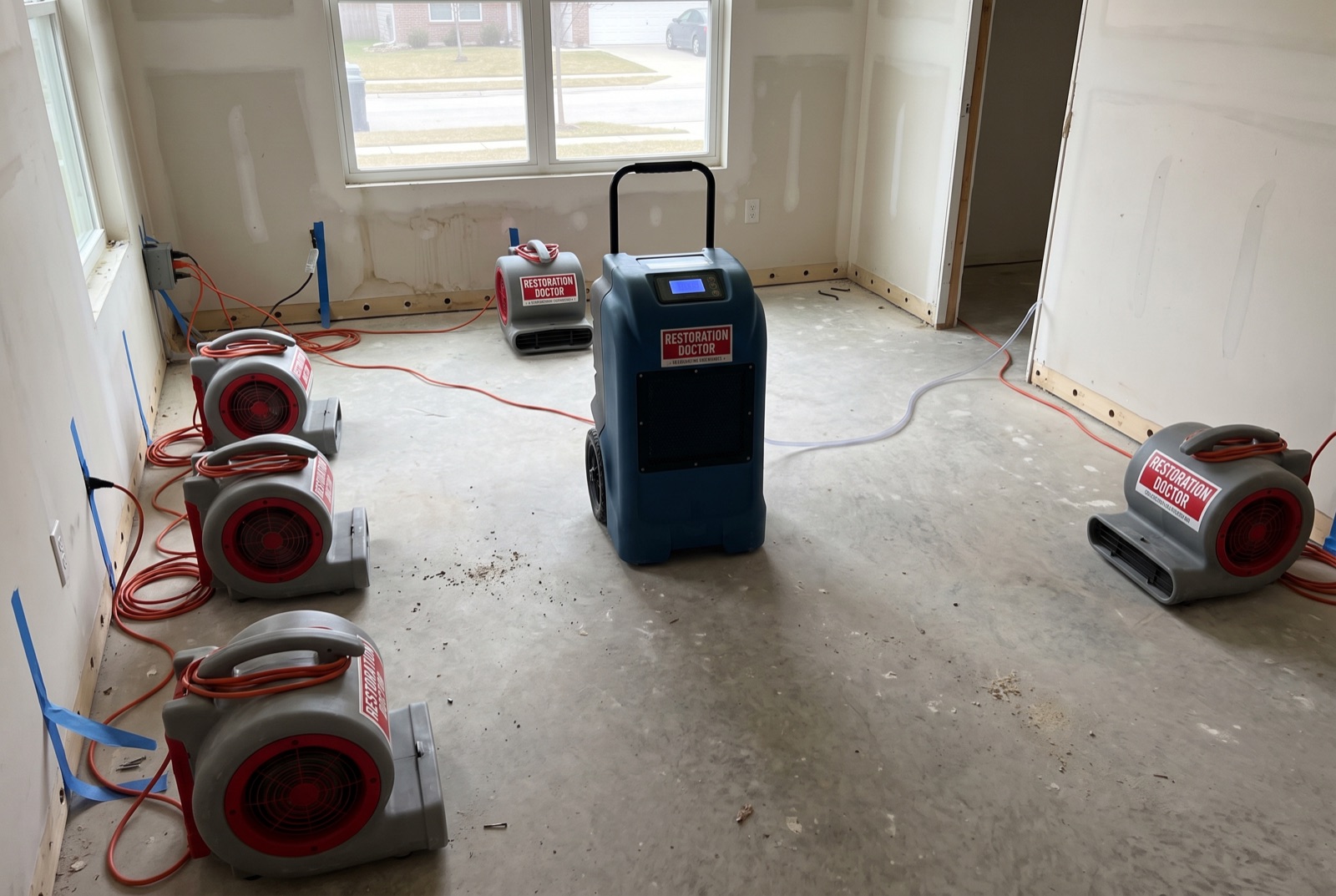
Prevention is straightforward
Most sump failures are preventable with a few habits: add a battery backup for outages, make sure the pump is sized for your water volume, test it at least annually (pour water in and confirm it activates and discharges), keep the basin clear of debris, and replace aging units before they quit. A water alarm adds early warning if the pump does fail.
If a sump failure has already flooded your basement, Restoration Doctor handles extraction and drying across Northern Virginia, Maryland, and D.C. Call 1-888-29-FLOOD for the cleanup, and pair it with backup and maintenance so the next storm doesn't repeat it.
Water Damage Restoration
Extraction, structural drying, and moisture verification for burst pipes, appliance leaks, and basement flooding.
Frequently asked
Related questions
How do I prevent my basement from flooding?
Why does my basement flood when it rains?
Does homeowners insurance cover basement flooding?
What should you do when your basement floods?
Active water, mold, fire, or sewage event?
Connect directly with the Restoration Doctor team for your region. Crews are on standby 24/7 with documented response protocols.