
How do I prevent my basement from flooding?
Keep water away from the foundation first: extend downspouts, clean gutters, and regrade so soil slopes away from the house. Then defend against what still gets in — maintain your sump pump with a battery backup, seal foundation cracks, and install a water alarm for early warning of a problem.
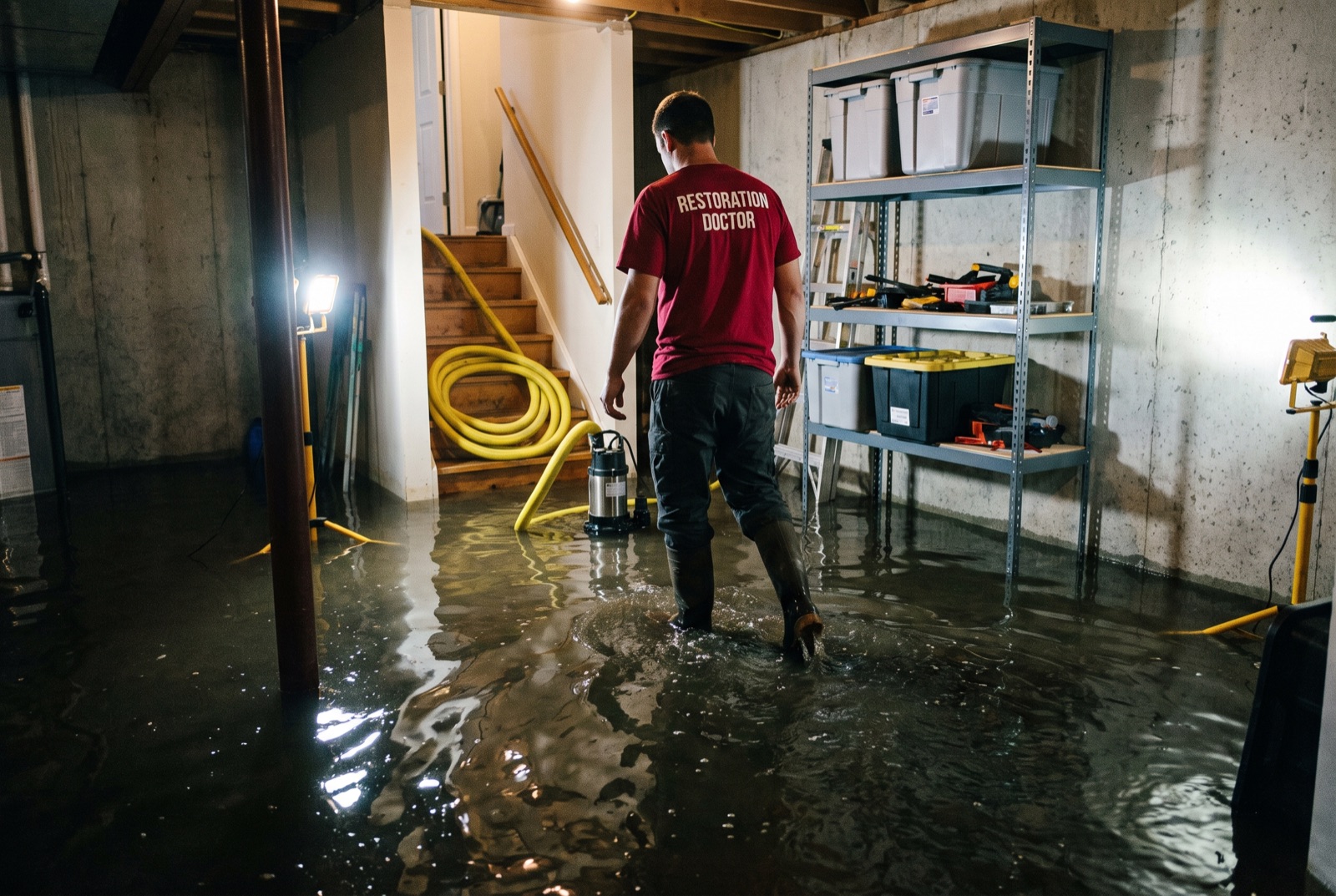
Manage water before it reaches the foundation
The most cost-effective basement flood prevention happens outside, keeping rainwater away from your foundation in the first place. Clean your gutters so they don't overflow at the wall, and extend downspouts to discharge water several feet away from the house rather than dumping it at the foundation. This one change resolves a surprising share of rain-driven basement flooding.
Then look at grading. The ground should slope away from the house on all sides so surface water runs off rather than pooling against the foundation. Regrading low spots and correcting negative slope removes the standing water that builds hydrostatic pressure. Together, gutters, downspouts, and grading attack flooding at its source.
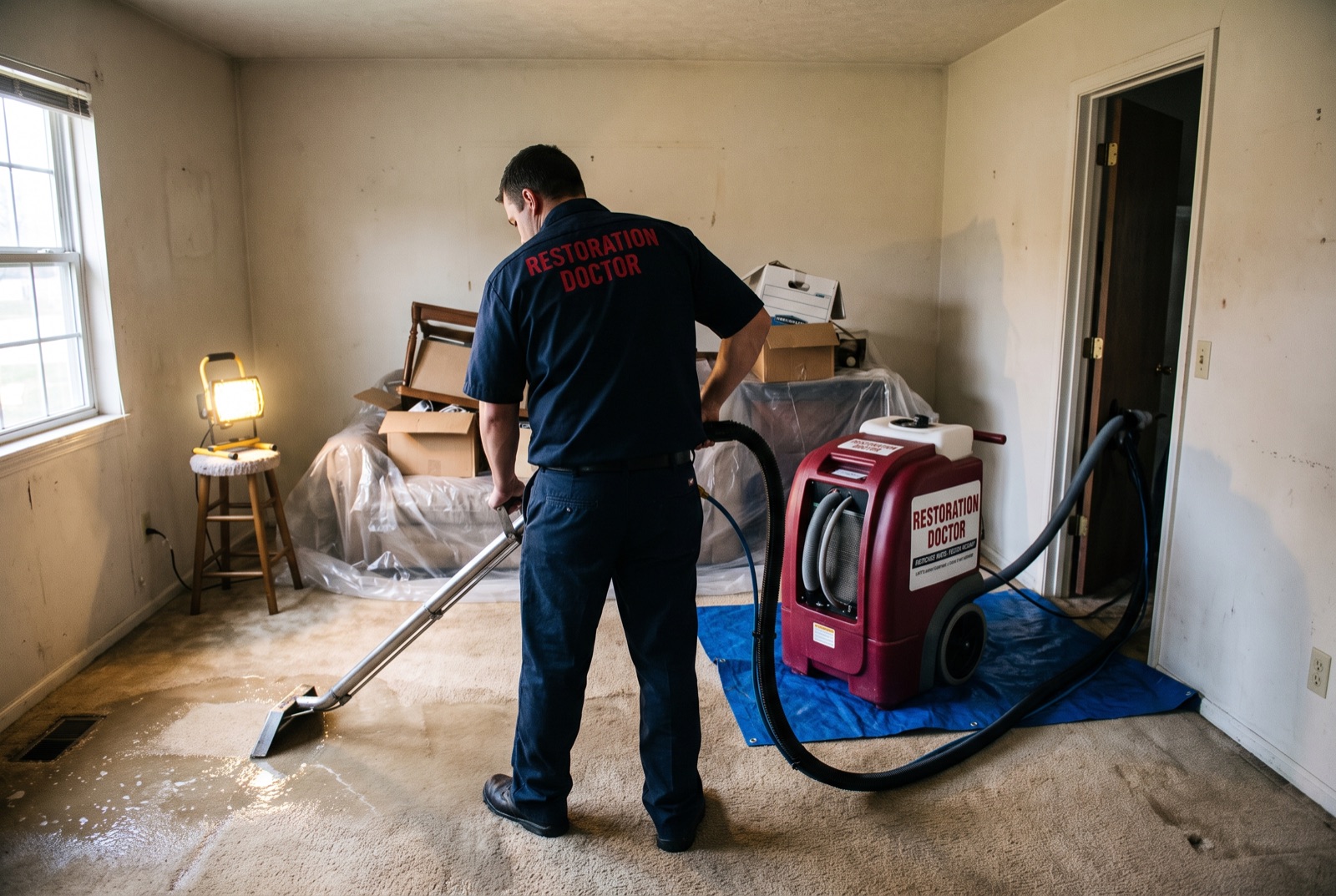
Keep your sump system reliable
For basements that depend on a sump pump, reliability is prevention. Add a battery backup so the pump keeps running during the storm-related power outages that cause so many failures. Make sure the pump is sized for your water volume, test it at least annually by pouring water in to confirm it activates and discharges, and keep the basin free of debris.
Ensure the discharge routes well away from the foundation so pumped water doesn't flow right back in. A well-maintained, backed-up sump handles the groundwater that grading and gutters can't fully eliminate.
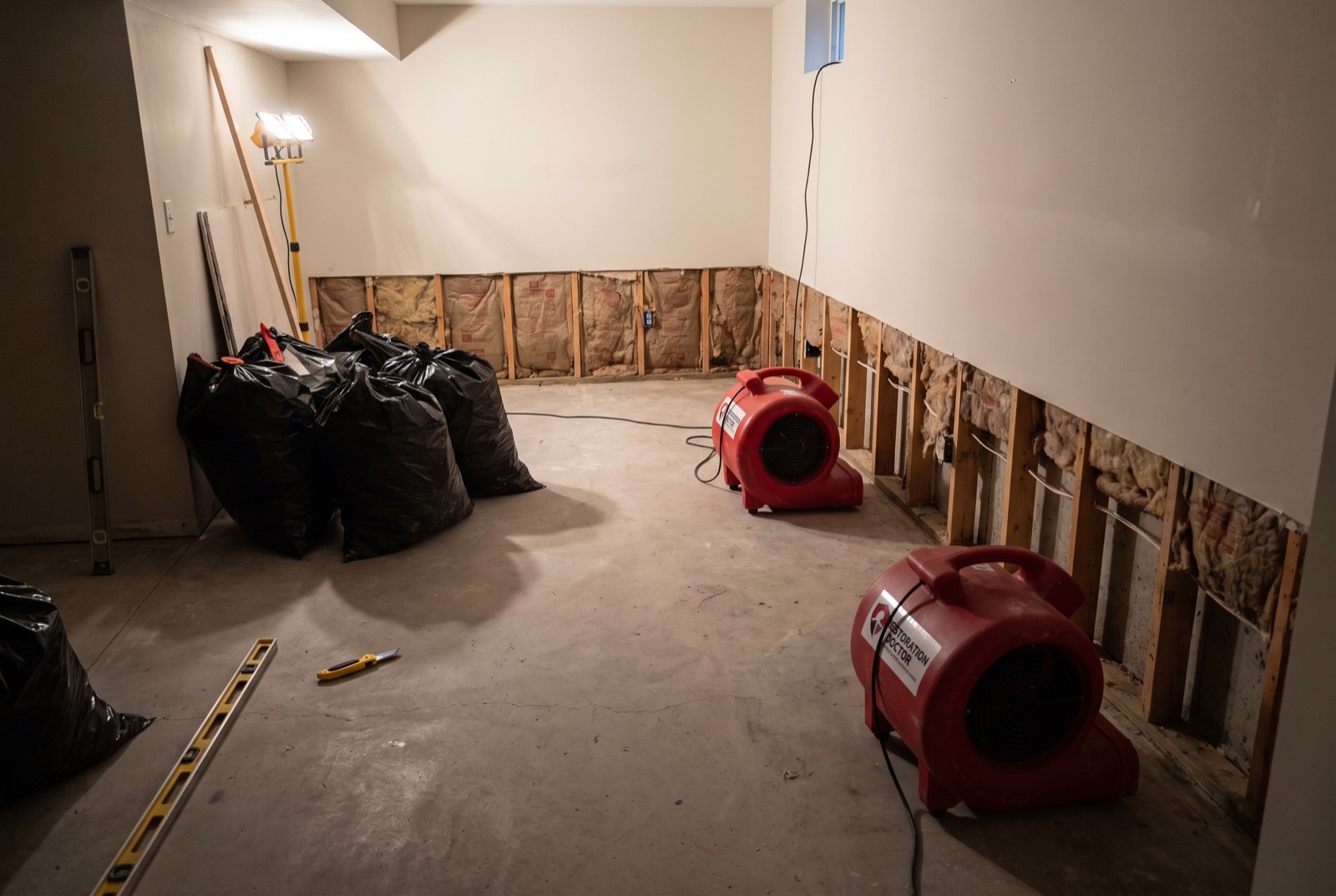
Seal the paths water uses to get in
Even with good drainage, water under pressure looks for openings. Seal visible foundation cracks and gaps, particularly at the cove joint where walls meet the floor, to close the routes hydrostatic pressure exploits. In basements with persistent groundwater, an interior drainage system feeding the sump may be warranted to relieve pressure systematically.
Sealing works best in combination with reducing the water load — if drainage keeps saturating the soil, pressure will keep testing every seam. Address both the openings and the water reaching them.
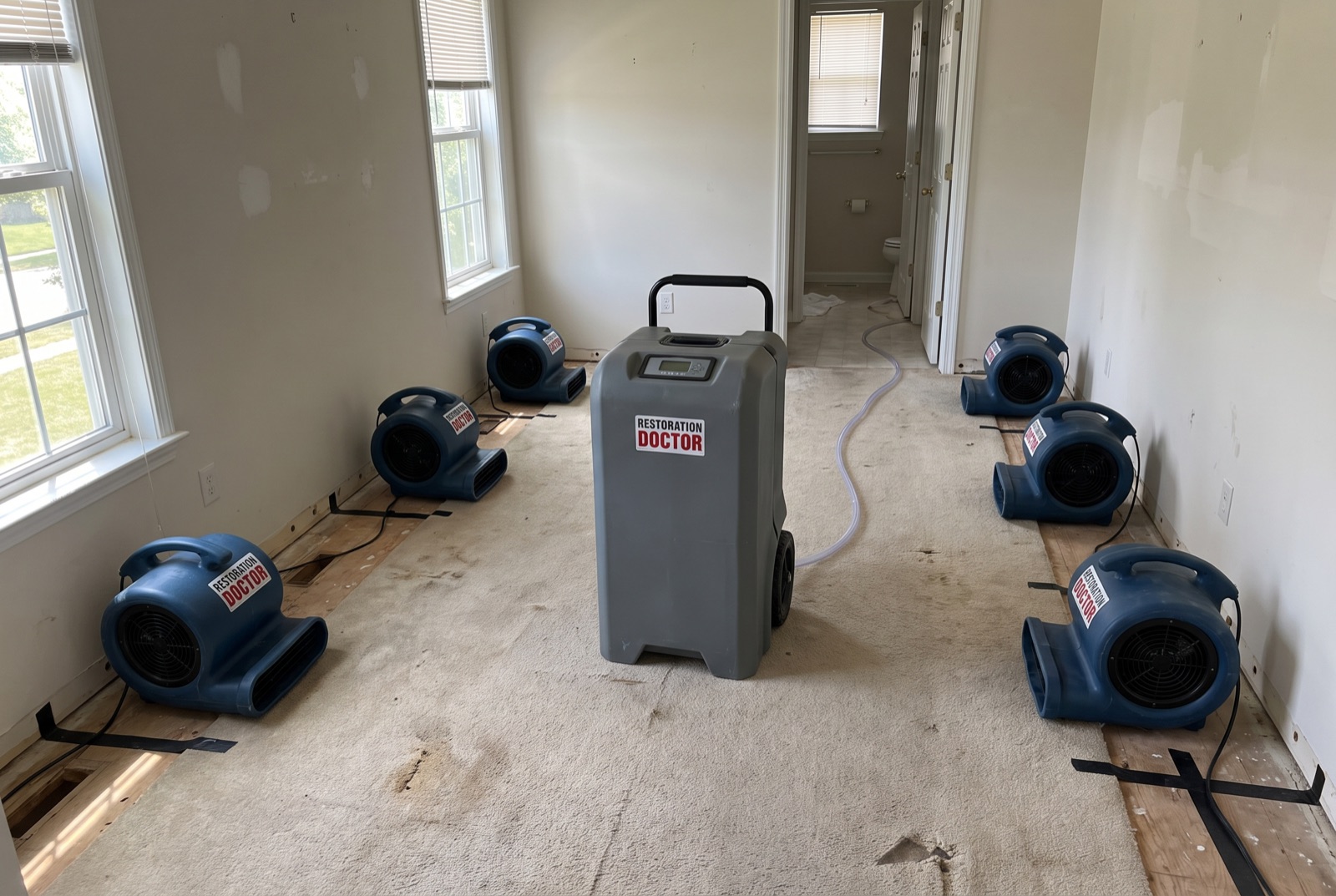
Add early warning, and act on problems fast
A water alarm or leak sensor in the basement gives you early notice — a failing sump or the first inch of water — while there's still time to respond. Pair prevention with a plan: know where your water shut-off is, and have a restoration contact ready before you need one.
If your basement does flood despite precautions, Restoration Doctor responds 24/7 across Northern Virginia, Maryland, and D.C. with extraction and drying, and can help you understand the moisture pathway to prevent a repeat. Call 1-888-29-FLOOD — and pair any cleanup with correcting the cause.
Water Damage Restoration
Extraction, structural drying, and moisture verification for burst pipes, appliance leaks, and basement flooding.
Frequently asked
Related questions
Why does my basement flood when it rains?
What causes a sump pump to fail?
Does homeowners insurance cover basement flooding?
What should you do when your basement floods?
Active water, mold, fire, or sewage event?
Connect directly with the Restoration Doctor team for your region. Crews are on standby 24/7 with documented response protocols.