
Does homeowners insurance cover mold from water damage?
Usually yes when the mold results from a sudden, covered water loss such as a burst pipe — though many policies cap mold remediation with a specific sub-limit. Mold caused by gradual leaks, high humidity, or deferred maintenance is typically excluded, because insurers treat those as preventable rather than sudden events.
Coverage follows the cause
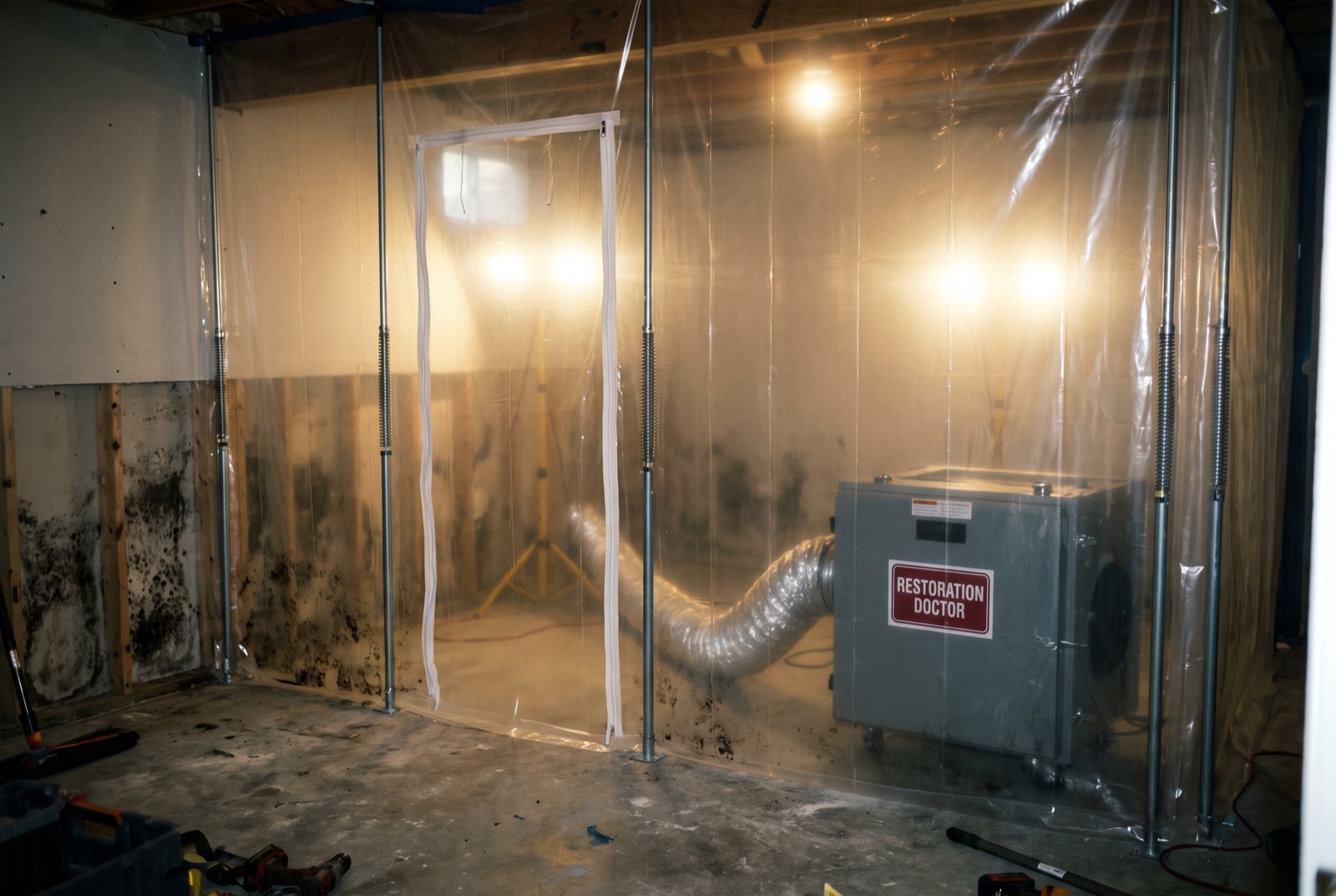
With mold claims, the deciding question is almost always what caused it. When mold grows as a direct result of a sudden and accidental covered event — a pipe bursts, a supply line fails, an appliance overflows — the resulting mold is frequently covered, because it stems from a peril the policy already insures.
When mold grows from a slow, ongoing problem — a drip that ran for months, chronic humidity, a leak the homeowner knew about — insurers generally deny it as a maintenance issue. The reasoning is consistency with how water damage itself is treated: sudden and accidental is covered; gradual and preventable is not.
Mold sub-limits are common
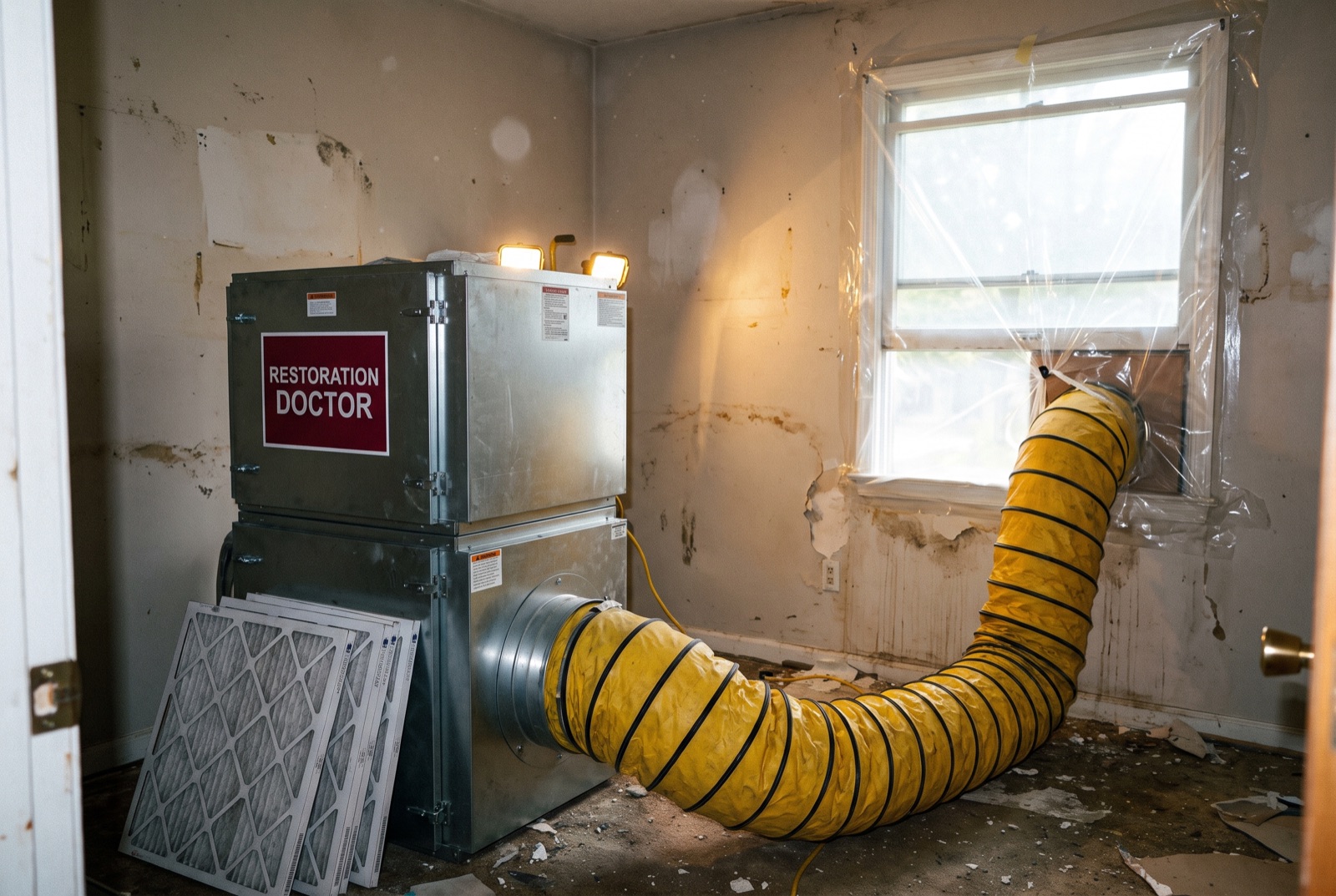
Even when mold is covered, many policies apply a specific mold sub-limit — a capped dollar amount for mold-related remediation that is often lower than the overall coverage for the water loss. It's common to see mold remediation limited while the underlying water damage repair is covered more fully.
This is why reading your declarations page matters. Two policies can both "cover mold" and still pay very differently. Some homeowners add or increase mold coverage by endorsement; others discover the sub-limit only when a claim is filed. Knowing your limit before a loss lets you plan realistically.
How fast mitigation protects your claim
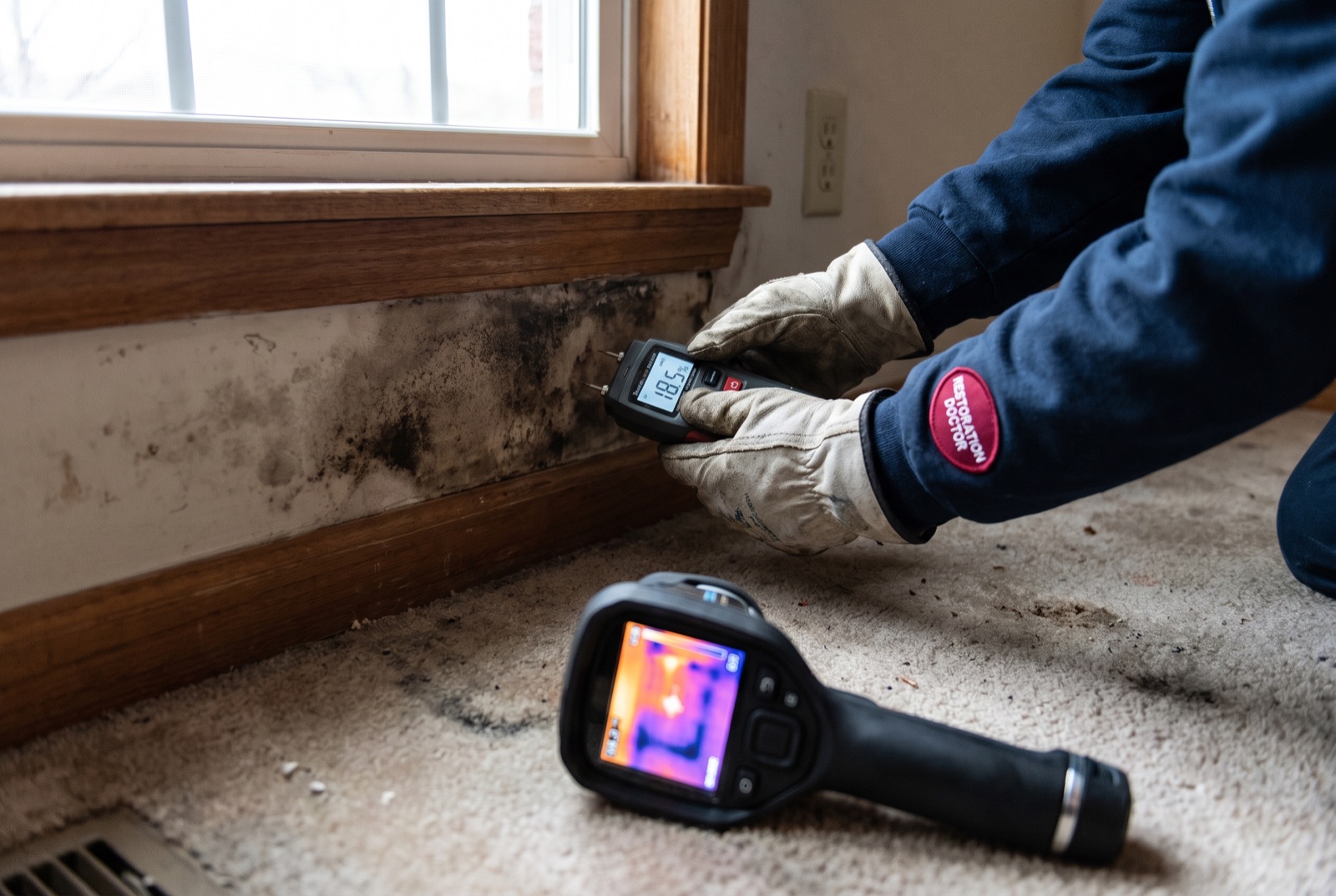
There's an important interaction between mold coverage and response speed. Most policies require the homeowner to take reasonable steps to prevent further damage after a loss. If a covered pipe burst and you dried it promptly, any mold that still developed is more defensible as part of the sudden event. If you let it sit and mold spread from neglect, the insurer can argue the mold portion was preventable.
In other words, prompt, documented mitigation doesn't just limit damage — it strengthens the coverage argument. A clear record showing you responded quickly, with moisture readings and photos, helps establish that mold flowed from the covered event rather than from delay.
Document everything
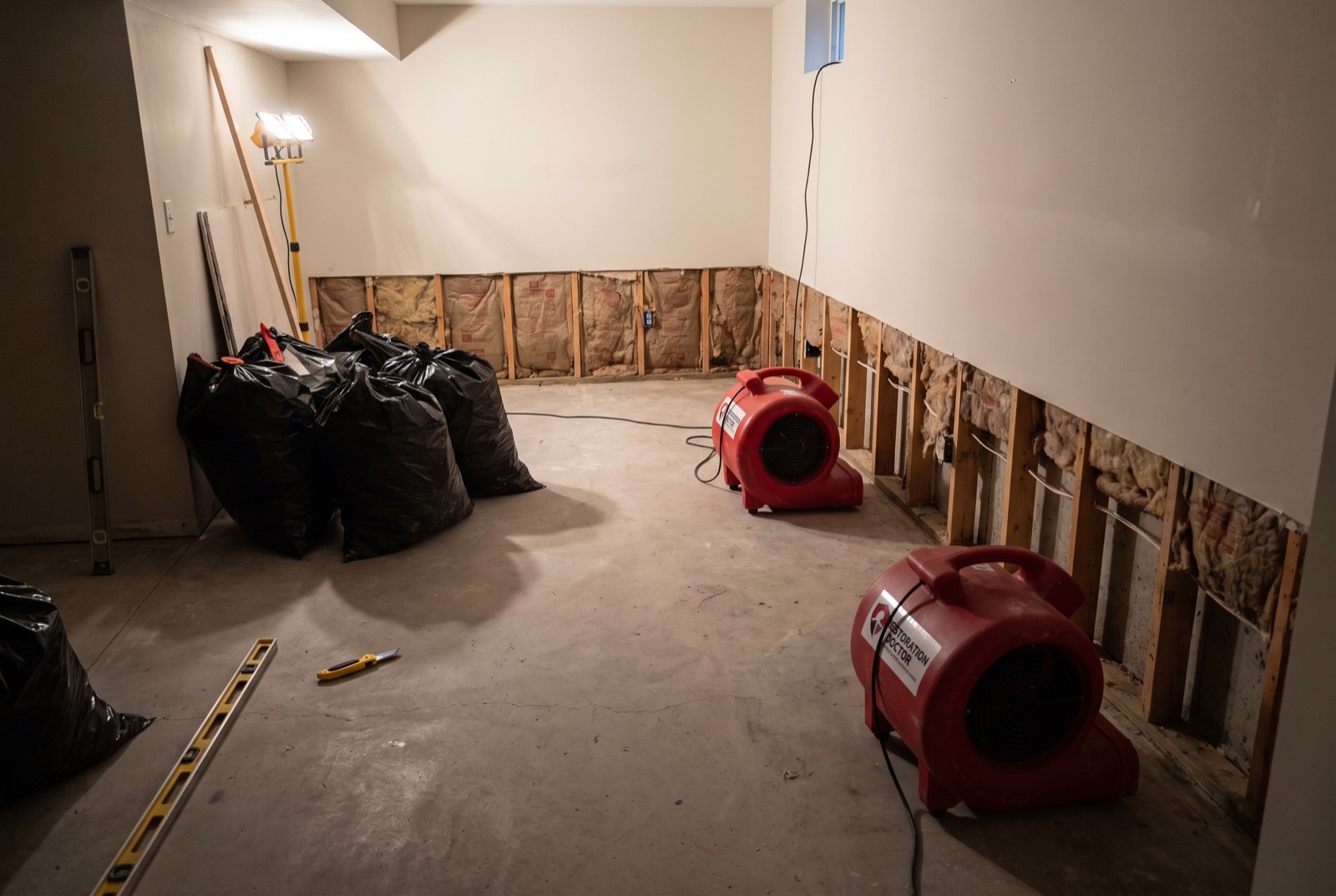
Whether or not mold ultimately appears, thorough documentation is your best asset: photograph the water source and damage, keep records of when you discovered and responded to the loss, and retain the moisture and drying documentation from your restoration provider. That evidence ties the mold to the covered cause and to your prompt response.
Restoration Doctor documents every water loss with moisture maps, photo logs, and drying records that carriers can verify, and handles remediation under the IICRC S520 standard when mold is present. If you've had a covered water event and are concerned about mold, call 1-888-29-FLOOD.
Water Damage Restoration
Extraction, structural drying, and moisture verification for burst pipes, appliance leaks, and basement flooding.
Frequently asked
Related questions
How fast does mold grow after water damage?
How much does mold remediation cost?
What happens if mold is left untreated?
Does homeowners insurance cover basement flooding?
Active water, mold, fire, or sewage event?
Connect directly with the Restoration Doctor team for your region. Crews are on standby 24/7 with documented response protocols.