
How much does mold remediation cost?
For a contained area, professional mold remediation commonly falls in the low-to-mid four-figure range. Whole-house involvement, HVAC contamination, or extensive hidden growth pushes it higher. Cost is driven by the affected square footage, how accessible the growth is, the materials involved, and correcting the moisture source.
What drives the price
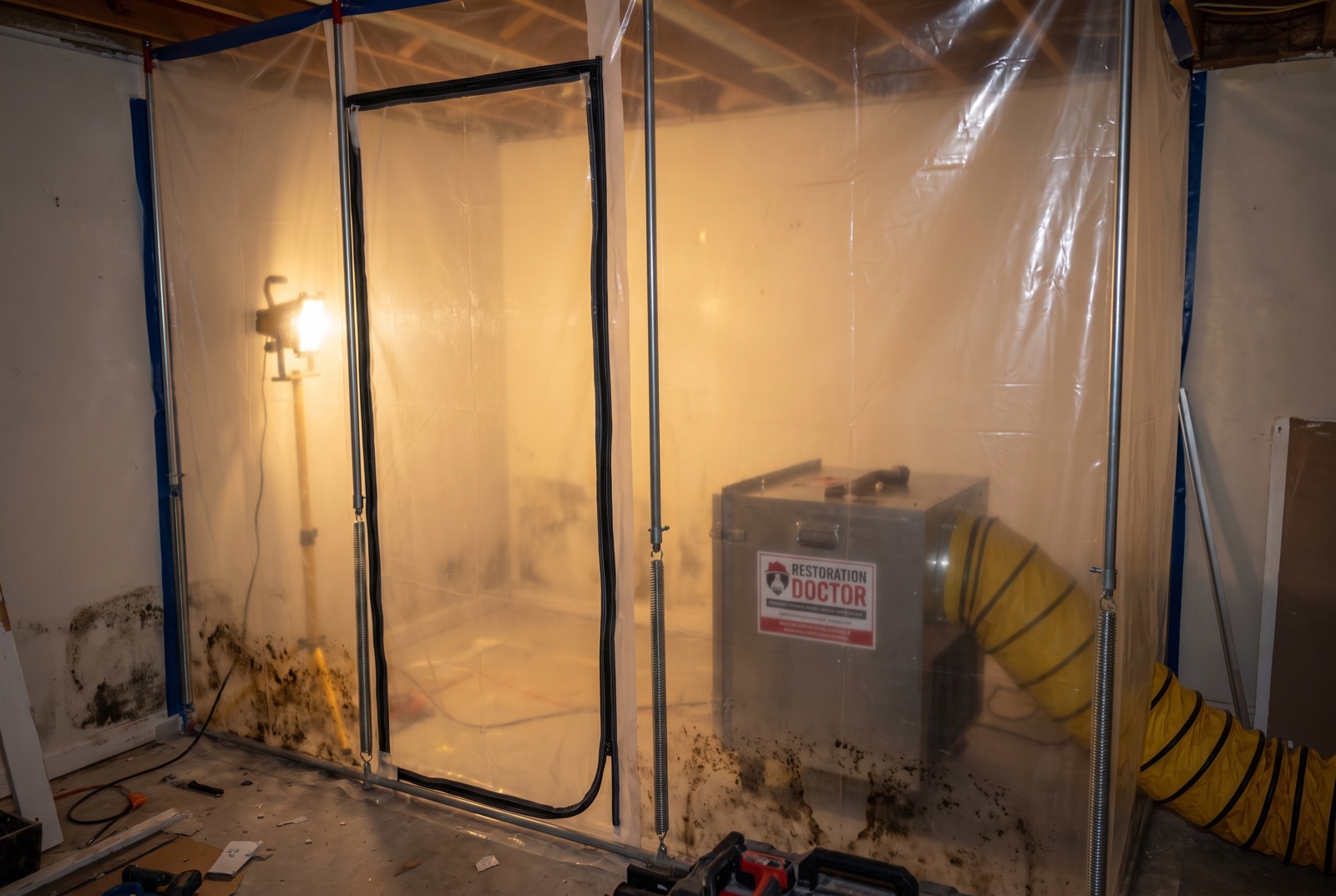
Mold remediation isn't a flat fee because no two jobs are alike. The biggest variables are the size of the affected area, where the mold is (an open wall surface is cheaper to address than growth threaded through a finished, furnished space or inside ductwork), and what materials are involved — removing and replacing drywall, insulation, and flooring adds to the scope.
The cause matters too. Remediation that doesn't correct the underlying moisture source is temporary, so a thorough job includes fixing the leak or moisture problem, which is part of why estimates vary. As a general shape, a small contained job costs far less than remediation spanning multiple rooms, an HVAC system, or a whole house.
General ranges to set expectations
As a rough guide, remediating a single contained area commonly lands in the low-to-mid four figures. Larger or more complex situations — extensive hidden growth, mold distributed through HVAC ducts, or contamination across a whole home — run higher, sometimes substantially. These are ballpark ranges, not quotes; the only way to know your number is an on-site assessment.
Remember that remediation is one part of the total. If mold forced removal of drywall, flooring, or cabinetry, reconstruction to restore those finishes is a separate cost on top of the remediation itself. A provider that handles both can give you a combined picture.
Why the cheapest bid can cost more later
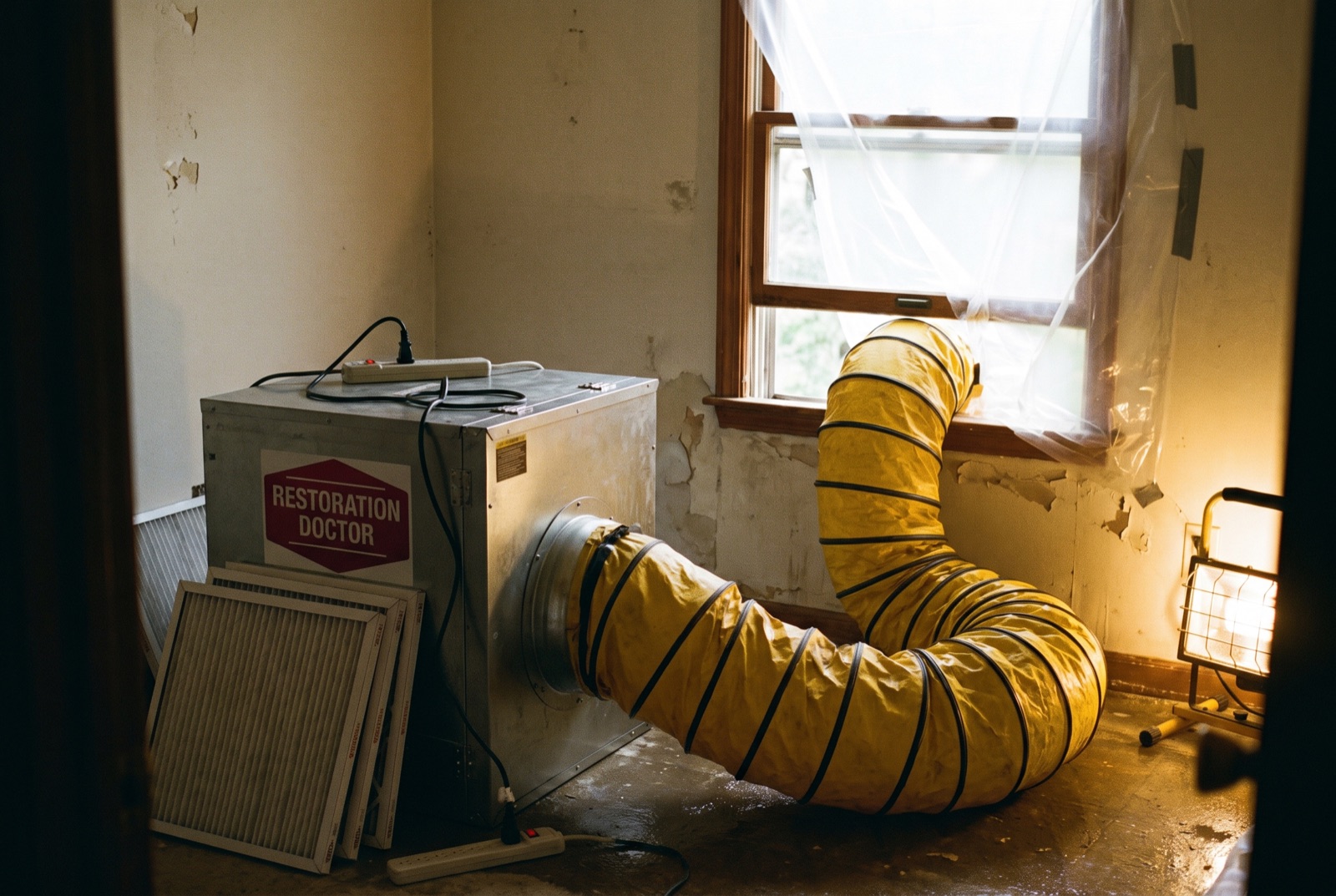
Mold remediation rewards doing it right the first time. A low bid that skips containment, doesn't remove all colonized porous material, or ignores the moisture source often leads to regrowth — and paying twice. Proper work under the IICRC S520 standard (containment, HEPA filtration, complete removal, source correction, and verification) costs more upfront than a spray-and-pray approach but resolves the problem.
Insurance can offset cost when the mold stems from a covered water loss, though many policies apply a mold sub-limit. Good documentation of the cause and your prompt response helps here — another reason the thorough approach pays off.
Get an on-site estimate
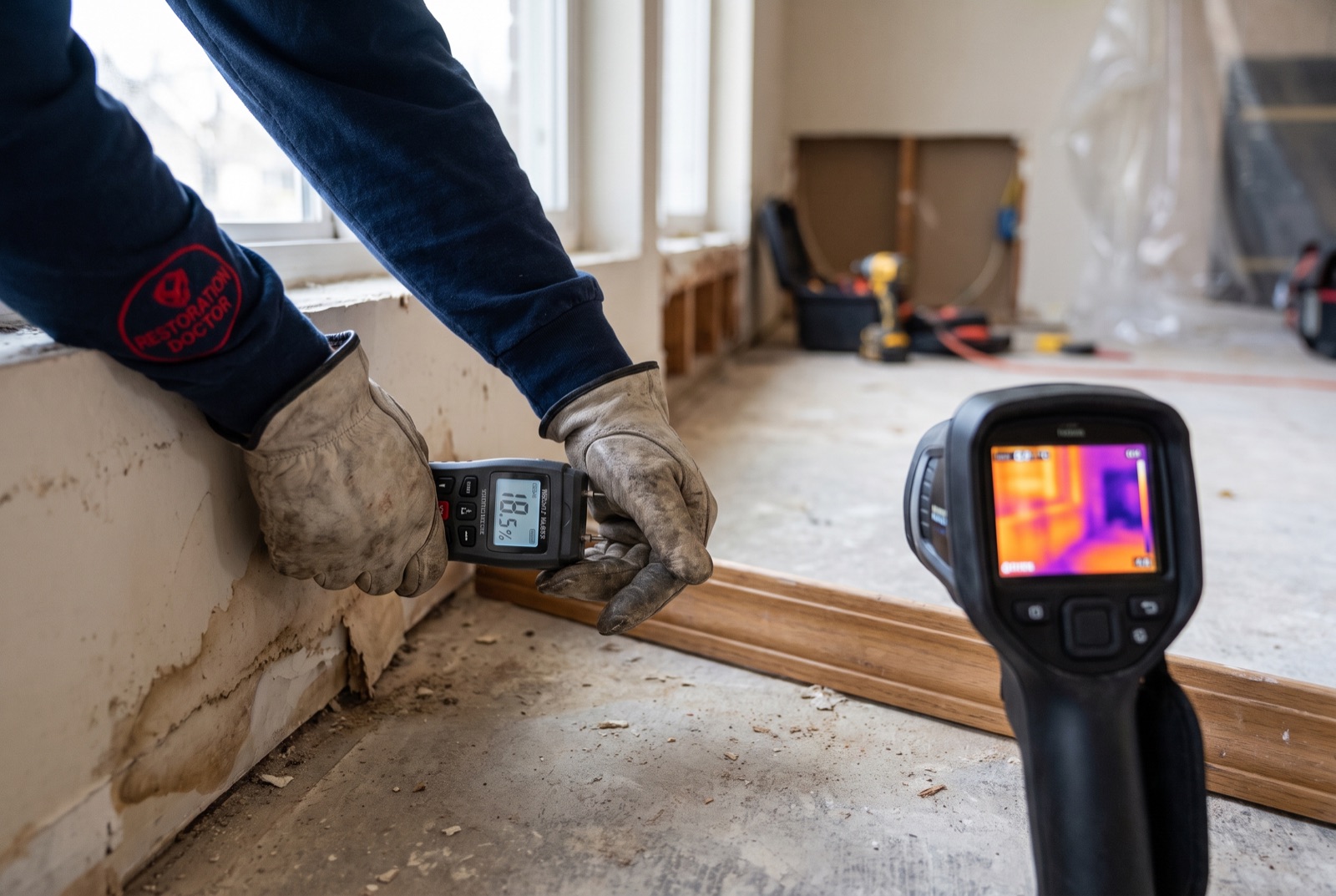
Because scope drives everything, a meaningful price requires someone to see the extent, location, and cause of the growth. A professional assessment also tells you what's remediation versus reconstruction, and whether insurance is likely to contribute.
Restoration Doctor assesses and remediates mold across Northern Virginia, Maryland, and D.C., documenting scope and cause so you get a clear, itemized picture rather than a guess. Call 1-888-29-FLOOD to schedule an evaluation.
Mold Remediation
IICRC S520 containment, HEPA filtration, safe removal, and post-remediation clearance verification.
Frequently asked
Related questions
Does homeowners insurance cover mold from water damage?
Can I remove mold myself or do I need a professional?
What happens if mold is left untreated?
Should I test for mold after water damage?
Active water, mold, fire, or sewage event?
Connect directly with the Restoration Doctor team for your region. Crews are on standby 24/7 with documented response protocols.