
Can I remove mold myself or do I need a professional?
Small mold problems — under roughly 10 square feet, per EPA guidance — can often be cleaned yourself with proper precautions. Larger areas, mold in HVAC systems, growth from sewage or contaminated water, or mold on porous materials that must be removed call for professional containment and remediation.
The EPA 10-square-foot guideline
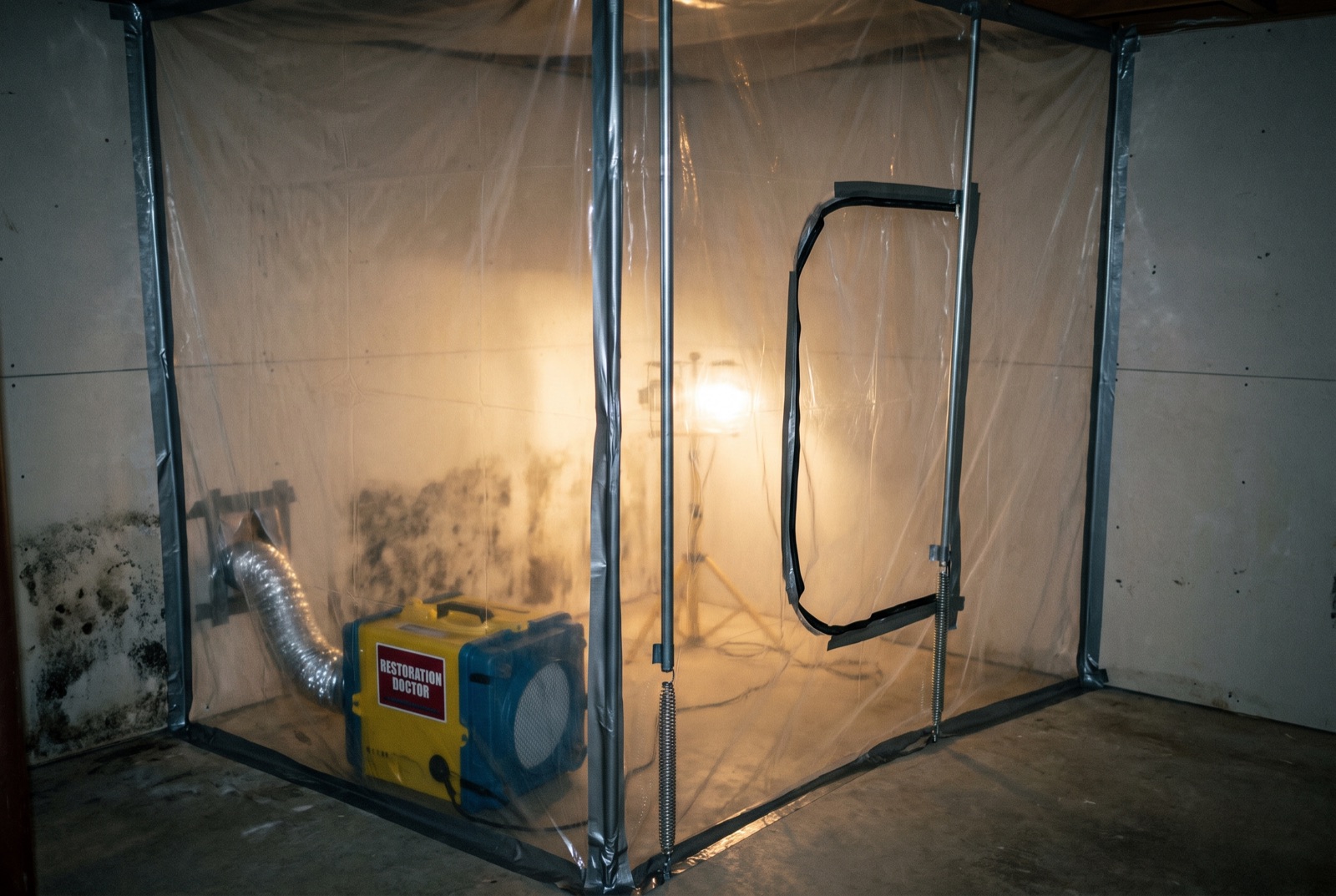
The EPA offers a practical dividing line: mold covering less than about 10 square feet — think a patch smaller than roughly a 3-by-3-foot area — is generally something a homeowner can handle, while anything larger is better left to professionals. It's a rule of thumb for scale, not a guarantee, but it's a sensible starting point.
The logic is about spore containment. A small area of surface mold on a non-porous material can be cleaned without much risk of spreading spores through the home. A large colony can't be disturbed safely without containment barriers and negative air pressure to keep spores from migrating into clean areas during removal.
When DIY is reasonable
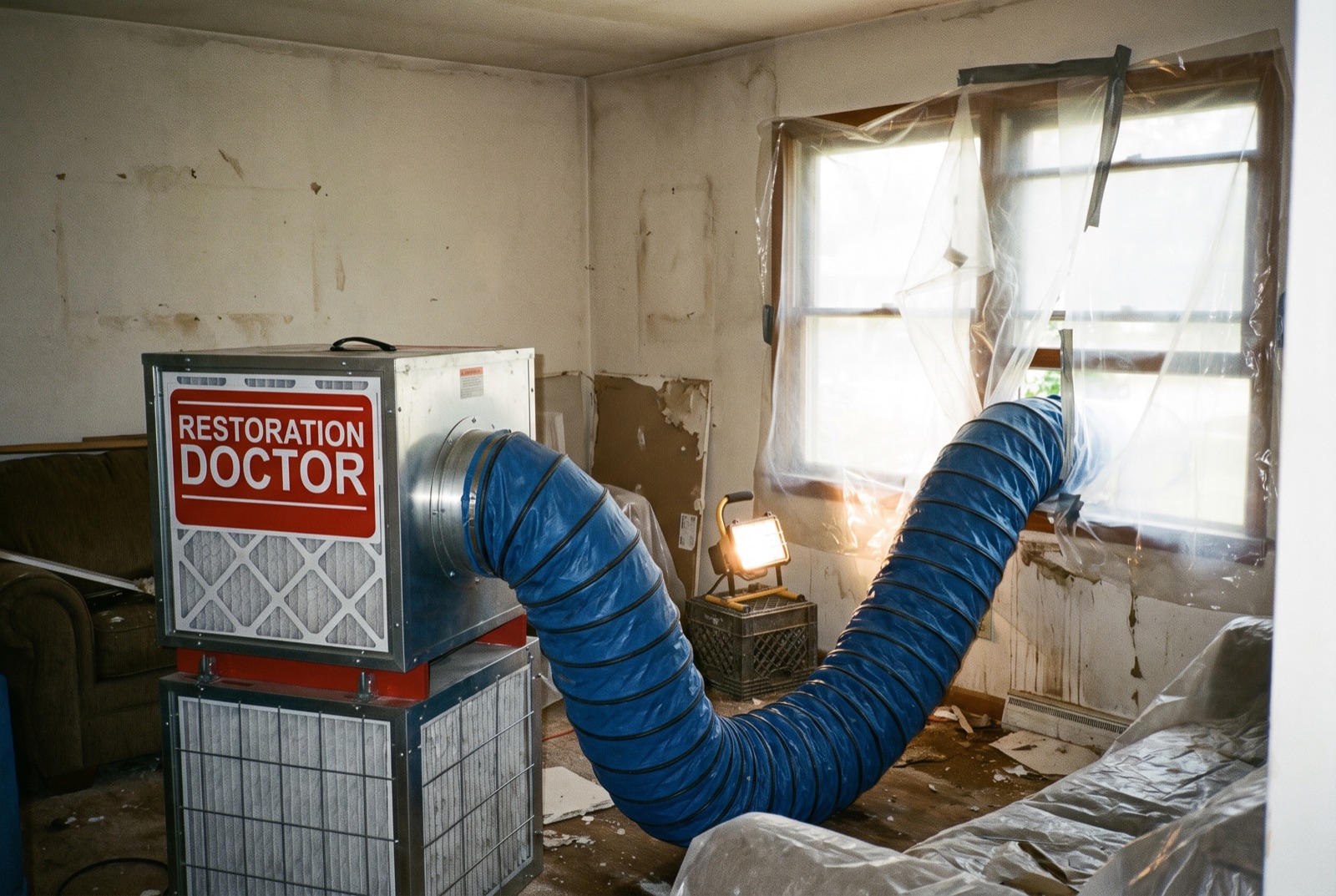
If the growth is small, on a hard non-porous surface (tile, glass, sealed countertop, metal), and clearly the result of everyday condensation or a minor, already-fixed moisture issue, careful cleaning can be appropriate. Ventilate the area, wear an N95 respirator, gloves, and eye protection, scrub non-porous surfaces, and dry thoroughly. Crucially, fix whatever caused the moisture, or the mold returns.
Even for small jobs, know the limits: porous materials are different. Moldy drywall, ceiling tile, insulation, and carpet pad can't be reliably cleaned because roots penetrate the material — those are removals, not scrub jobs, and removing colonized drywall yourself starts to blur into work that benefits from containment.
When you need a professional
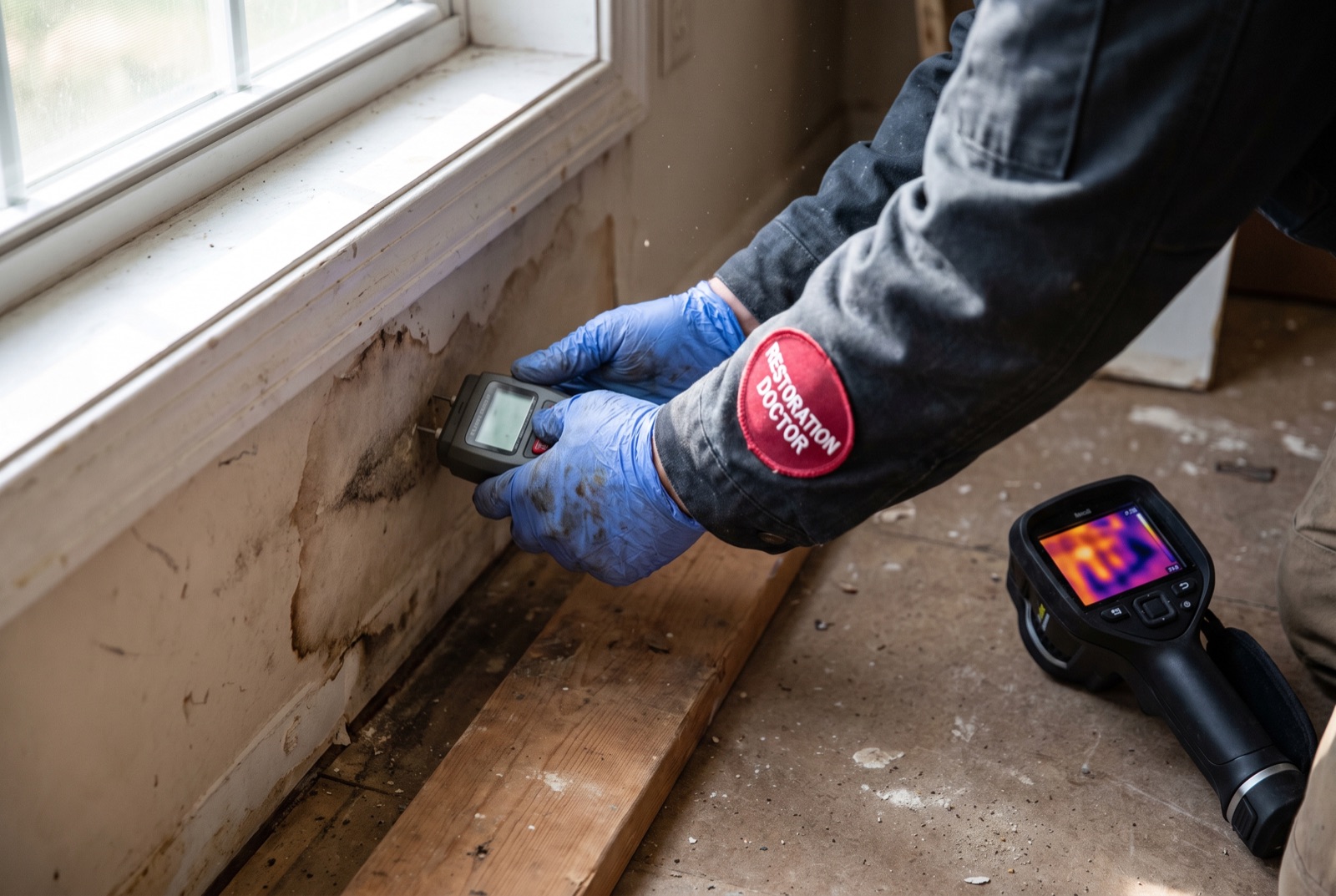
Call a professional when the affected area exceeds about 10 square feet, when mold is in or near HVAC ducts (which can distribute spores building-wide), or when growth followed Category 3 water — sewage backup or outdoor floodwater — which carries contamination beyond the mold itself. Also call if there's extensive hidden growth in wall cavities, if occupants have respiratory conditions or compromised immunity, or if you simply can't identify and stop the moisture source.
Professionals bring what DIY can't: engineered containment, HEPA filtration and negative air, safe removal and disposal of colonized materials, and post-remediation verification under the IICRC S520 standard. They also correct the underlying moisture problem so the mold doesn't simply grow back.
When in doubt, get an assessment
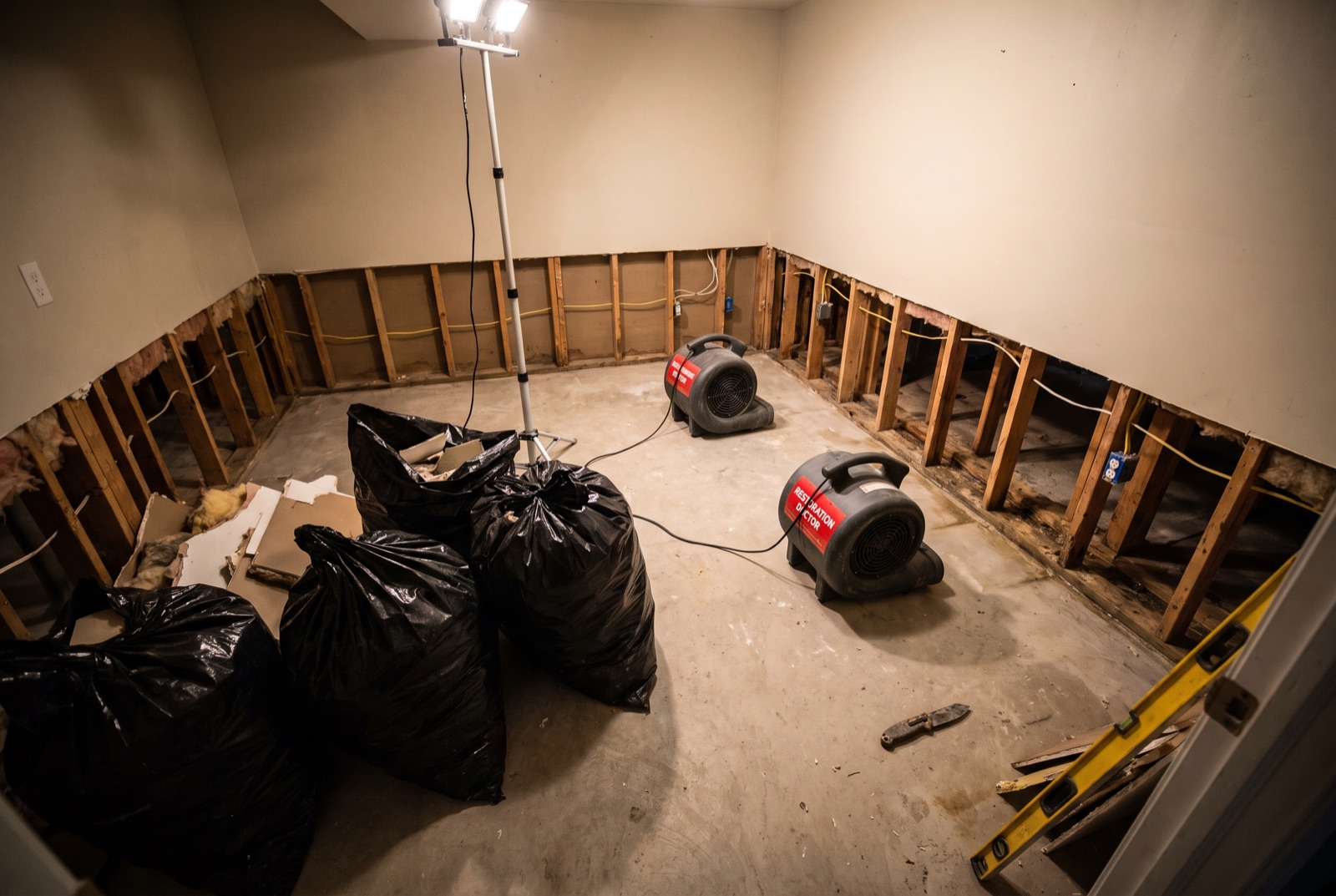
If you're unsure which side of the line you're on — the visible patch is small but there's a musty smell suggesting more, or you're not certain the source is fixed — a professional assessment is worth it before you start scrubbing. Disturbing a larger-than-expected colony without containment can spread the problem.
Restoration Doctor assesses and remediates mold across Northern Virginia, Maryland, and D.C., and will tell you honestly when a job is small enough to handle yourself. Call 1-888-29-FLOOD if you'd like an area evaluated before deciding.
Mold Remediation
IICRC S520 containment, HEPA filtration, safe removal, and post-remediation clearance verification.
Frequently asked
Active water, mold, fire, or sewage event?
Connect directly with the Restoration Doctor team for your region. Crews are on standby 24/7 with documented response protocols.