
Is it safe to stay in a house with mold?
It depends on how much mold is present and on the health of the people living there. A small, contained patch is usually manageable while you address it. Extensive growth, mold in the HVAC system, or occupants with asthma, allergies, or weakened immunity may warrant staying elsewhere until remediation is complete.
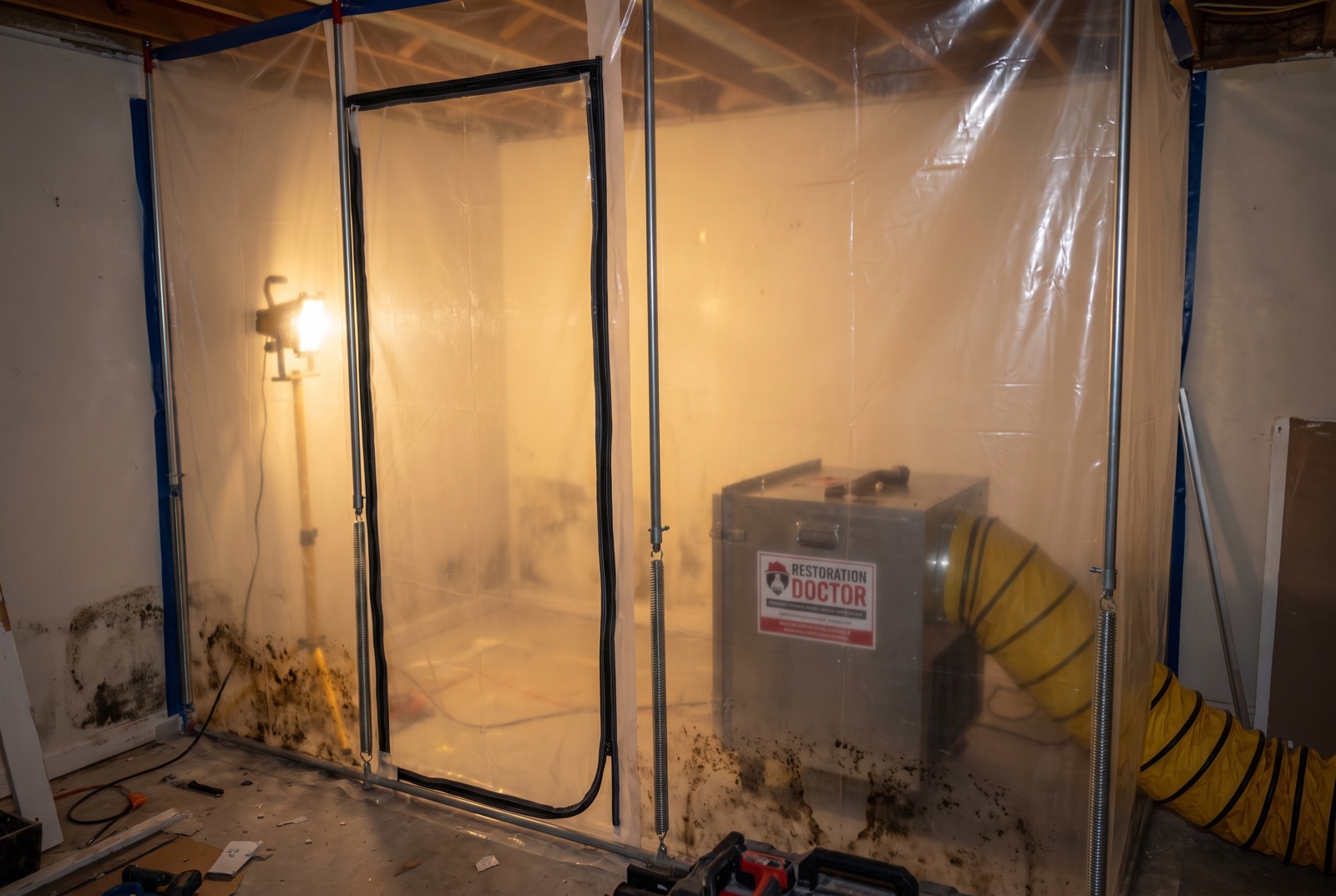
Two factors: extent and sensitivity
Whether it's safe to stay comes down to two variables. The first is the extent of the growth — a small area of surface mold in one bathroom is a very different situation from widespread colonization across multiple rooms or mold circulating through ductwork. The second is who lives in the home.
Health responses to mold vary significantly from person to person. Many people tolerate limited exposure with little effect, while others — particularly those with asthma, allergies, chronic respiratory conditions, or compromised immune systems, along with infants and older adults — can react more strongly. Because reactions differ, any decision about occupancy should weigh the specific people involved, and anyone with symptoms should consult a medical professional.
When staying is usually reasonable
For a small, isolated area of mold that is contained and being addressed promptly, most households can remain in the home. Keeping the area sealed off, avoiding disturbing the growth, running air filtration, and moving quickly to remediate all reduce exposure in the meantime.
The key is not to make it worse. Don't sand, scrub, or demolish moldy materials in an occupied home without containment — disturbing a colony sends spores through the living space. If the growth is small enough that it can be cleaned or removed cleanly and the moisture source is fixed, staying put while that happens is typically fine.
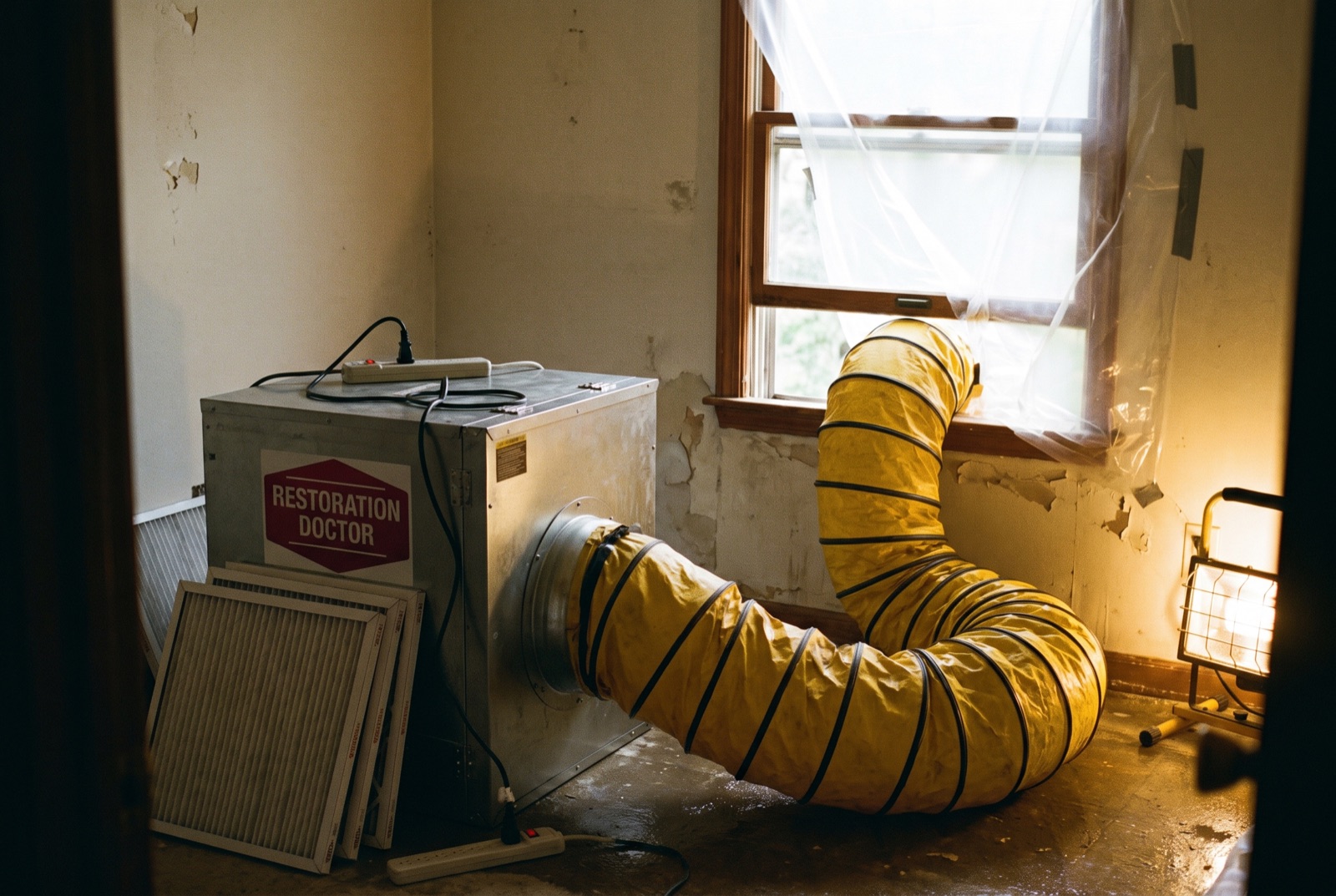
When to consider relocating
Consider staying elsewhere when growth is extensive, when mold has entered the HVAC system and is being distributed building-wide, when the source was Category 3 water such as sewage backup, or when occupants are symptomatic or medically vulnerable. Active remediation of a large area — with demolition and airflow — can also temporarily raise airborne spore levels, and professionals may recommend occupants step out during the disruptive phases even if the home was livable before.
This isn't about alarm; it's about matching the response to the situation. A brief relocation during major remediation is a reasonable precaution, not a sign of catastrophe, and a professional can tell you which category your home falls into.
Get an honest assessment
If you're unsure whether it's safe to stay, the fastest way to a clear answer is a professional evaluation of the extent and location of the growth. That assessment — combined with an honest look at the health of your household — should drive the decision, rather than either panic or wishful thinking.
Restoration Doctor assesses and remediates mold across Northern Virginia, Maryland, and D.C., and will give you a straight read on scope and precautions. Call 1-888-29-FLOOD to have your situation evaluated.
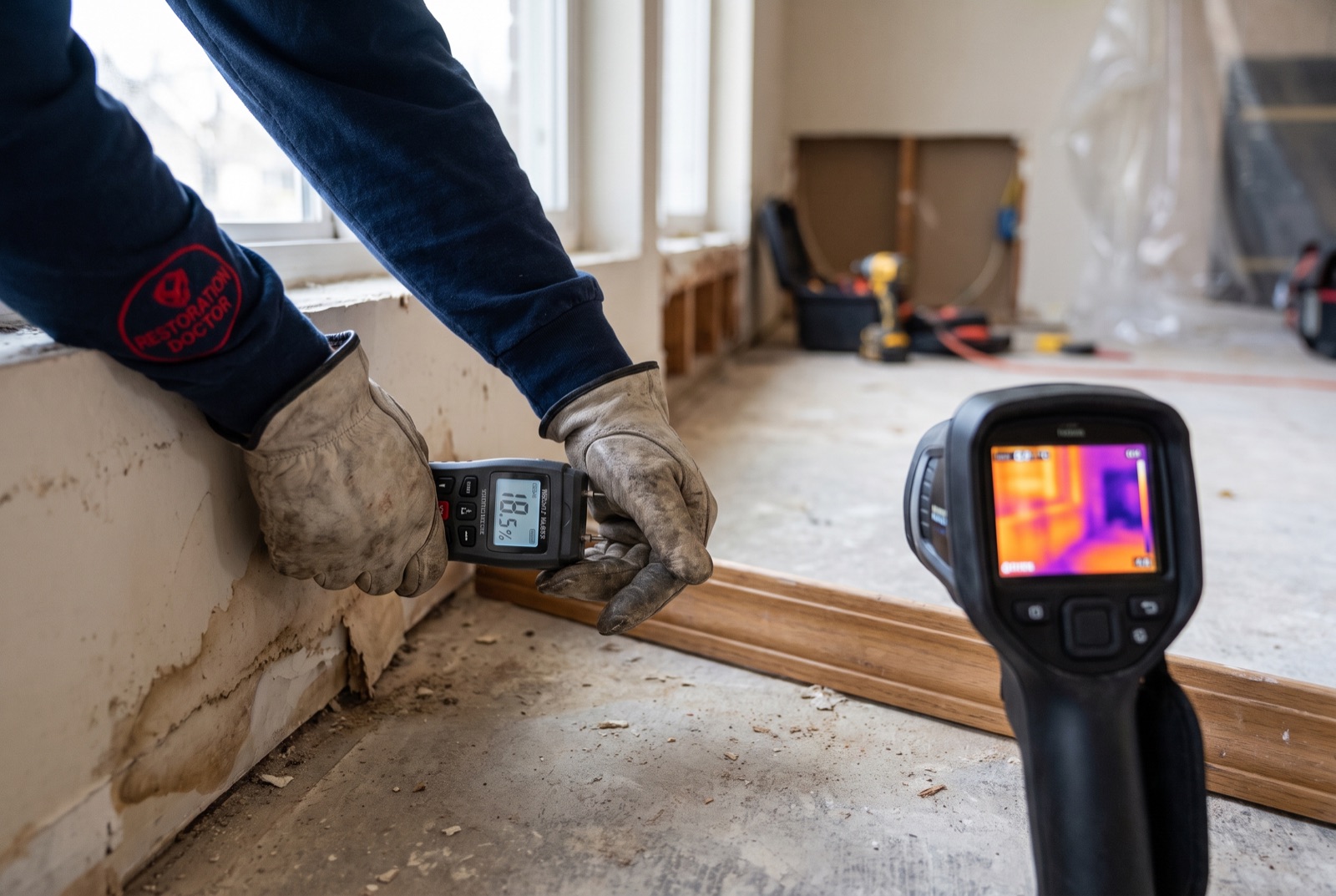
Mold Remediation
IICRC S520 containment, HEPA filtration, safe removal, and post-remediation clearance verification.
Frequently asked
Related questions
What are the symptoms of mold exposure in your house?
What happens if mold is left untreated?
How do I know if mold is growing behind my walls?
Can I remove mold myself or do I need a professional?
Active water, mold, fire, or sewage event?
Connect directly with the Restoration Doctor team for your region. Crews are on standby 24/7 with documented response protocols.