
What happens if mold is left untreated?
Left untreated, mold spreads. Colonies expand through wall cavities and can enter HVAC systems that distribute spores building-wide. It progressively degrades the materials it grows on, worsens indoor air quality, and turns what could have been a contained remediation into a larger — and costlier — structural and reconstruction problem.
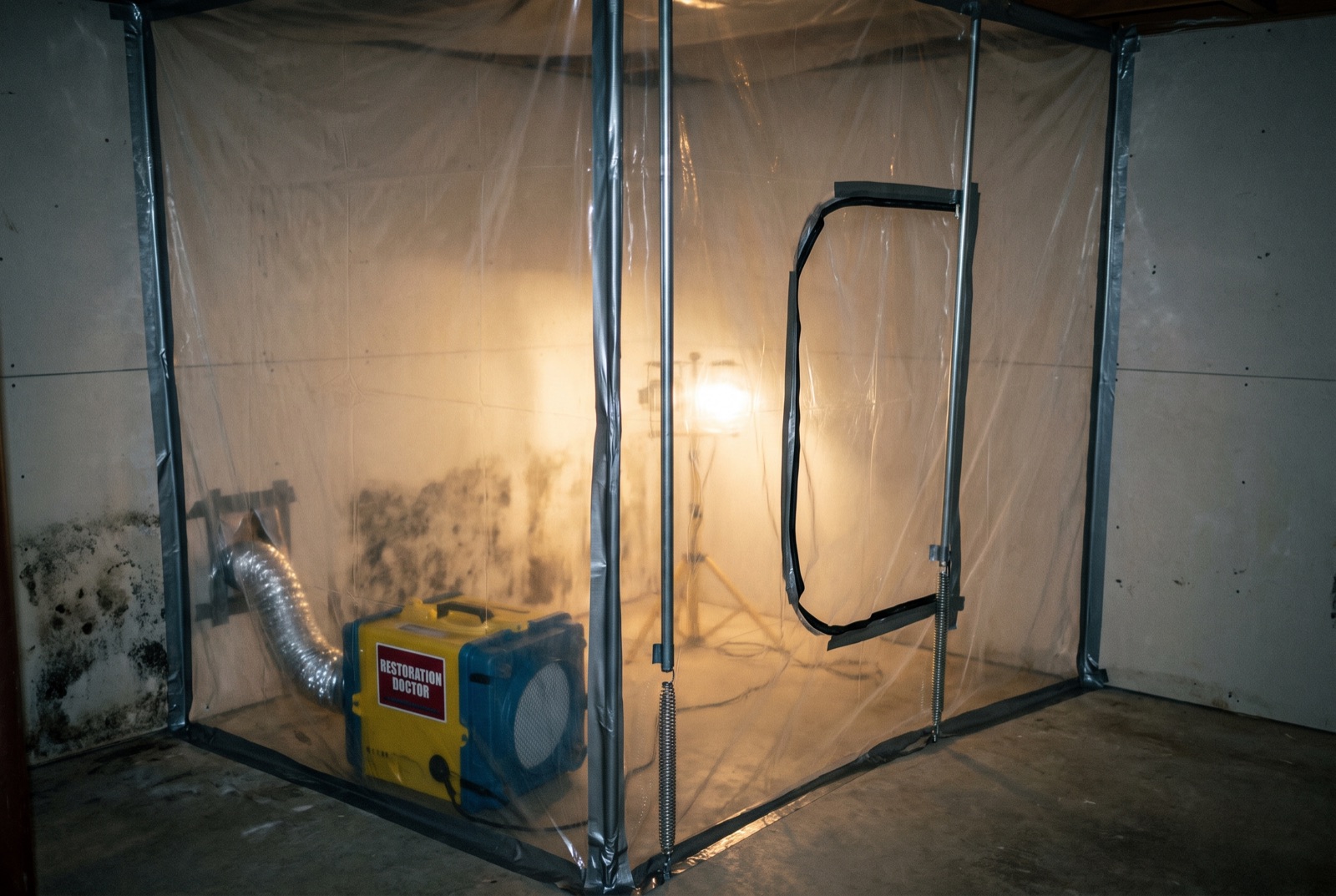
It spreads — often out of sight
Mold doesn't hold still. Given continued moisture, colonies expand outward and, critically, travel through the paths of least resistance — wall cavities, under flooring, and into ductwork. A patch that started in one spot can, over weeks and months, extend across framing and into adjacent rooms without ever becoming visible on the finished surfaces.
The HVAC system is the multiplier. If mold reaches ducts or the air handler, the system can distribute spores throughout the entire house every time it runs, seeding new growth wherever there's enough moisture and turning a localized issue into a whole-home one.
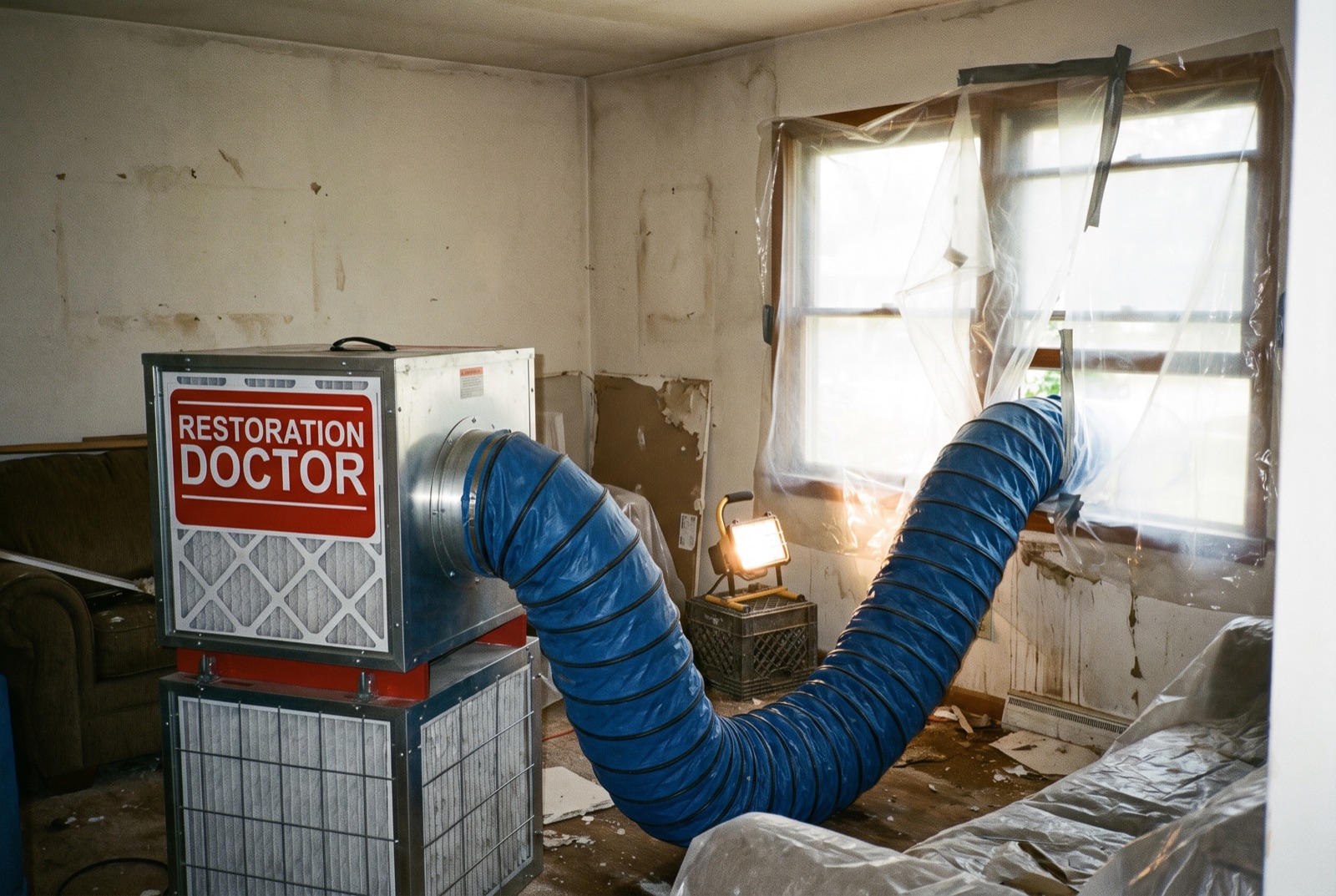
It eats your building materials
Mold survives by digesting what it grows on. Over time that means real structural degradation: drywall softens and deteriorates, wood framing and subfloor can weaken, insulation loses effectiveness, and finishes are ruined. What might have been a matter of removing a small section of drywall early becomes replacing framing, flooring, and larger wall areas later.
This is the core economic argument for acting early. Untreated mold converts a bounded remediation into remediation plus significant reconstruction. The longer it runs, the more material it claims and the higher the eventual cost.
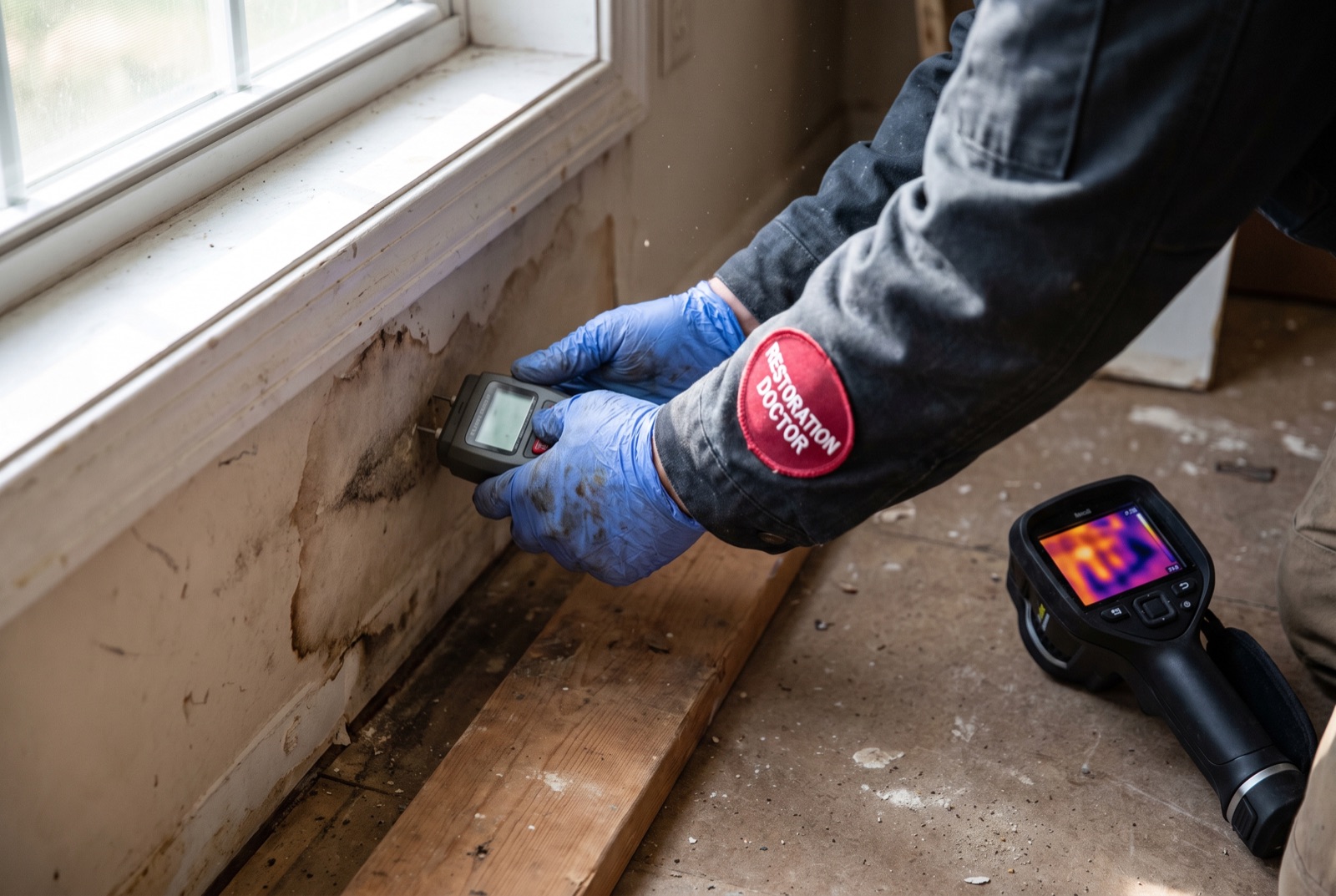
It degrades indoor air over time
As colonies grow and mature, they release more spores and byproducts into the indoor air. For occupants — especially those with asthma, allergies, or respiratory conditions — sustained exposure in the home can be an ongoing irritant. Health responses vary from person to person, and anyone with symptoms should consult a medical professional, but the general direction with untreated growth is worse air, not better.
The persistent musty odor that comes with established mold is itself a quality-of-life issue, and it tends to intensify as the problem grows rather than fading on its own.
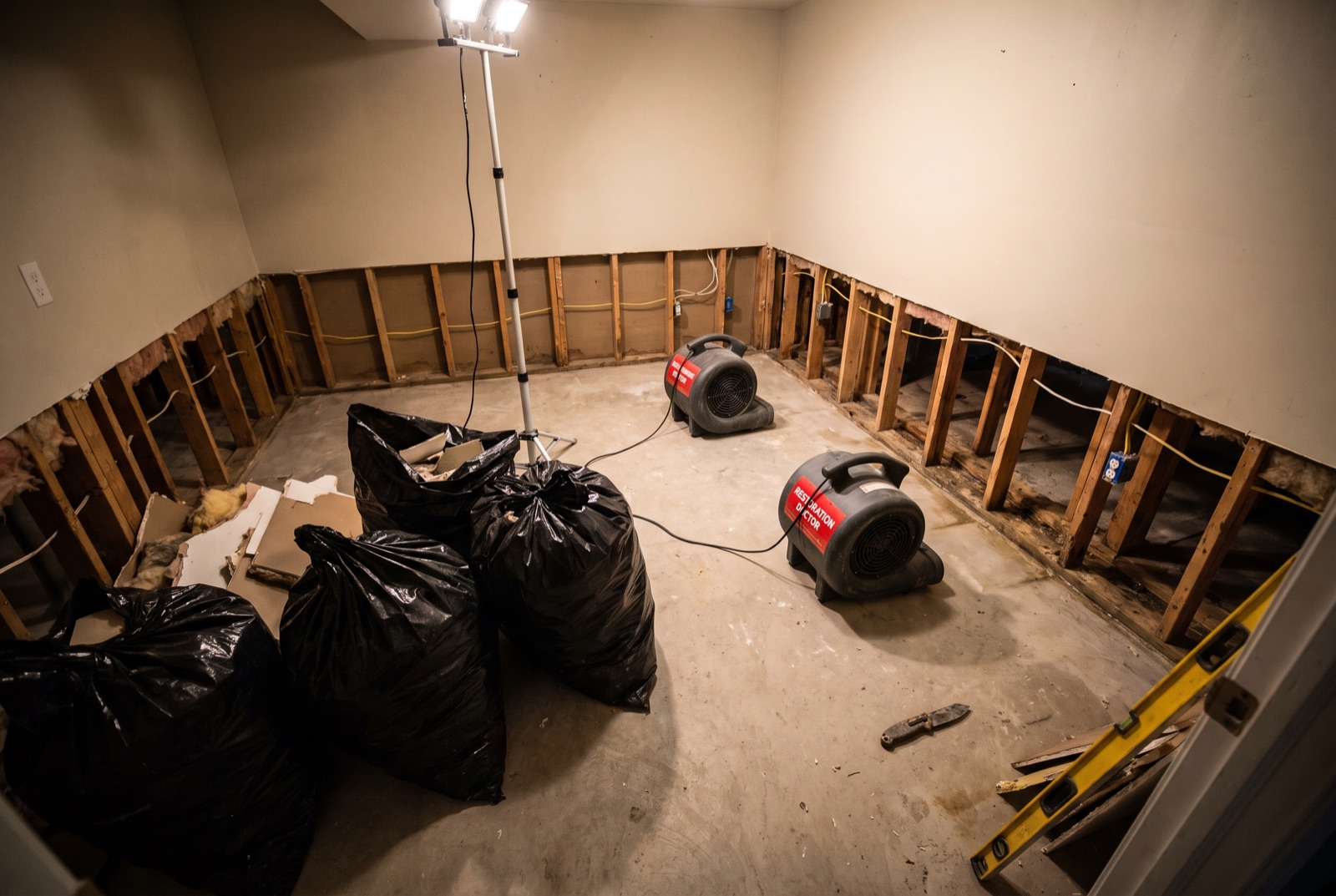
Early action is dramatically cheaper
The throughline is simple: mold problems don't stabilize when ignored — they compound. Addressing growth while it's contained, and fixing the moisture that feeds it, is far less disruptive and less expensive than dealing with spread, structural damage, and HVAC contamination down the road.
Restoration Doctor remediates mold and corrects the underlying moisture across Northern Virginia, Maryland, and D.C., under the IICRC S520 standard, before a contained problem becomes a structural one. If you've found mold or suspect hidden growth, call 1-888-29-FLOOD rather than waiting.
Mold Remediation
IICRC S520 containment, HEPA filtration, safe removal, and post-remediation clearance verification.
Frequently asked
Related questions
How fast does mold grow after water damage?
How do I know if mold is growing behind my walls?
Is it safe to stay in a house with mold?
How much does mold remediation cost?
Active water, mold, fire, or sewage event?
Connect directly with the Restoration Doctor team for your region. Crews are on standby 24/7 with documented response protocols.