
What are the symptoms of mold exposure in your house?
Symptoms people commonly associate with indoor mold include nasal congestion, coughing, sneezing, eye and throat irritation, headaches, and worsening asthma. A telling pattern is symptoms that ease when you're away from home and return when you come back. Responses vary widely, so consult a medical professional about any health concerns.
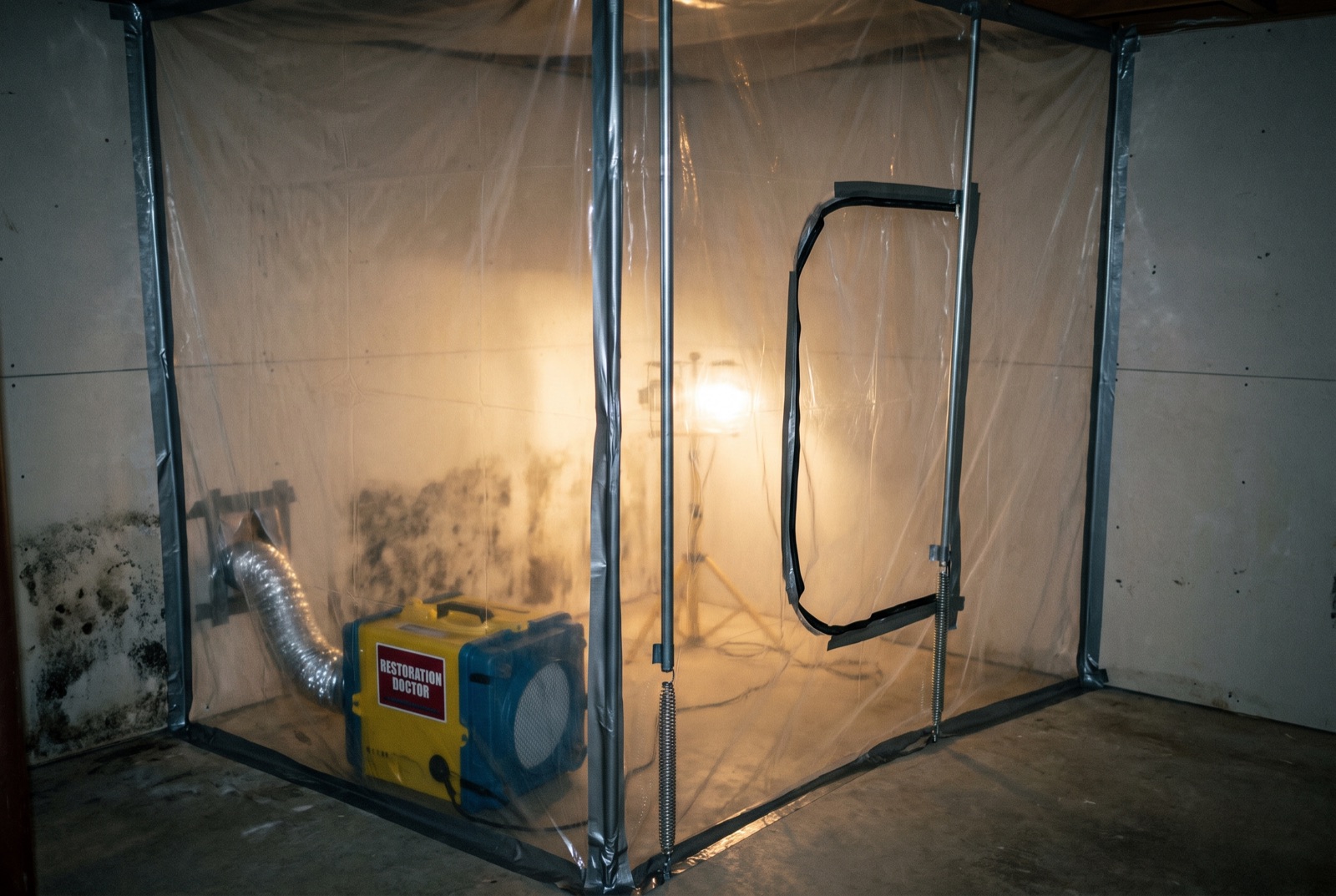
Commonly reported symptoms
The effects people most often link to indoor mold are respiratory and allergy-like: nasal and sinus congestion, runny nose, sneezing, coughing, wheezing, and throat irritation. Eye symptoms — itchy, red, or watery eyes — are common, as are headaches and a general sense of fatigue or feeling unwell indoors.
For people with asthma, mold can act as a trigger, and existing allergies may flare. It's worth emphasizing that these symptoms are non-specific — they overlap with colds, seasonal allergies, and other causes — so they point toward investigating the home, not toward a definitive diagnosis.
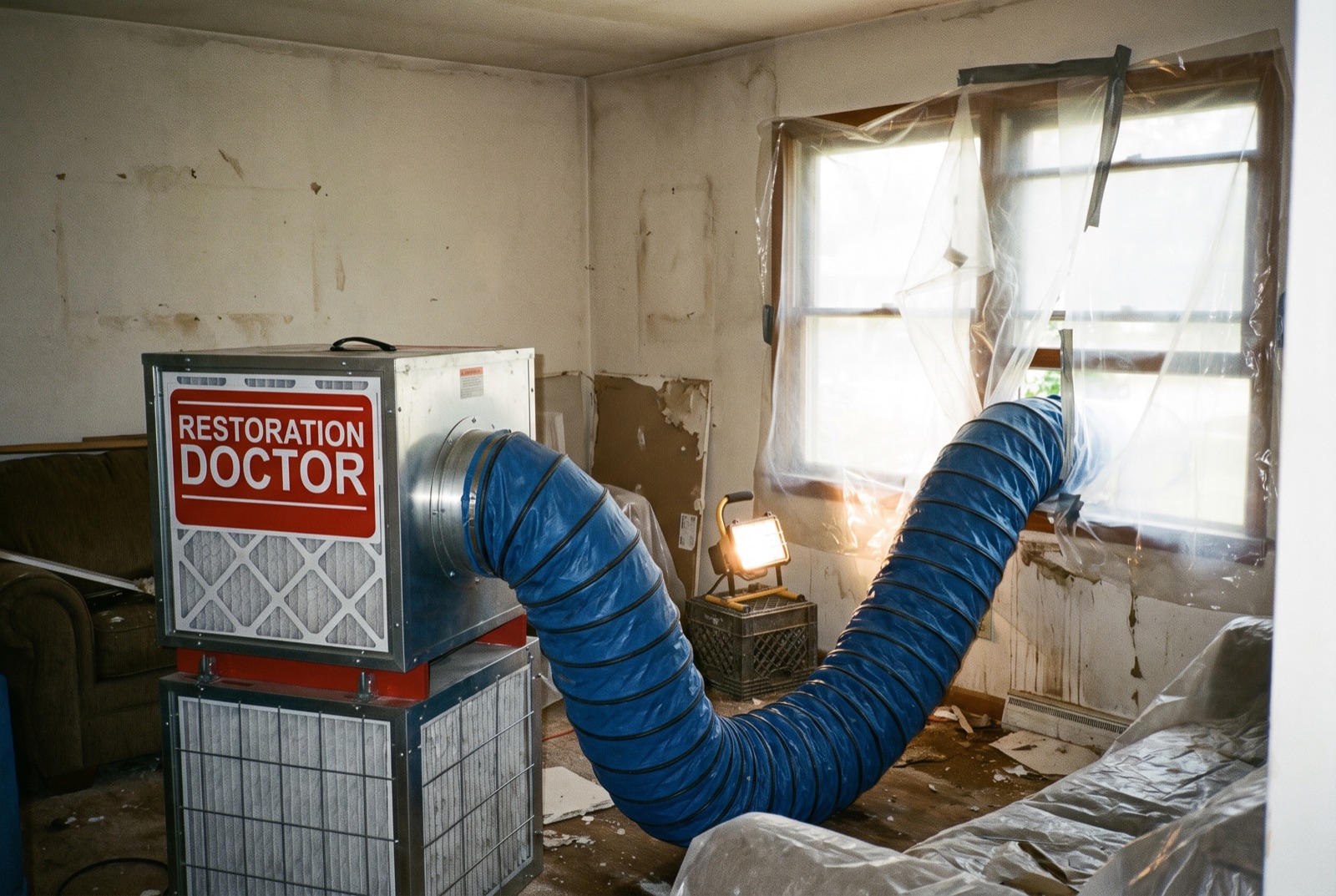
The location pattern that points home
The most useful clue isn't any single symptom but the pattern. When symptoms consistently improve after you leave the house — at work, on a trip, staying elsewhere — and return when you come home, that connection suggests something in the indoor environment, and mold is a leading suspect where there's dampness or a history of leaks.
Pay attention to which rooms make it worse, and whether flare-ups track with humid weather or a known moisture problem. That said, correlation isn't proof; the pattern is a reason to look for a source and to talk to a medical professional, not a conclusion on its own.
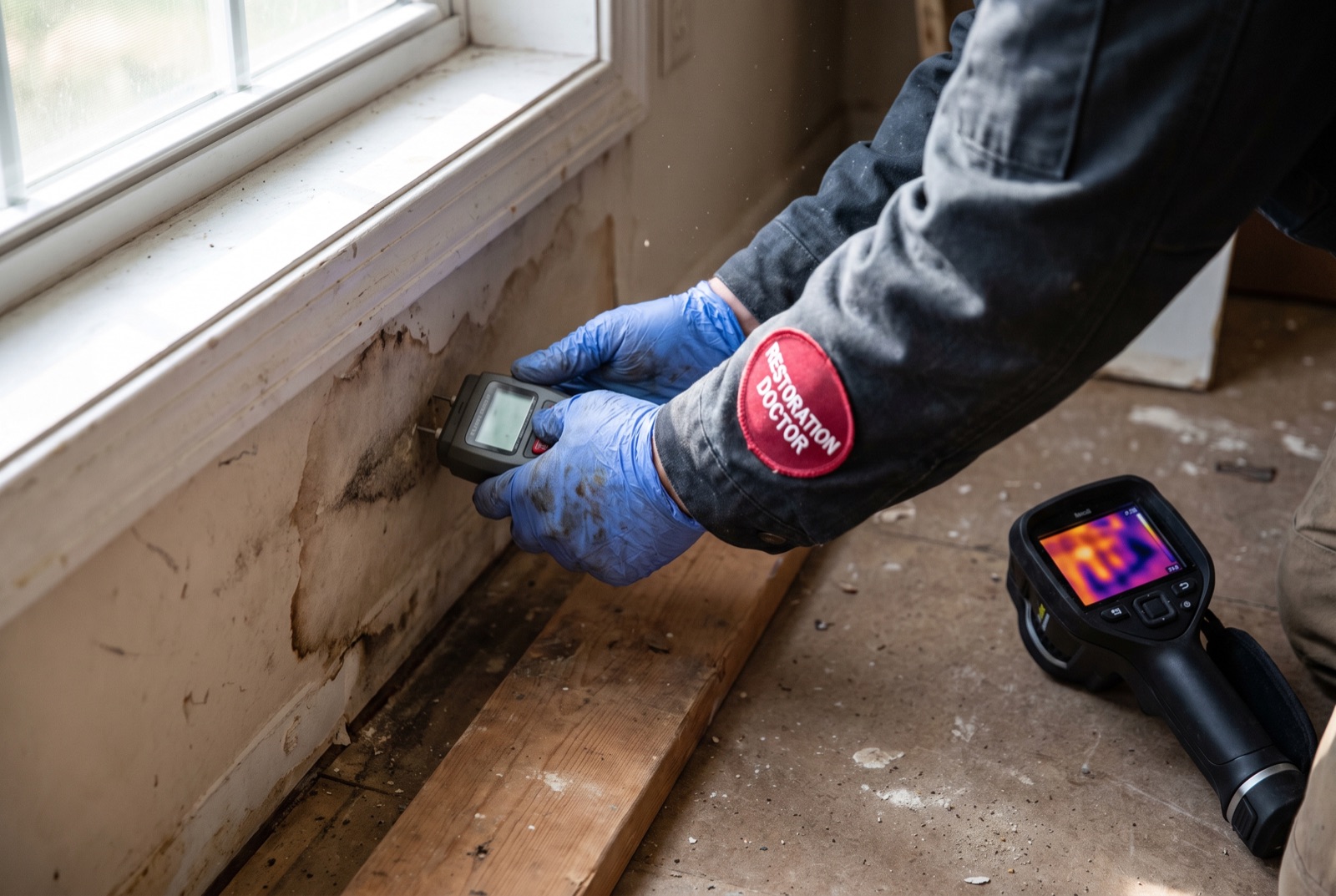
Sensitivity varies from person to person
Reactions to mold differ dramatically between individuals. Many people notice little; others react strongly. Those with asthma, allergies, chronic respiratory conditions, or weakened immune systems — along with infants and older adults — tend to be more sensitive, and may experience symptoms where others in the same home don't.
Because of this variability, we're careful not to promise that removing mold will resolve specific symptoms — health is individual, and symptoms can have many causes. What professionals can do is find and remove the mold and fix the moisture. For the health questions themselves, a medical professional is the right resource.
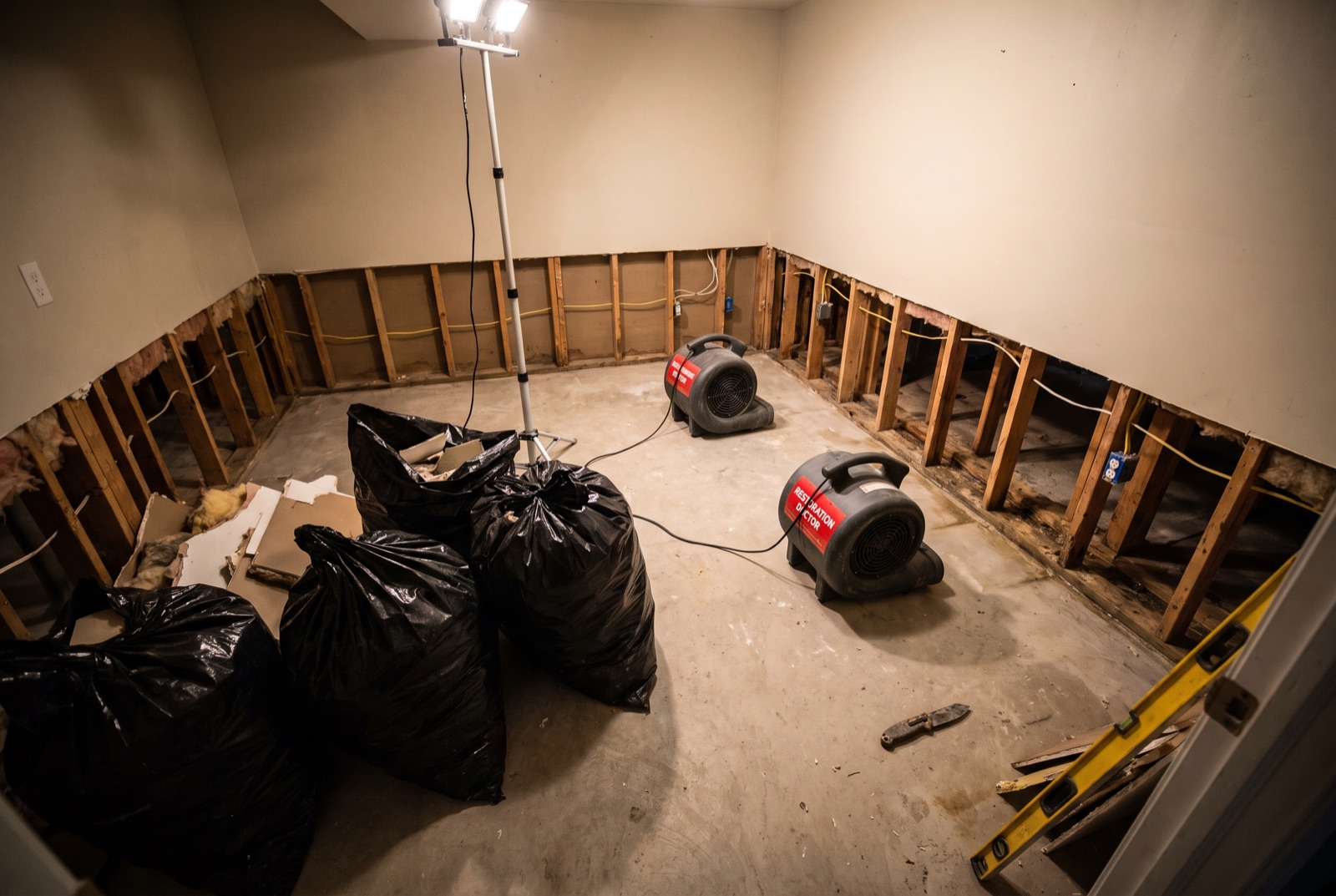
Connect the symptoms to the source
If your household is experiencing these symptoms and you have dampness, a musty odor, or a past water event, it's worth investigating whether mold is present. Addressing the source — locating hidden growth, removing it, and correcting the moisture — removes the environmental variable, while a medical professional addresses the symptoms.
Restoration Doctor performs moisture mapping and mold inspection across Northern Virginia, Maryland, and D.C. to determine whether growth is present in your home. Call 1-888-29-FLOOD to have the environment assessed while you consult your doctor about the health side.
Mold Remediation
IICRC S520 containment, HEPA filtration, safe removal, and post-remediation clearance verification.
Frequently asked
Related questions
Is it safe to stay in a house with mold?
How do I know if mold is growing behind my walls?
What does black mold look like?
What happens if mold is left untreated?
Active water, mold, fire, or sewage event?
Connect directly with the Restoration Doctor team for your region. Crews are on standby 24/7 with documented response protocols.