
What does black mold look like?
The mold people call "black mold" usually appears as dark greenish-black patches with a slimy, wet, or sooty texture, growing in chronically damp spots. But color can't reliably identify a species — many molds look dark, and Stachybotrys is just one of many. Any indoor mold is remediated the same way regardless of color.
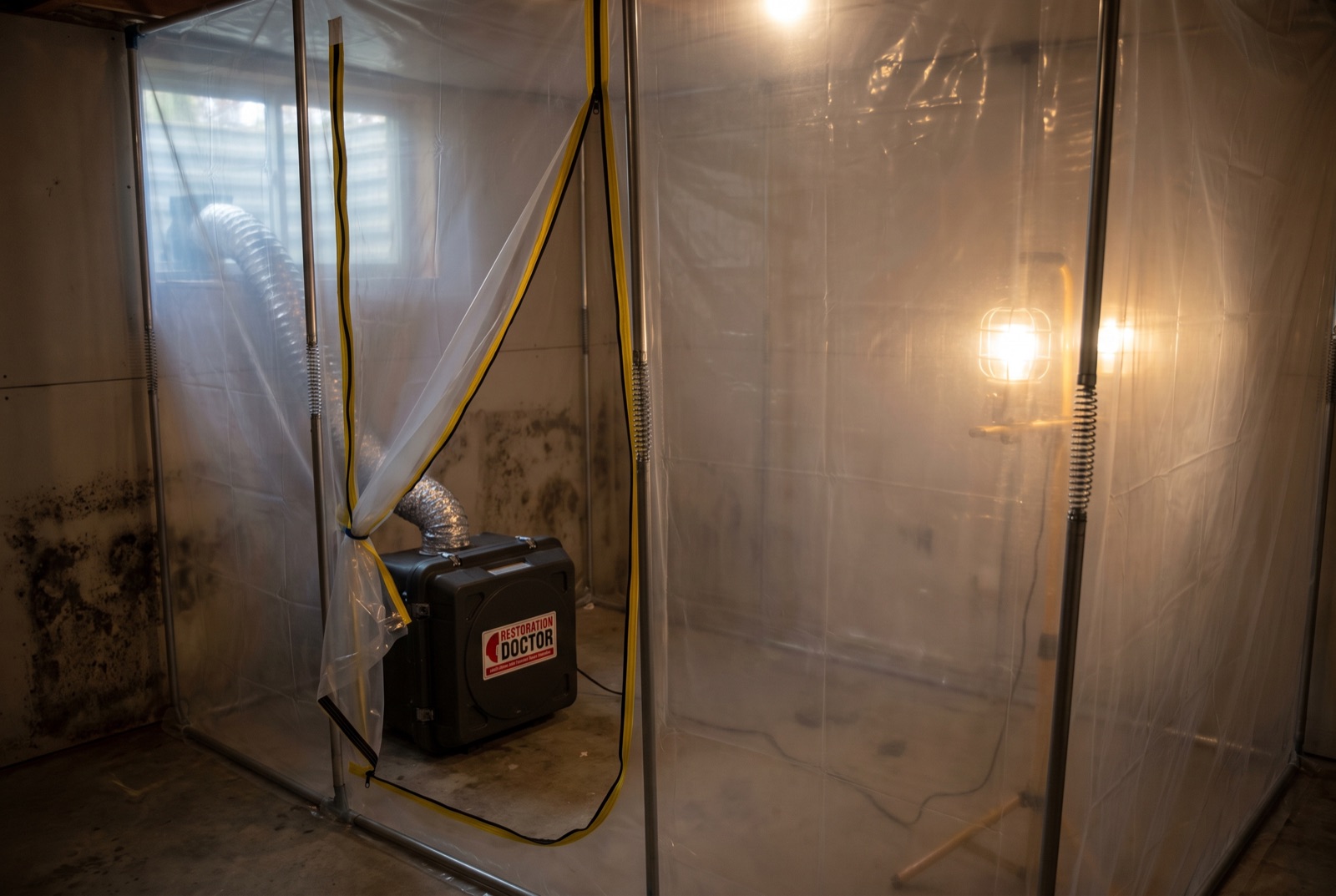
What it typically looks like
The growth commonly labeled black mold — often Stachybotrys chartarum — tends to appear as dark green to black patches that can look slimy or wet when actively growing and more sooty or powdery when dry. It favors materials that stay damp for extended periods: the paper on drywall, wood, ceiling tiles, and areas around chronic leaks.
It usually shows up where moisture has lingered long-term rather than after a single quick spill — think a wall behind a slow plumbing leak, a persistently damp basement corner, or around a roof leak that ran through several rain cycles. Circular or irregular spreading patches are typical.
Why color doesn't identify the species
Here's the important caveat: you cannot identify a mold species by looking at it. Many different molds appear dark green, gray, or black, and Stachybotrys is only one of thousands of mold types. Plenty of harmless-to-most and common household molds share that dark appearance, while Stachybotrys itself can vary depending on conditions.
The popular fixation on "black mold" as a uniquely toxic menace oversimplifies the science. Only laboratory analysis can actually identify a species. More importantly, from a remediation standpoint the species doesn't change what you do — which is why reputable professionals don't build their response around identifying "black mold" specifically.
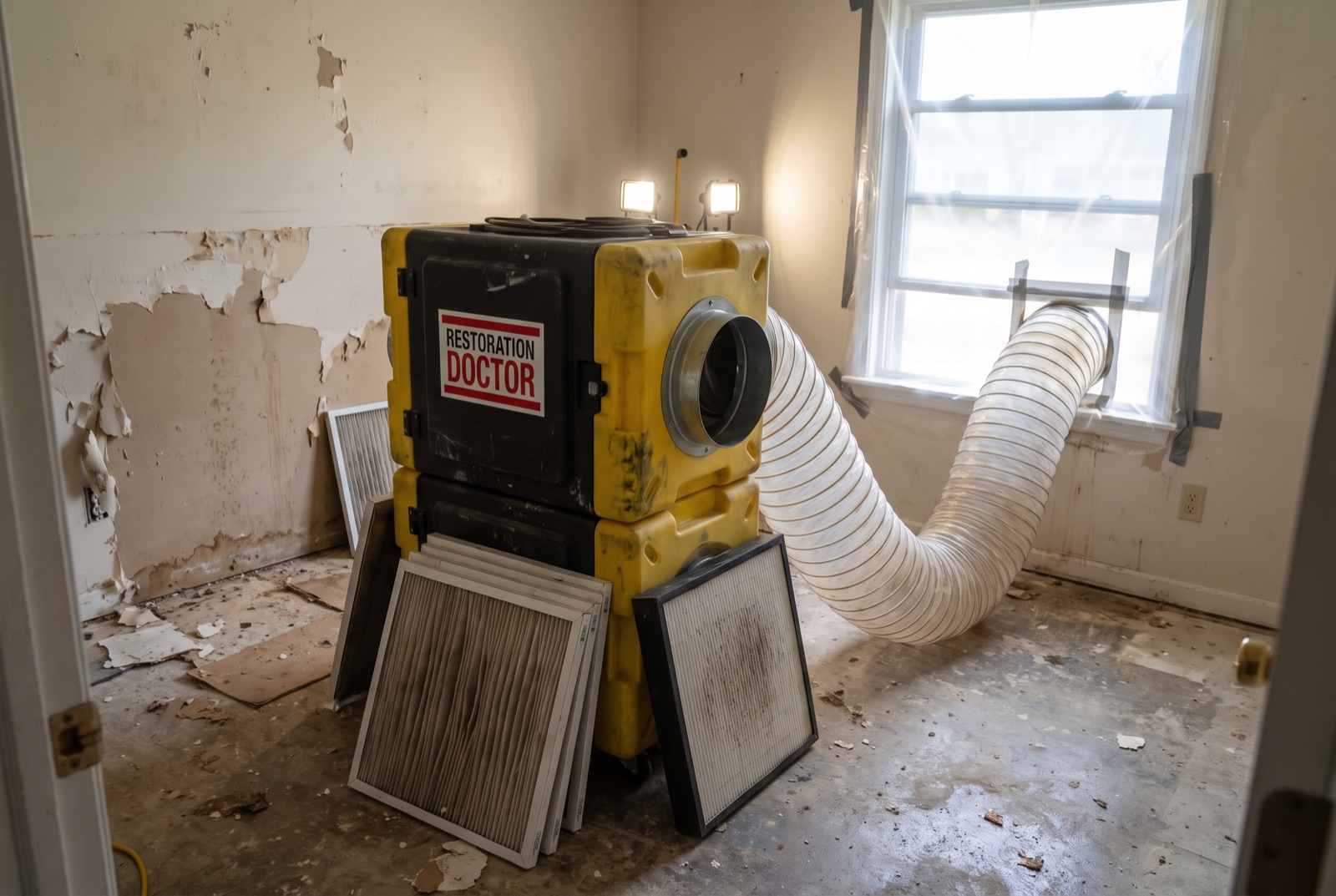
All mold is treated the same way
This is the practical bottom line: any significant indoor mold growth, whatever its color or species, is handled the same way under the IICRC S520 standard. Contain the area, filter the air with HEPA equipment, physically remove colonized porous materials, clean salvageable surfaces, and correct the moisture source. There is no special "black mold" procedure that differs from good mold remediation generally.
Health responses to mold vary from person to person regardless of type, so the goal is always to remove the growth and fix the moisture — not to test which species you have before acting. Anyone with symptoms they associate with mold should consult a medical professional.
See dark mold? Address it, don't obsess over the label
If you find dark, spreading growth in a damp area, the productive response is to stop treating it as a puzzle about species and start treating it as mold that needs removal and a moisture problem that needs fixing. Don't disturb it by scrubbing or demolishing without containment, which spreads spores.
Restoration Doctor remediates mold of every type across Northern Virginia, Maryland, and D.C., focusing on safe removal and source correction rather than the color on the wall. Call 1-888-29-FLOOD if you've found growth you want assessed.
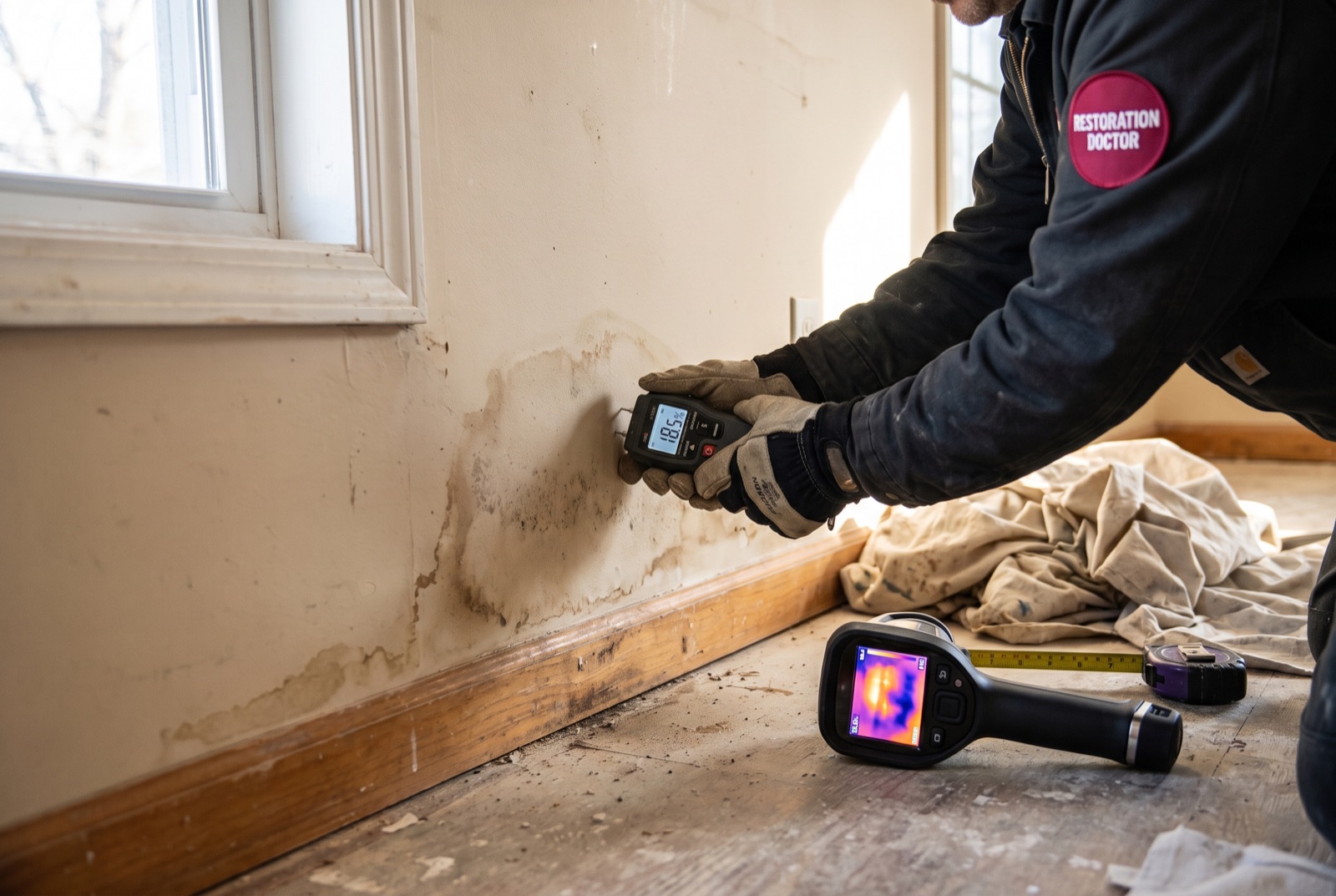
Mold Remediation
IICRC S520 containment, HEPA filtration, safe removal, and post-remediation clearance verification.
Frequently asked
Related questions
What are the symptoms of mold exposure in your house?
Should I test for mold after water damage?
How do I know if mold is growing behind my walls?
Will mold go away if I dry it out?
Active water, mold, fire, or sewage event?
Connect directly with the Restoration Doctor team for your region. Crews are on standby 24/7 with documented response protocols.