How do I avoid storm chaser contractor scams?
Decline door-to-door solicitations after storms, never sign an assignment of benefits or contract under pressure, and refuse large upfront deposits. Verify any contractor's state licensing, insurance certificates, physical local address, and reviews before signing — legitimate local firms don't need your signature in the driveway the day after a storm.
Know the pattern: how storm chasers operate
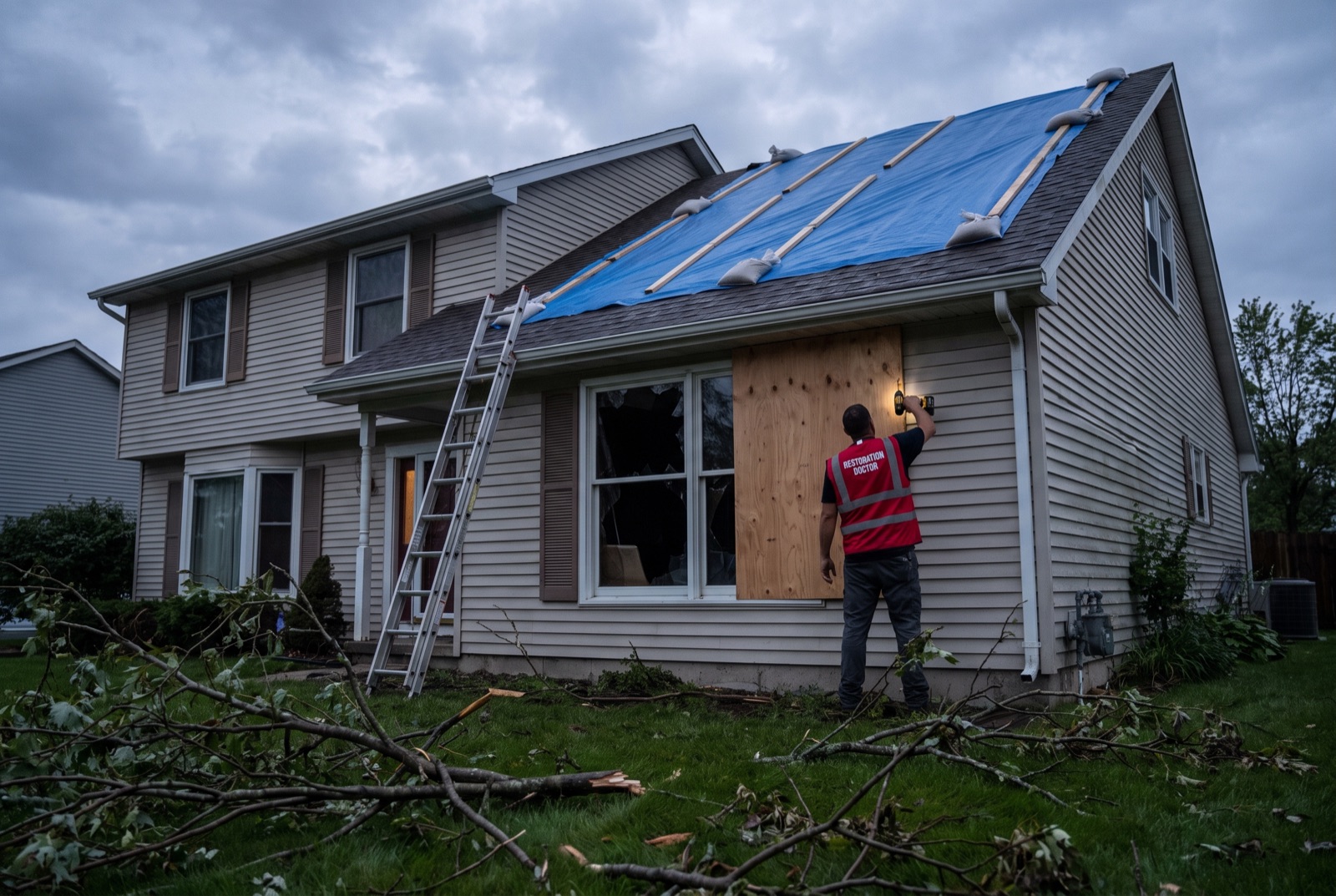
Within days of any widely publicized storm, crews from outside the region canvass affected neighborhoods. The playbook is consistent: a knock on the door, a free roof inspection, an urgent finding ("you've got major damage — half the neighborhood does"), and a push to sign something on the spot so they can "get you on the schedule" or "handle the insurance for you." The pressure is the tell. Storm damage is real and time-sensitive, but no legitimate assessment requires a same-day signature at your door.
The harm ranges from shoddy to devastating. At the mild end: overpriced, poorly executed repairs by a crew that's three states away when the roof leaks next spring, with no local presence to honor a warranty. At the severe end: homeowners who paid large deposits to contractors who never returned, roofs "damaged" during the free inspection to create a claim, and inflated or fraudulent claims filed in the homeowner's name that create real legal exposure for the homeowner.
The assignment of benefits trap
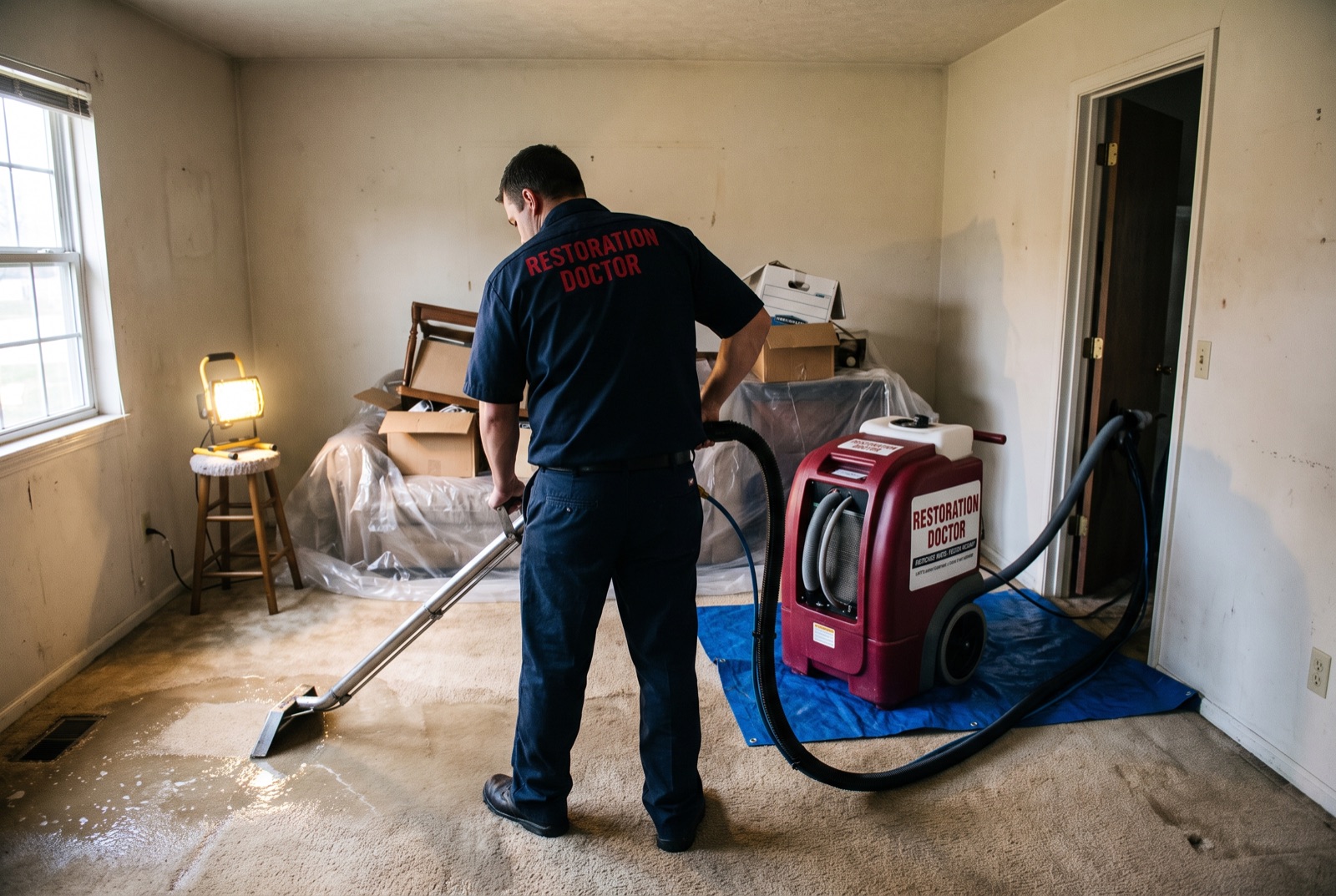
The most consequential document a storm chaser will push is an assignment of benefits (AOB). Signing one transfers your insurance claim rights to the contractor — they deal with your carrier, negotiate the scope, and receive the payments, largely cutting you out of decisions about your own home. In the wrong hands, an AOB becomes a license to inflate the claim, dispute with your carrier for months while your repairs stall, or place a lien on your home when the negotiation goes sideways.
Not every AOB is a scam — the mechanism has legitimate uses — but the combination of door-knock solicitation, urgency, and an AOB in the first conversation is a pattern to walk away from. You never need to assign your claim to get storm repairs. A reputable contractor documents the damage, provides a line-item scope, works with your adjuster as your contractor, and gets paid through the normal claim process while you keep control of your own claim.
The verification checklist for any storm contractor
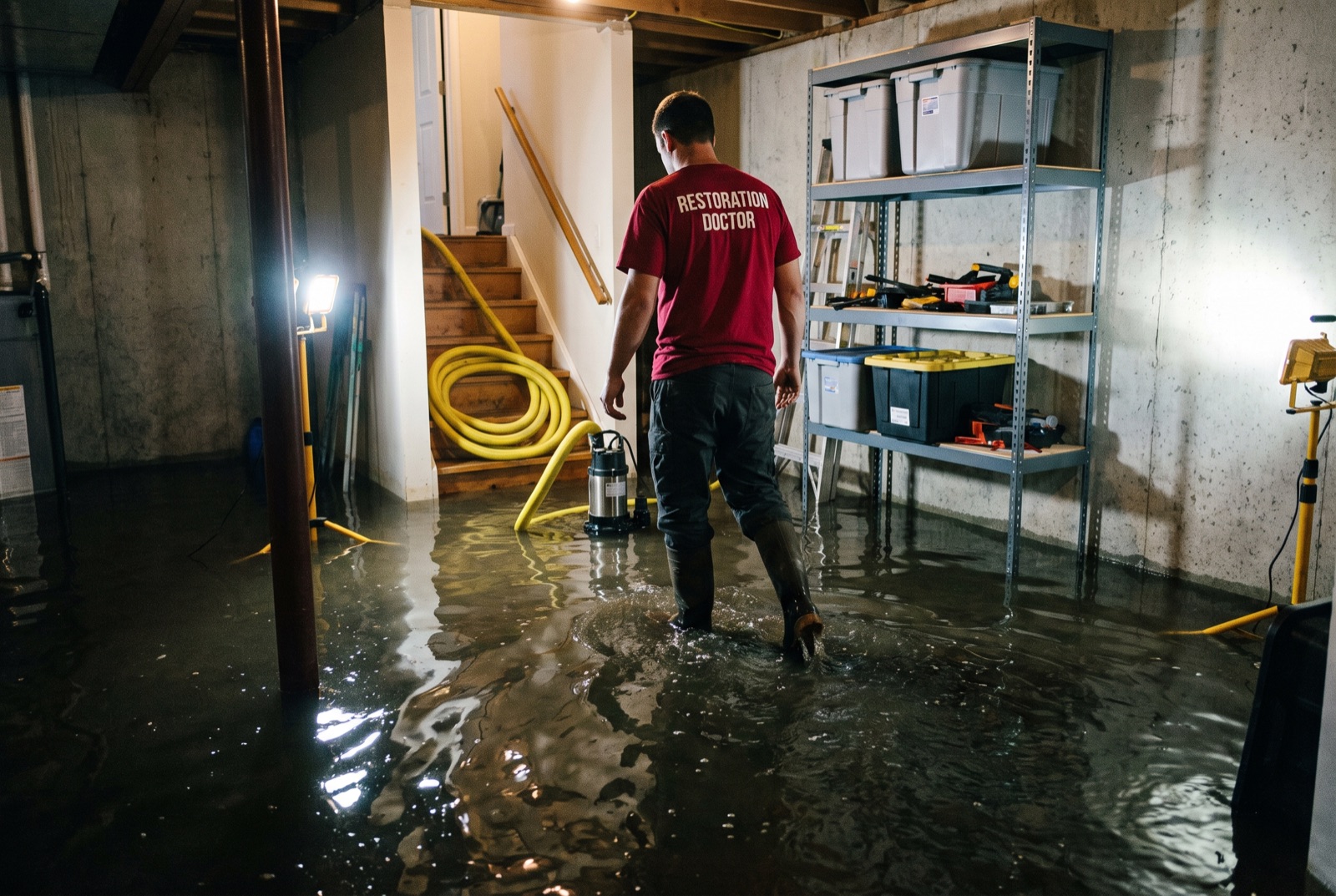
Before signing with anyone, verify five things. Licensing: check the contractor's license directly with your state's licensing board (Virginia DPOR, Maryland MHIC, or DC DCRA), not just a number printed on a card. Insurance: ask for certificates of general liability and workers' compensation, and confirm they're current. Local presence: a verifiable physical address in the region and a track record — storm chasers have P.O. boxes and out-of-state plates. Reviews and references: an established review history over years, not weeks, and local references you can actually call. Paper: a written, itemized scope and contract with clear payment terms.
On payment: modest deposits are normal in construction, but large upfront payments are not — be wary of anyone who needs a substantial share of the job's cost before materials arrive. And treat "we'll waive your deductible" as a firm red flag: it's insurance fraud in most circumstances, and a contractor who's comfortable defrauding your carrier is comfortable defrauding you.
Slow is fast when choosing storm contractors
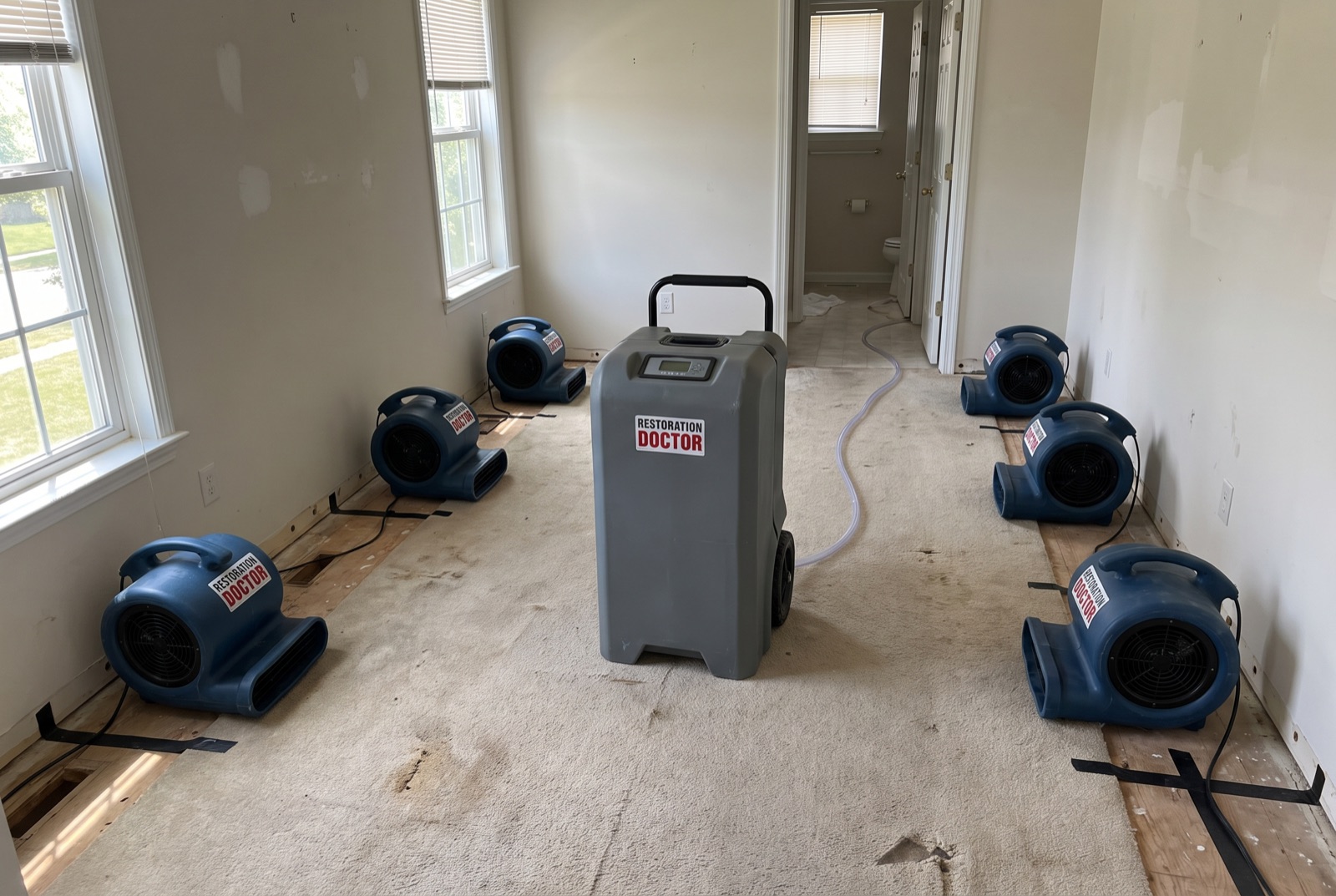
The irony of storm-chaser pressure is that the genuinely urgent work — tarping, board-up, drying — is exactly what established local emergency firms do 24/7, and the permanent repairs the door-knockers want you to sign for are the part where a day of verification costs you nothing. Restoration Doctor is a licensed, locally established restoration firm serving Northern Virginia, Maryland, and D.C., with verifiable credentials and insurance-documented scopes. Call 1-888-29-FLOOD for storm response you can check up on first.
Storm Damage Restoration
Emergency tarping, water extraction, and reconstruction after wind, hail, and heavy-rain storm events.
Frequently asked
Related questions
What should you do after storm damage to your house?
How do I know if my roof has storm damage?
Should I repair storm damage before the insurance adjuster comes?
Active water, mold, fire, or sewage event?
Connect directly with the Restoration Doctor team for your region. Crews are on standby 24/7 with documented response protocols.