
How do I know if my roof has storm damage?
Look from the ground for missing, lifted, or creased shingles, and check gutters and downspouts for piles of shingle granules. Dented vents, flashing, and gutters signal hail. Inside, watch for new ceiling stains or attic dampness. Get a professional, documented inspection before filing — much storm damage isn't visible from the ground.
What you can check safely from the ground
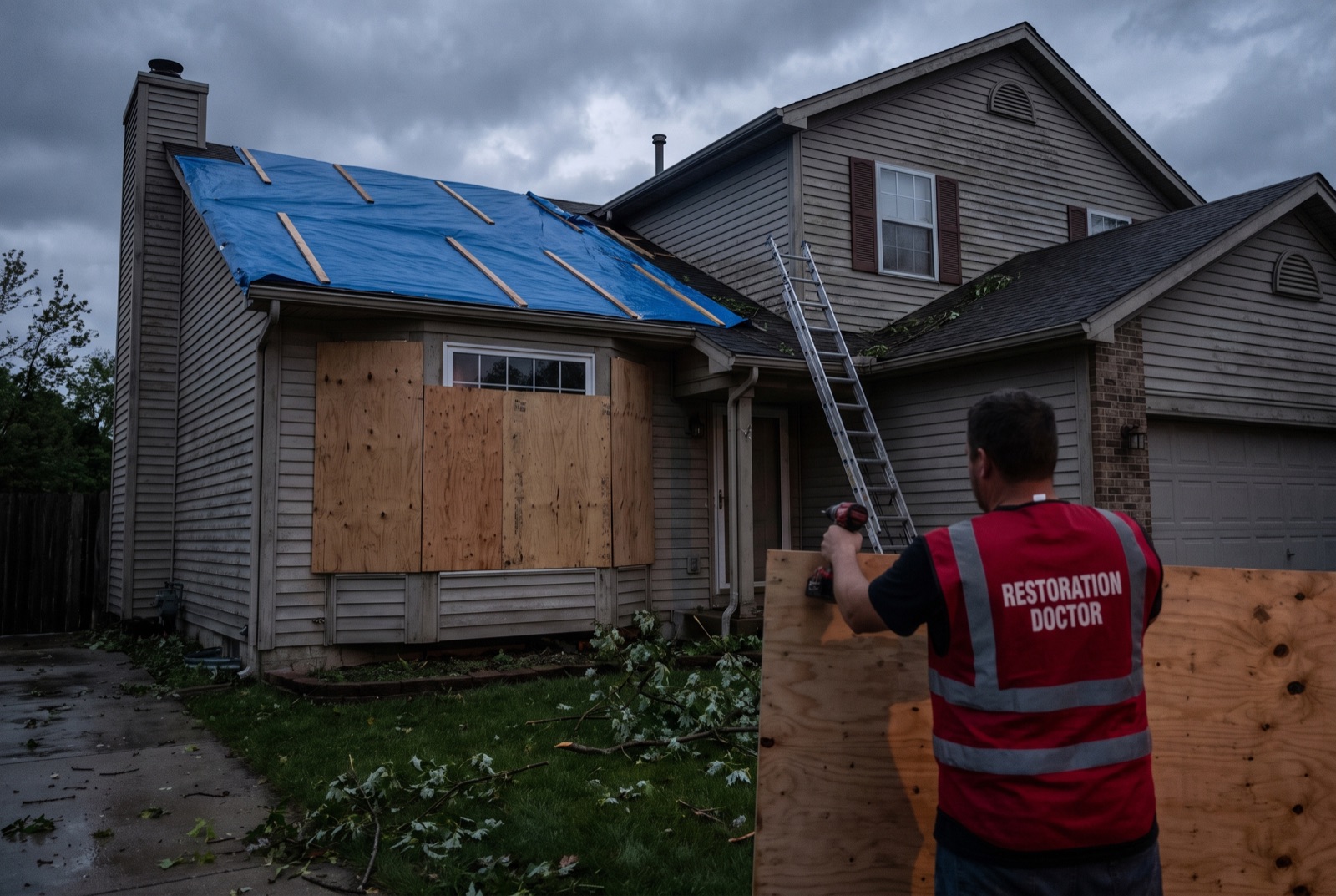
Start with a slow walk around the house — binoculars help, and staying off the roof is both safer and usually sufficient. Wind damage shows as missing shingles (look for exposed dark patches or shingles in the yard), lifted or flapping tabs, and creased shingles — a horizontal line across a tab where wind folded it back, breaking the seal even though the shingle settled back into place. Creasing is easy to miss and one of the most common forms of real wind damage.
Check the metal: gutters, downspouts, roof vents, and flashing take hail impressions that make hail easy to confirm — dents and dings in soft metal are a reliable proxy for what the shingles took. Then look in the gutters and at downspout splash areas for granules. Storms knock the protective mineral surface off asphalt shingles, and piles of granules after a storm mean the roof took a hit; exposed black substrate on shingles means it took a significant one.
Don't forget the rest of the envelope: siding dents and cracks, window screens and trim, deck surfaces, and the AC condenser's fins all record hail and flying debris, and they corroborate the roof story.
Interior warning signs
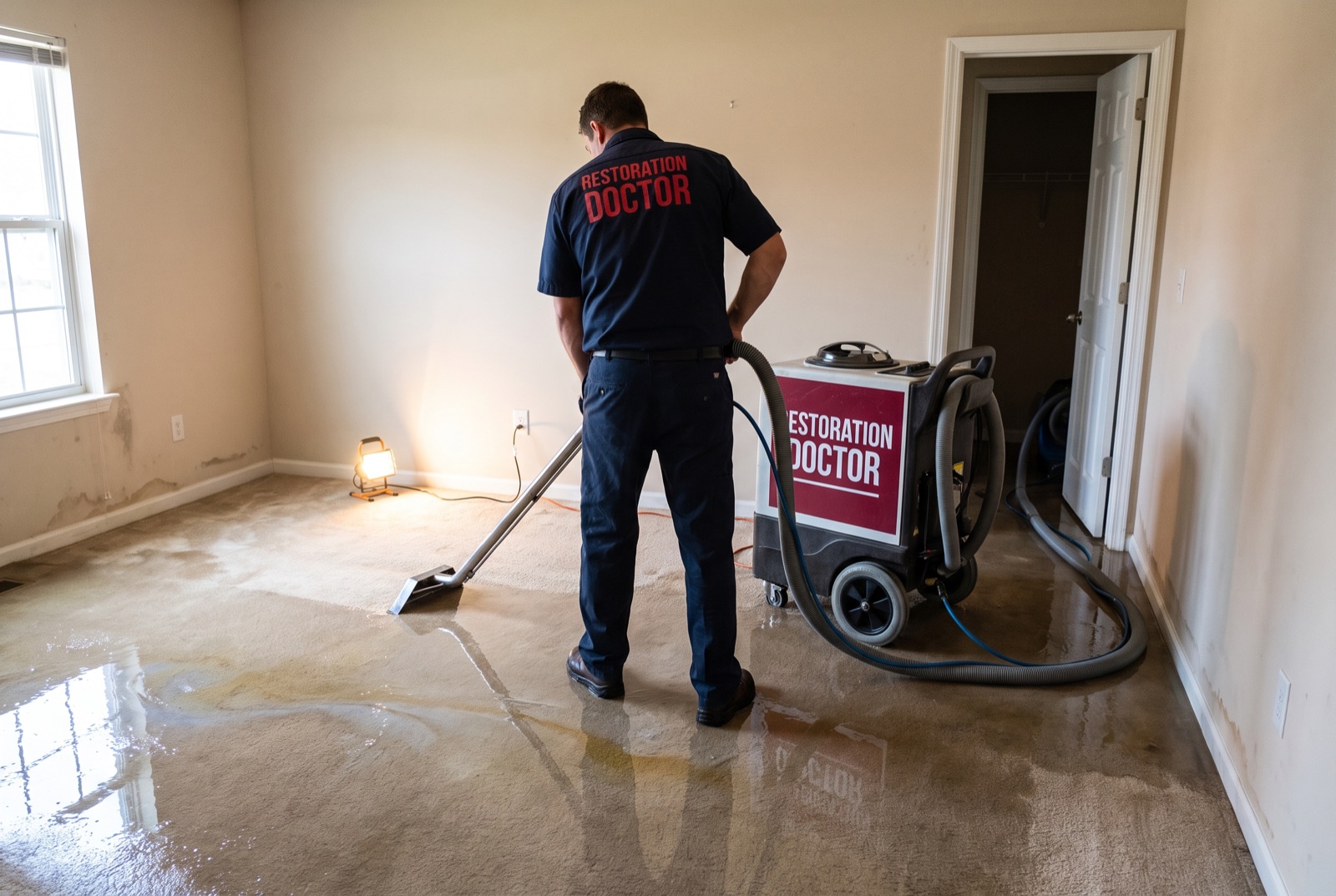
Some roof breaches announce themselves inside first. New ceiling stains — even faint ones — in the days or weeks after a storm mean water is getting past the roof. Check the attic with a flashlight after the next rain: damp insulation, water tracks on rafters or the underside of the deck, and daylight visible through the roof are all confirmations. Musty attic odor developing after a storm points the same direction.
Interior signs deserve fast action for two reasons. The obvious one is that the leak continues with every rain. The less obvious one is the mold clock: attic insulation and ceiling cavities that stay wet past roughly 24 to 48 hours are at risk for mold, quietly expanding a roof repair into an interior remediation.
Why a documented professional inspection matters
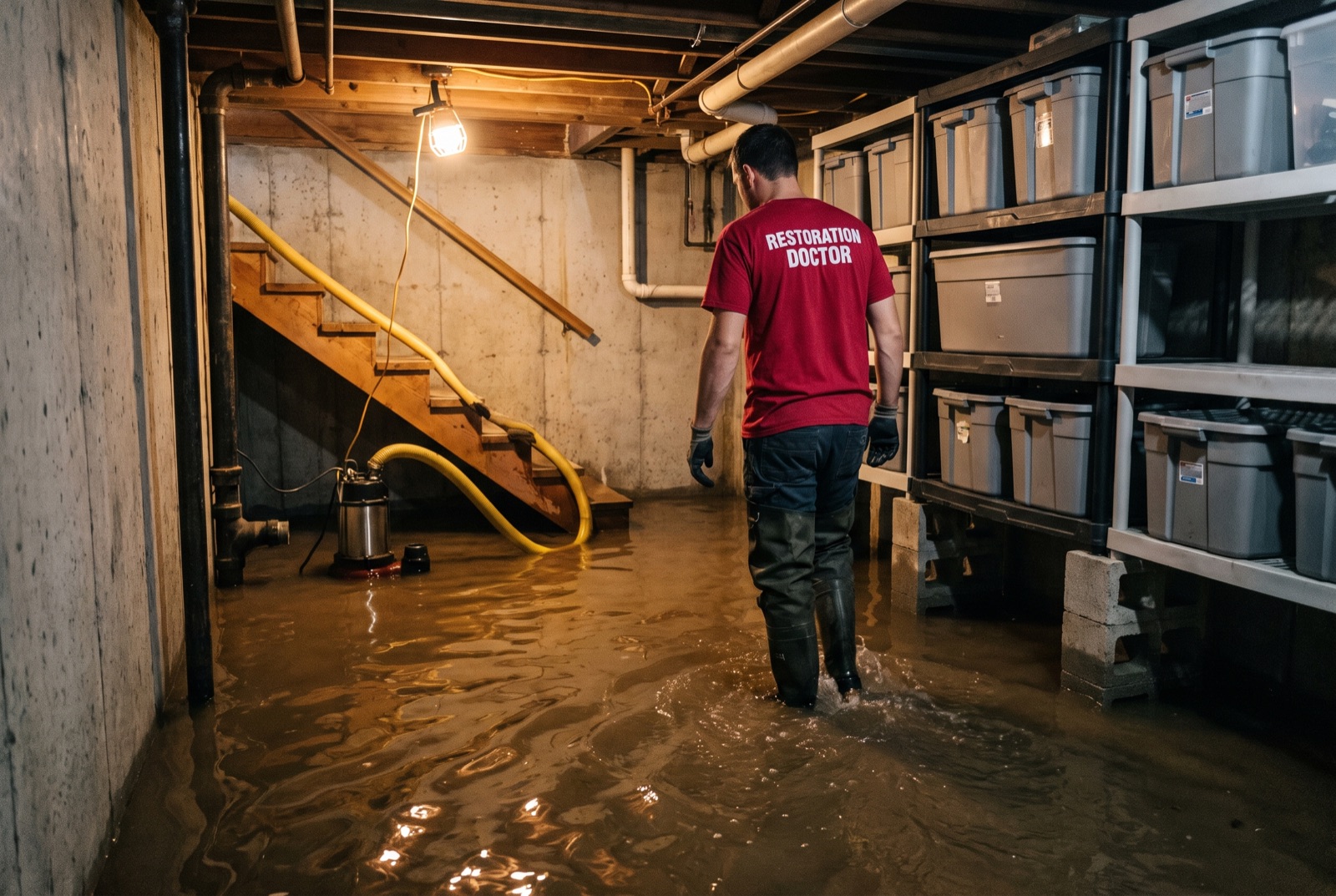
Much genuine storm damage isn't visible from the ground — creased seals, bruised shingles from hail (soft spots where the mat fractured beneath intact granules), and lifted flashing all require an up-close look. A professional inspection documents damage the right way: photographed, located on a roof diagram, and distinguished from wear and age. That last part is decisive for the claim, since carriers routinely evaluate whether roof damage is storm-caused or pre-existing deterioration.
One caution: after major storms, neighborhoods fill with free-inspection offers from out-of-area contractors, and some of them find "damage" on every roof they climb. Use an established local firm with a verifiable address and reviews, and be skeptical of anyone who pairs their inspection with pressure to sign an assignment of benefits on the spot.
From inspection to claim to repair
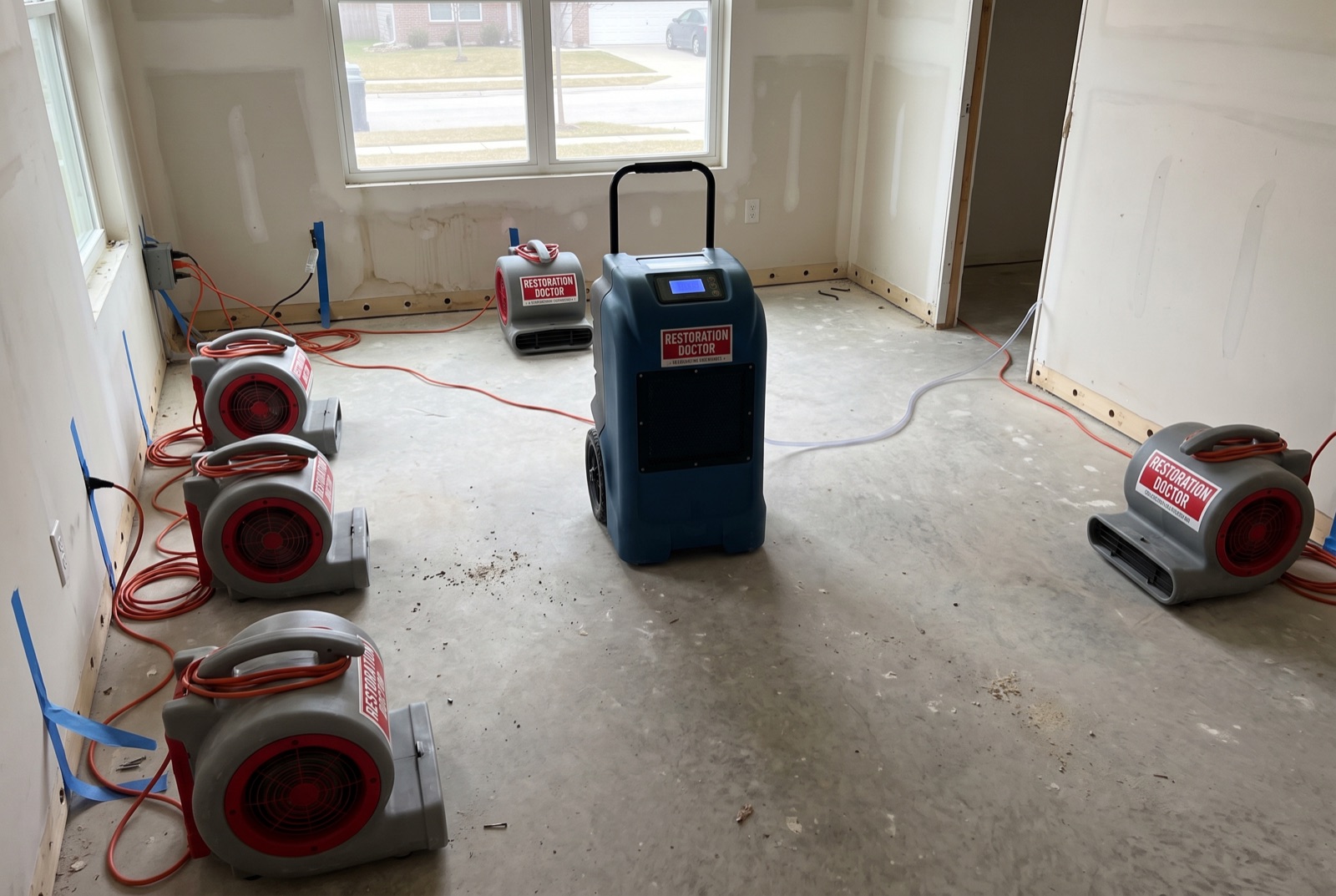
If the storm did reach your interior, the response is time-sensitive: tarping over the breach, then extraction and structural drying with documented moisture readings before mold takes hold. Restoration Doctor handles storm assessment, emergency weatherproofing, and interior water mitigation across Northern Virginia, Maryland, and D.C., with documentation built for the claims process. Call 1-888-29-FLOOD.
Storm Damage Restoration
Emergency tarping, water extraction, and reconstruction after wind, hail, and heavy-rain storm events.
Frequently asked
Related questions
Does insurance cover water damage from a leaking roof?
Should I repair storm damage before the insurance adjuster comes?
How do I avoid storm chaser contractor scams?
Active water, mold, fire, or sewage event?
Connect directly with the Restoration Doctor team for your region. Crews are on standby 24/7 with documented response protocols.