
How much does water damage devalue a house?
Unrepaired water damage commonly cuts value by a double-digit percentage — industry analyses often cite ranges around 10-20% — and shrinks the buyer pool even further than the price. What the market actually punishes is unresolved risk: professionally restored, documented damage typically recovers most or all of the lost value.
What buyers are really discounting
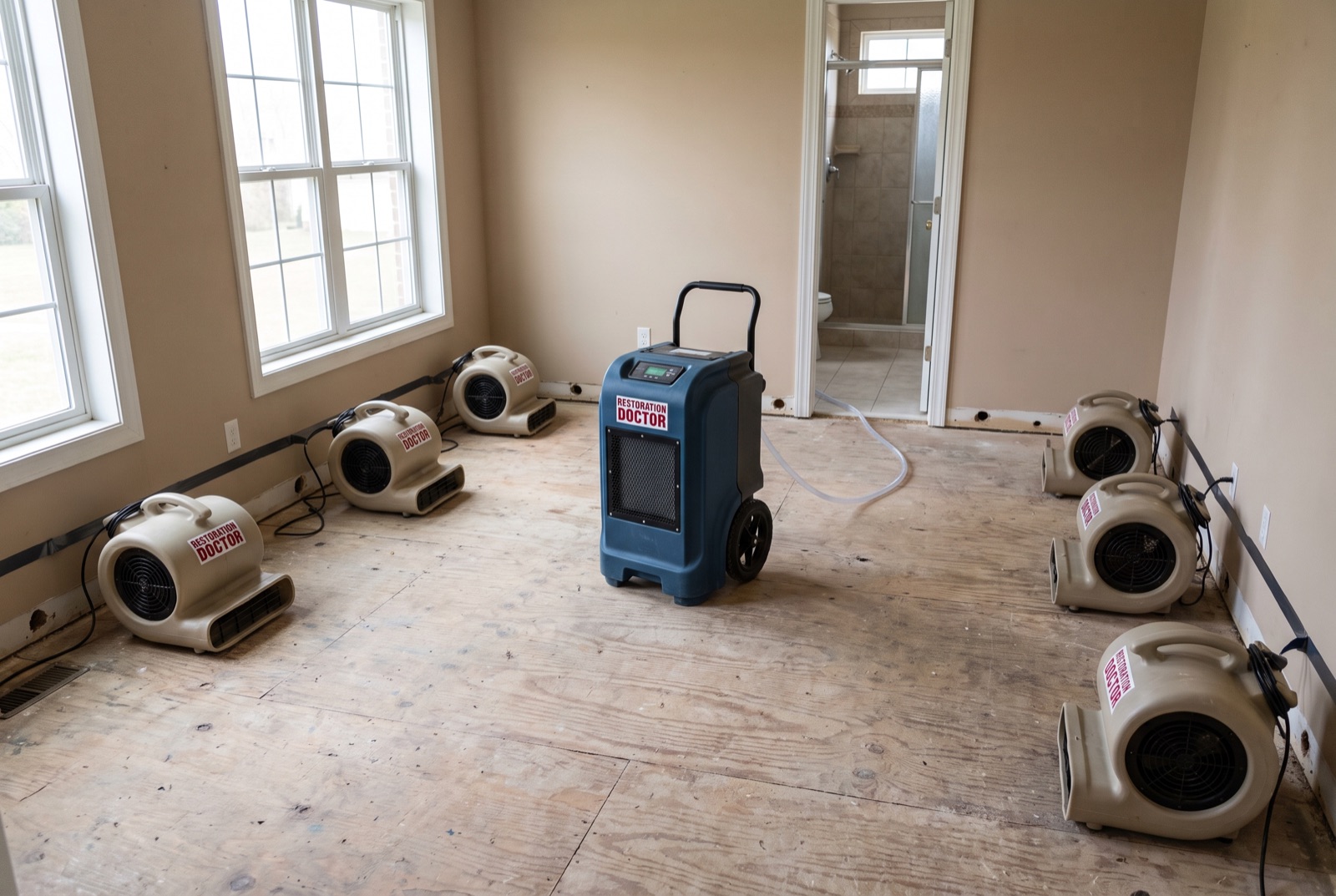
Water damage devalues a house less through the visible harm than through the questions it raises: Is the source fixed? Is there mold in the walls? Is the structure compromised? What else wasn't maintained? A water stain is a few hundred dollars of drywall and paint, but to a buyer it's an unpriced risk — and buyers price unpriced risk brutally or walk away entirely. That's why industry analyses of unrepaired water damage consistently show double-digit percentage impacts, and why the deeper cost is often the shrunken buyer pool: many buyers won't offer at any discount, and some lenders and insurers hesitate on homes with active damage.
Mold flips the equation from discount to disqualification for a large share of buyers. Visible mold, musty odor at a showing, or a mold finding on inspection routinely kills deals outright — which is why unresolved moisture is the single worst thing to carry into a listing.
Repaired and documented is a different story
The market treats resolved history very differently from unresolved risk. A loss that was professionally mitigated — with the cause corrected, drying verified by moisture readings, mold addressed if present, and repairs completed — leaves little for a buyer to price against, and homes with documented past losses generally sell in line with comparable homes. The operative word is documented: the difference between "there was a leak once" and a file showing exactly what happened and what was done is the difference between a lingering question and a closed one.
The documentation package that does this work: the cause-of-loss record and repair invoices, the drying logs and final moisture readings, mold clearance testing where remediation occurred, and the reconstruction scope. Sellers with this file turn a disclosure obligation into evidence of a well-maintained home.
Disclosure: the legal floor and the strategic play
Most states require sellers to disclose known material defects, and known water damage and its history generally qualify — concealment invites post-sale liability that dwarfs any negotiating advantage. Disclosure rules vary by state, so confirm your obligations, but the strategic logic is universal: an undisclosed problem discovered on inspection costs more in trust and renegotiation than a disclosed, documented, resolved one costs in price.
For buyers, the mirror-image advice: a disclosed, documented, professionally restored loss is not a reason to walk — it may be better evidence of the home's condition than no history at all. Demand the drying records and clearance documentation, verify the cause was corrected, and get a moisture-capable inspection. The house to fear is the one with fresh paint on one ceiling and no paperwork.
Protecting value starts at the loss
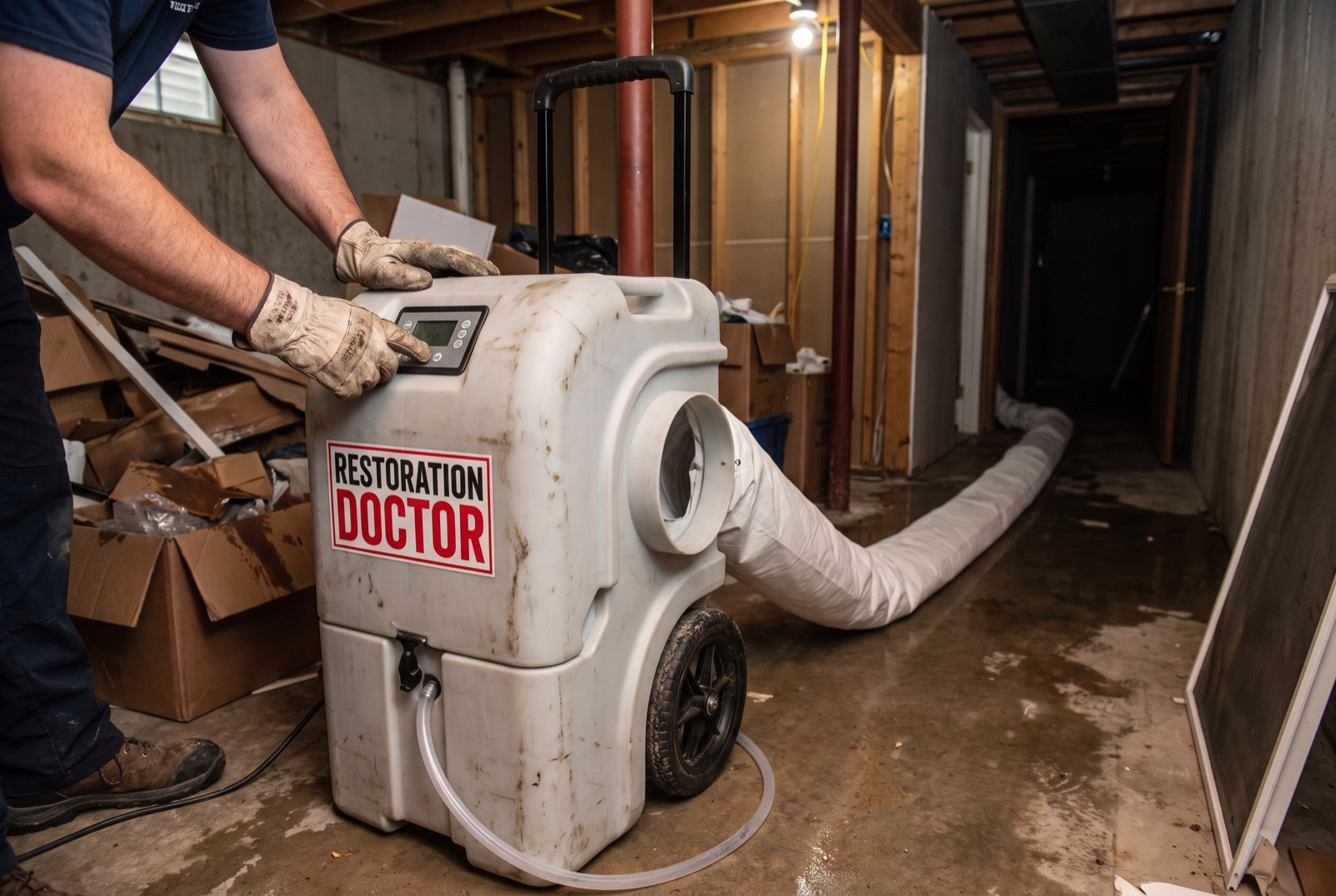
Every choice made during a water event echoes at resale: fast professional drying prevents the mold history that spooks buyers, verified moisture readings become the documentation that closes questions years later, and corrected causes end the recurrence risk that inspections hunt for. Restoration Doctor documents every loss to that standard — cause, moisture mapping, daily drying logs, and itemized scope through reconstruction — across Northern Virginia, Maryland, and D.C. Whether you're mitigating a fresh loss or need an assessment before listing, call 1-888-29-FLOOD.
Water Damage Restoration
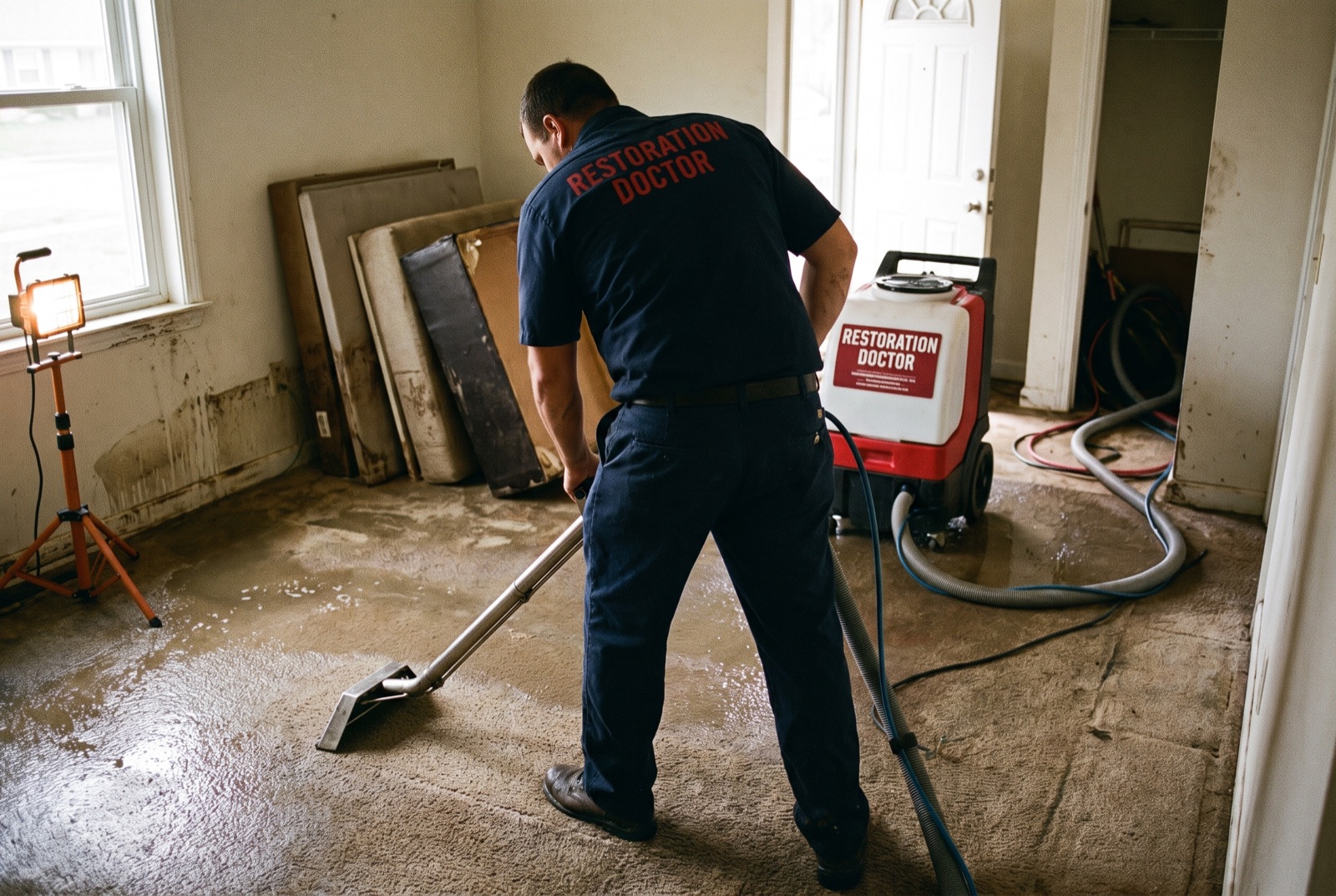
Extraction, structural drying, and moisture verification for burst pipes, appliance leaks, and basement flooding.
Frequently asked
Related questions
Should I buy a house that had basement water damage?
How to tell if water damage is permanent?
How much does water damage restoration cost?
What are the first signs of water damage?
Active water, mold, fire, or sewage event?
Connect directly with the Restoration Doctor team for your region. Crews are on standby 24/7 with documented response protocols.