
How to tell if water damage is permanent?
Water damage is likely permanent when materials have physically changed shape or composition — buckled hardwood, delaminated subfloor, swollen MDF and particleboard, crumbling drywall, or mold-colonized porous materials. Staining, dampness, and minor surface effects are usually restorable if the material dried quickly. A moisture inspection distinguishes the two reliably.
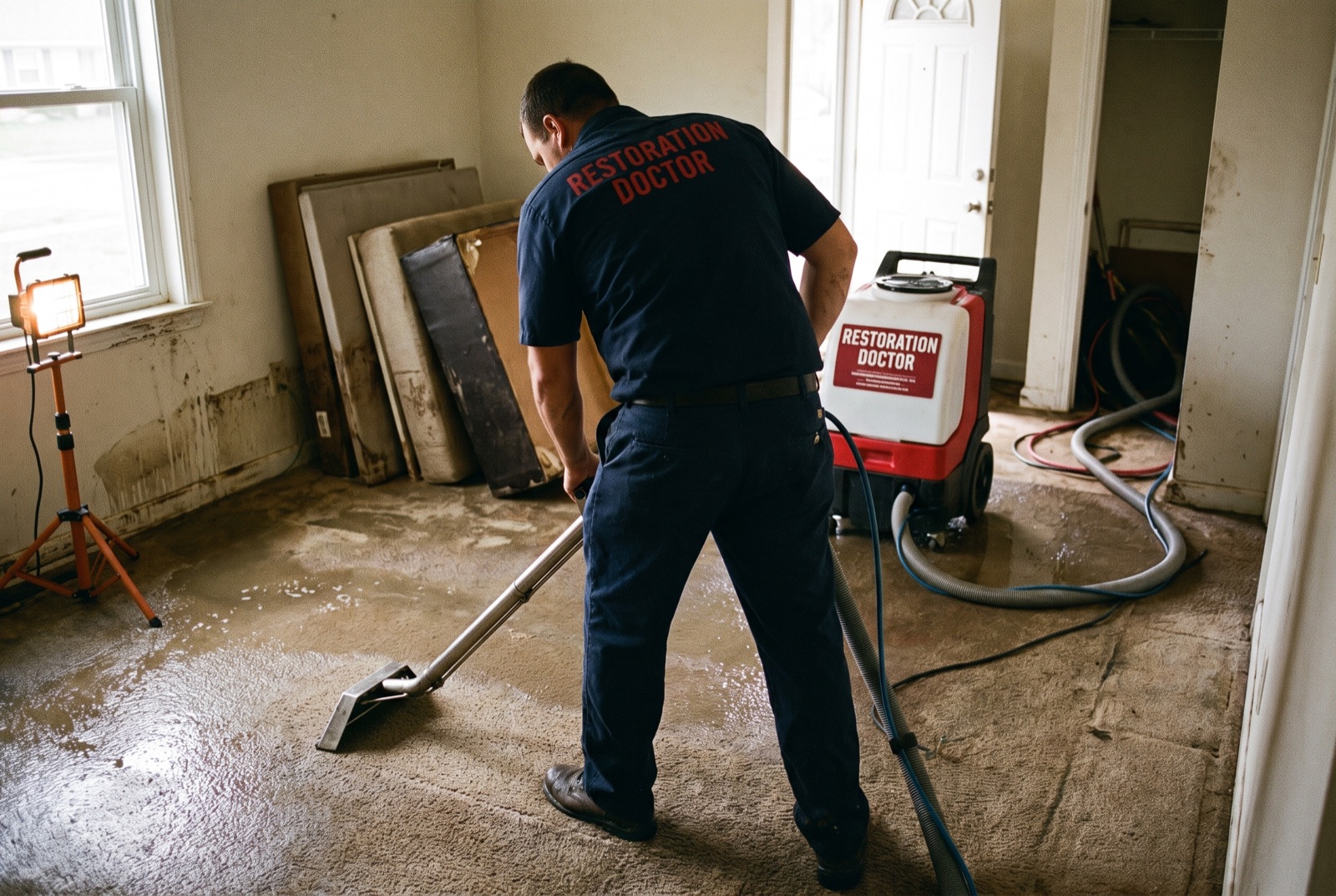
The core test: has the material changed, or just gotten wet?
Whether water damage is permanent comes down to a simple distinction: some materials get wet and can be dried back to their original condition, while others are physically altered by water and cannot recover no matter how thoroughly they dry.
Structural lumber, plywood that hasn't delaminated, concrete, masonry, and solid wood generally survive a wetting if dried promptly and properly. Drywall can often be saved when it got damp but not saturated and dried within the mold window. Carpet is frequently salvageable after clean-water losses; carpet pad almost never is and is routinely removed and replaced.
Materials made of compressed wood fiber — MDF baseboard and trim, particleboard cabinet boxes and shelving, laminate flooring cores — absorb water, swell, and stay swollen. Once you can see or feel the swelling, drying will not reverse it. The same is true of insulation that has compacted when wet (fiberglass batts lose their loft; wet cellulose slumps) and of any porous material that mold has colonized.
Signs the damage is permanent
Buckled, cupped, or crowned hardwood that doesn't relax after weeks of proper drying has usually exceeded its recoverable range — mild cupping sometimes flattens as moisture equalizes, but buckling (boards lifting off the subfloor) is a replacement indicator.
Delaminated subfloor — plies of plywood separating, or OSB that has swollen, flaked, and gone soft or spongy underfoot — has lost structural integrity and needs replacement. Drywall that is crumbling, bulging, or has lost its paper face is past saving, as is drywall behind which mold has established. Swollen MDF trim, doors that no longer close because they've swollen, and particleboard cabinetry that has bloated at the bottom edges are all one-way changes.
Persistent musty odor after the structure has dried is itself a red flag: it usually means microbial growth is present somewhere concealed, and colonized porous materials (drywall, insulation, carpet pad) are treated as removals under IICRC S520 mold remediation practice, not as cleanable surfaces.
Signs the damage is probably restorable
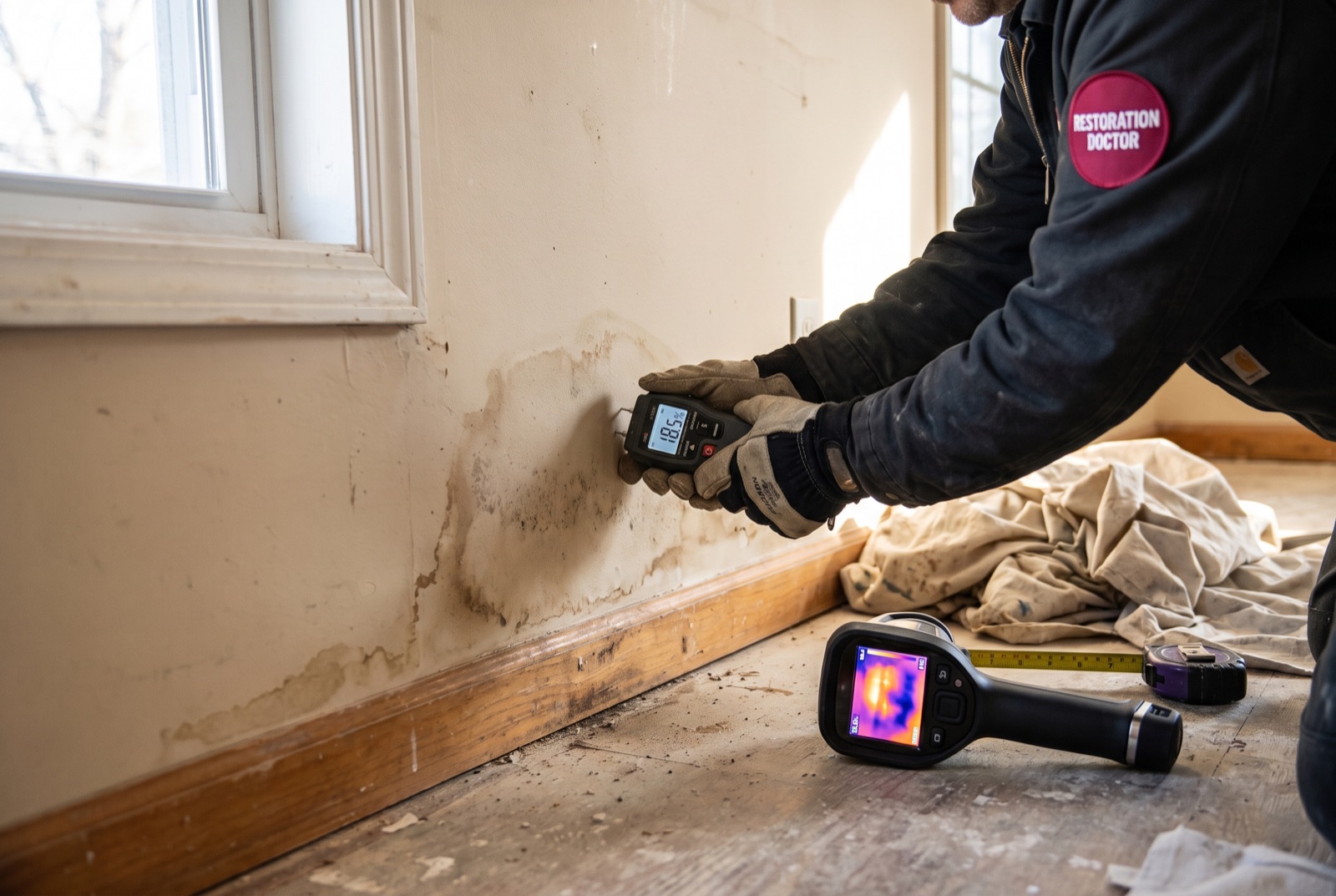
Water stains on drywall or ceilings are often cosmetic — if the material is dry, firm, and flat, a stain-blocking primer and paint restore it. Damp but structurally sound drywall caught early routinely dries in place under professional equipment. Mild carpet dampness from a clean water source, caught within a day or two, is usually recoverable with extraction and pad replacement.
Solid wood furniture, framing lumber, and hardwood floors with only minor cupping frequently return to serviceable condition with controlled drying. The consistent theme: speed. The same material can land in the restorable or the permanent column depending almost entirely on how quickly professional drying started and how long the material stayed wet.
Why a professional assessment settles it
You can't determine permanence by eye, because the deciding factor — moisture content deep in the material, and what's happening inside assemblies — isn't visible. Restoration professionals measure moisture content against dry standards for each material, use thermal imaging to find hidden wet zones, and open inspection points where readings justify it.
That assessment also drives your insurance outcome: a documented moisture map and material-by-material disposition (dry in place, restore, or remove and replace) is exactly the evidence an adjuster needs to approve the right scope. Restoration Doctor provides that documentation on every loss — meter readings, photo logs, and IICRC S500-aligned drying records. If you're staring at damage and wondering which side of the line it falls on, call 1-888-29-FLOOD for an inspection.
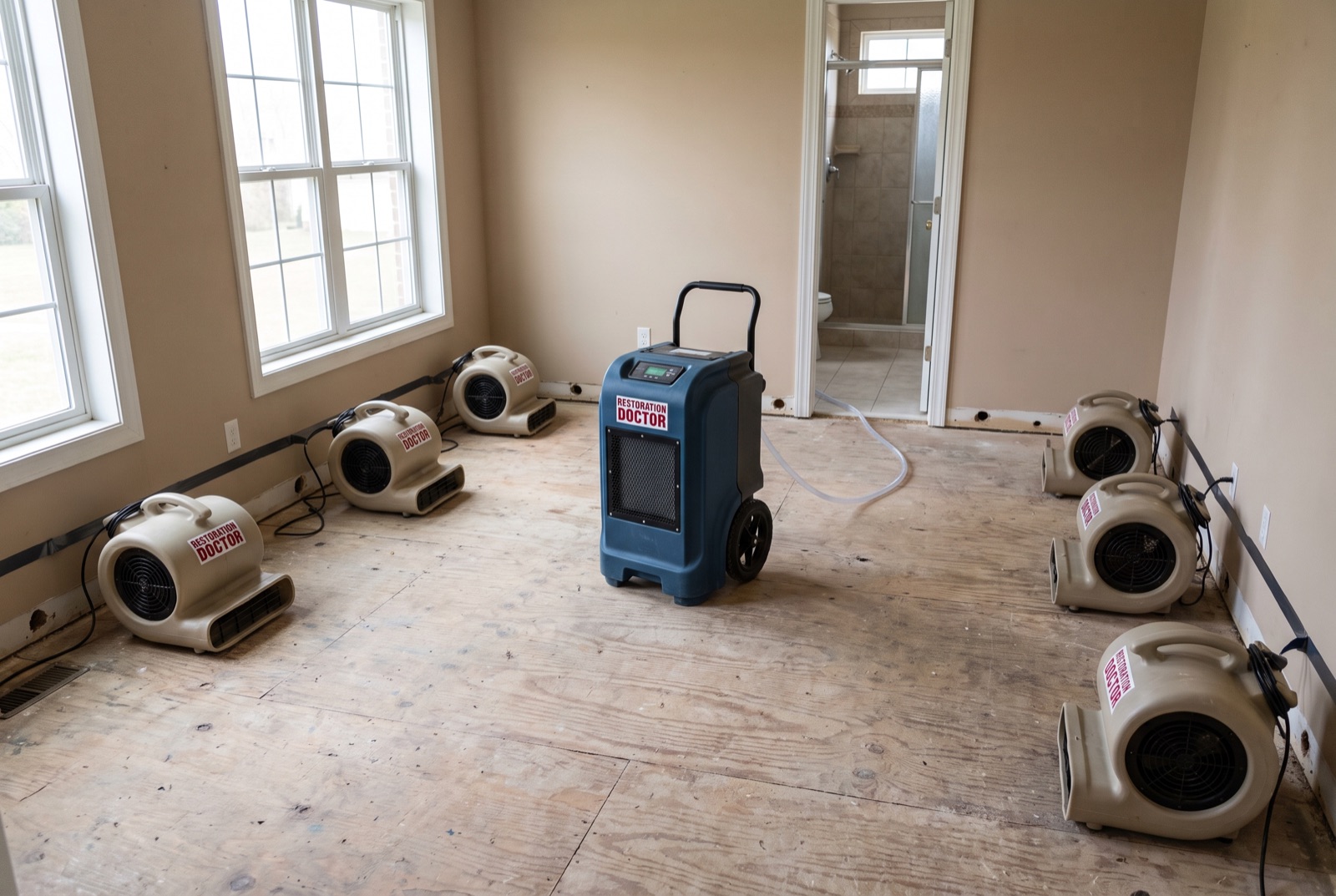
Water Damage Restoration
Extraction, structural drying, and moisture verification for burst pipes, appliance leaks, and basement flooding.
Frequently asked
Active water, mold, fire, or sewage event?
Connect directly with the Restoration Doctor team for your region. Crews are on standby 24/7 with documented response protocols.