
What are the first signs of water damage?
The earliest signs of water damage are discoloration or stains on walls and ceilings, a persistent musty odor, peeling or bubbling paint, warped or soft flooring, and unexplained spikes in humidity or your water bill. Any one of these warrants a moisture inspection — hidden leaks cause most of their damage before they become obvious.
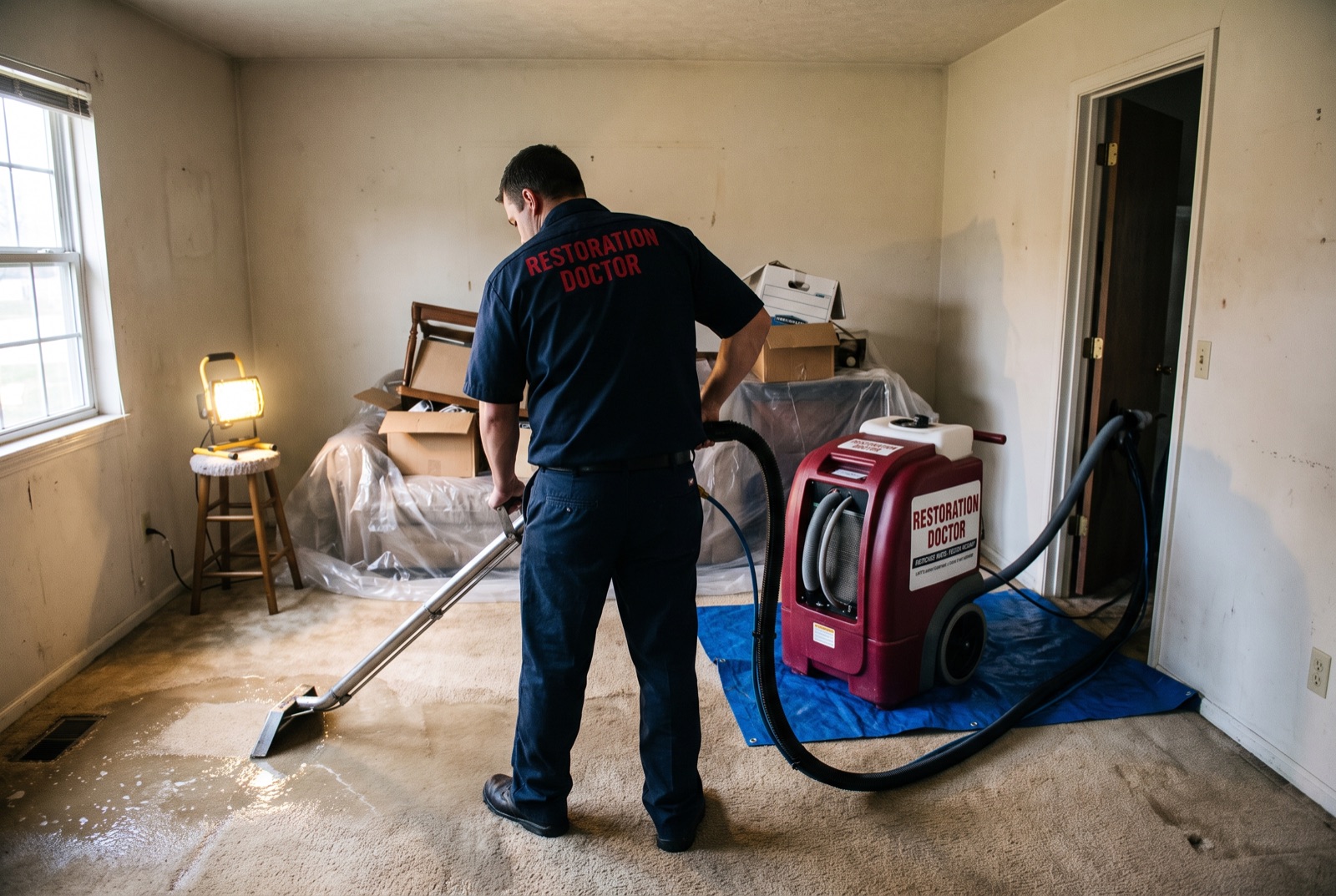
Visual signs: what to look for
Water announces itself visually before most homeowners recognize what they're seeing. Yellow or brown stains on ceilings and walls — often with a darker ring at the edge — mark where water has wicked through and evaporated, leaving minerals behind. A stain that grows or darkens over time means the source is still active.
Paint and wallpaper react early too. Bubbling, blistering, or peeling paint means moisture is pushing through from behind the surface. On walls below bathrooms or along exterior walls, this is one of the most reliable early indicators of a concealed leak.
Flooring tells its own story. Hardwood boards that cup (edges higher than centers) are absorbing moisture from below. Laminate that swells at the seams, vinyl that lifts or bubbles, tile grout that darkens, and carpet that feels damp near a wall all point to water traveling where it shouldn't. Baseboards and door casings that swell, separate from the wall, or show a wavy edge are absorbing water from the floor or wall cavity behind them.
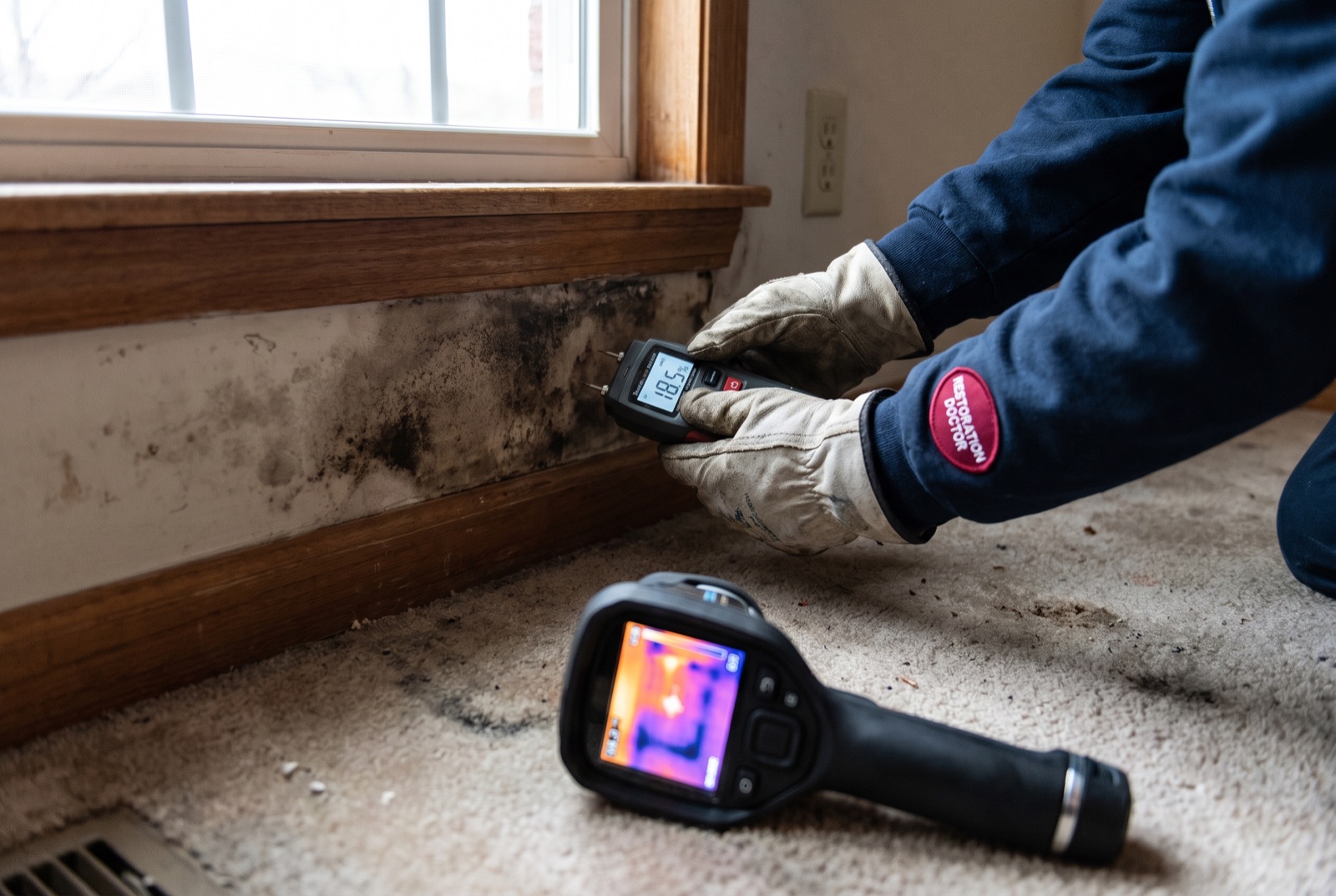
The signs you smell and feel
A musty, earthy odor is one of the most important early warnings, because it usually means microbial growth has already started somewhere concealed. Smell is often the only sign of a leak inside a wall cavity or under an installed floor. If a room, closet, or cabinet smells musty and the odor returns after airing out, moisture is present somewhere nearby.
Humidity is another tell. A room that feels clammier than the rest of the house, windows that fog more than they used to, or condensation appearing on cool surfaces can indicate an ongoing moisture source loading the air. Basements are the classic case — a basement that suddenly smells or feels different deserves attention.
Finally, listen. The sound of running or dripping water when every fixture is off, hissing inside a wall, or a water heater that seems to run constantly can indicate a pressurized leak.
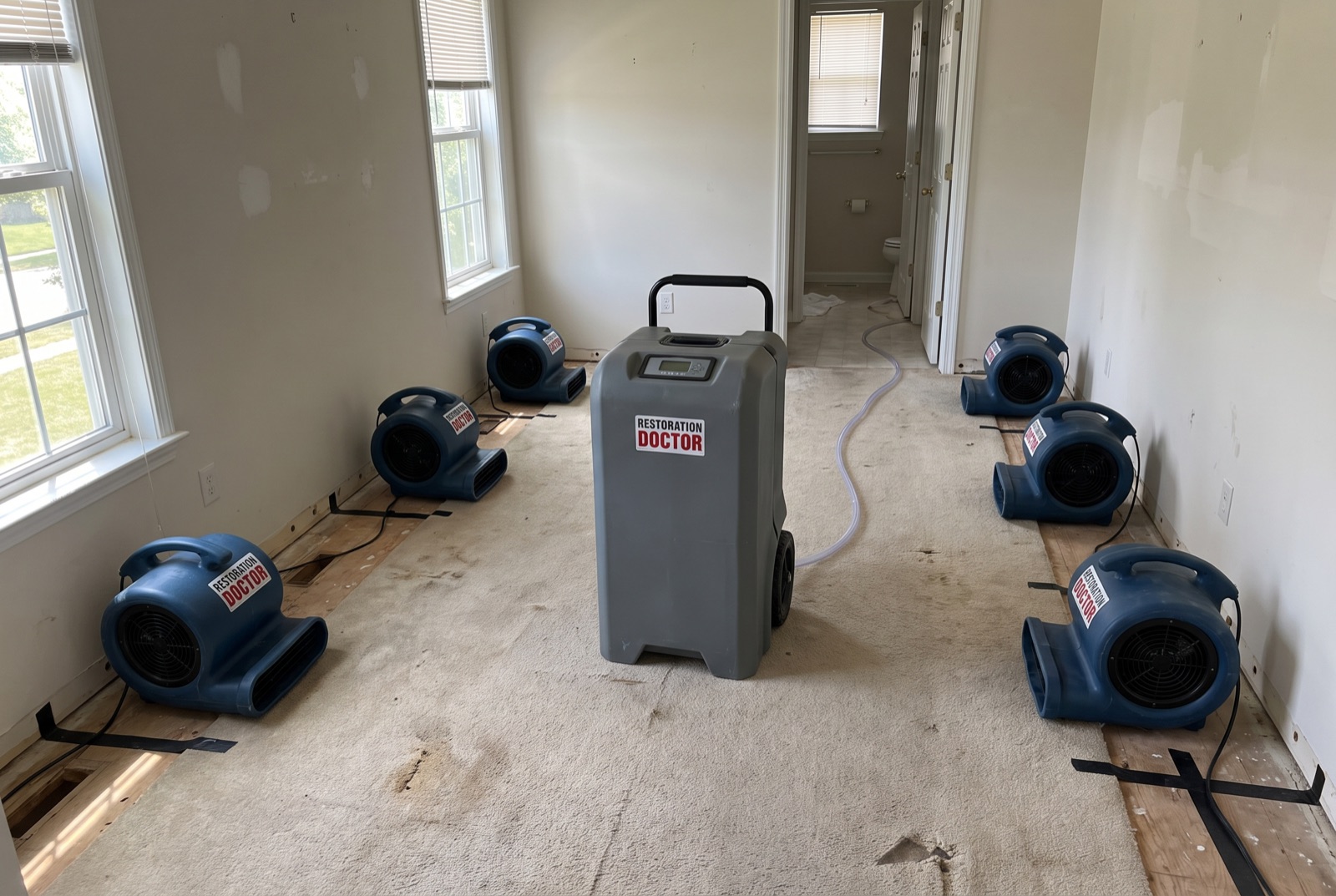
The sign most people miss: the water bill
A supply-line leak inside a wall or under a slab can run for months without producing a visible symptom — but it always shows up on the meter. An unexplained jump in your water bill is worth taking seriously as a leak indicator.
There's a simple check: turn off every fixture and appliance that uses water, then watch your water meter for fifteen to twenty minutes. If the dial or flow indicator moves at all, water is leaving the system somewhere. Many modern meters have a small leak-detection triangle or asterisk that spins with even tiny flows.
Slow leaks are the expensive ones precisely because they run undetected. By the time a pinhole leak in a wall produces a visible stain, the framing and drywall around it may have been wet through many mold growth cycles — which converts a plumbing repair into a remediation project.
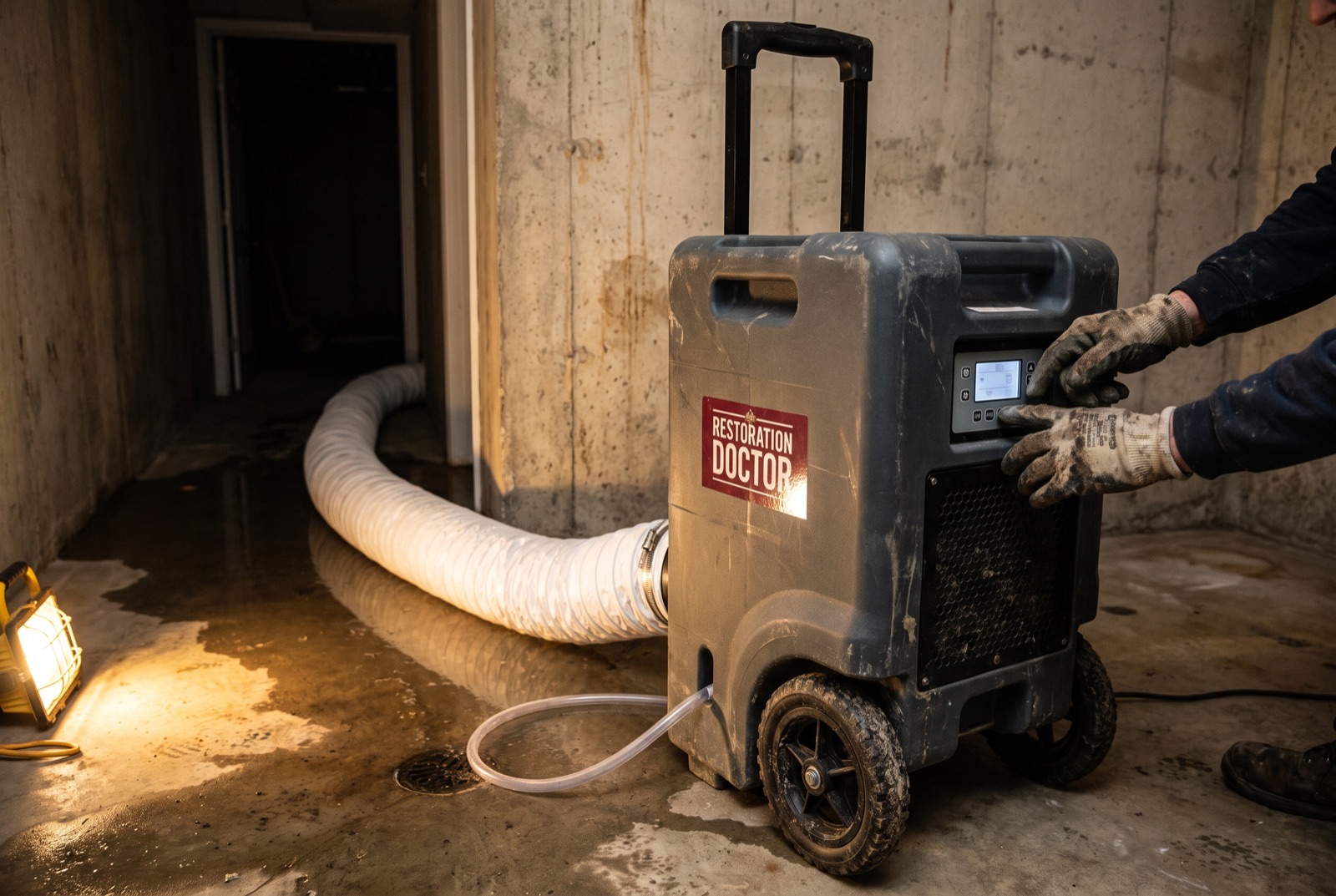
What to do when you spot a sign
Don't paint over it, and don't wait for it to get worse. The correct next step is a moisture inspection: professional-grade moisture meters and thermal imaging can confirm whether the material behind a stain is dry (old, resolved damage) or wet (an active problem), and can trace the moisture back toward its source without opening walls speculatively.
If the readings show active moisture, the sequence is: fix the source, dry the affected structure to a verified dry standard, and repair whatever the water permanently altered. Caught early, that can be a small, contained project. Restoration Doctor performs moisture inspections and full mitigation across Northern Virginia, Maryland, and D.C. — if something in your home looks, smells, or feels like the signs above, call 1-888-29-FLOOD before a small leak becomes a large loss.
Water Damage Restoration
Extraction, structural drying, and moisture verification for burst pipes, appliance leaks, and basement flooding.
Frequently asked
Related questions
What does water damage look like on walls?
Will water damage go away on its own?
How do I know if mold is growing behind my walls?
How do you know if there is water damage under your floor?
Active water, mold, fire, or sewage event?
Connect directly with the Restoration Doctor team for your region. Crews are on standby 24/7 with documented response protocols.